Reviewers present a mixed but consistent picture of Legacy at Grande‘Vie. The strongest and most frequently cited element is the caregiving staff: direct‑care aides, memory‑care teams, kitchen staff and several desk/concierge employees are described as compassionate, patient and helpful. Families repeatedly credit staff with attentive day‑to‑day care, strong family communication during the pandemic period, and an ability to support residents through transitions (including moves to higher levels of care). The community also benefits from an active social culture for many residents, with organized outings, on‑site events, and a general sense of camaraderie that some families describe as “home‑like.” On‑site memory care is frequently singled out as a strength for residents with dementia-related needs.
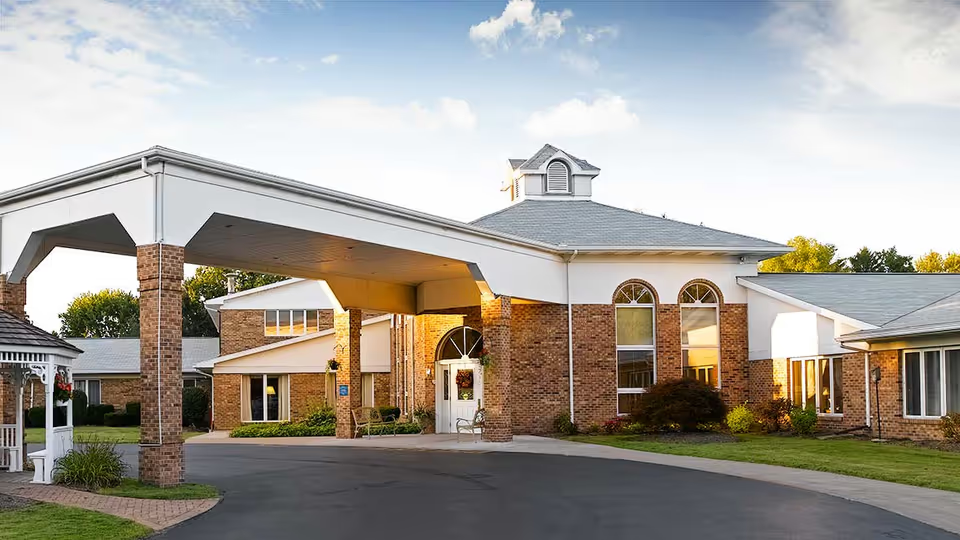
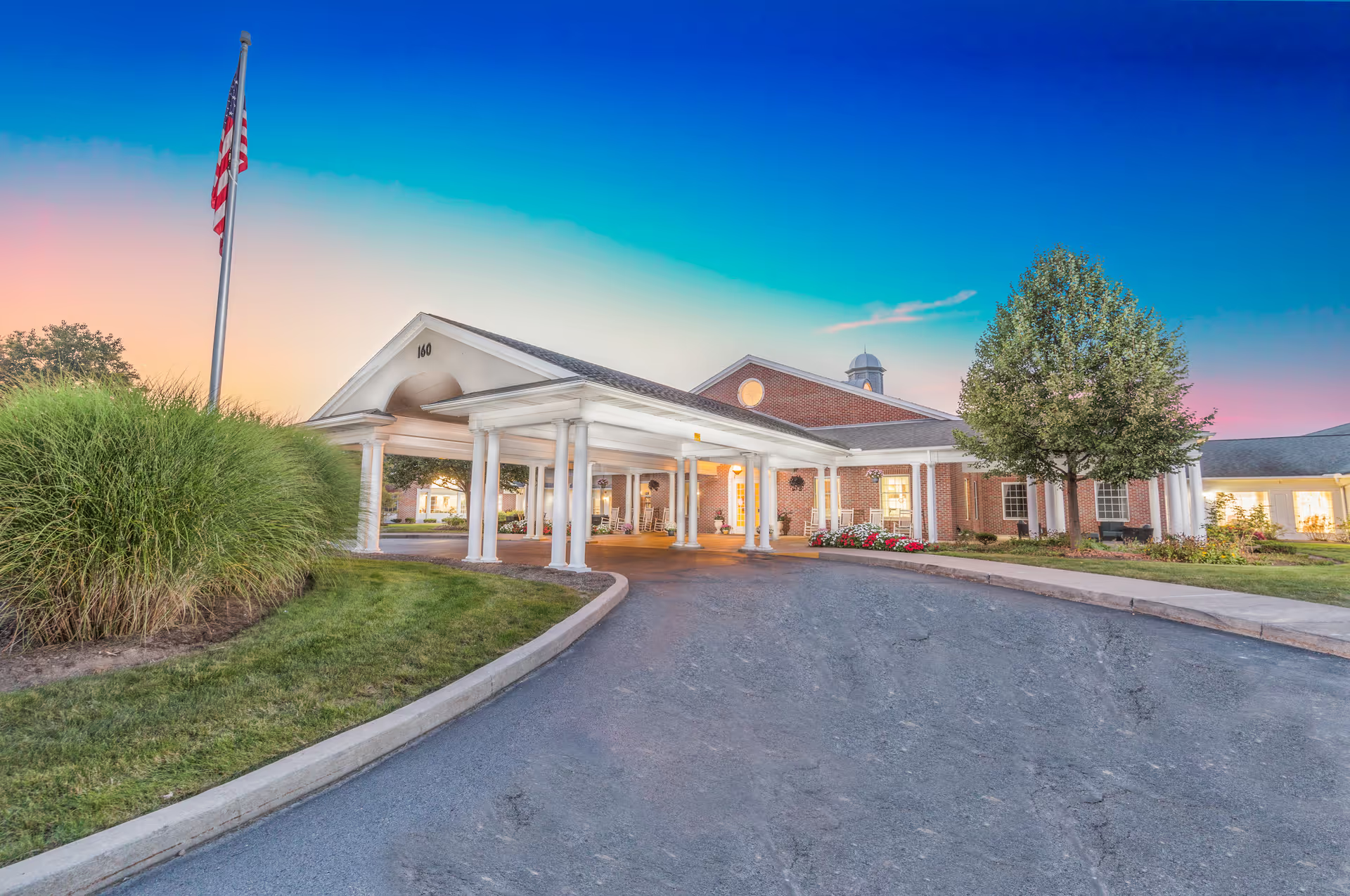
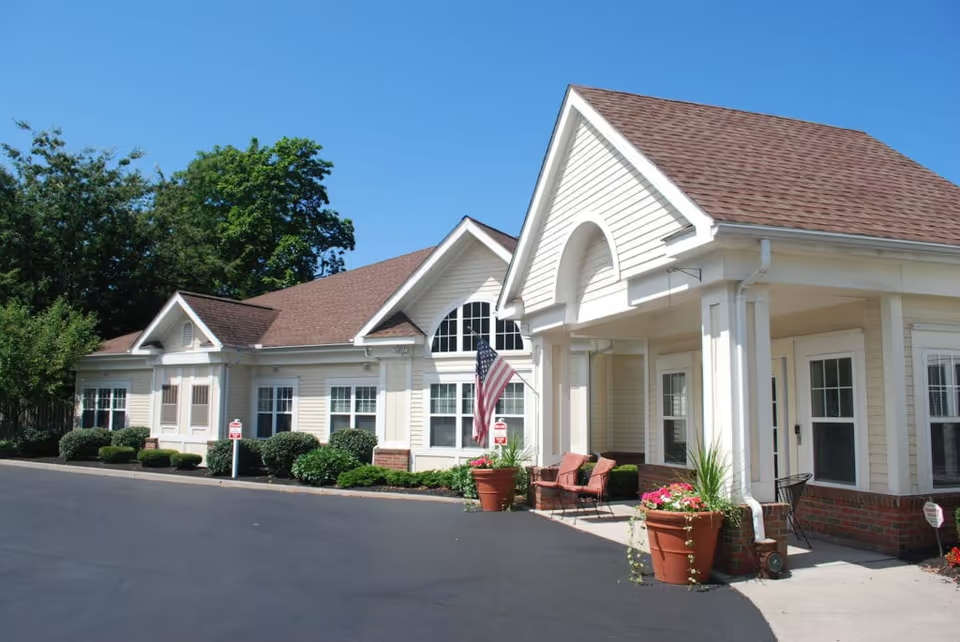
At the same time, there are persistent operational concerns that prospective residents and families should weigh. The facility is repeatedly described as dated, with a backlog of cosmetic updates and intermittent cleanliness and odor issues in some areas. Maintenance and housekeeping are characterized as slow or reactive, and reviewers describe delays in addressing room repairs, laundry and appliance cleanliness. Accessibility problems — including difficult door thresholds, restroom limitations and outdoor spaces that are hard to reach or poorly maintained — are raised multiple times, which may affect mobility‑impaired residents.
Dining and programming receive mixed feedback. Many reviewers praise the variety and quality of meals and note helpful kitchen staff, but others describe inconsistent meal quality, at least one instance of perceived dining misrepresentation, and limited snack availability late in the evening. Activity programming is energetic and engaging for many residents (with chair aerobics, field trips and well‑run events noted), yet some families find the activities repetitive or insufficiently challenging for more active or cognitively able seniors. Memory care programming is generally viewed more favorably than some assisted‑living activity tracks.
Staffing and clinical oversight are important areas of divergence. While individual caregivers are often described as excellent and committed, reviewers also point to high staff turnover, uneven leadership presence, and limited overnight/weekend clinical coverage — with some accounts suggesting gaps in supervision for residents who require higher acuity care. A few reviews reference regulatory and ownership changes, including a failed state inspection and a community buyout, and several families expressed frustration with management instability, unclear communication about fees or rent increases, and renovation disruption during transitions.
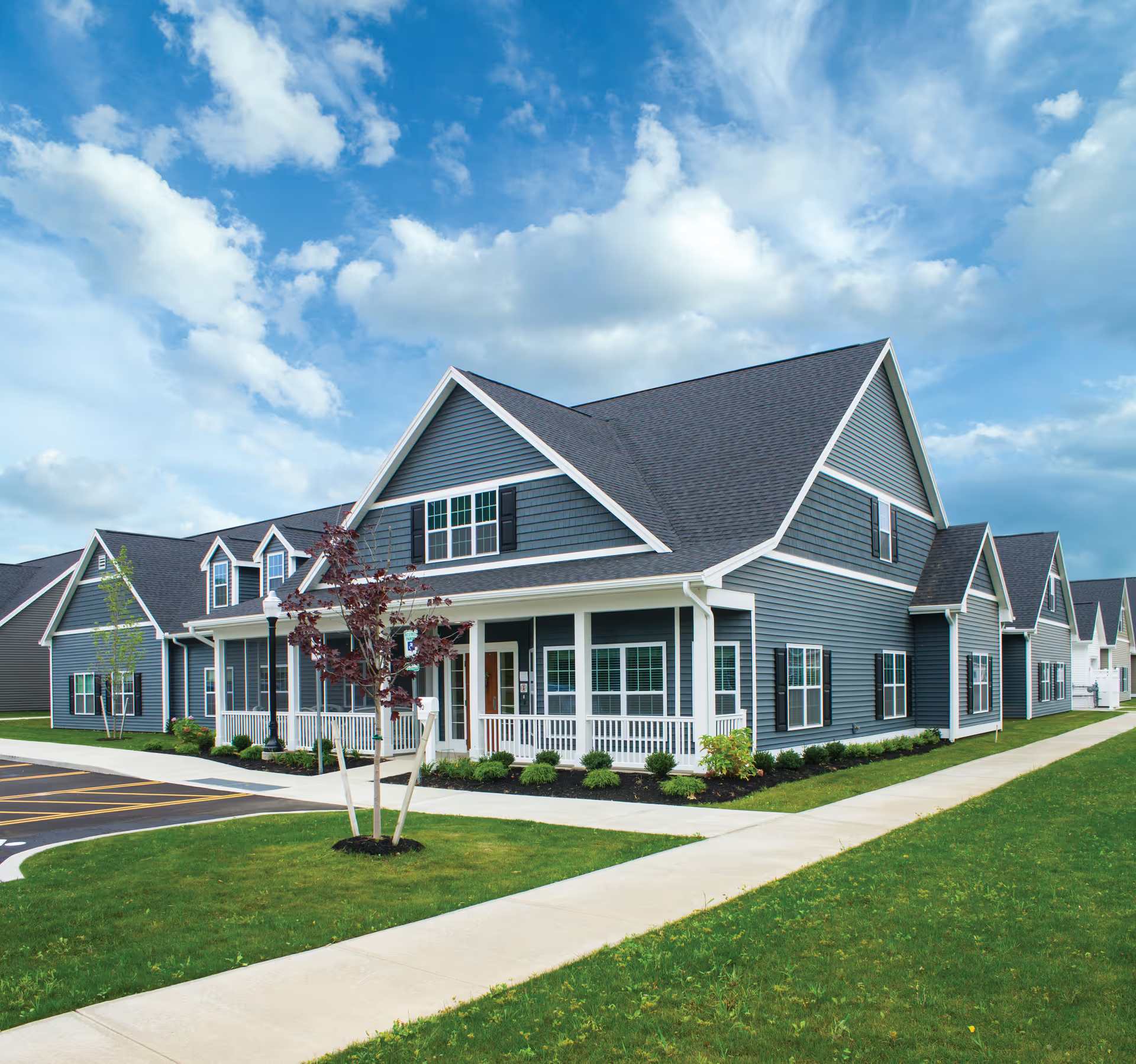
Taken together, the pattern suggests a community with notable strengths in bedside care, memory‑care capability and resident engagement, but with operational and facility challenges that can affect day‑to‑day experience — especially for residents with higher medical needs or for families expecting a recently renovated environment. Prospective residents should consider a careful tour that checks unit cleanliness, accessibility, staffing levels during nights/weekends, the community’s plan and timeline for renovations, and written clarity about pricing and what rising fees cover. For families prioritizing compassionate staff and strong dementia care, the community may be a good fit; those prioritizing modern facilities, consistent housekeeping, and robust clinical coverage at all hours may need to probe these areas closely before committing.