The Addison of Willow Pond / Legacy at Willow Pond presents as a socially active independent-living community with a consistently warm, family-like culture. Reviewers emphasize the facility’s strong emphasis on social engagement: a full calendar of activities (bingo, crafts, exercise, themed weeks, musical entertainment), frequent outings (shopping, stadium trips), and resident-led events. The activities director and community life staff are repeatedly highlighted as energetic and effective in creating opportunities for socialization and meaningful engagement.
Staff-related feedback is predominantly positive. Many reviewers describe staff as compassionate, attentive, and quick to learn residents’ names, creating a welcoming atmosphere at reception, in dining, and across daily interactions. Maintenance and housekeeping receive frequent praise for responsiveness and thoroughness in many instances, and staff were credited for facilitating smooth move-ins and transitions. Families commonly report that leadership and specific team members are accessible and engaged with residents’ preferences.
Dining is a central strength for many residents: the community features a large, attractive dining room, a mix of buffet and sit-down service, themed meals, and generally well-presented, varied menus. At the same time, there are comments indicating periodic inconsistency in food quality and requests for additional dining options or fresher menu components. Housekeeping and meal-service support are highlights for independent-living residents, though some families note variability in consistency over time.
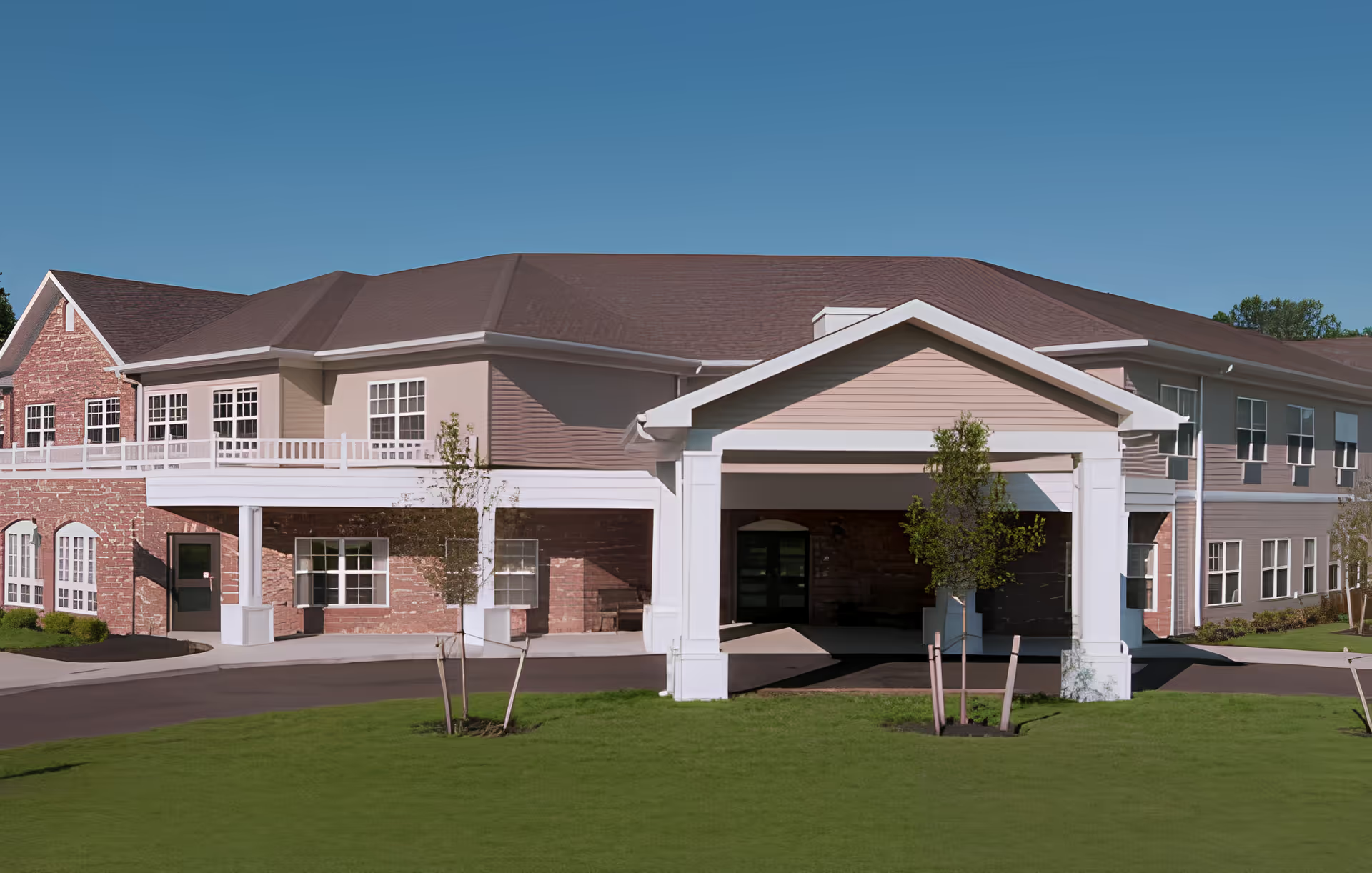
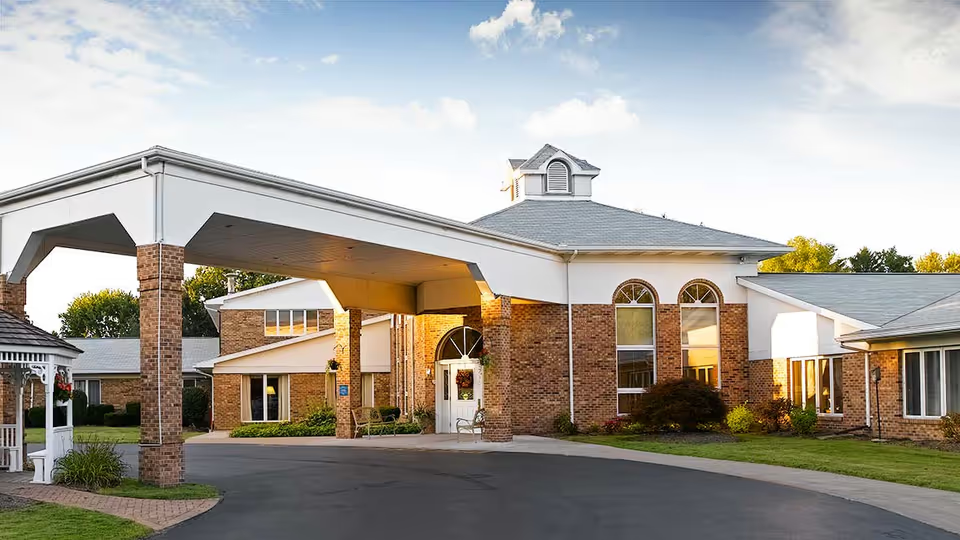
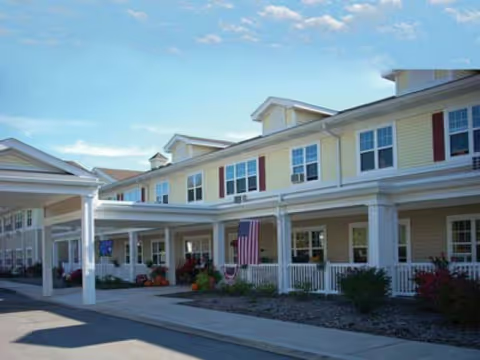
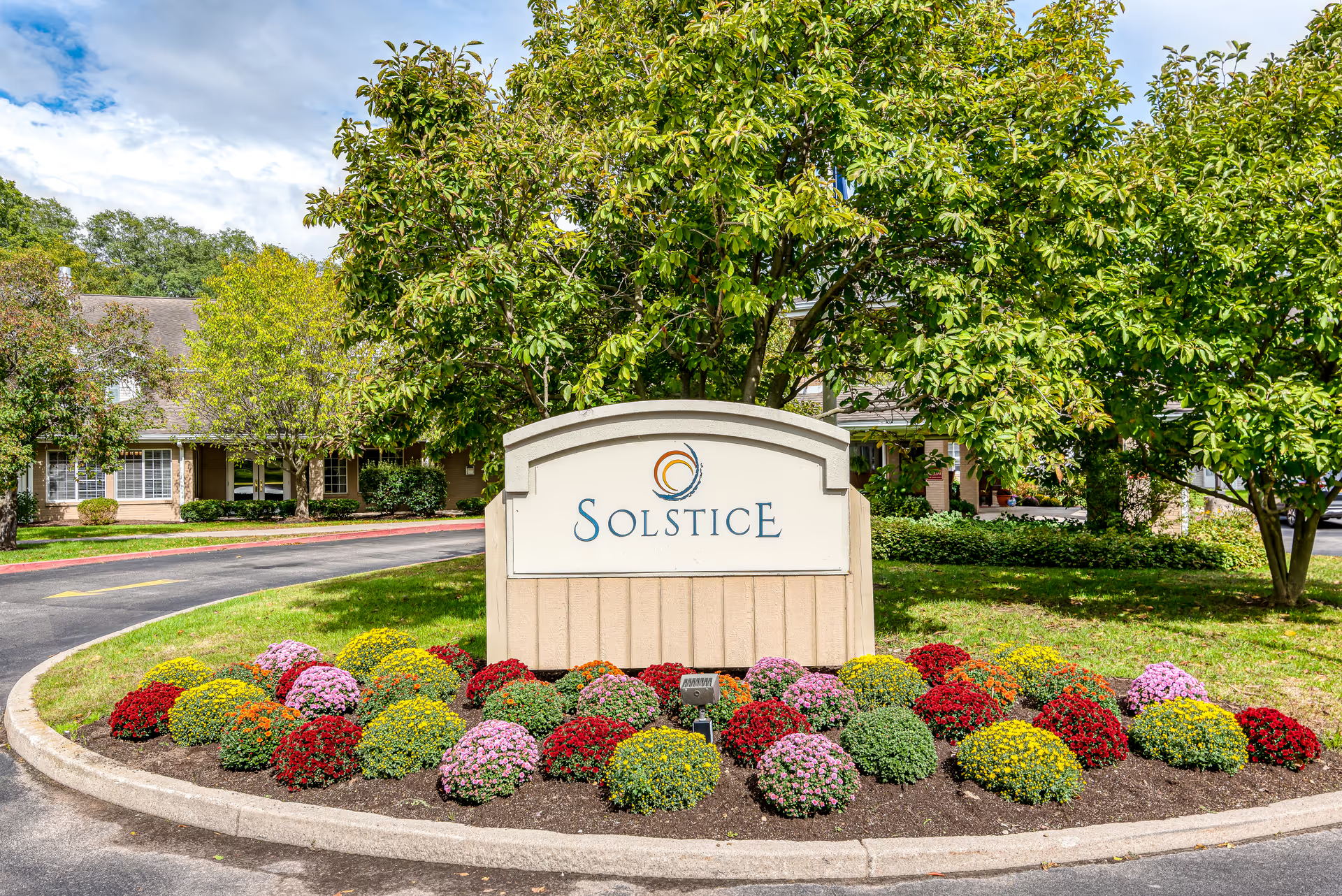
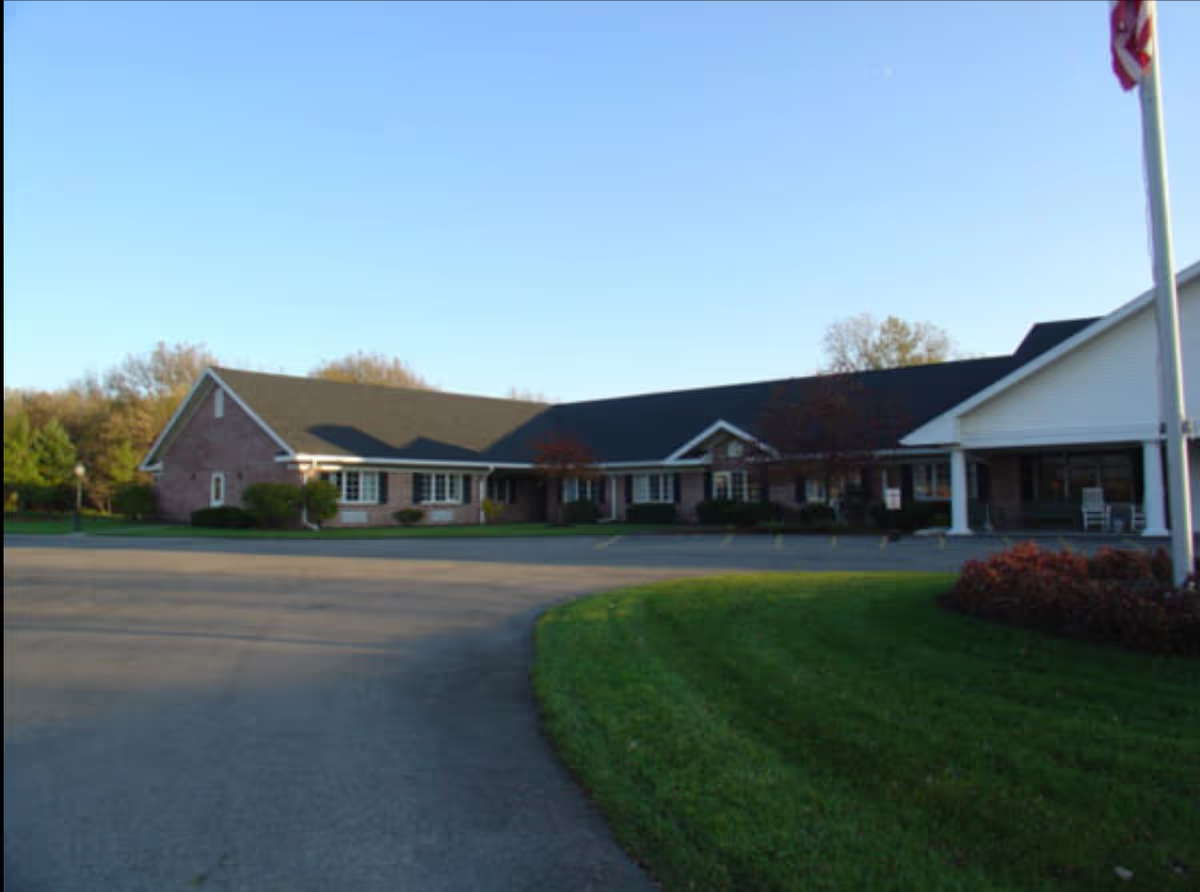
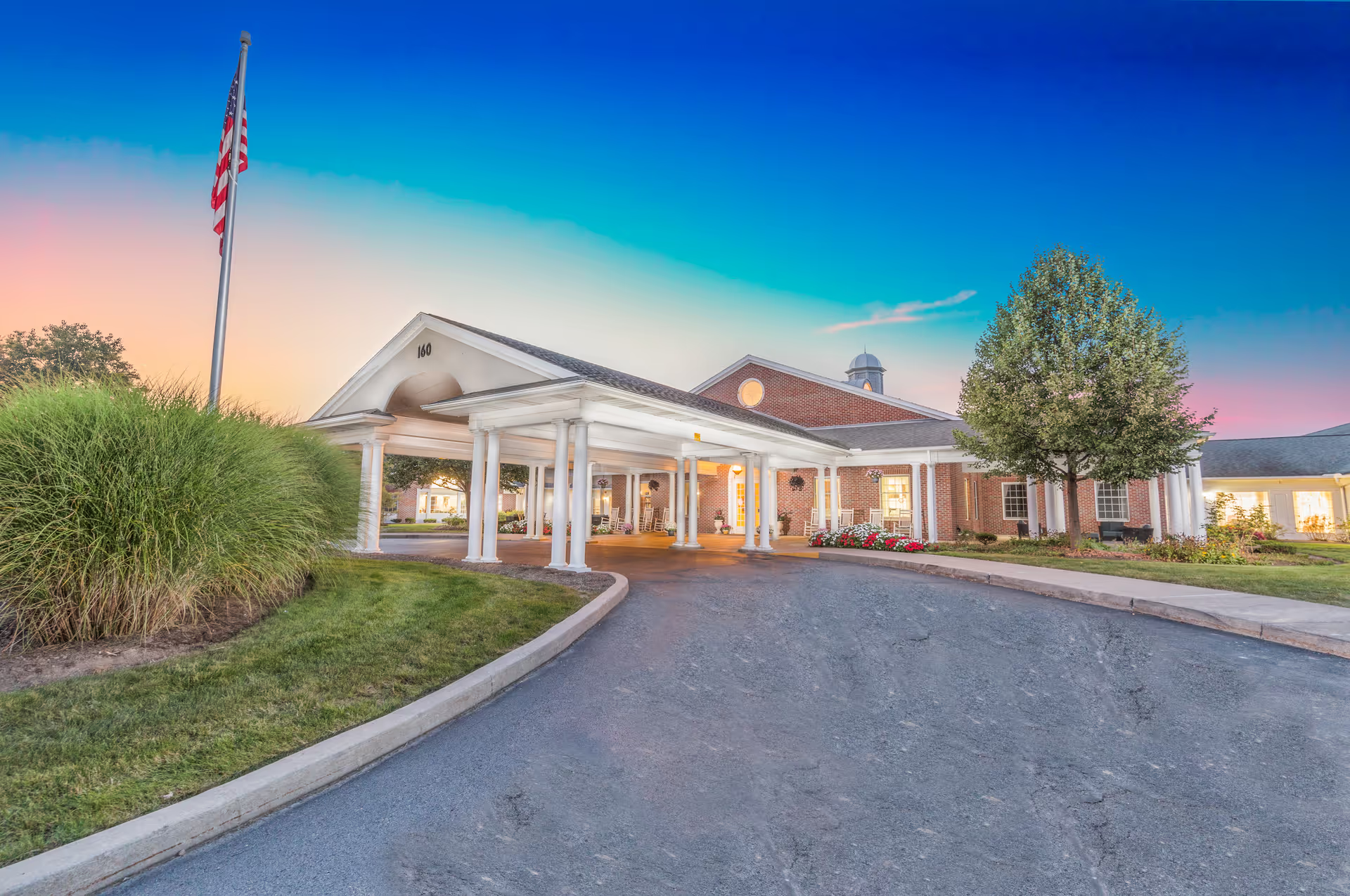
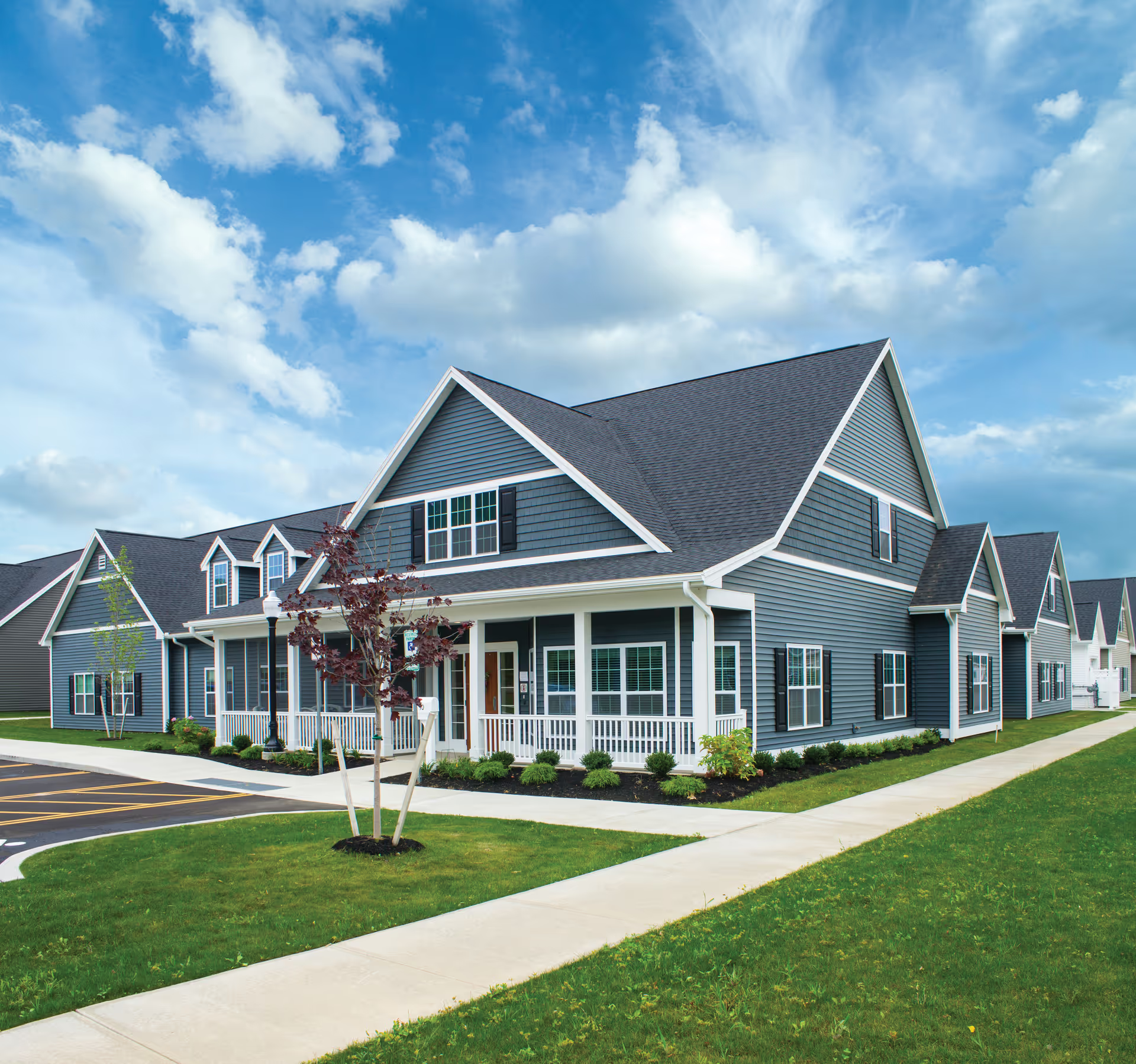
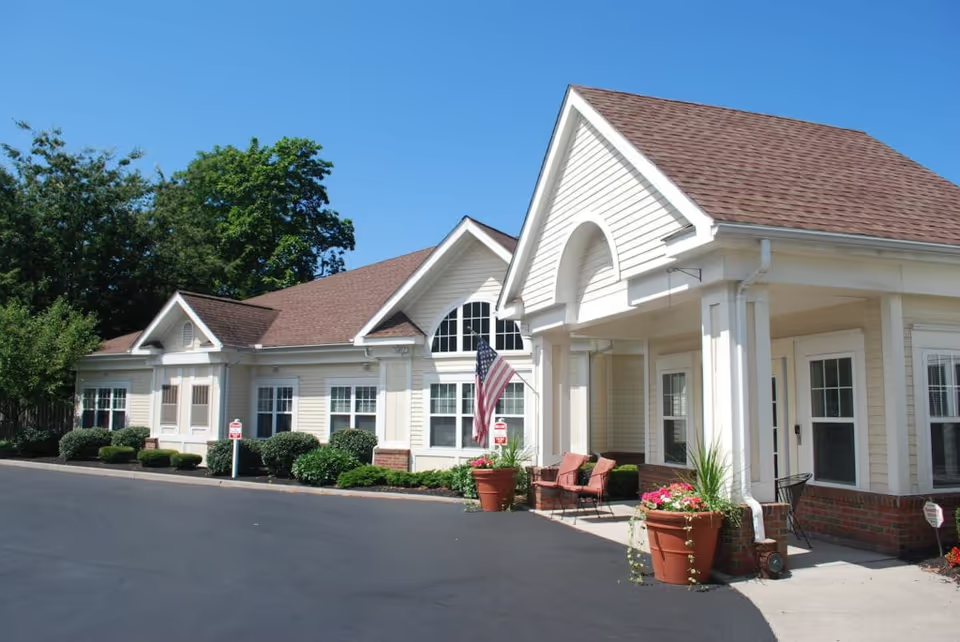
Facilities and apartments are described as comfortable and varied: updated units with new flooring, appliances, fireplaces, balconies, and abundant natural light are commonly praised. Common spaces such as the library, cafe, chapel, salons, and multiple gathering rooms contribute to a hotel-like, homey atmosphere. However, reviewers also point to aging infrastructure in sections of the property and to layout- and privacy-related issues in particular units. Grounds and landscaping are generally well kept, but there are operational concerns tied to exterior tree maintenance and pest-control that have affected some residents’ experience.
Care and clinical capacity align with an independent-living model: on-site medical visits occur, but the community lacks continuous nursing-level services and is not configured to provide 24/7 skilled care. Families frequently arrange external home-health aides when higher-acuity assistance or medication administration is required. Several reviewers raised concerns about the facility’s capacity to administer medications consistently, which indicates an operational mismatch for residents who need reliable clinical support.
Management and operations show mixed patterns. While many residents praise individual managers and front-desk staff for being responsive and resident-focused, other comments describe turnover in leadership, communication gaps, service reductions, and noticeable rent increases that have affected perceptions of value. These management dynamics also appear linked to variability in maintenance, housekeeping, and some service areas over time.
Overall impression: the community is well suited to active, self-sufficient older adults seeking strong social programming, friendly staff, attractive dining, and a variety of apartment choices. Prospective residents and families should weigh those strengths against the facility’s limited on-site clinical services, occasional operational inconsistencies (maintenance, housekeeping, dining quality), and potential affordability concerns. For individuals requiring around-the-clock nursing, dependable in-house medication administration, or sustained high-acuity care, alternative settings with dedicated clinical staff would be more appropriate. For independent-living residents seeking social engagement and a community-oriented environment, the facility receives substantial positive endorsement for staff warmth and programmatic offerings.