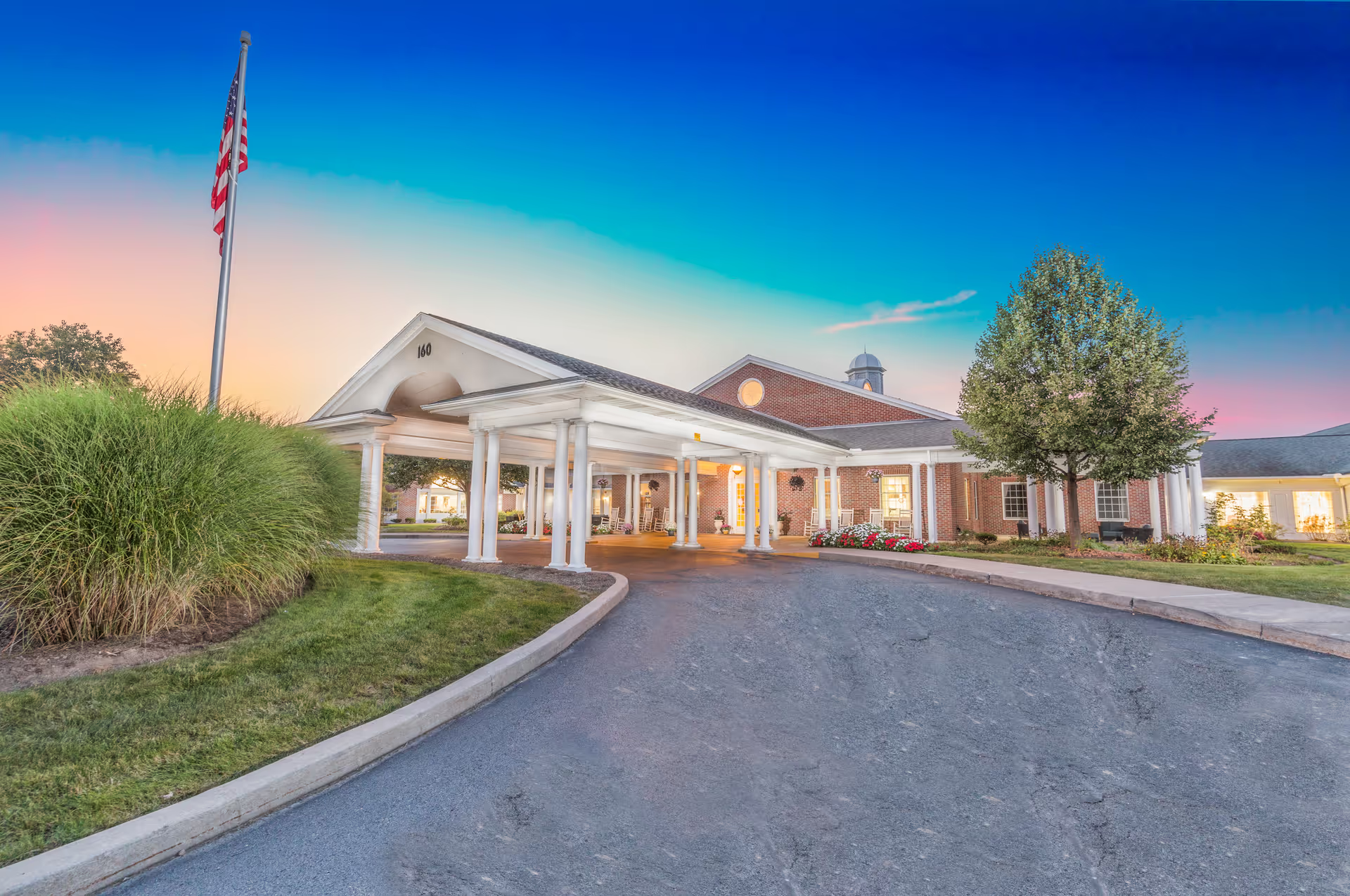
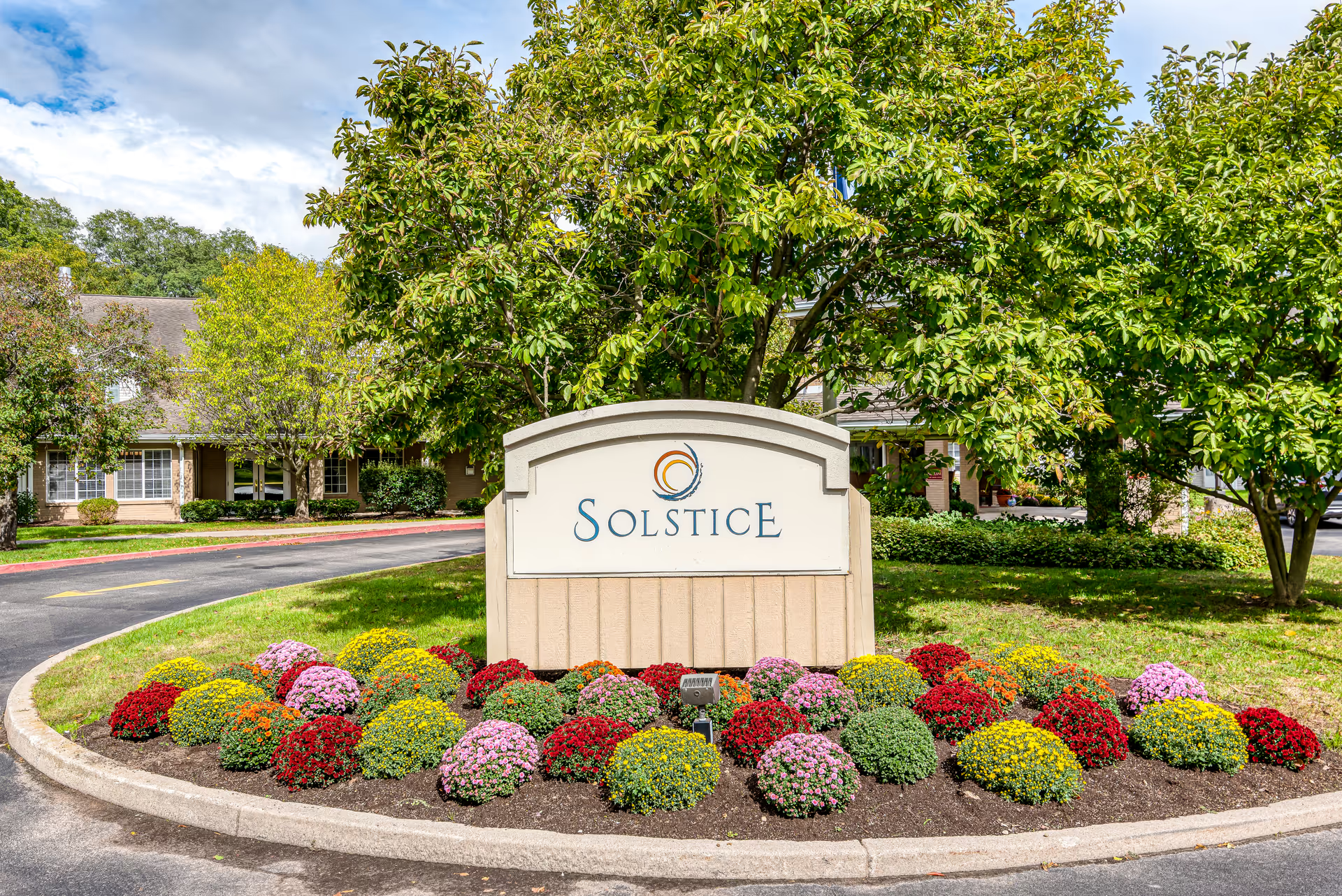
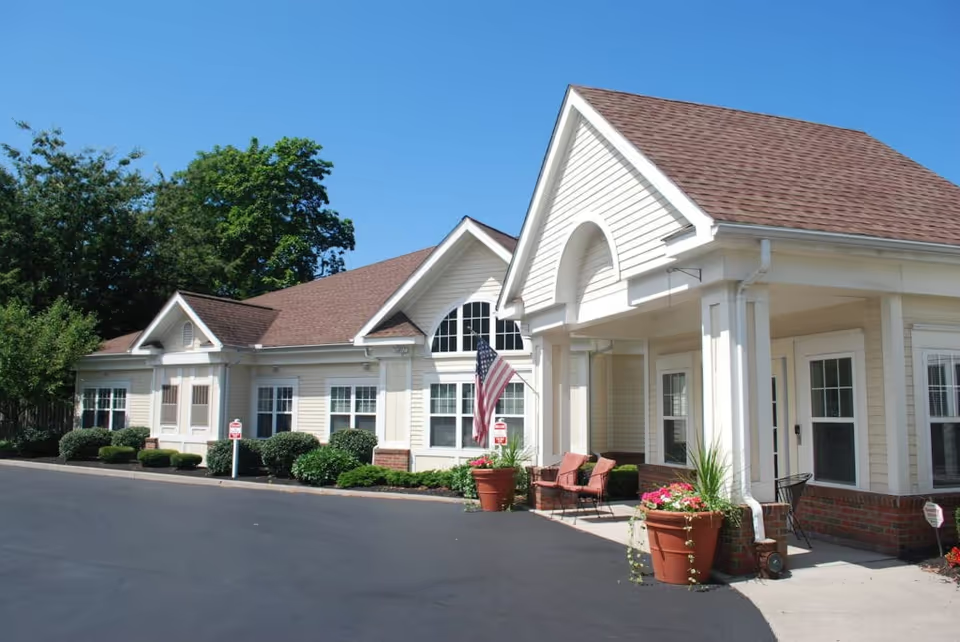
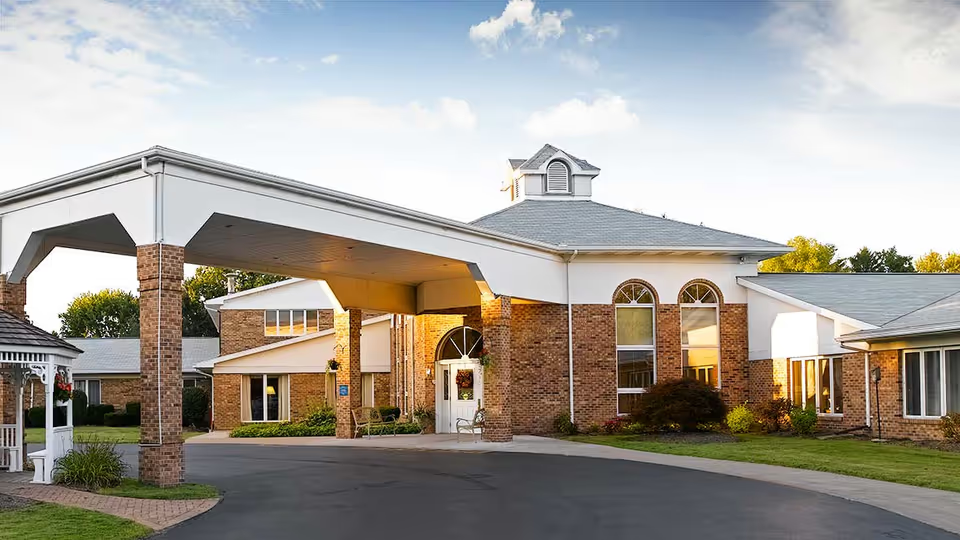
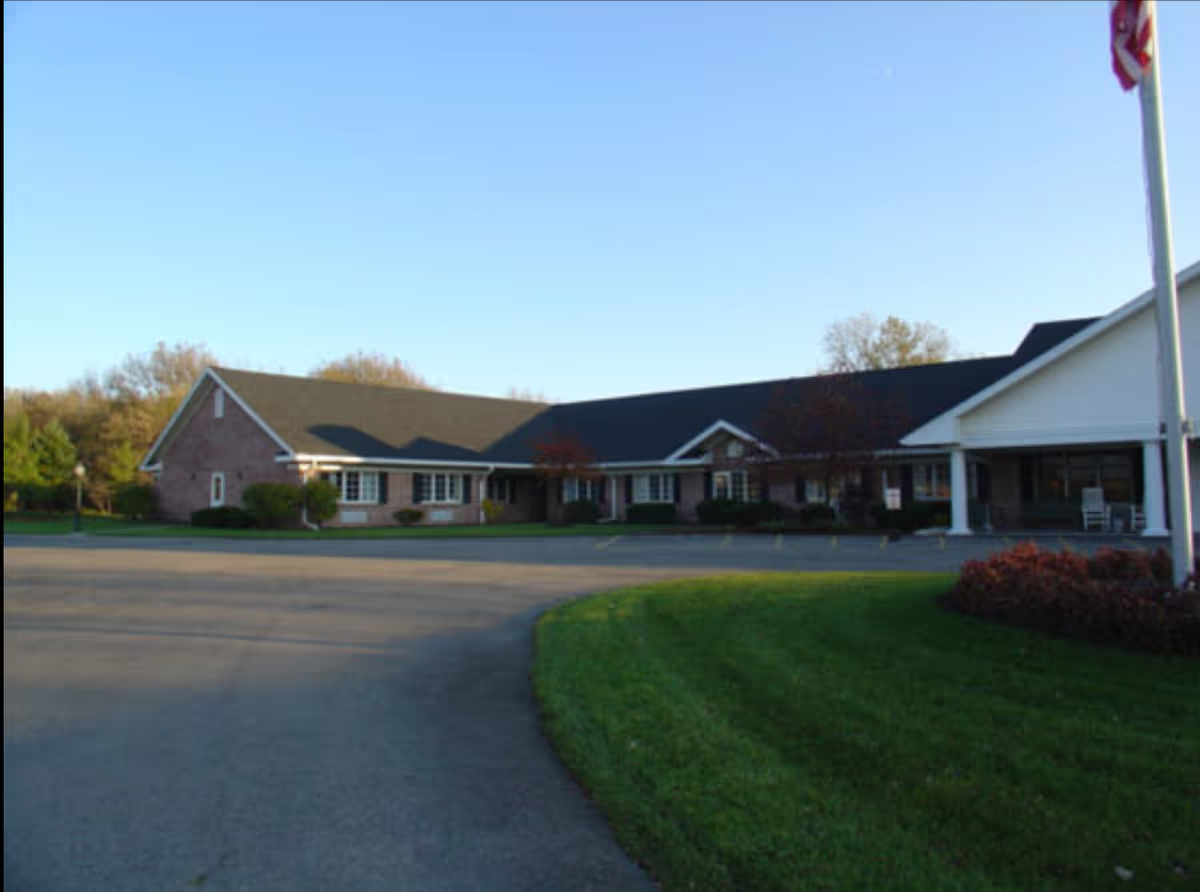
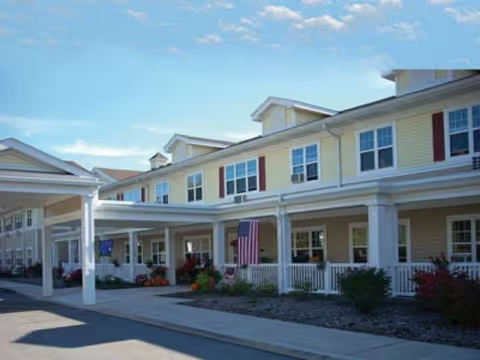
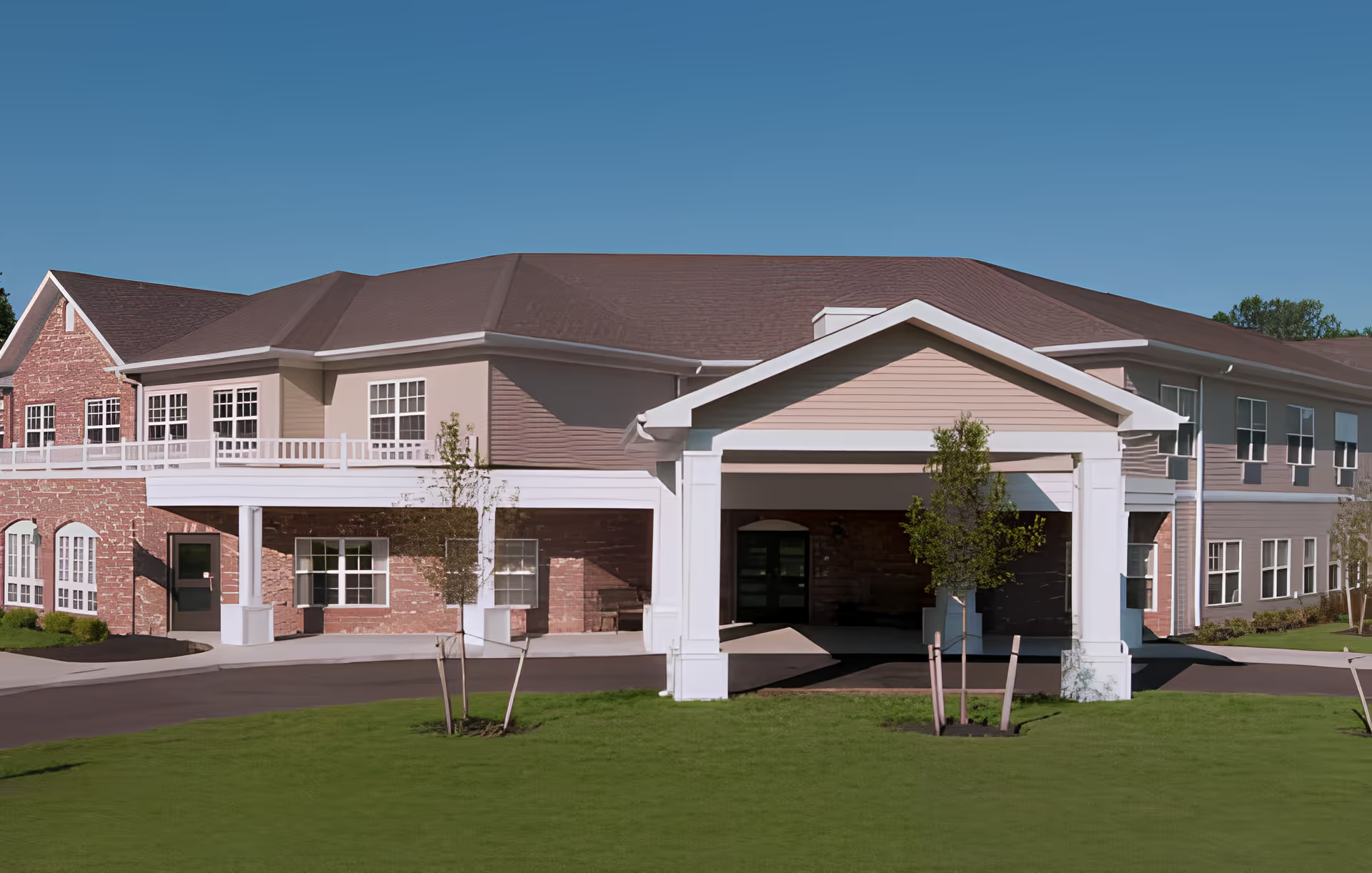
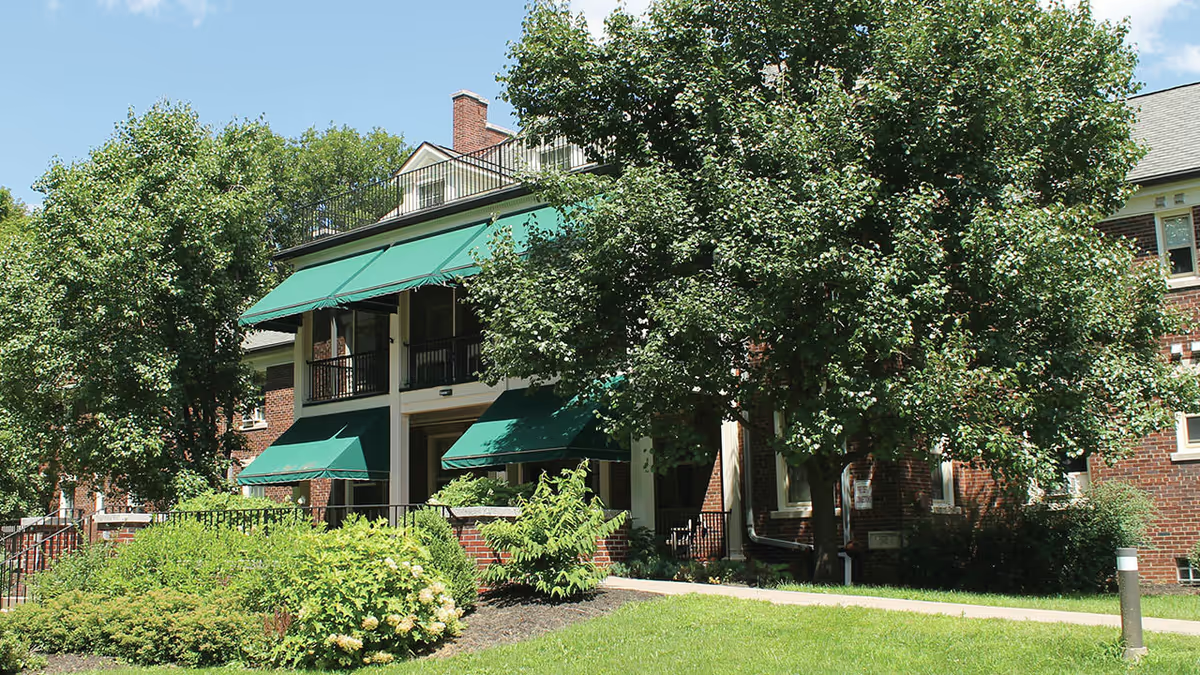
Reviewer feedback describes a facility with a clear strength at the frontline level: caregiving staff are consistently characterized as compassionate, responsive, and team-oriented. Families highlight a family-style atmosphere, coordinated teamwork among staff, and individual caregivers who create a reassuring day-to-day experience. Several comments emphasize meaningful programming—gardening, outdoor patio access, and other activities—plus comfortable physical accommodations such as bright rooms with in-room showers and accessible outdoor space.
Dining and accommodations receive positive mention. Multiple reviewers praise the meals and the opportunity for family visits at breakfast and dinner. The facility’s physical environment is described as well-maintained and light-filled, and operationally it is licensed and accepts Medicaid; reviewers also note assistance or priority support for transitions to higher-level nursing care when needed.
At the same time, there are substantive operational concerns that families should weigh. The pattern in the feedback is not about isolated friendliness of staff but about administrative and care-continuity issues: commitments made at admission that were not consistently honored, constraints on bed availability and placement that complicated transfers, and limited flexibility in visitation during infection-control events. Several comments point to difficulties managing complex clinical situations—most notably dementia care transitions—and to perceived shortfalls in timely clinical incident responses and family communication during acute events.
The overall impression is of a facility where direct-care staff perform strongly and many residents and families experience high-quality day-to-day interactions, while systemic management and policy issues have produced significant stress for some families, particularly during care transitions or acute clinical events. Prospective residents and their families seeking placement might find the environment, activities, and food appealing, but would be prudent to clarify admission promises, care-transition protocols (especially for dementia care), emergency/transfer procedures, bed-availability policies, and visitation rules before committing. Requesting written care guarantees, escalation contacts, and recent examples of handling clinical incidents can help assess whether the facility’s administrative practices align with family expectations.