Overall impression: Reviews of Rosewood Nursing and Rehabilitation Center are polarized. Many families and former residents praise the rehabilitation services, therapy teams, activities program, and supportive CNAs; at the same time a substantial set of concerns centers on clinical oversight, responsiveness, facility maintenance, and administrative follow-through. Prospective residents and families should weigh the facility’s strong therapy capabilities against recurrent operational weaknesses described by reviewers.
Care quality and clinical concerns: Therapy (OT/PT) and short-term rehabilitation are consistently cited as strengths, with multiple accounts of personalized programs and measurable functional improvement. Conversely, several reviewers raised serious concerns about delayed clinical assessment and recognition of infection (for example urinary and respiratory infections), delayed or inconsistent wound management, and medication-administration problems. These clinical issues were sometimes associated with hospital transfers and, in isolated but serious accounts, adverse outcomes. The pattern suggests variability in nursing assessment and medical oversight: where clinical coordination is strong, outcomes tended to be positive; where it is weak, families reported escalation to hospital care.
Staff and communication: Staffing experiences are mixed. Many reviewers describe CNAs, aides, and therapists as attentive, compassionate, and effective; admissions and front-desk staff also receive frequent praise. At the same time, reviewers cite high turnover, perceived understaffing, slow or inconsistent call‑bell response, and variable communication tone from some nursing staff and managers. Leadership consistency is a recurring theme: some named administrators and directors were praised for responsiveness, while other accounts describe unresponsiveness and poor complaint follow-up. Families should expect variable experiences by unit and shift and plan for active advocacy and frequent communication.
Dining and activities: Activity programming and meal-time socialization are commonly reported positives — activities staff are described as engaging and meals provide social opportunities. However, food quality and meal timing are also frequent complaints: reviewers mention late meals, inconsistency with dietary needs, and unappealing preparation in some instances. Activities appear to be a consistent strength, and families seeking active social programming will likely find those services robust.
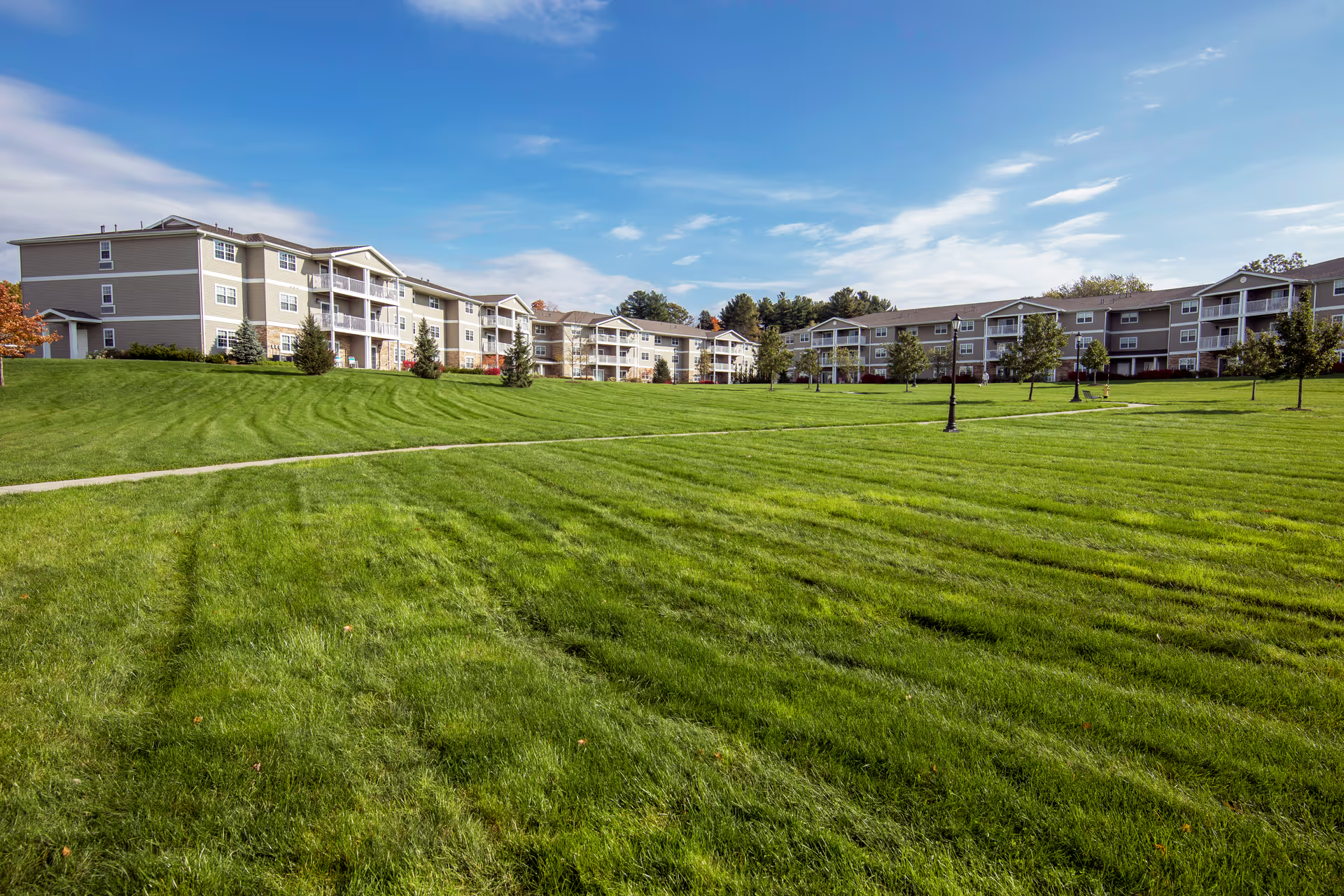
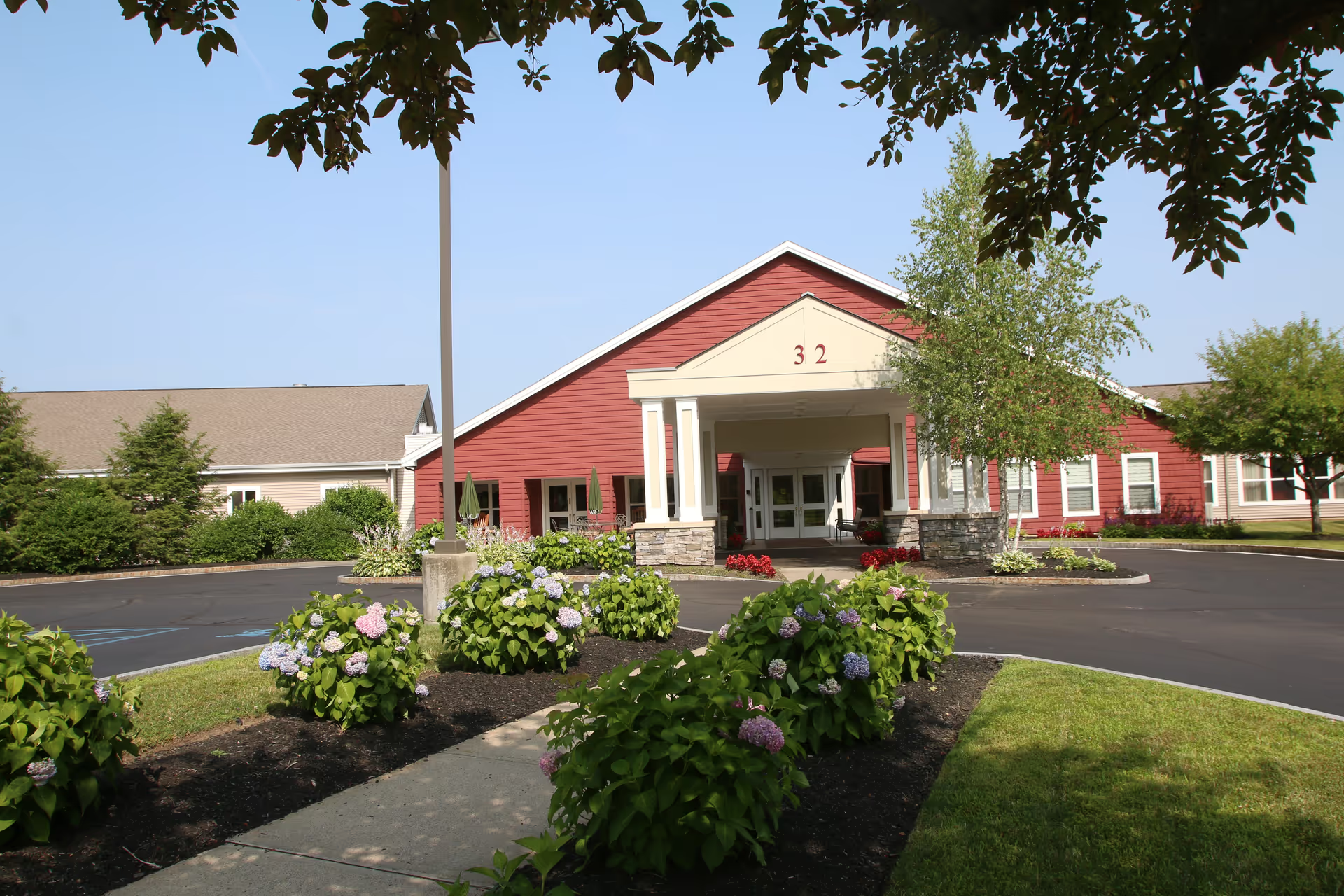
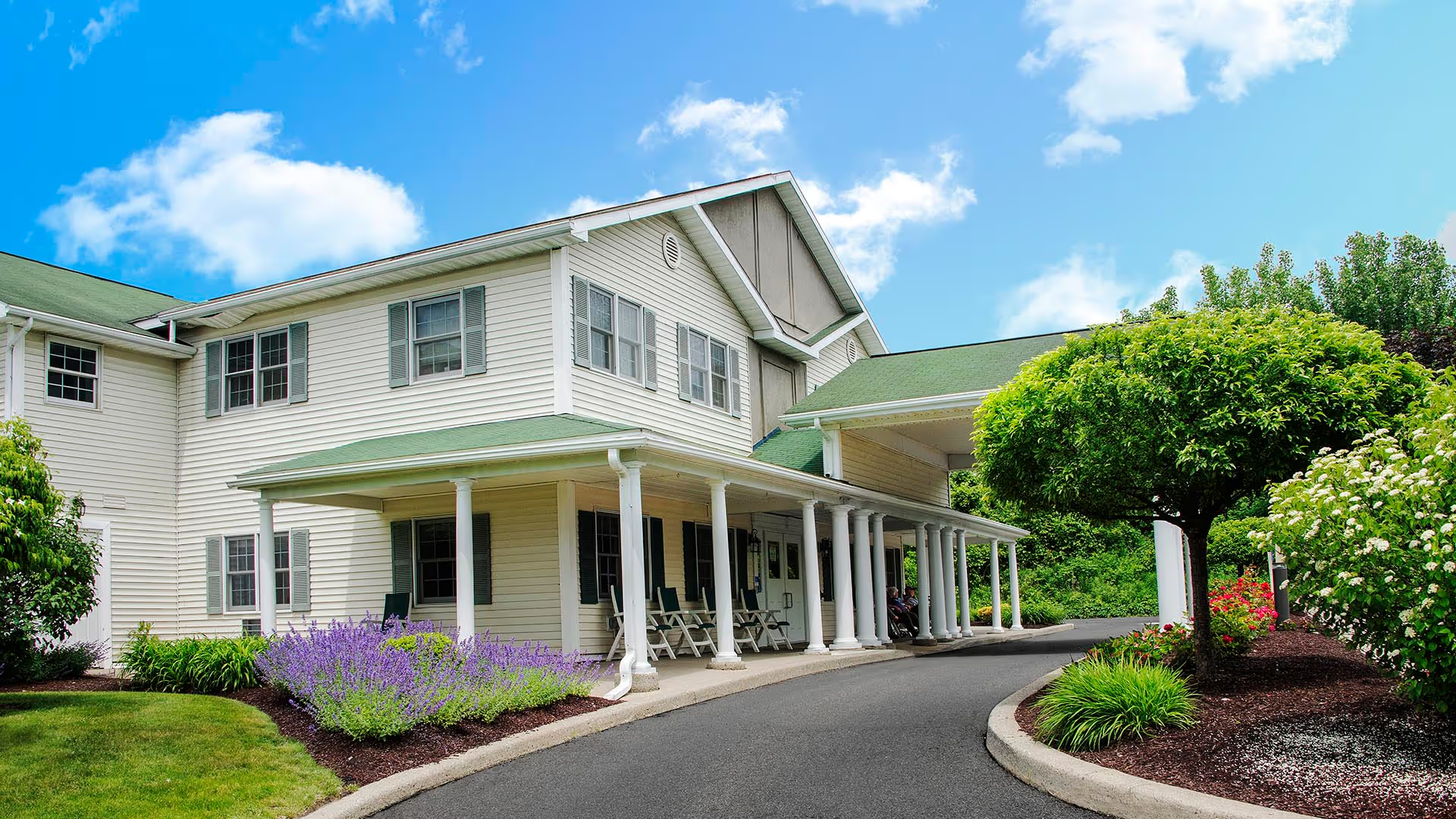
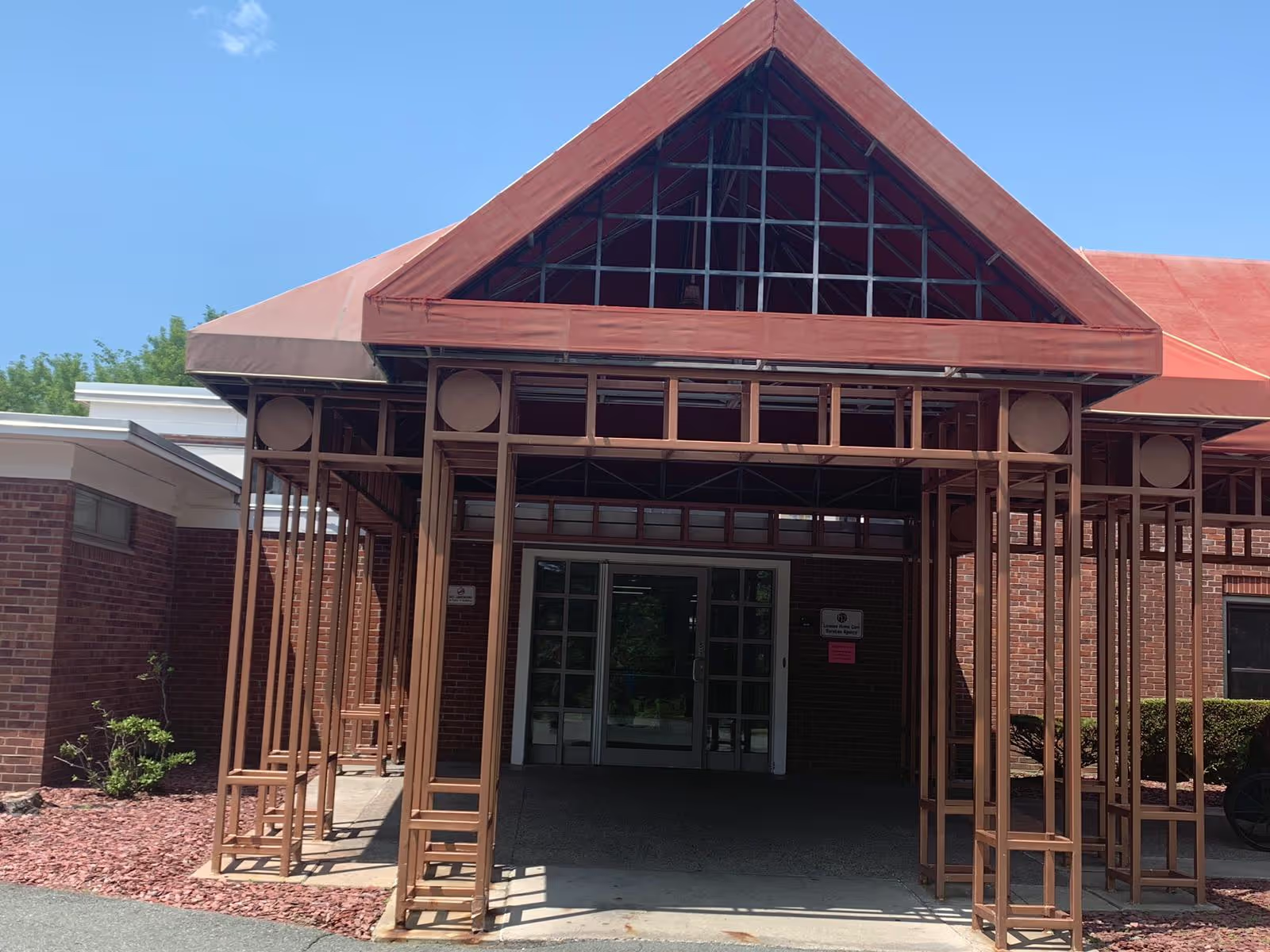
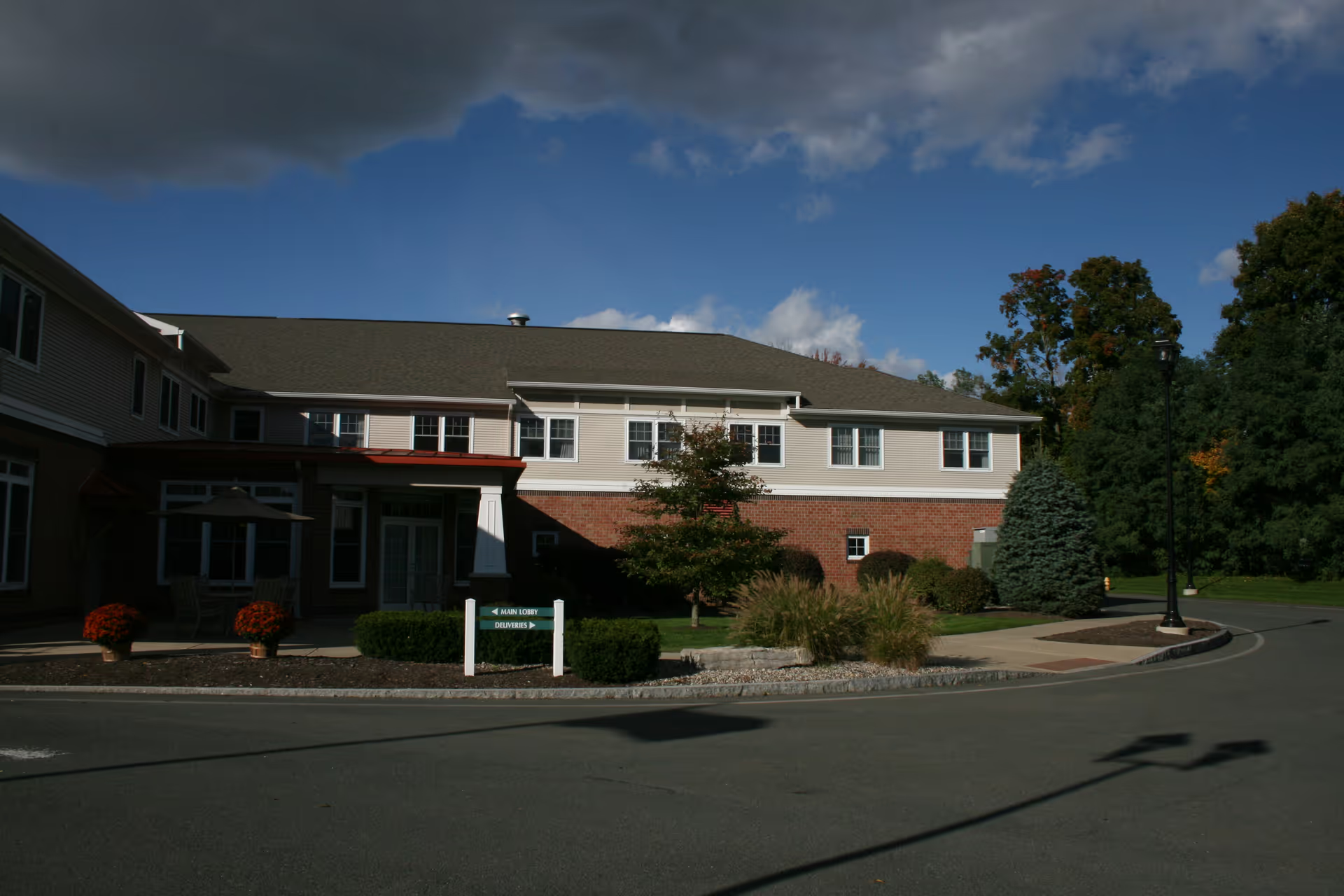
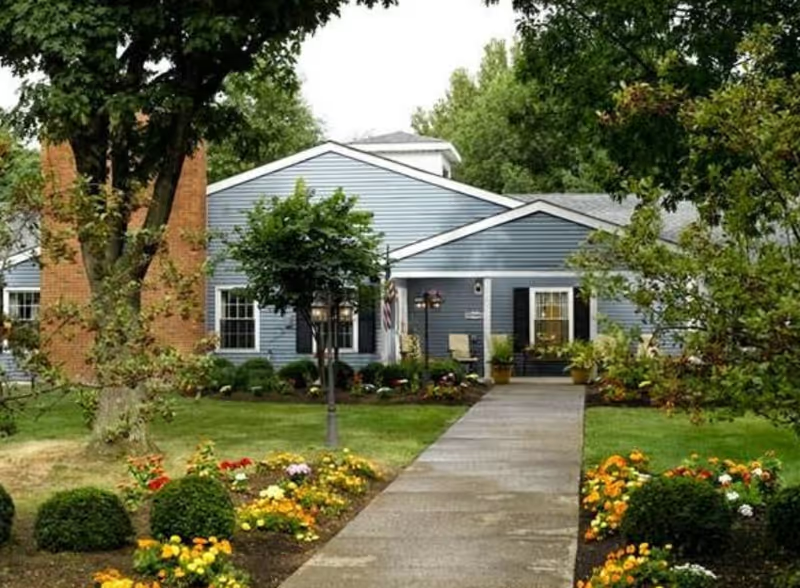
Facilities and maintenance: Physical conditions are described as inconsistent across the building. Several reviews note dated rooms, HVAC and odor concerns, and maintenance issues (broken fixtures, worn flooring), while other areas are characterized as clean and comfortable, including private short-term rehab rooms and renovated spaces. Housekeeping frequency and linen/change schedules were raised as concerns in multiple accounts, and reviewers advised inspecting specific units during a tour to assess cleanliness and condition.
Management, safety, and administrative issues: Administrative inconsistencies appear in billing practices, post-discharge collections, and responses to family complaints. Security and property concerns, including allegations of missing personal items or theft, were mentioned and should prompt families to confirm the facility’s personal-property and security policies. Reviewers also reported variability in incident response (delays in transfers to acute care, inconsistent documentation, and delayed family notification). These operational areas are important risk factors to review with facility leadership before admission.
Notable patterns and recommendations: The most consistent positive thread is strong rehabilitative care and engaged therapy teams; the most consistent negatives relate to nursing responsiveness, clinical assessment variability, and facility upkeep. Given the mixed feedback, families considering Rosewood should (1) tour the specific unit the resident will occupy, (2) review staffing levels and on‑call clinician arrangements, (3) ask about wound care and infection‑management protocols, (4) clarify meal service and dietary accommodations, (5) review billing practices and personal-property safeguards, and (6) establish a communication plan with the unit manager or social worker. These steps can help anticipate variability and support safer, better-coordinated care if choosing this facility.