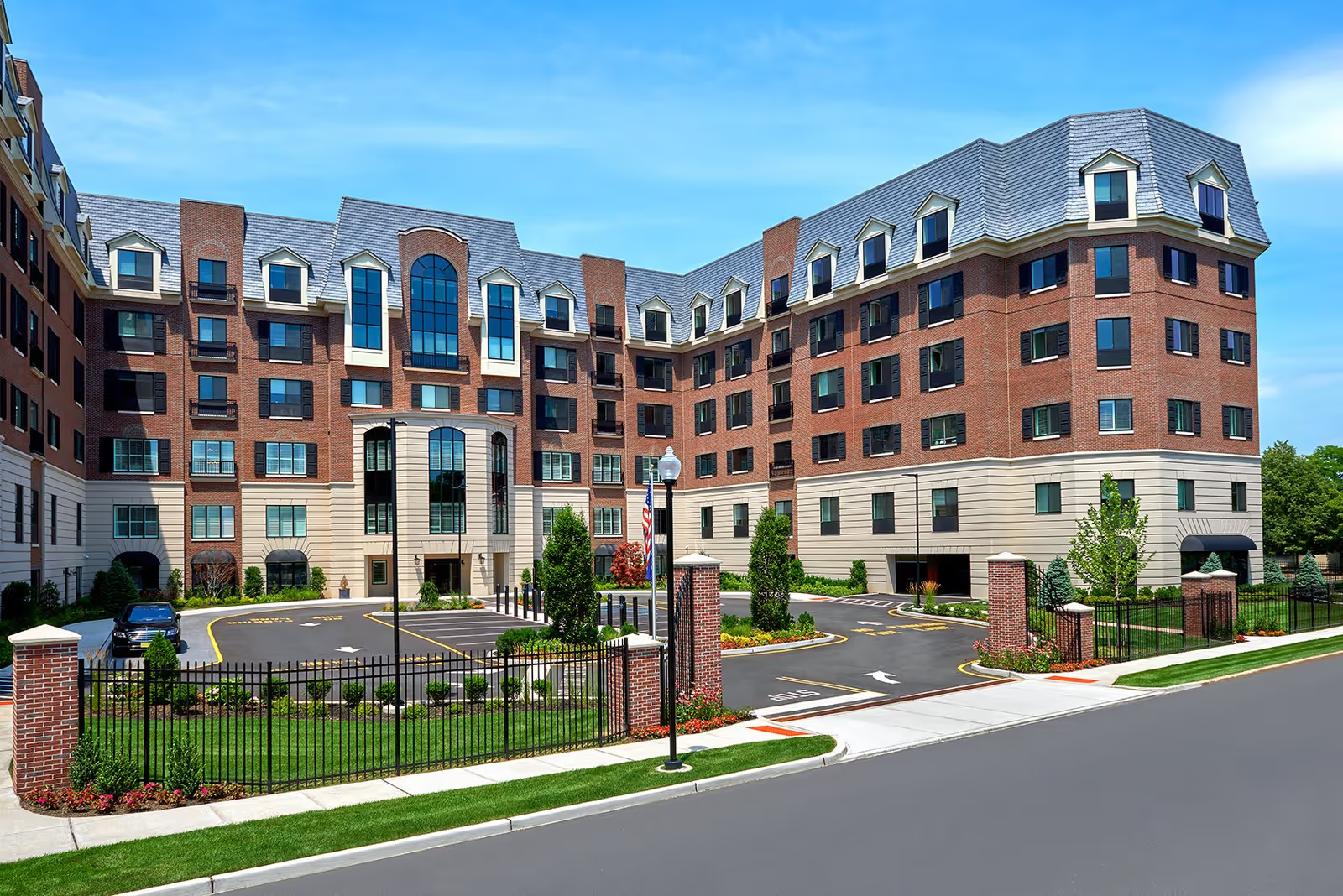
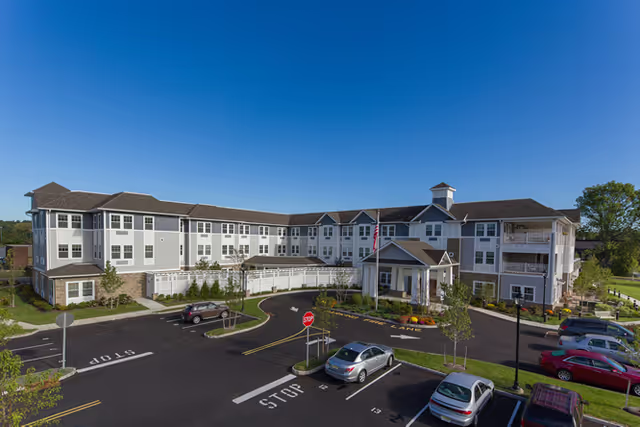
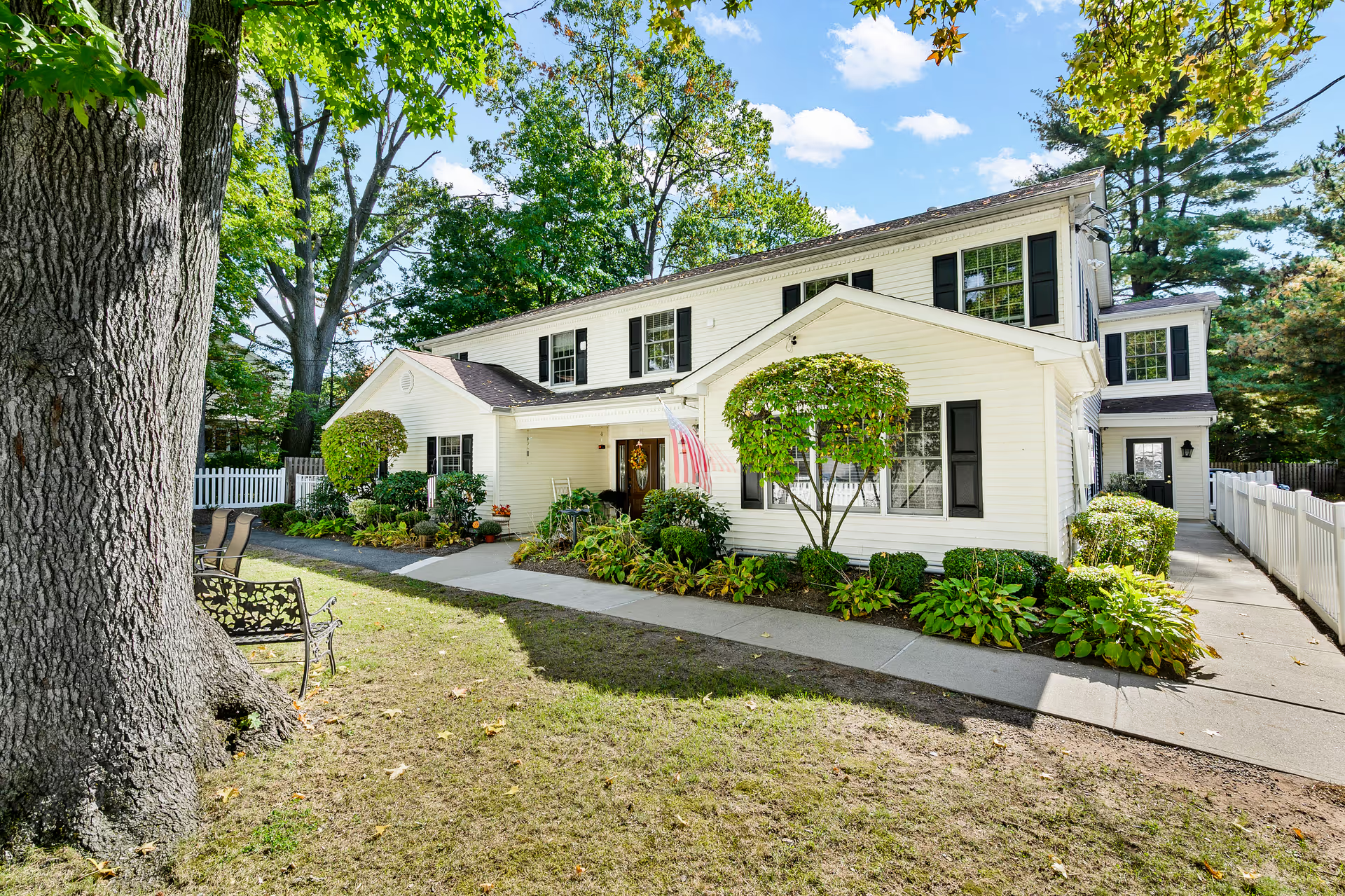
Atria Riverdale elicits strongly mixed—but consistent in theme—feedback. Strengths cited across reviews include a robust Engage Life program, frequent cultural and musical events, and a visible social community with many residents forming friendships. The setting and physical plant are frequently praised: the building is described as renovated, clean, and attractive, with useful amenity spaces such as a media/theater room, salon, patio/garden areas, and restaurant-style dining rooms. The community provides a range of apartment types and supports Jewish life with kosher dining options and observance accommodations.
Staff and direct care are frequently highlighted as a major strength. Many reviewers single out compassionate, attentive aides, engaged activities staff, and helpful front-desk and admissions personnel. On-site clinical resources (24/7 nurse coverage, visiting physician, wellness staff and in-house rehabilitation) are perceived as valuable by numerous families. At the same time, accounts indicate variability: staffing shortages, high turnover, and weekend gaps can affect timeliness of assistance, medication scheduling, and supervision. The memory-care unit is noted as a focused, locked floor with many positive attributes, but a limited number of serious clinical concerns were also described; these underline the importance of confirming staff ratios, clinical protocols, and family communication expectations before move-in.
Dining and food service at Atria Riverdale are described in both strongly positive and critical terms. Many residents enjoy restaurant-style meals, varied menus, and kosher offerings, while others report inconsistent meal quality, temperature issues, and intermittent shortages of staple items. Dining service logistics—speed of service, table setup timing, and meal-delivery fees—are recurring operational concerns. Prospective families should clarify current kitchen leadership, dietary accommodation policies, meal-delivery practices, and any extra fees for in-apartment dining or medication handling.
Operational and management patterns emerge as a distinct theme. Several reviewers report management turnover and inconsistent responsiveness to family concerns, along with billing errors, promotional-credit issues, and unclear extra charges. Infection-control approaches and pandemic-era policies were described as inconsistent at times. Housekeeping and laundry services receive both praise and criticism: when functioning well they are a strong convenience, but lapses such as delayed laundry, misplaced items, or inconsistent room cleaning have been described. There are also mentions of pest-control and odor concerns in specific areas, which prospective visitors should observe on an in-person tour.
Safety and clinical governance are areas to explore in depth. Reviews describe both proactive care checks and concerning delays in supervision after falls or during acute needs. Medication administration processes are cited as uneven in practice in a subset of accounts, and there are recurring mentions of extra fees for medication-management services. Transportation scheduling and weekend staffing for activities and clinical coverage are other operational points of variability.
Overall, Atria Riverdale offers many of the amenities, social programming, and Jewish-life supports that prospective residents and families may seek, and many reviewers report very positive day-to-day experiences with direct-care staff and activities. However, variability in dining, housekeeping, staffing levels, medication handling, and management responsiveness also recurs across reviews. For families considering Atria Riverdale, recommended due diligence includes: observing mealtime service and the dining room, touring a memory-care floor if relevant, asking for current staffing ratios and turnover metrics, requesting written policies on medication management and aide assistance, verifying billing practices and any extra fees, and checking recent infection-control procedures. These targeted questions will help determine whether the community’s strengths align with a specific resident’s clinical needs and lifestyle preferences.