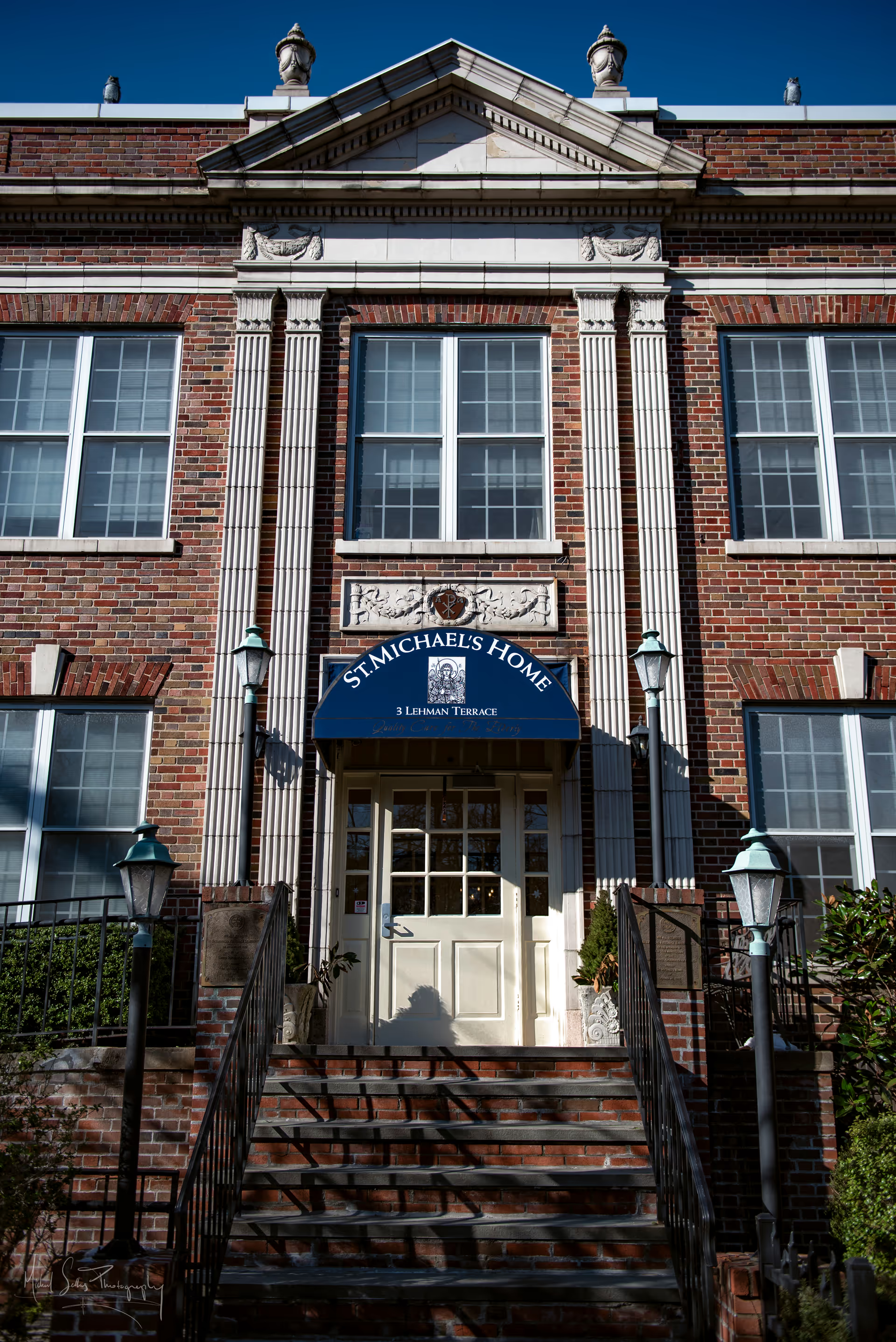
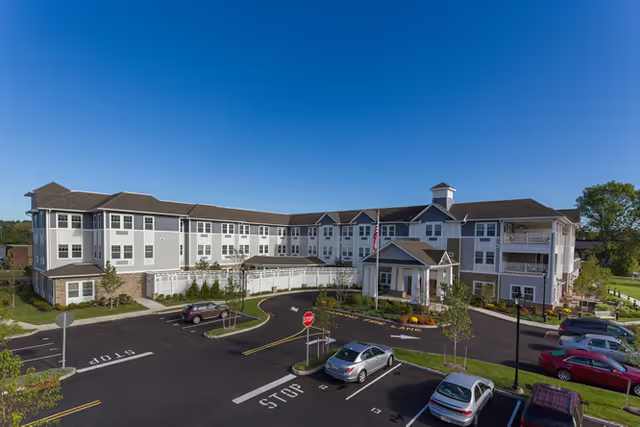
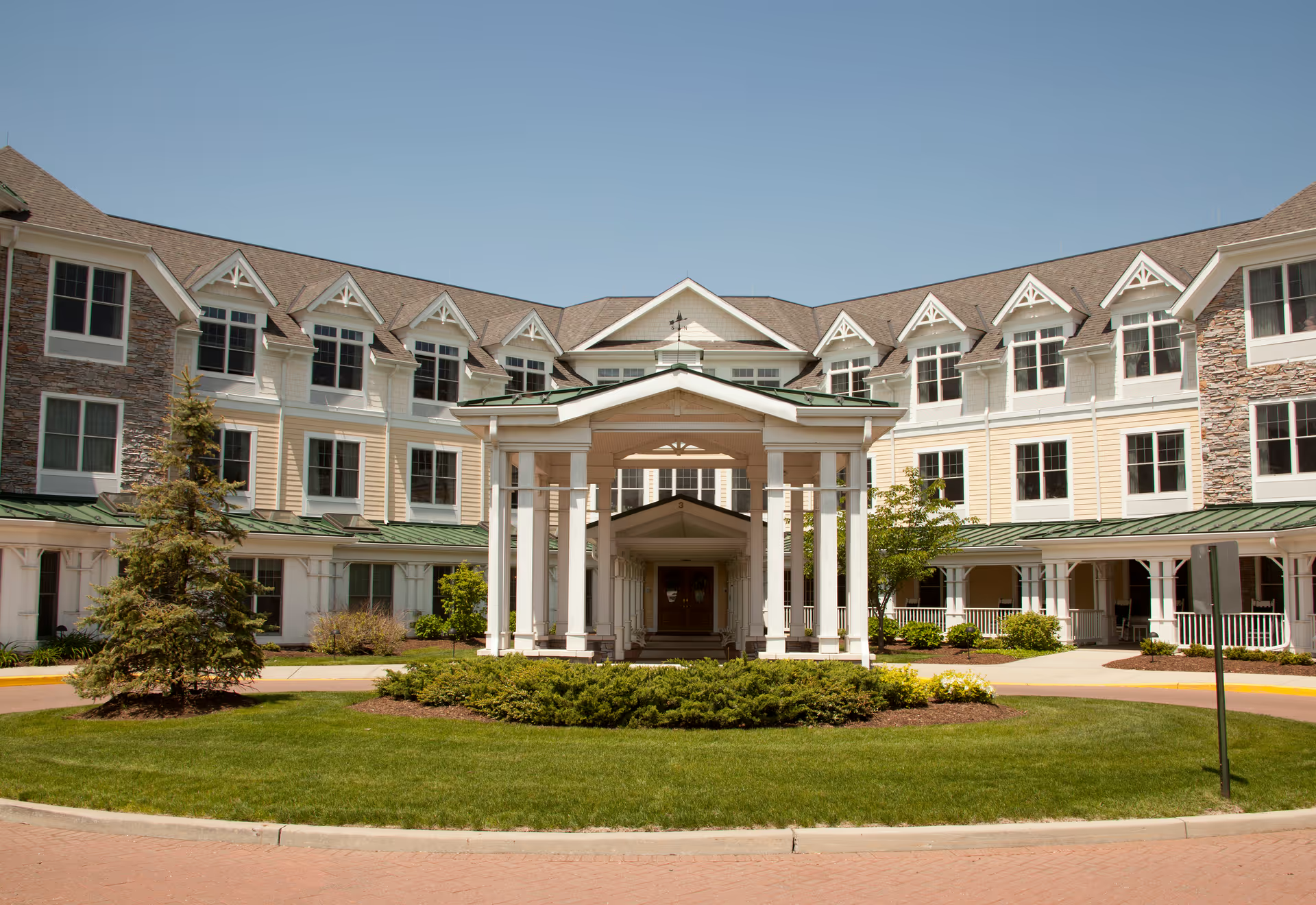
Reviews of Park Gardens Rehabilitation & Nursing Center are highly mixed, with clear clusters of strong praise alongside substantive operational concerns. Many families and residents emphasize compassionate direct care, effective therapy, and proactive social-work support; others describe problems with cleanliness, communication, staffing, and certain safety- and documentation-related practices. This results in a polarized overall impression: the facility demonstrates clear strengths in interpersonal care and therapy services, while also showing recurring operational weaknesses that prospective residents should evaluate closely.
Care and staff: Numerous accounts highlight caring nurses, attentive aides, and a supportive social worker who keeps families informed. Physical and occupational therapy receive consistently favorable comments; the activities director and programming are frequently described as engaging and beneficial to residents' well-being. At the same time, other accounts raise concerns about inconsistent staff professionalism, tone in staff–resident interactions, and variable availability of registered nurses. Staffing shortages and limited RN coverage were cited as a contributor to delays in attention and uneven care continuity.
Dining and activities: The facility's kitchen is noted for accommodating special dietary requests, and several reviewers appreciated the activity offerings and social programming. However, food quality and the reliability of meal delivery are inconsistent across accounts, with some families describing interruptions to meal service and dissatisfaction with menu quality. Activities appear to be a relative strength and a consistent source of resident engagement.
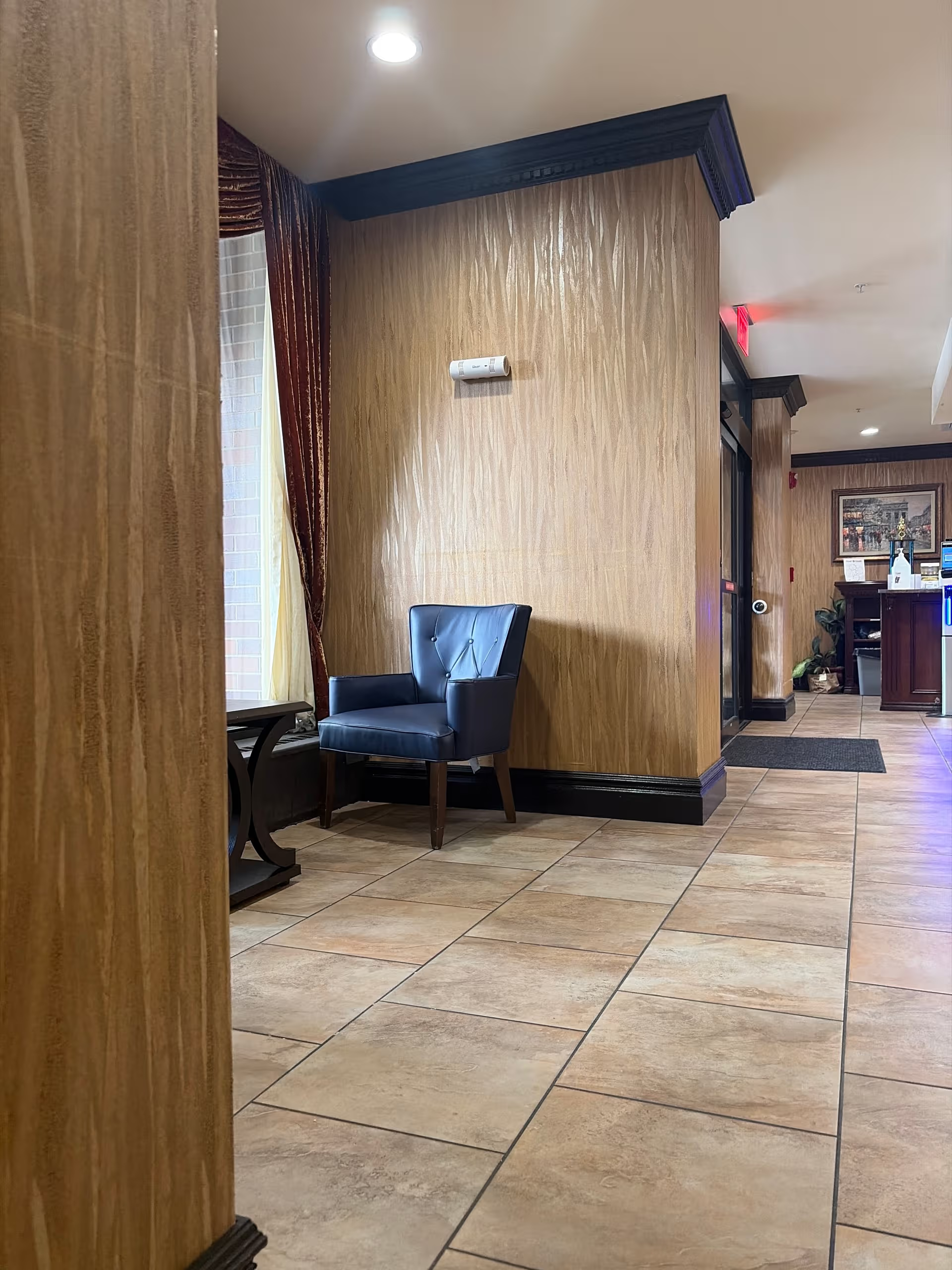
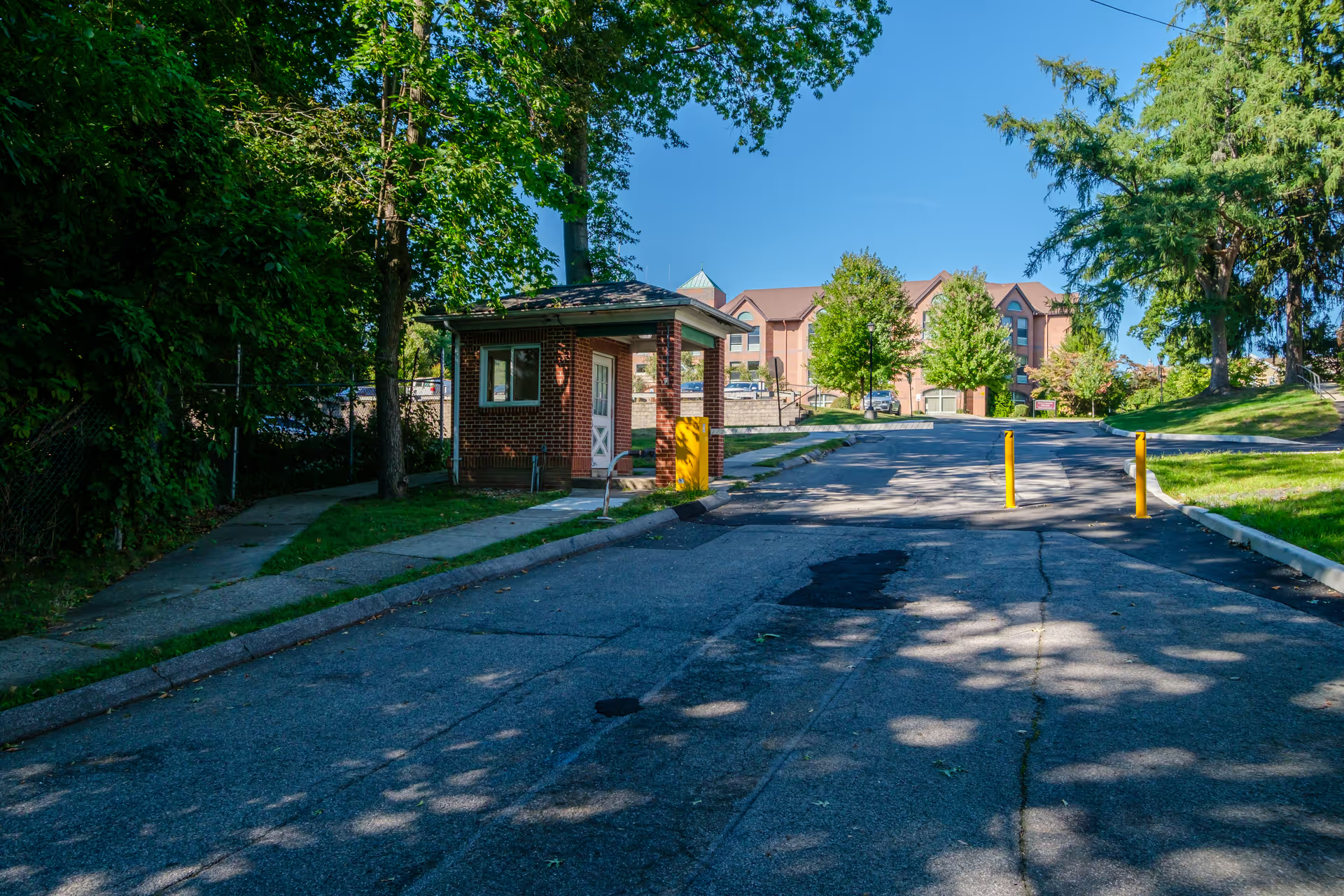
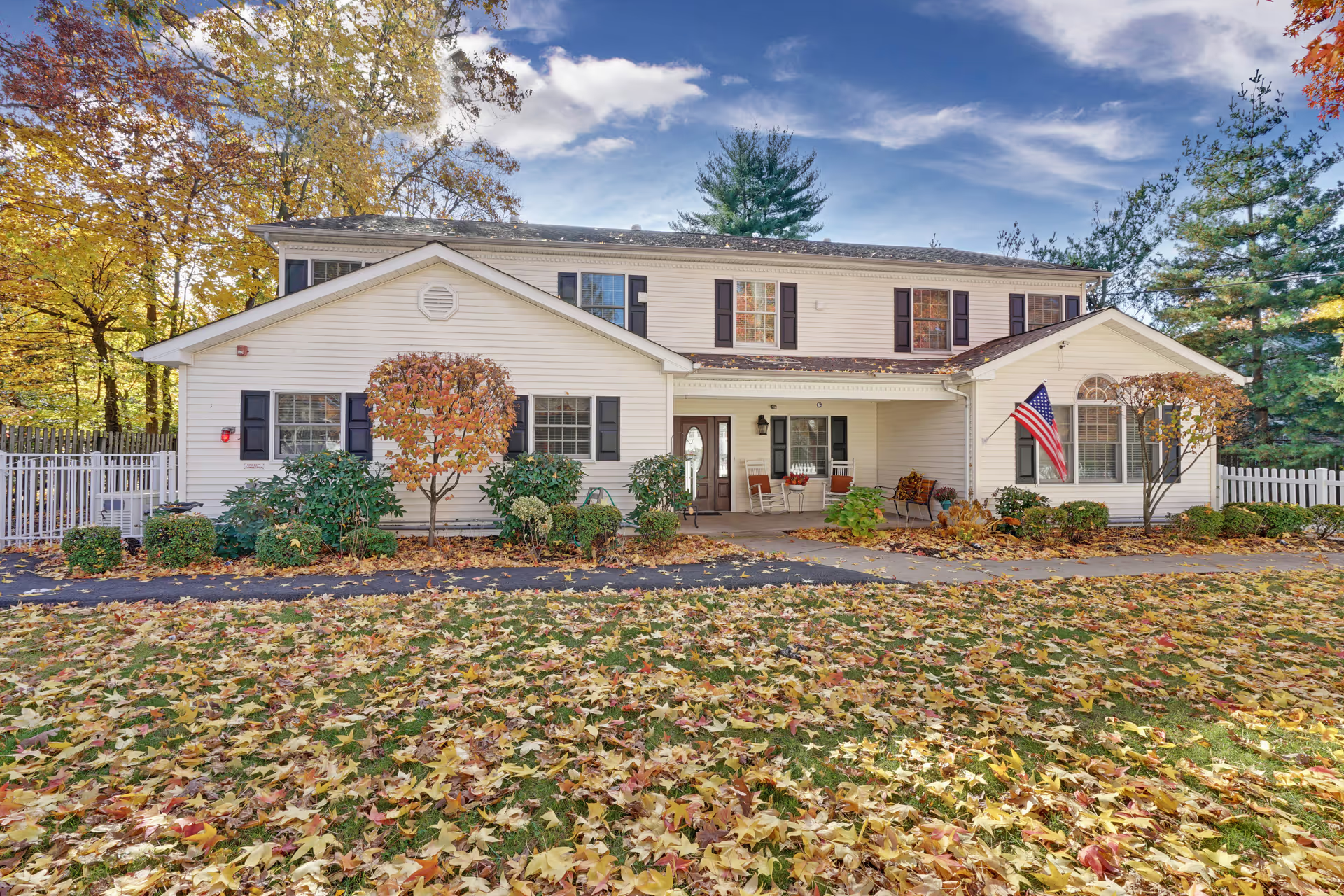
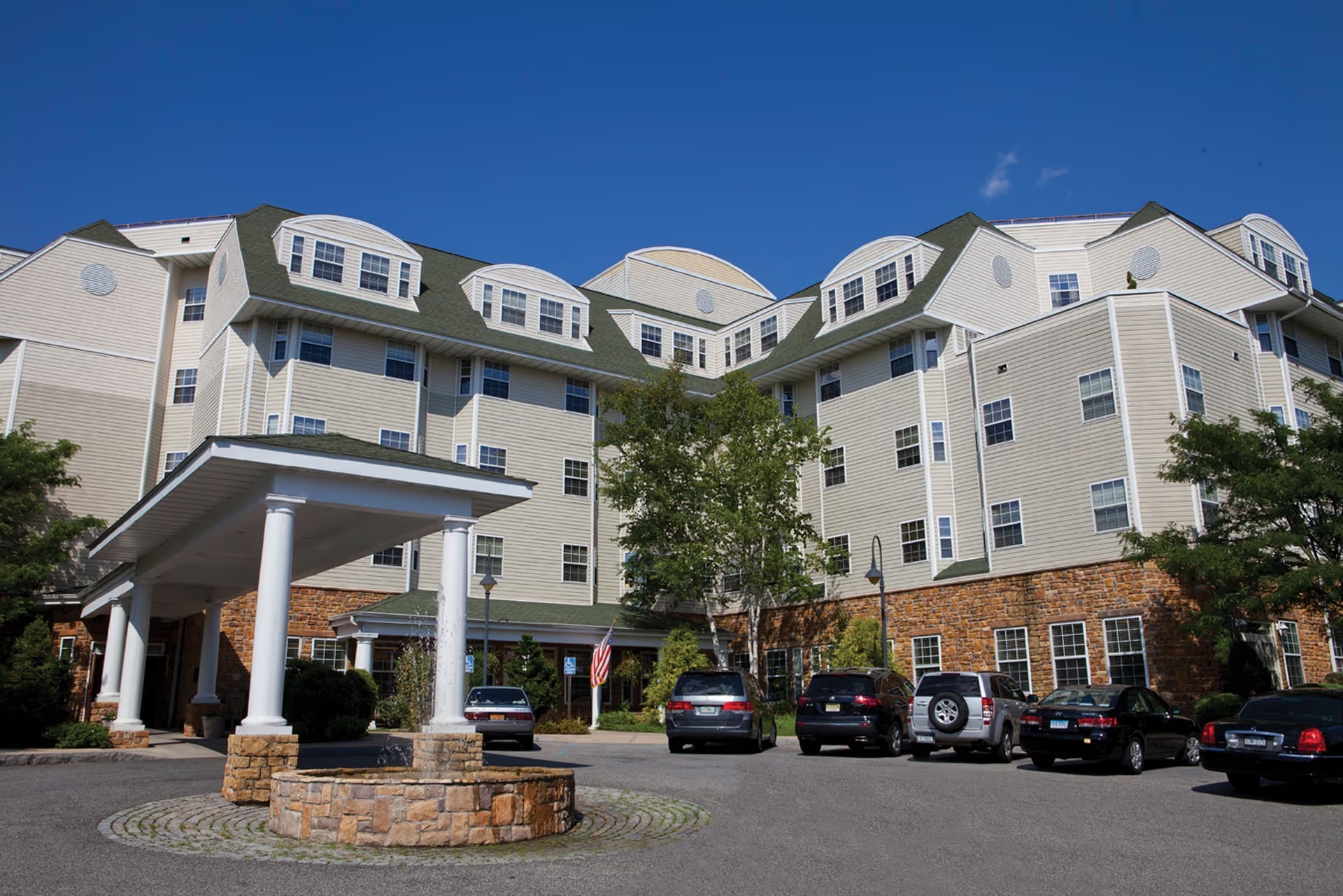
Facilities and cleanliness: Assessments of the physical environment diverge. Some reviewers describe the facility as clean and well maintained, while others raise sanitation concerns and odor issues in common areas. Overcrowding and room-capacity constraints are mentioned, with implications for privacy and hallway occupancy. Prospective residents should inspect both resident rooms and communal spaces to assess current housekeeping and rooming arrangements.
Management and communication: Communication experiences vary widely. Several families praise proactive updates and accessible staff; others report difficulty reaching management by phone, calls being placed on hold or disconnected, and unclear points of contact. There are also mentions of restrictive leave and contact policies that complicate family access to residents. A subset of reviewers raised more serious concerns — including questions about documentation, notification after clinical incidents, and equitable treatment — which warrant direct inquiry during a visit.
Notable patterns and recommendations: The dominant positive pattern is strong interpersonal care from many frontline staff and effective therapy and activity programming. The dominant negative patterns involve inconsistent environmental cleanliness, staffing stability and RN coverage, communication and administrative accessibility, and some gaps in incident documentation and night responsiveness. Given the mixed experiences, families should schedule an in-person tour, ask about current staffing ratios and RN coverage, review sanitation and infection-control protocols, test the night-call system, inquire about medication-management and incident-notification processes, and confirm leave/visitation policies and kitchen accommodations. These targeted questions will help determine whether the facility’s strengths align with a prospective resident’s needs and whether the operational concerns have been addressed.