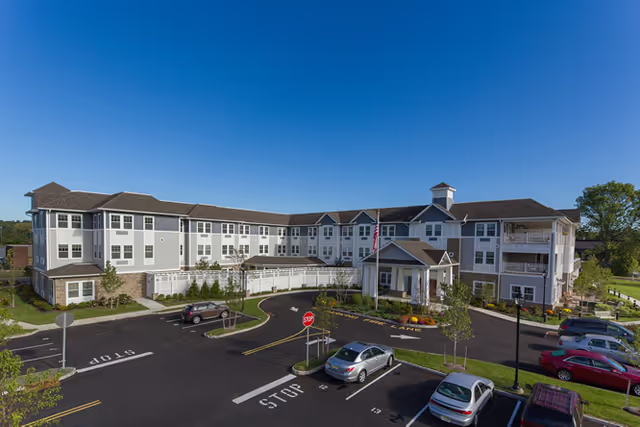
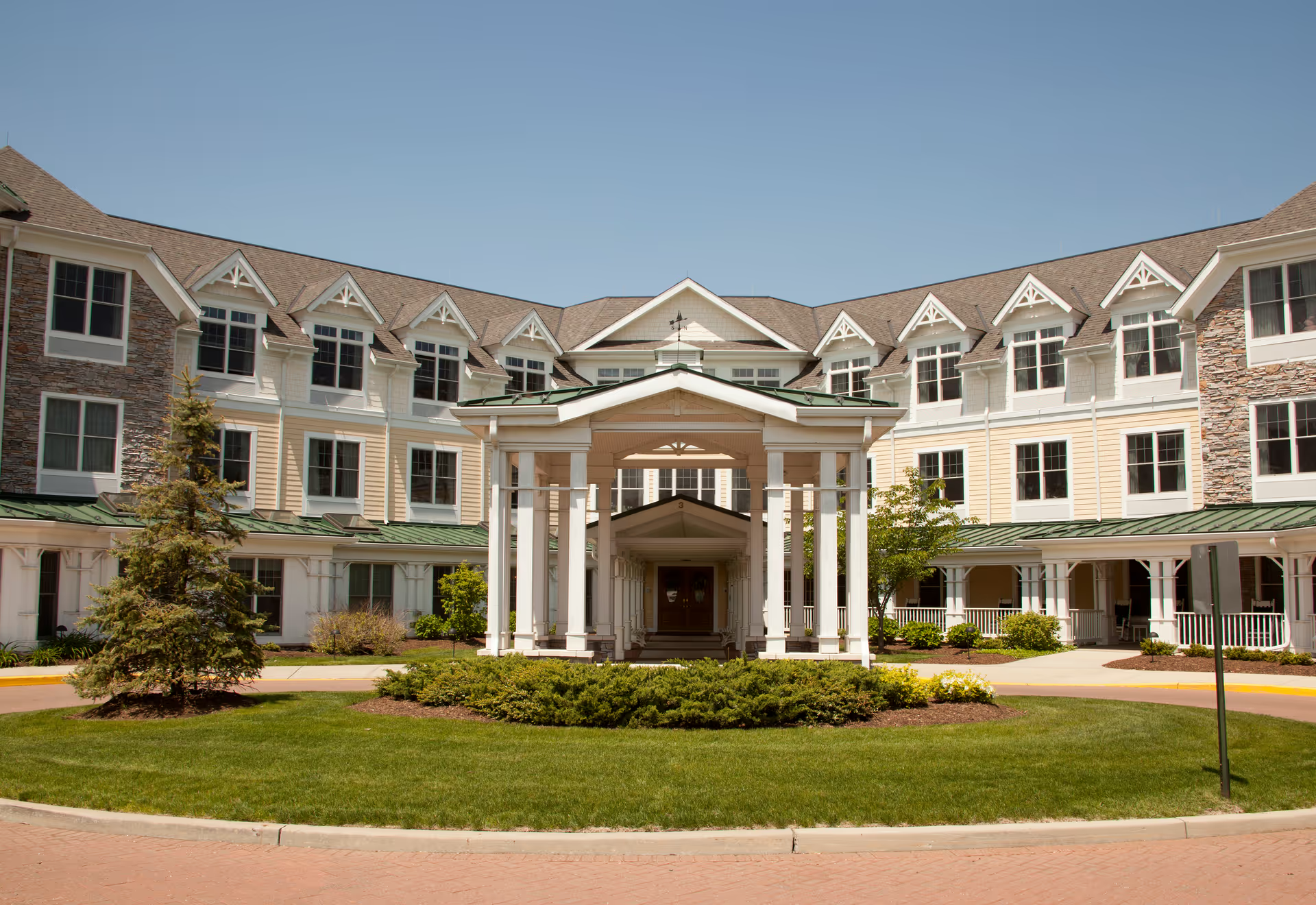
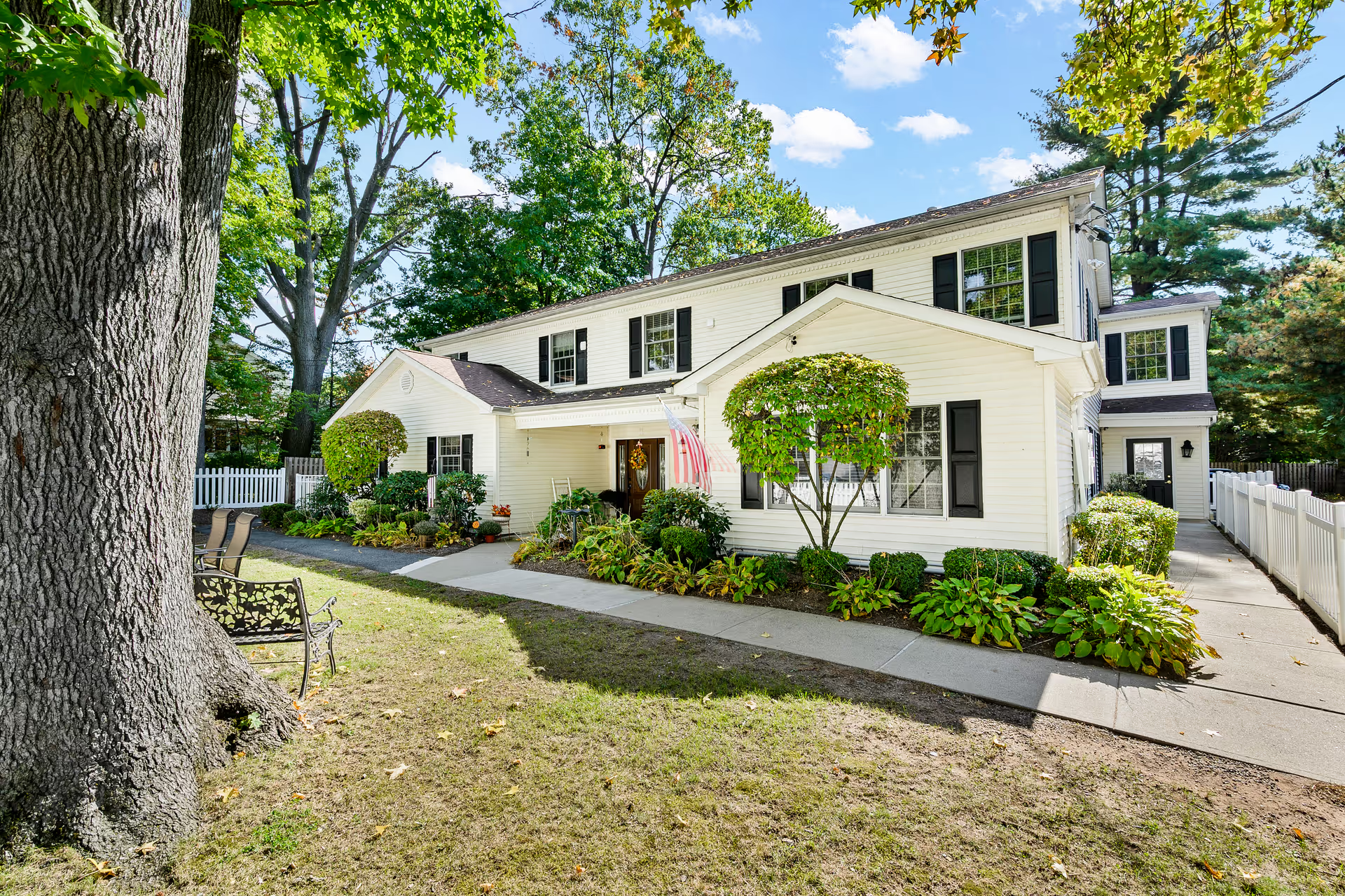
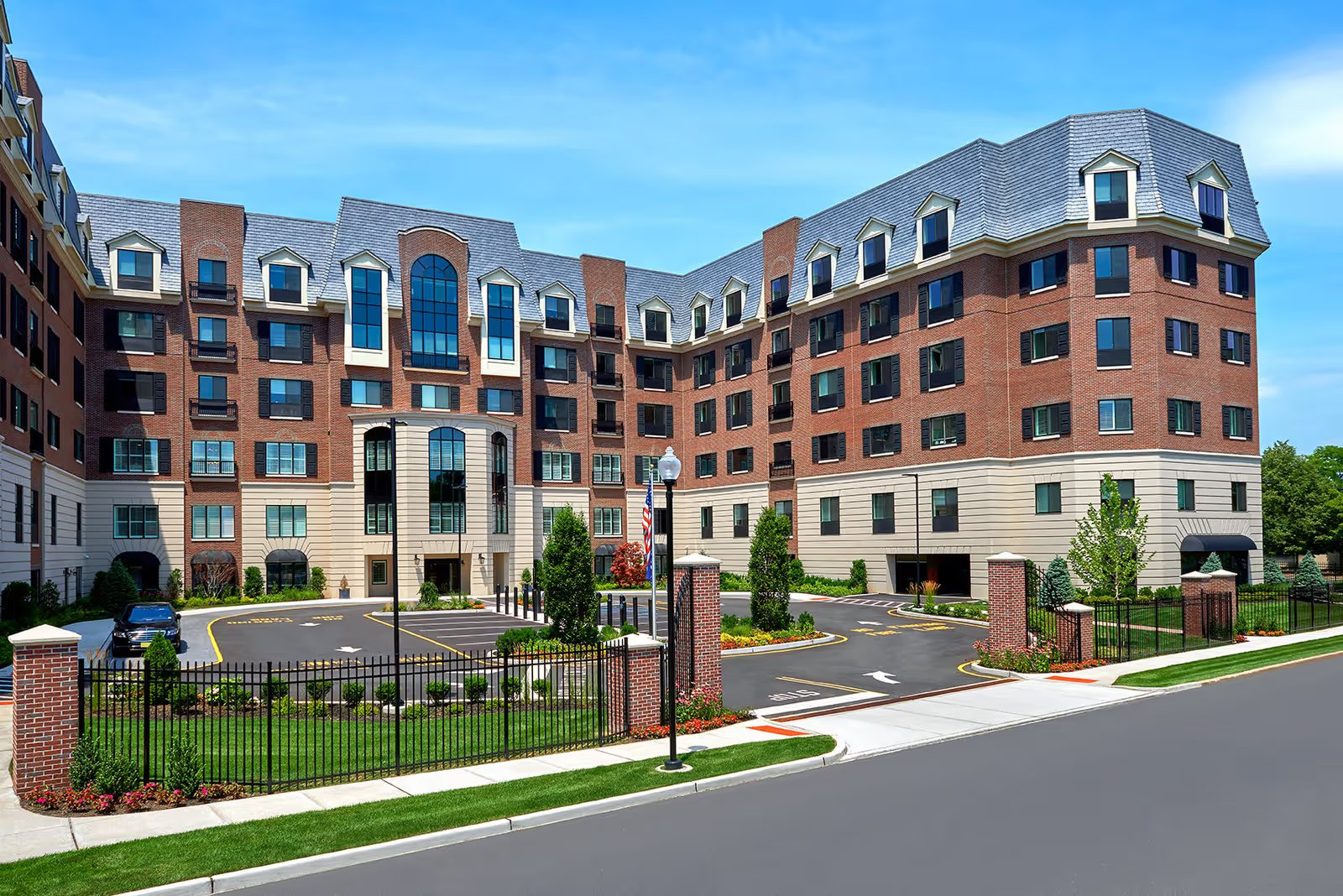
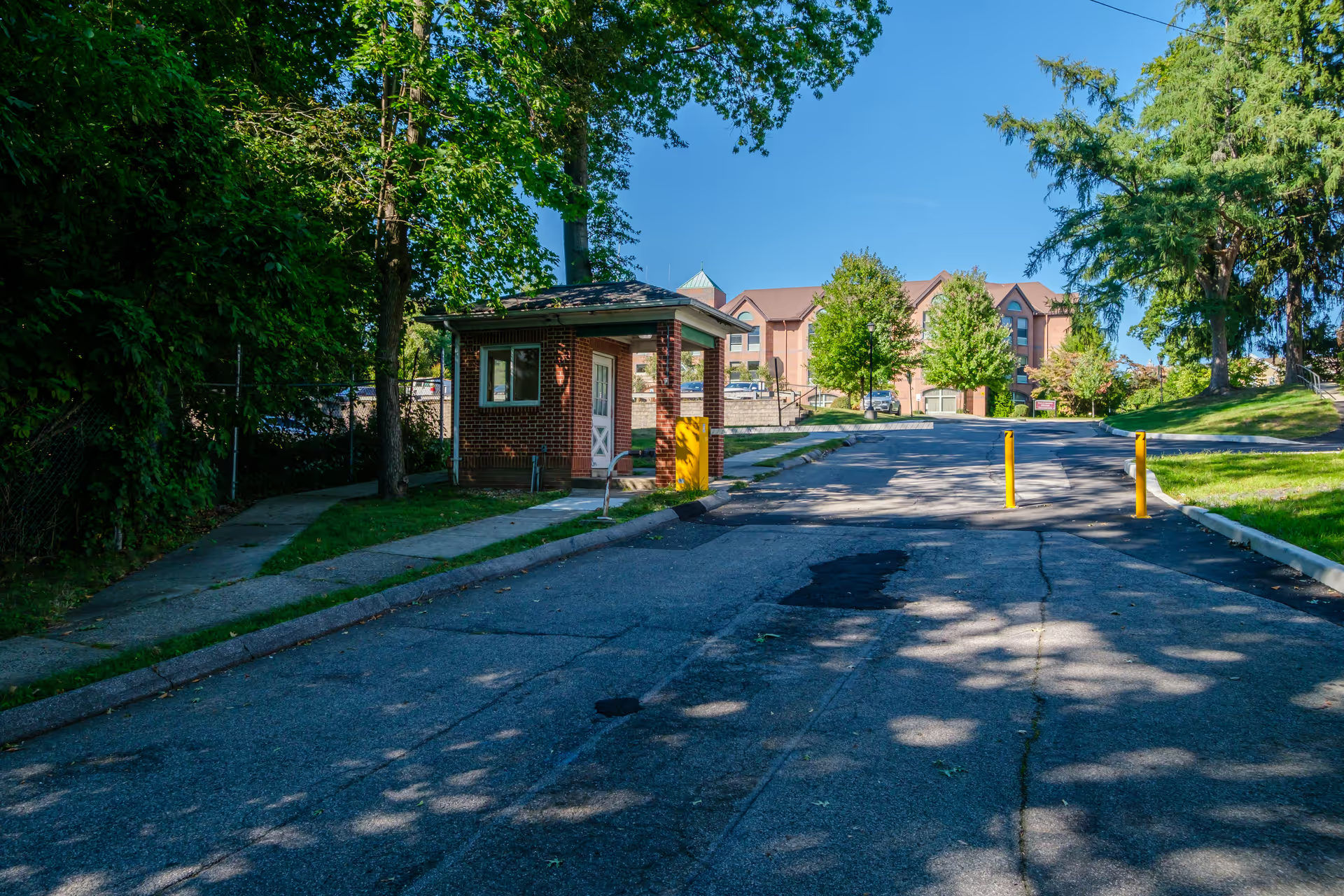
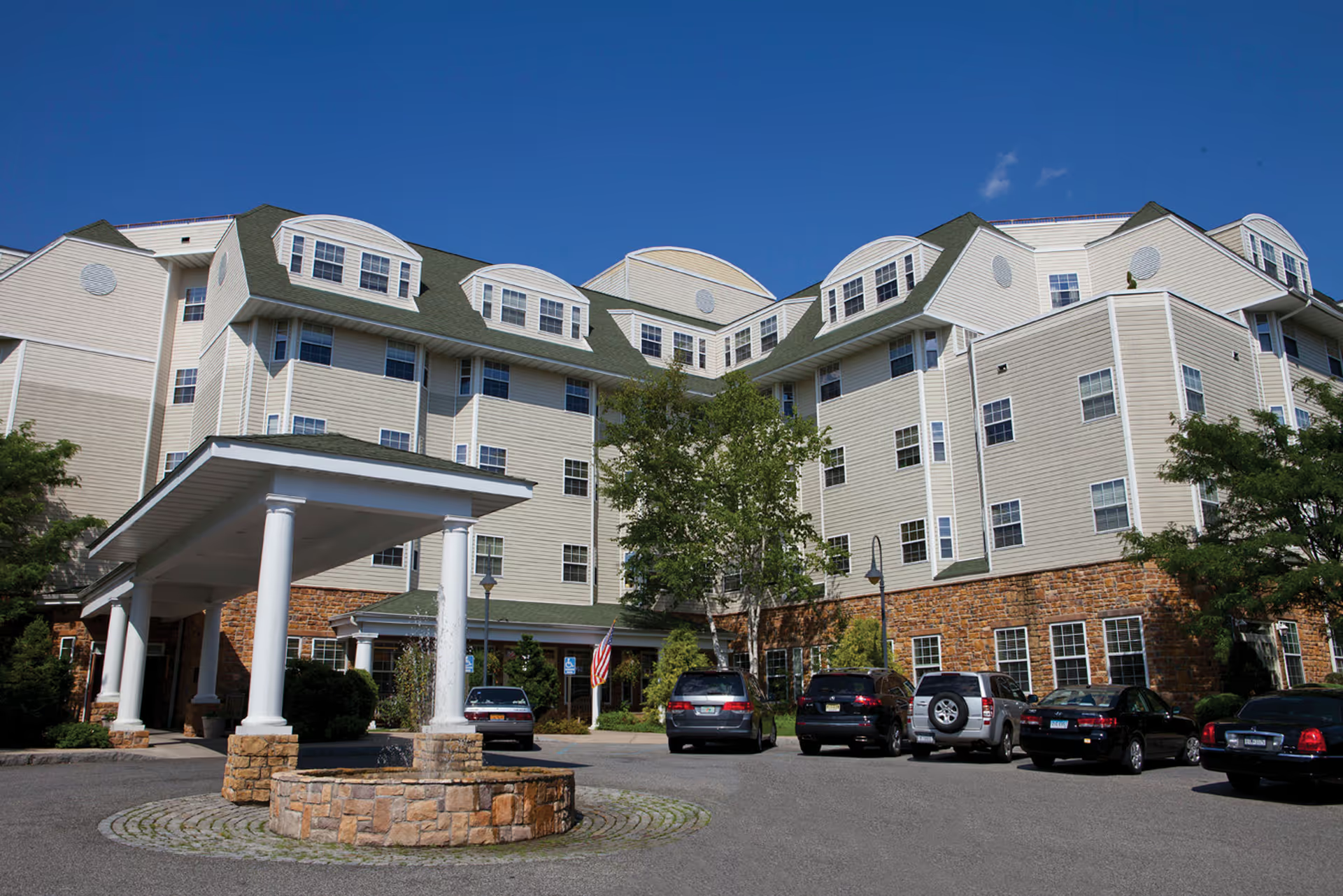
The Hebrew Home at Riverdale presents a complex profile: a large, well-resourced campus with notable environmental and programmatic strengths alongside recurring operational challenges. The facility's location, grounds, and physical plant are repeatedly praised — waterfront views, walking paths, gardens, large lounges, and bright dining rooms create a clearly attractive setting. Many reviewers highlight an active community life with a broad schedule of activities, live music, and social programming, and families frequently cite robust rehabilitation services (physical and occupational therapy) and on-site clinical resources such as a 24-hour physician, pharmacy, lab, and oncology services.
Care quality narratives are mixed. Several accounts commend individual staff members, therapists, and social-work teams for compassionate, effective care and good communication. At the same time, a recurring theme is variability in clinical delivery: inconsistent nursing and aide performance, delays in responding to call bells or physician requests, missed or delayed clinical assessments, and occasional issues with wound care and medication/inr management. Rehabilitation services are commonly described as a strength, but families also describe inconsistent availability of requested therapy modalities or equipment. Reviewers advise active family involvement to help maintain continuity of care and to advocate for timely clinical attention.
Dining and daily living experiences are also inconsistent. The facility offers kosher dining and pleasant dining rooms with large windows; some residents and families speak positively about the food and atmosphere. Conversely, others report cold meals, missing menu items, dietary substitutions that did not meet needs, and an overall variability in meal quality. Room size and decor are described variably — many common areas and some rooms are described as hotel-like and immaculate, while some units, including parts of the rehab area, are described as dated.
Management and operational concerns surface repeatedly. Reviewers describe chronic understaffing that contributes to long wait times and limited one-on-one attention, and they report gaps in accountability when problems arise. Specific operational weaknesses include administrative and clerical errors, communication breakdowns with families, issues during discharge planning and transitions home, and perceived pressure related to insurance or payer-driven discharges. There are also reports raising concerns about staff conduct, including allegations of solicitation and theft; these accounts, together with concerns about security- and visitor-management judgment, suggest variability in supervision and enforcement of standards.
Taken together, the pattern across reviews is one of strong institutional resources and many dedicated staff members producing very positive outcomes for some residents, while operational inconsistencies and staffing shortfalls lead to serious care and communication concerns for others. Prospective residents and families should weigh the facility's robust amenities, therapy strengths, and active programming against the potential for variable day-to-day care quality. Engaged family advocacy, clear expectations about staffing and discharge processes, and careful discussion with administrators about clinical oversight and accountability are advisable steps when considering placement here.