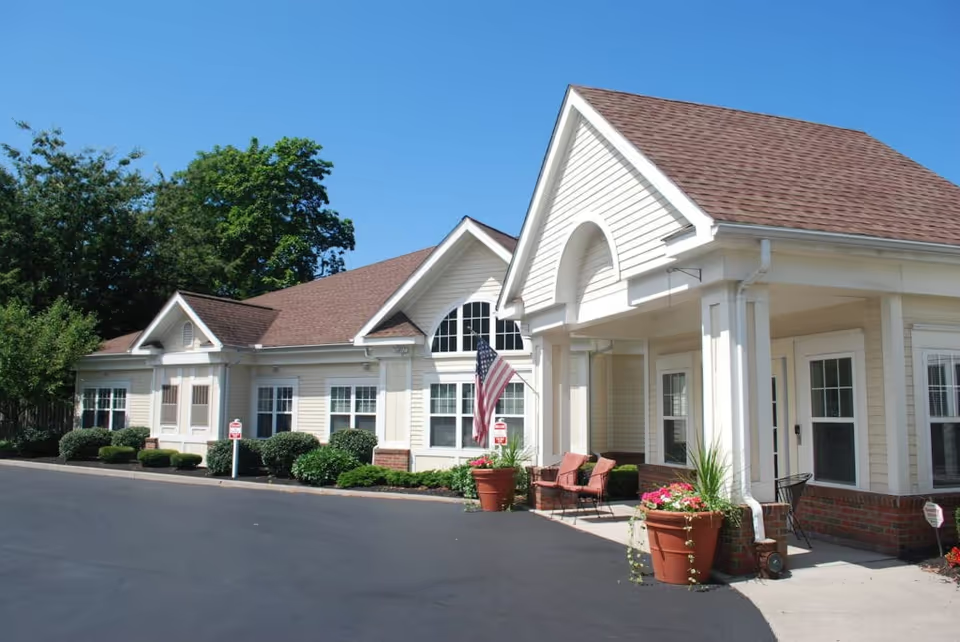
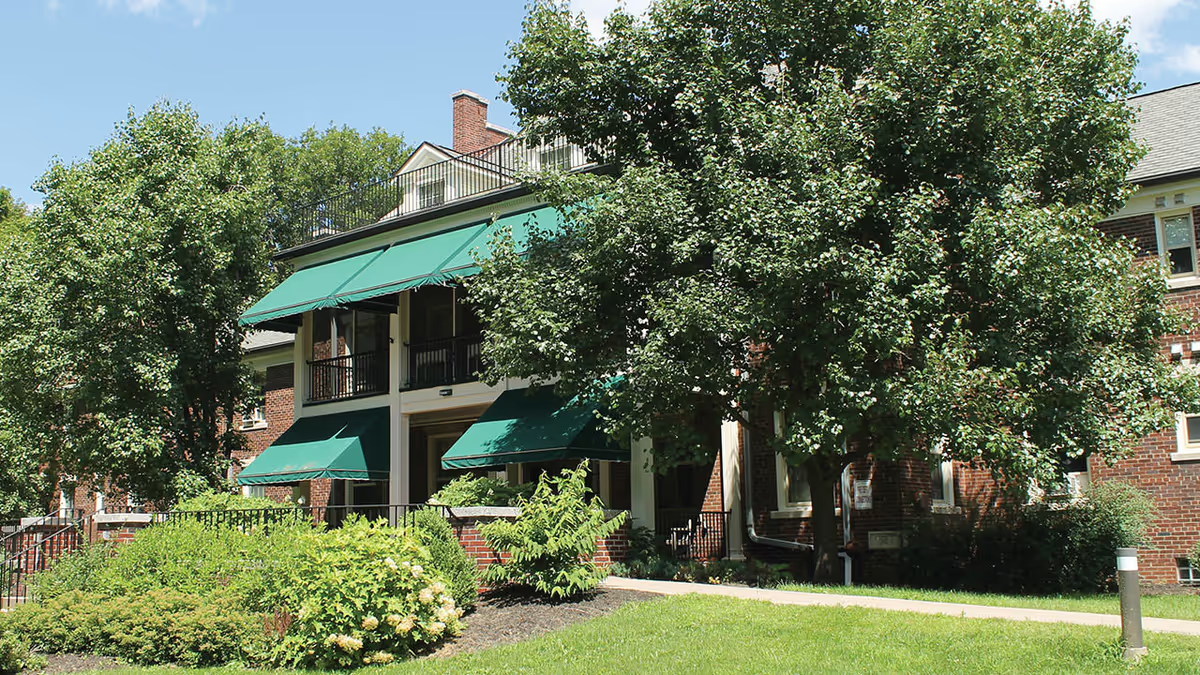
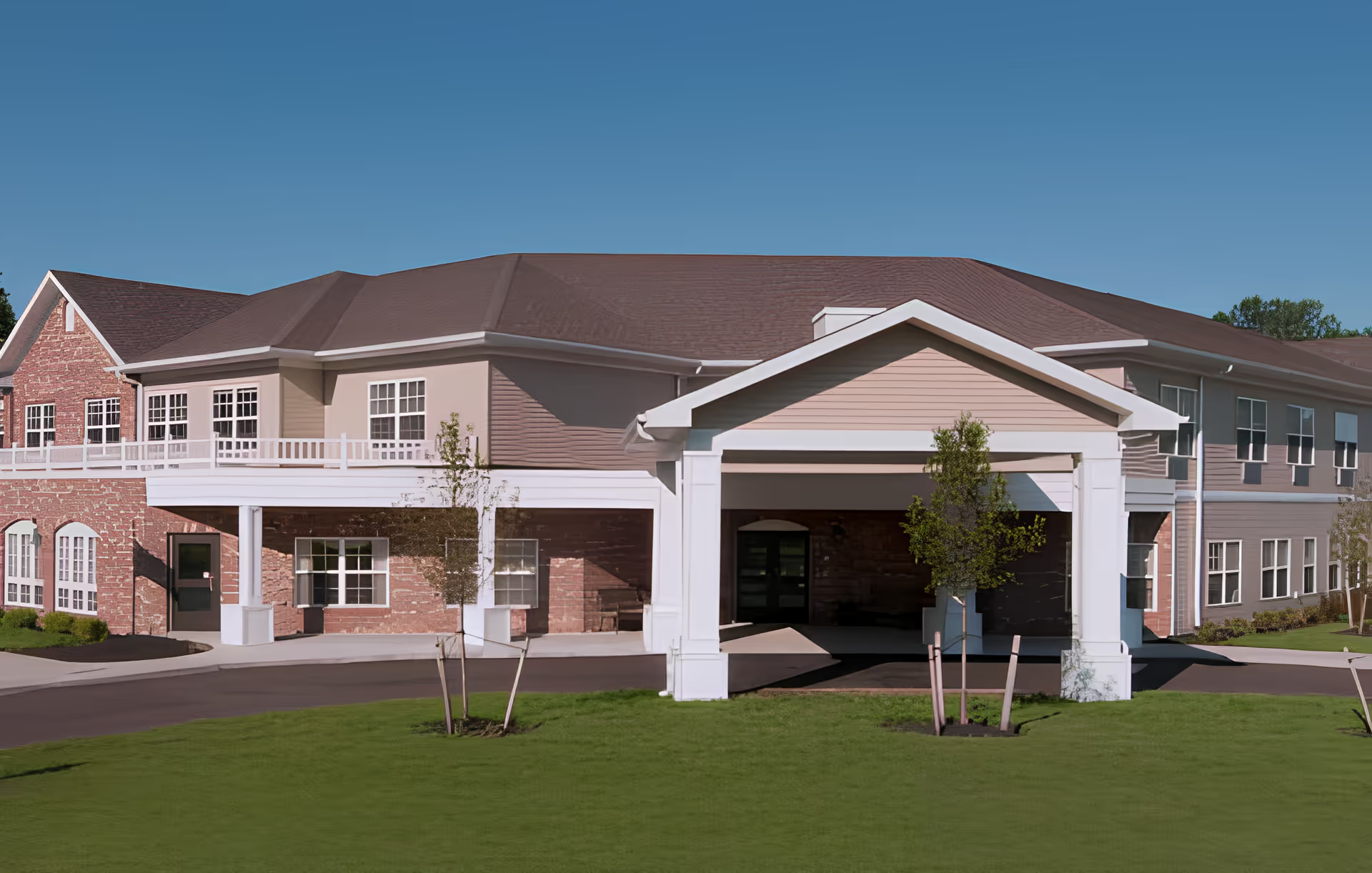
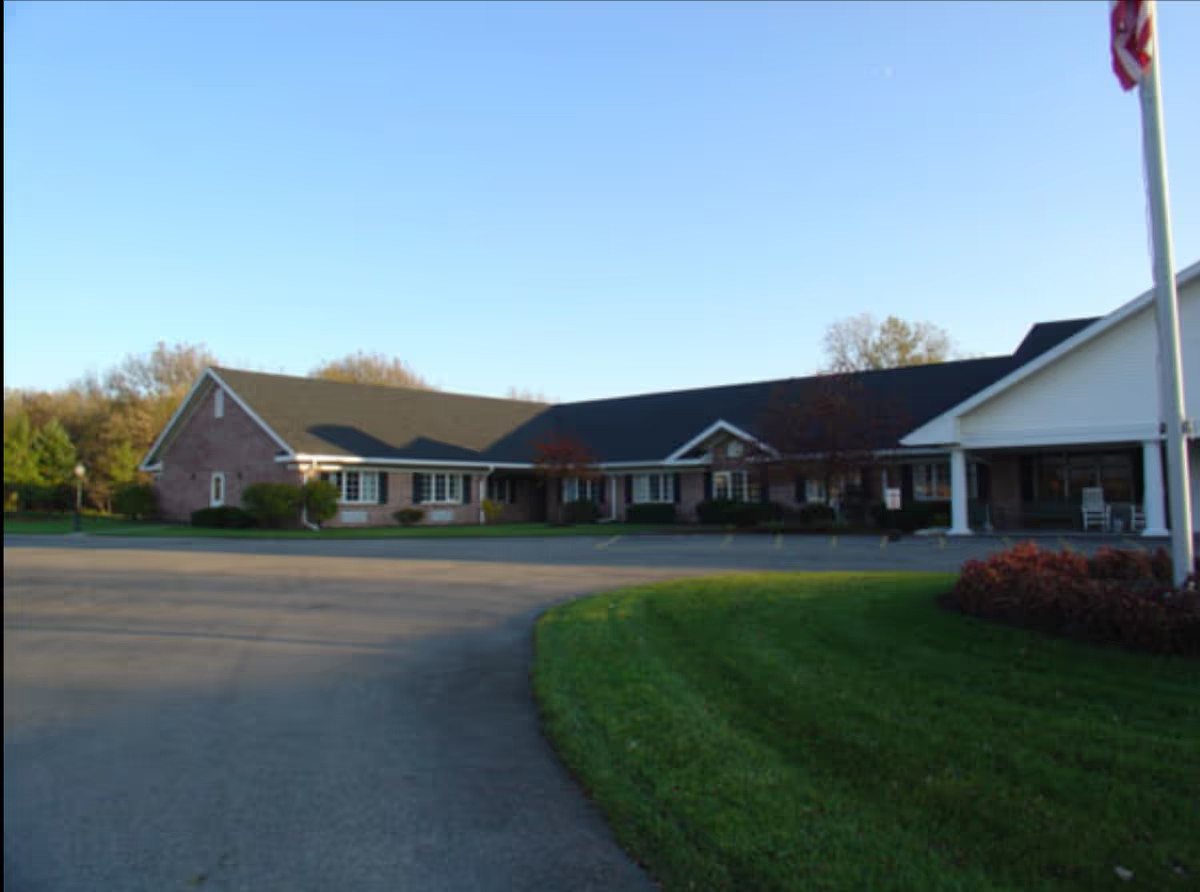
The reviews present a highly mixed picture of Jewish Home. Strengths consistently cited include strong rehabilitative therapy (physical and occupational), a robust activities program, and attractive, well-maintained common areas that create a welcoming, hotel-like atmosphere. Many families praised individual staff members — aides, therapists, nurses, social workers and activity directors — for compassionate, resident-focused care, good communication, and successful coordination of complex medication schedules. The facility offers a broad set of services and amenities (laundry, meals, transportation, barber) and a clear continuum of care with on-site clinical oversight, which several families found valuable for transitions between levels of care.
At the same time, reviews identify recurring operational weaknesses. Staffing levels and staff conduct were the most frequently cited concerns: families described variable responsiveness between shifts, long waits for call-light response, and inconsistent bedside assistance for bathing and toileting. These staffing inconsistencies were linked to delayed therapy delivery for some residents, missed or irregular therapy sessions, and lapses in medication administration for others. Several reviews raised sanitation and odor concerns in specific common areas and noted cluttered hallways where mobility aids and equipment can impede safe movement. Dining experience also varied: while many praised the food and dining ambience, others described repetitive menus, crowded dining rooms, and insufficient assistance for residents who need help getting to or through meals.
Management and policy patterns also produced mixed impressions. Some families highlighted effective, communicative leadership and infection-control responsiveness, whereas others reported poor follow-up after clinical incidents, unclear billing practices, and limited supervisory visibility on certain shifts. There are serious financial and safety-related allegations in a subset of reviews, including claims about billing practices and missing funds; these items are characterized in several accounts as allegations and would merit verification through direct inquiry or regulatory records. Placement matching and clinical capacity were additional themes — a number of families advised careful assessment of whether the facility’s level of clinical care matches a prospective resident’s needs, as some residents required more intensive nursing care than the community consistently provided.
Taken together, the pattern suggests that Jewish Home offers substantial clinical and social resources that produce very positive outcomes for many residents, particularly in rehabilitation and activity programming, but that service consistency varies. Prospective residents and families should prioritize on-site conversations about current staffing ratios, therapy scheduling guarantees, medication-administration protocols, dining assistance availability, and billing transparency. Visiting during different shifts, asking for recent staffing and incident-response metrics, and confirming placement suitability for higher-acuity needs can help set realistic expectations and identify whether the facility’s strengths align with a specific resident’s requirements.