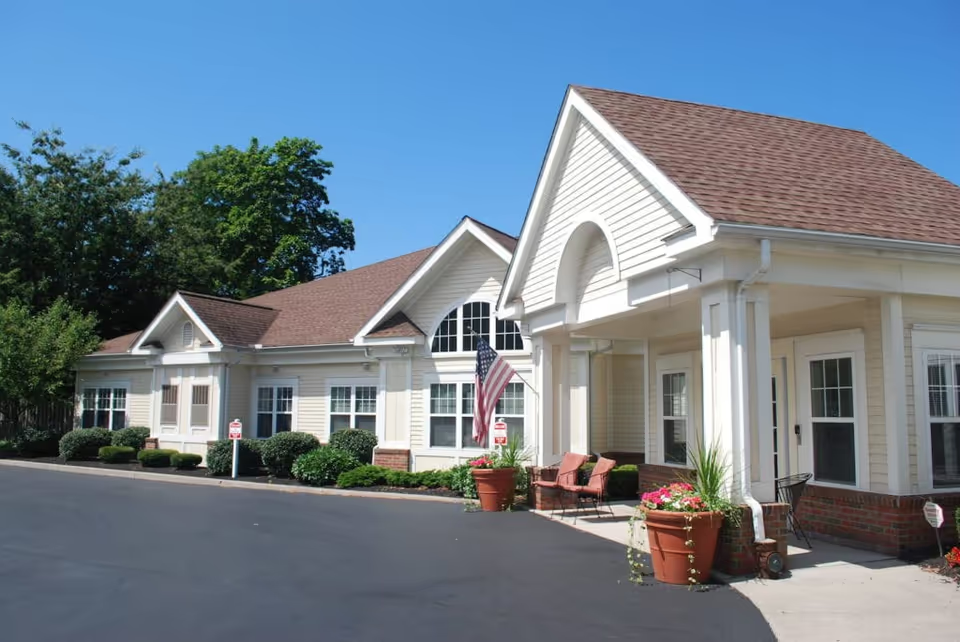
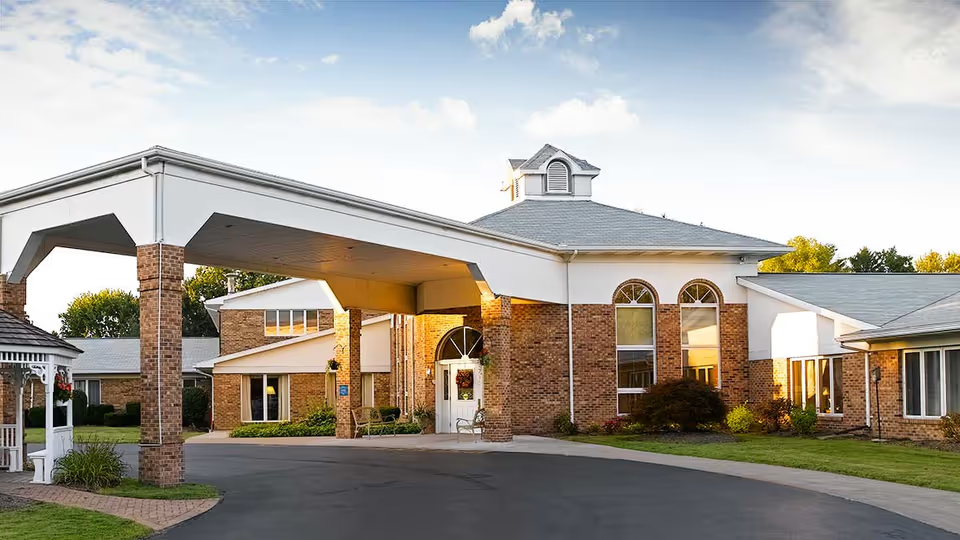
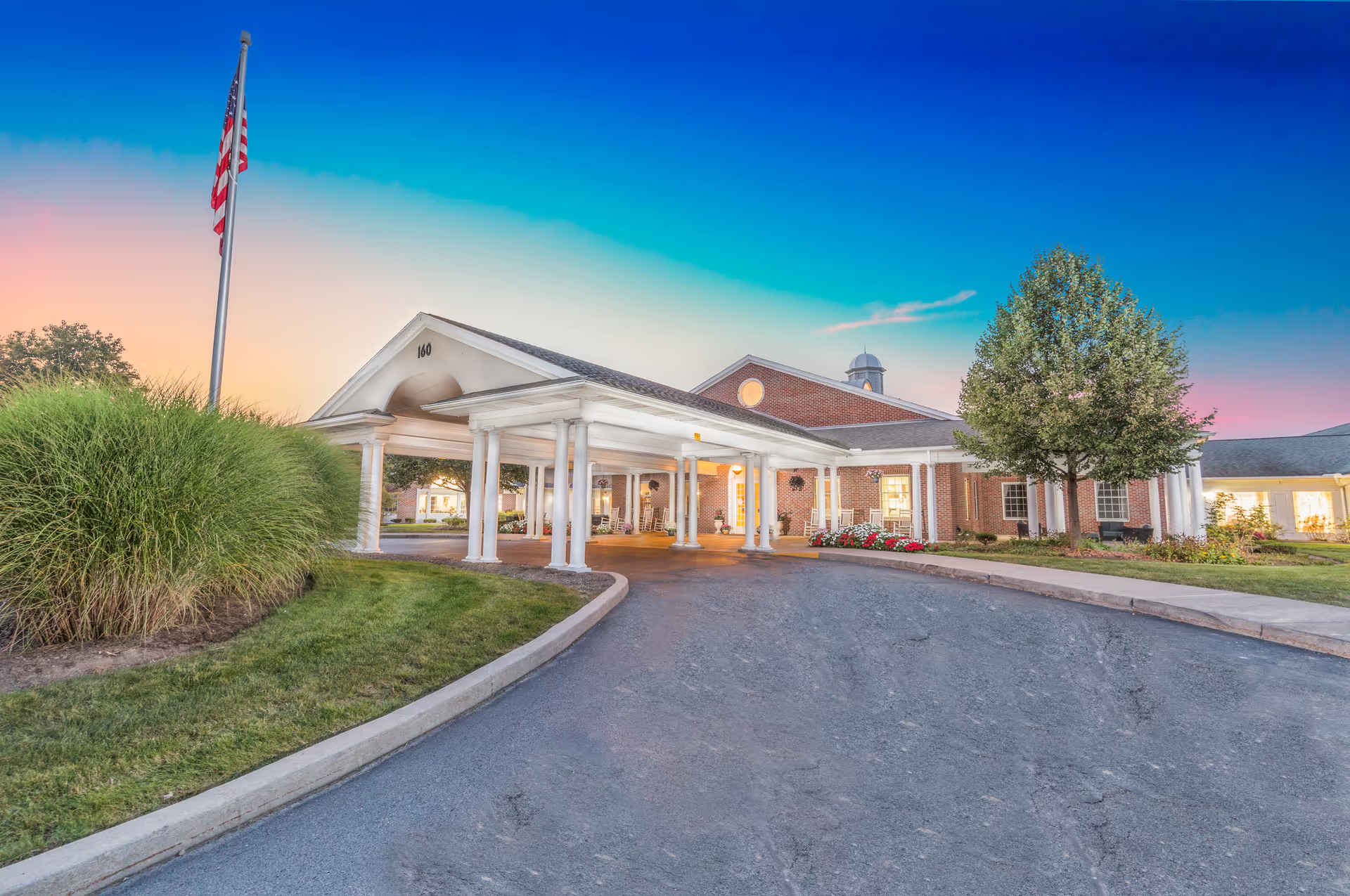
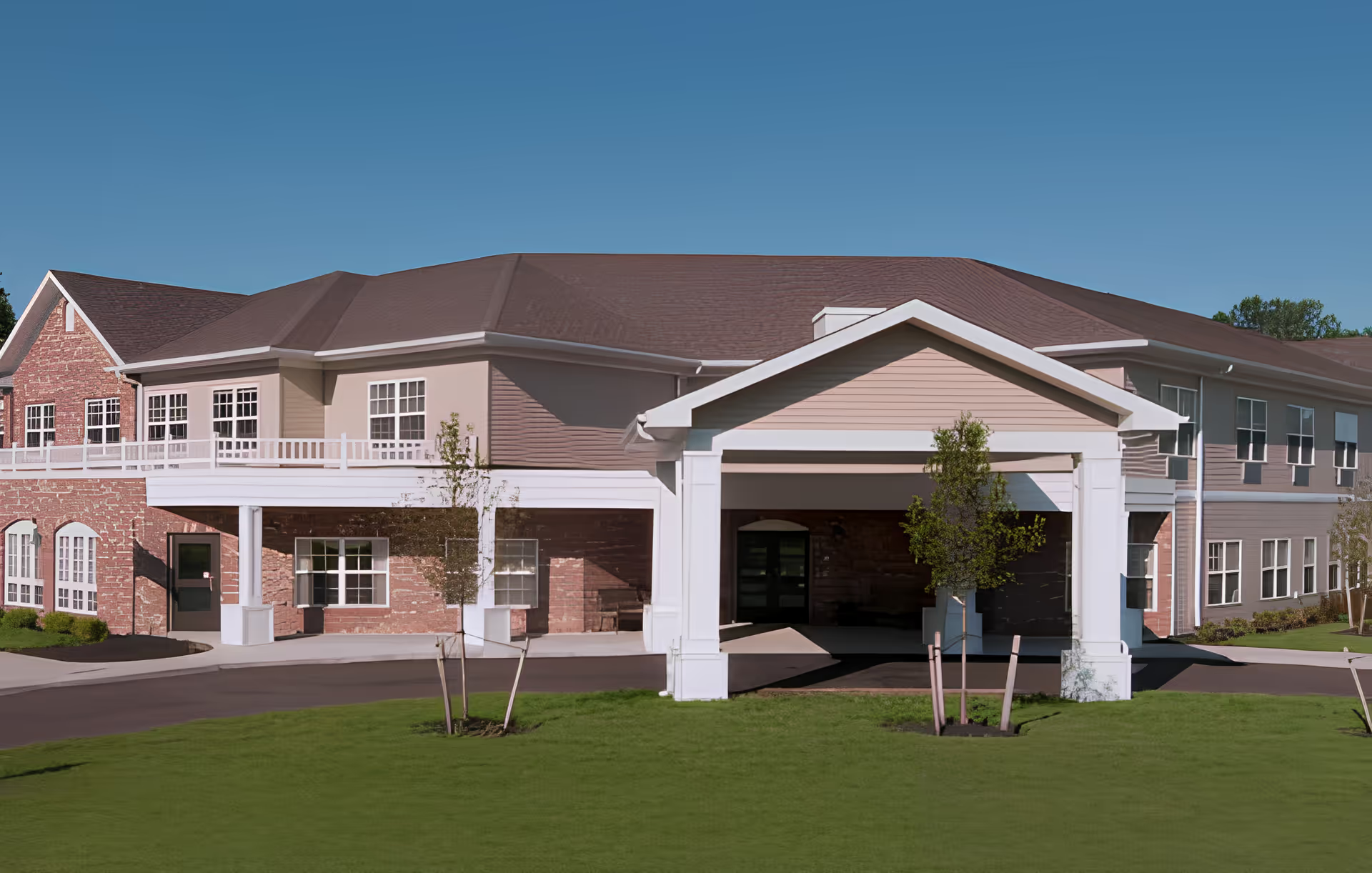
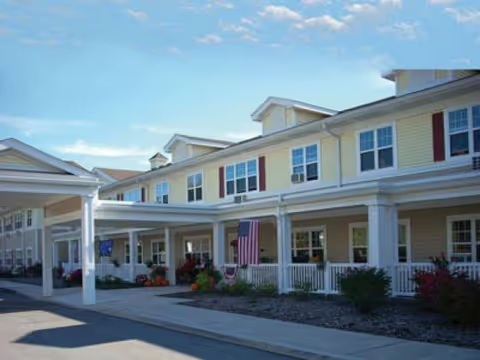
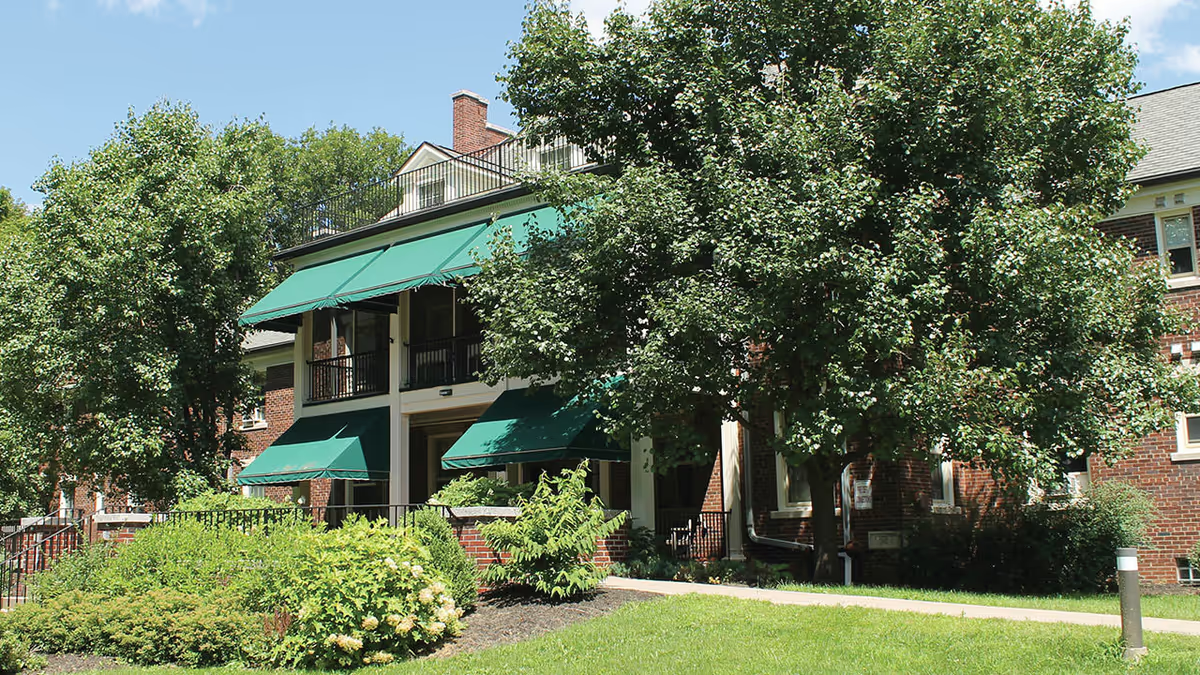
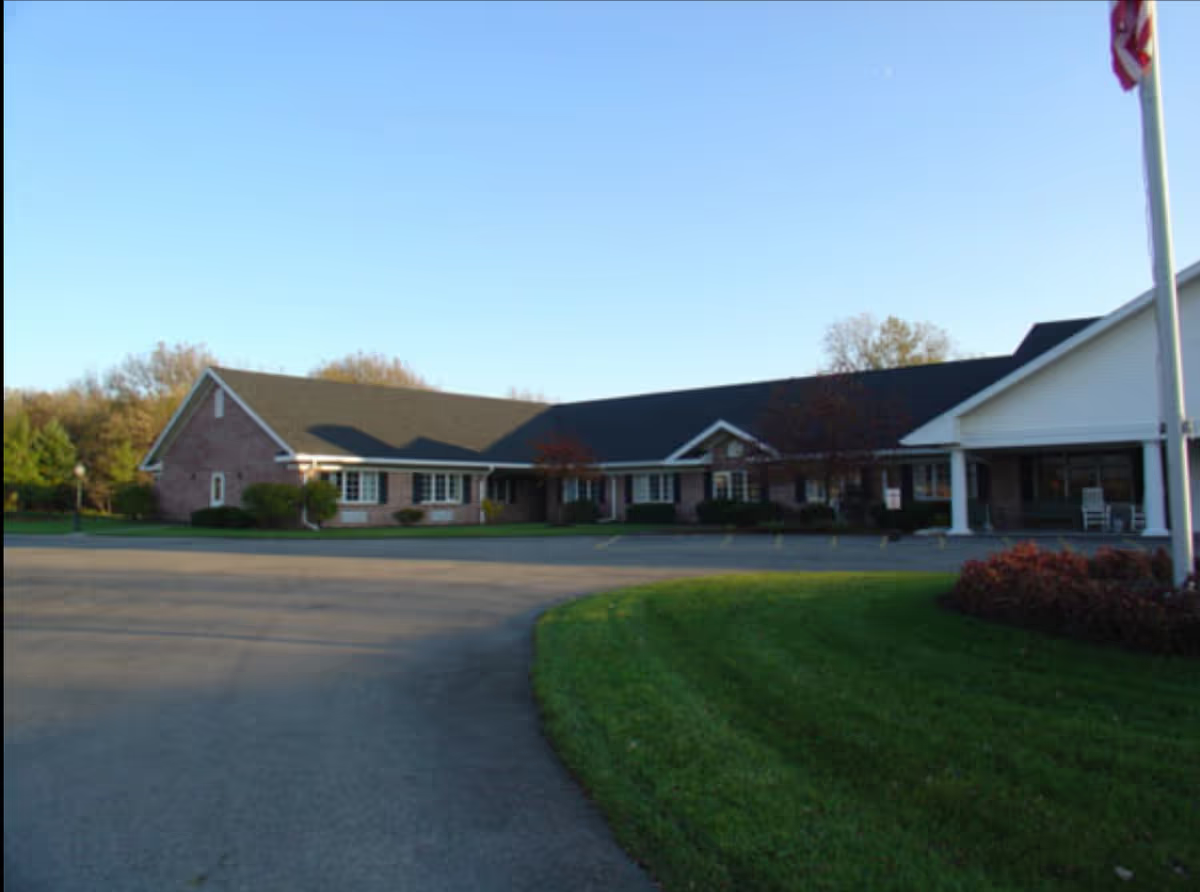
Legacy at Clover Blossom elicits strongly mixed but consistent themes. Many reviewers praise the staff for warmth, personalized attention and visible commitment to residents’ social engagement. Sales and community-relations staff such as the named associates were repeatedly described as welcoming and effective; move-in coordination, housewarming events and family-oriented hospitality are frequently cited as strengths. The community offers broad amenities — including an indoor heated pool, fitness center, library, media room, salon, multiple lounges and well-landscaped outdoor spaces — and a variety of apartment types (studios, one- and two-bedrooms, villas) that many residents and families find attractive.
Activity programming is a clear strength: a robust calendar with live music, lecture series, clubs, off‑campus outings, exercise classes and holiday events appears to generate high participation and a sense of community for many residents. Event planning and special meals often receive positive mention, and resident ambassadors and volunteer partnerships help sustain engagement. Maintenance and concierge services are generally described as responsive, and several accounts note thoughtful touches at move-in and rapid resolution of routine unit issues.
Dining and food service present a mixed picture. Numerous accounts praise high-quality meals, chef-driven events and attentive dining staff; others describe inconsistent meal quality, small portions, occasional stockouts and a noisy dining environment that can be challenging for residents with hearing differences. The community offers flexible meal-plan options and in-room delivery, but there are recurring operational concerns about meal billing and clarity of what is included versus extra-charge items.
Care and clinical oversight are areas where reviewers diverge and where families should exercise particular attention. While an on-site practical nurse and contractual relationships with local clinical providers are present, several narratives raise concerns about monitoring and escalation for residents whose needs increased. These translate into facility-level issues such as unclear boundaries between independent-living services and higher-dependency care, variable readiness to accept residents with progressive needs, and communication lapses during clinical incidents. Prospective residents with known or evolving medical needs should clarify available clinical protocols, response times and transfer arrangements.
Operational management shows both strengths and weaknesses. Billing and administrative processes are sometimes described as timely and professional, but other accounts cite post-move charges, billing inconsistencies and additional fees (activity fees, ancillary charges) that were not clear to families. Staffing continuity is another mixed area: many reviewers praise specific caregivers and dining staff by name, yet others note turnover and variability in service delivery. Cleanliness and facility upkeep are usually reported as satisfactory, but isolated concerns about sanitation, pest control and the condition of certain amenities were raised; these suggest unevenness in day-to-day facility maintenance.
Taken together, Legacy at Clover Blossom presents as a community with substantive social and amenity strengths and a generally warm, hospitable culture. The principal patterns of concern relate to inconsistent operational execution: dining reliability, billing transparency, staffing continuity, and clinical-monitoring/escalation for residents with increasing care needs. Families and prospective residents would benefit from focused questions during visits: sample multiple meals, review the meal-billing rules and recent fee history, request documentation of clinical escalation protocols, ask about staffing stability on specific shifts, and inspect housekeeping and pest-control logs. These targeted inquiries will help determine whether the community’s many positive attributes align with an individual’s clinical needs and financial expectations.