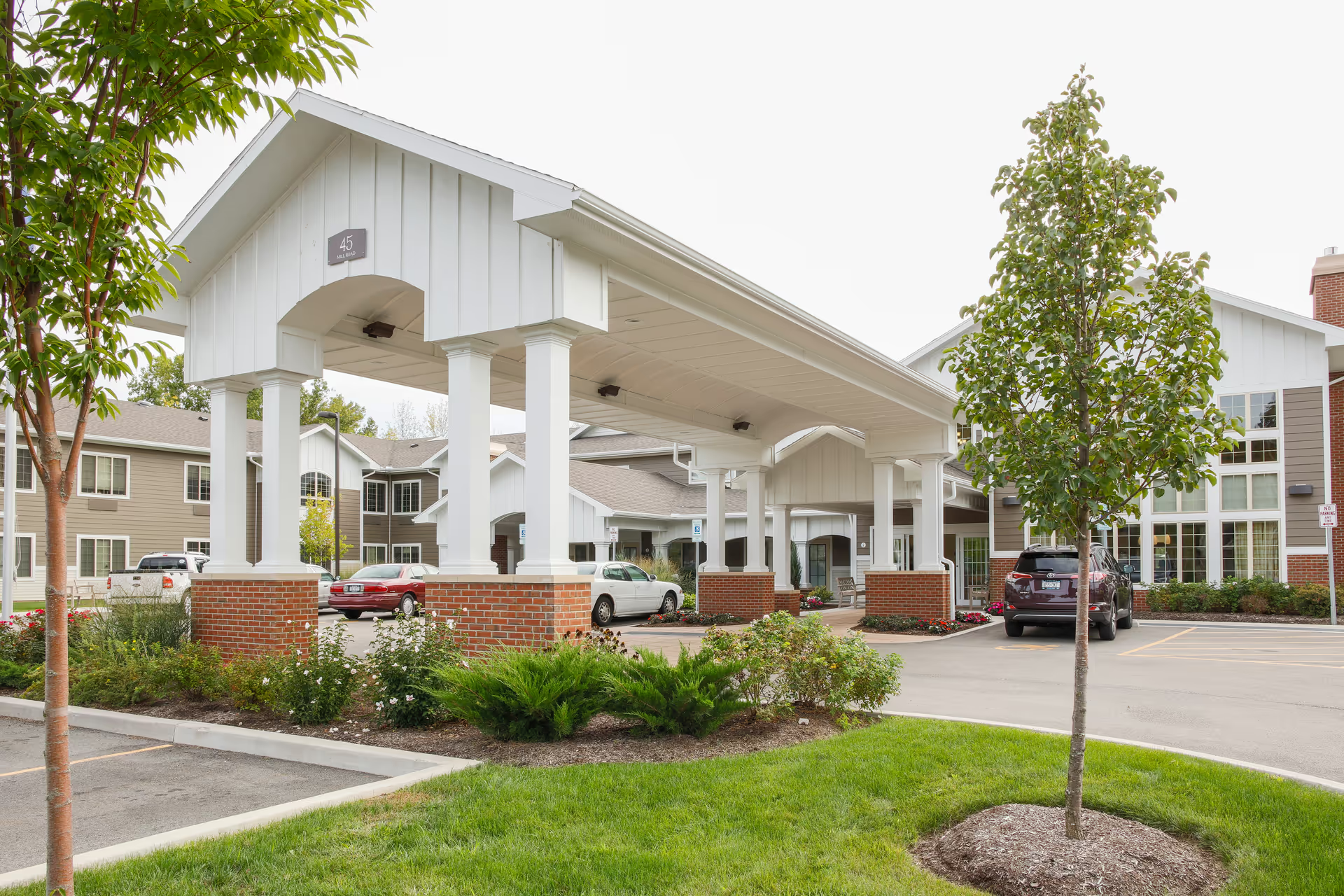
The reviews present a highly polarized picture of Rochester Center. A consistent strength across many accounts is the rehabilitation program: physical and occupational therapy teams are frequently described as effective, encouraging, and central to positive short-term outcomes. Several reviewers praised therapy staff by name and credited the program with measurable mobility and functional gains. Activity programming, a resident council, and communal amenities such as a library and craft spaces were also cited as meaningful quality-of-life contributors.
At the same time, a substantial portion of feedback raises operational and clinical concerns. The predominant themes are chronic understaffing and high turnover among direct-care personnel, which reviewers link to long waits for assistance, inconsistent bathing and continence-care routines, and delays in medication administration. These process issues are associated with gaps in wound and infection-related care, inconsistent documentation, and safety events such as falls or delayed transfers. Several families described difficulties with discharge coordination and communication, which in some cases required external advocacy to resolve.
Cleanliness and environmental control appear variable across units. While therapy areas and some communal spaces are described as modern and well maintained, other units are characterized by sanitation and pest-control concerns, odor issues, and maintenance shortfalls (broken mattresses or aging HVAC/window fittings). Call-button accessibility and timely response are recurrent operational weaknesses: inaccessible call controls and long response intervals were linked to increased safety risk and family distress.
Staff conduct and supervision are another area of mixed reports. Many reviewers compliment individual nurses, aides, and administrators for kindness and competent care; however, others describe inconsistent professionalism, frequent phone use while on duty, inattentive behavior, and concerns about on-premises substance use. These conduct issues are compounded when supervisory oversight is uneven, leading to variable resident experience depending on shift and unit.
Dining and nutrition show inconsistent performance: some guests found the food adequate or better than hospital offerings, while others noted small portions, limited snack availability, refrigeration and diet-option problems, and variable meal presentation. Administrative and financial practices were also a repeated concern—families cited billing disputes, difficulties reaching social work, property-control weaknesses, and at least a few serious financial complaints that warrant verification. Additionally, reviewers referenced ownership turnover and a history of regulatory scrutiny, which contributes to perceived instability.
Overall pattern: the facility appears to deliver strong, rehabilitation-focused care for many short-term patients, driven by a capable therapy team and some attentive nursing staff. However, for longer-term or higher-dependency residents the reviews indicate systemic operational weaknesses—staffing shortages, inconsistent infection-control and wound-care practices, property and billing vulnerabilities, and variable cleanliness—that can materially affect safety and dignity. Prospective families should verify recent inspection results, staffing ratios for the specific unit, call-response metrics, wound and medication protocols, pest-control measures, and property/billing safeguards during pre-admission discussions. Visiting at different times and speaking directly with therapy, nursing leadership, and social work can help assess current performance and variability across units.