Overall impression is mixed: reviewers consistently praise individual caregivers, the memory-care unit, and the facility’s physical environment, but there are recurring operational concerns that families should evaluate before placement.
Care and staff: Many families describe compassionate, skilled caregivers and attentive nursing staff, particularly within the memory-care unit, where reviewers describe strong clinical practices and a more controlled, modern environment. At the same time, other reviewers describe uneven responsiveness, variable caregiver performance, and periods when staffing levels feel inadequate. Concerns about medication timing and spacing as well as about how the facility communicates with families after clinical events were raised by multiple families; these point to the need for prospective families to ask about medication protocols, incident-response procedures, and staffing ratios at different times of day.
Dining: Dining is a prominent strength in some respects: the facility offers two formal dining rooms, a varied menu, kosher service with a clear dairy/meat schedule, and special holiday/Shabbat meals. Reviewers generally like the menu variety, and several noted the presentation and formality of the dining rooms. However, there is also feedback that food can be bland at times, that meal quality is inconsistent, and that cost is perceived as high relative to value. Social dining arrangements (assigned table seating) have produced mixed social experiences for some residents.
Activities and social life: Feedback on activities is mixed. Some reviewers reported a helpful activities program with daily options and specific programming for residents with cognitive impairment; others described limited stimulation and a need for greater variety. Prospective residents should request a current activity calendar and observe an activity period to assess fit for individual social and cognitive needs.
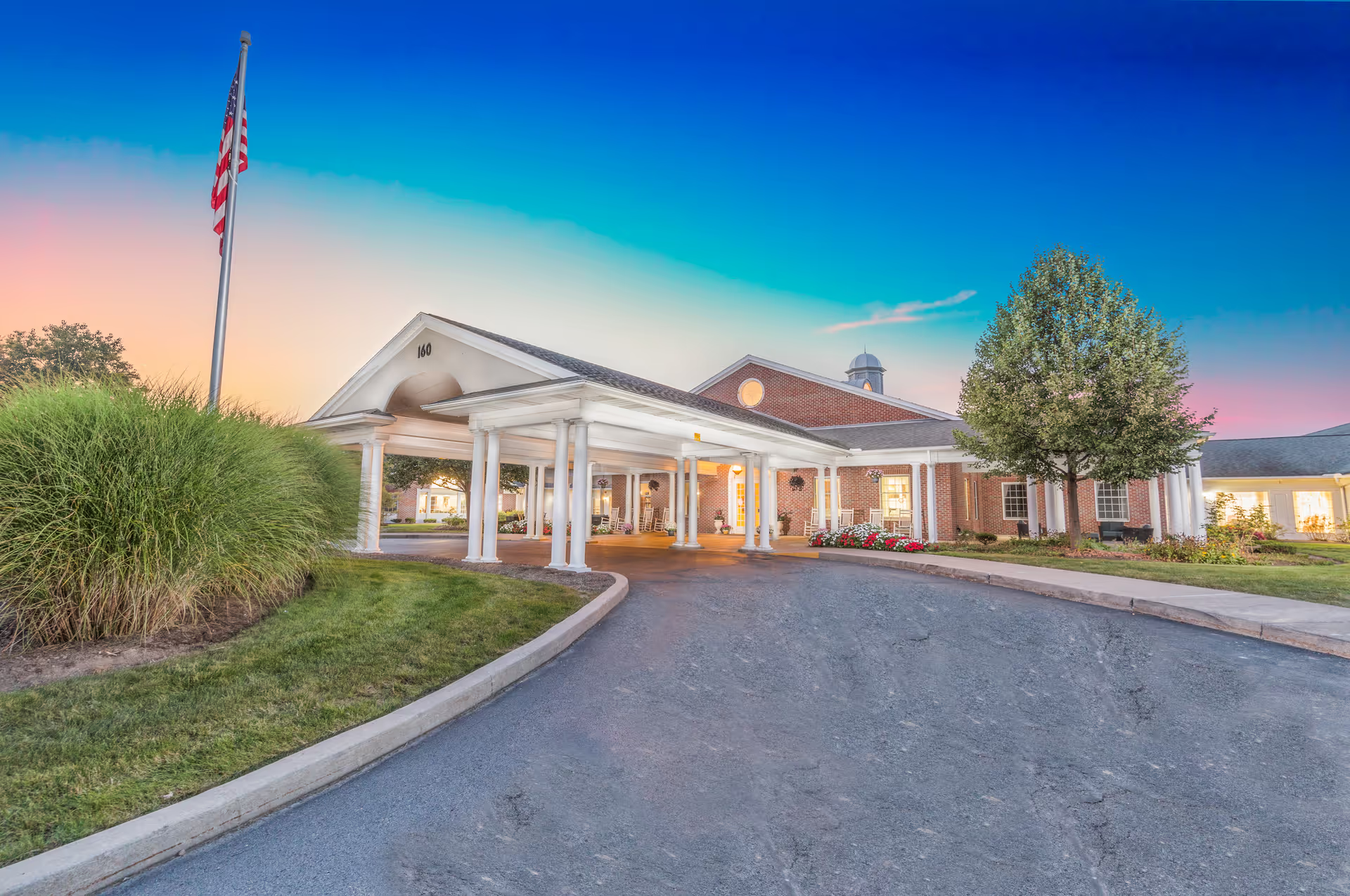
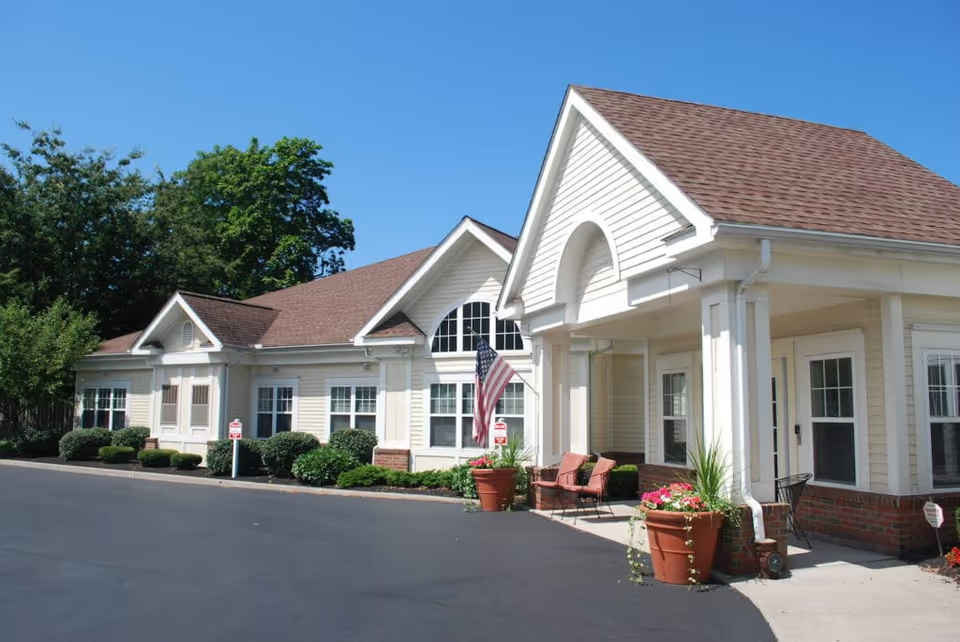
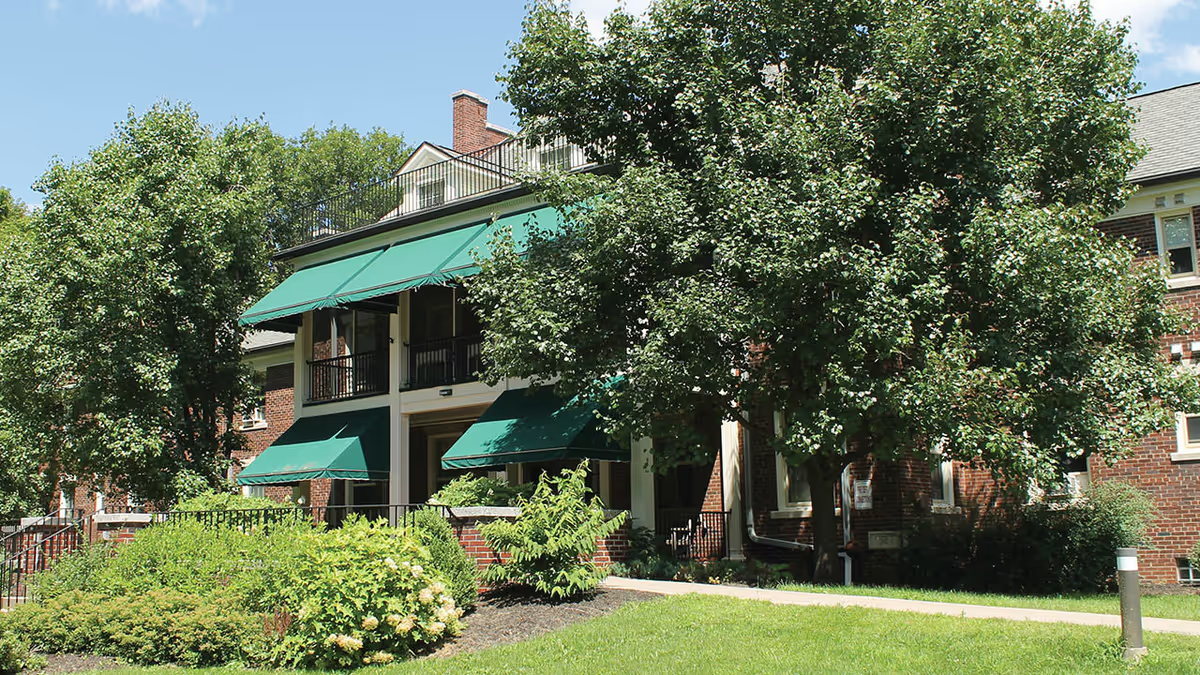
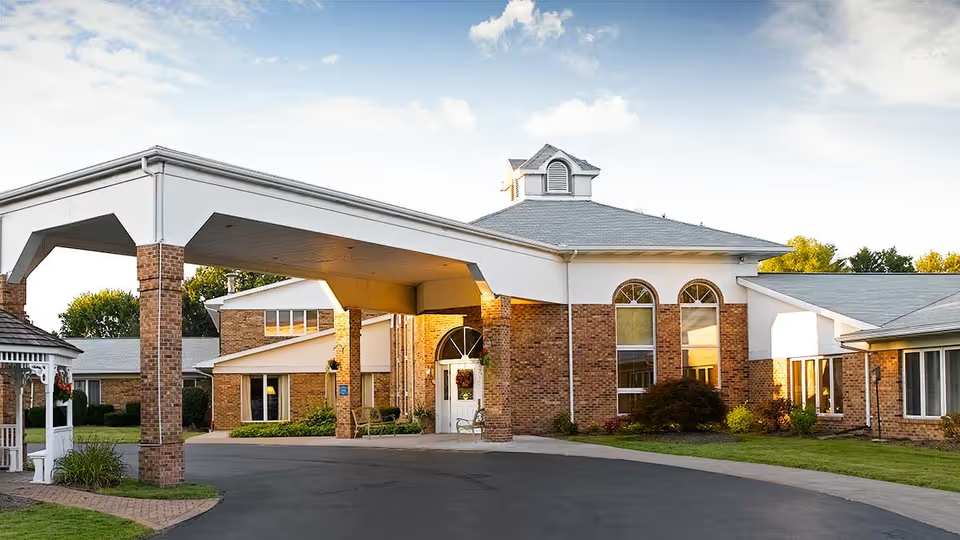
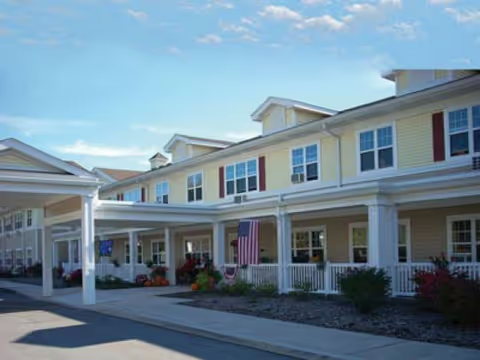
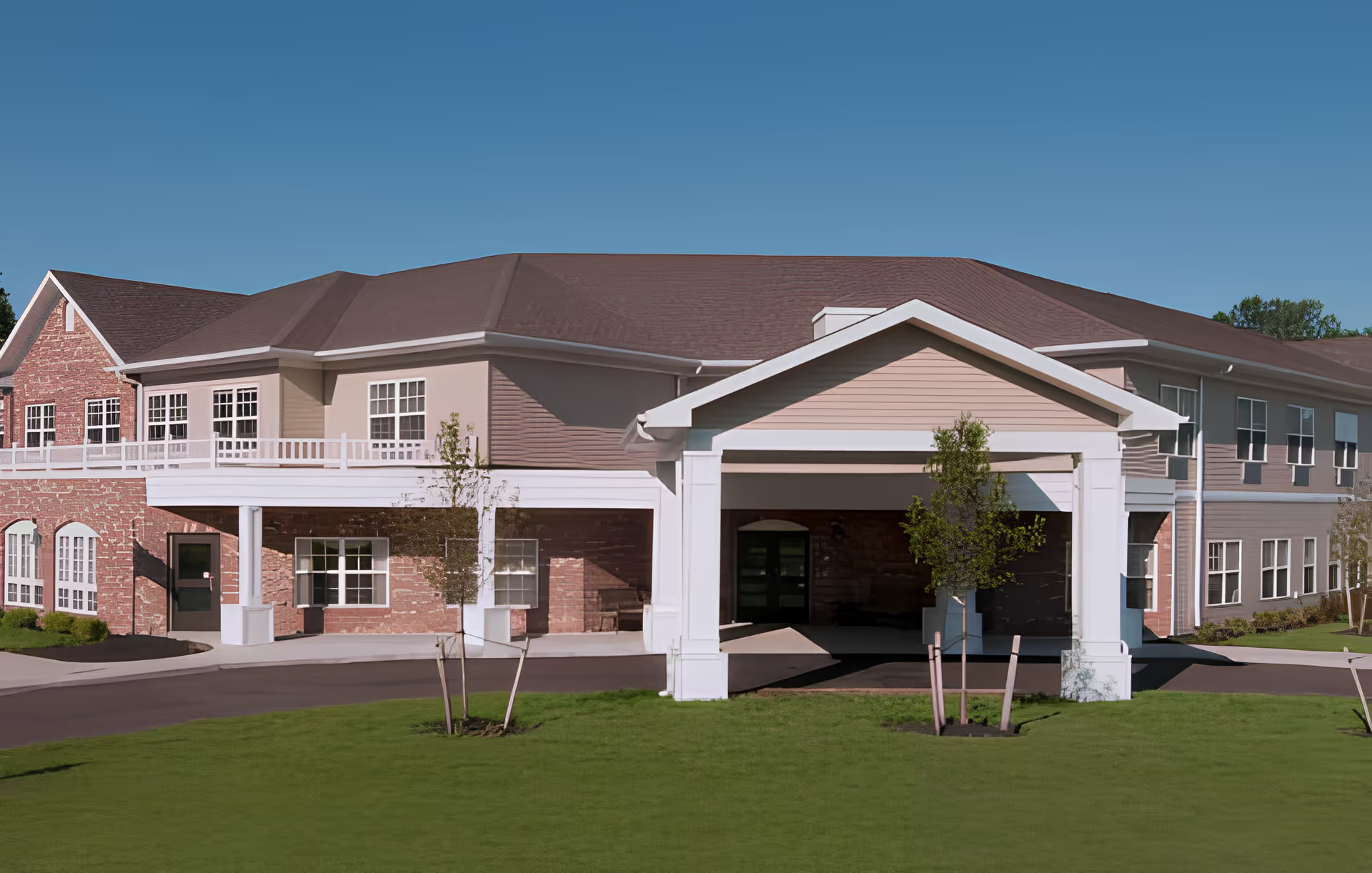
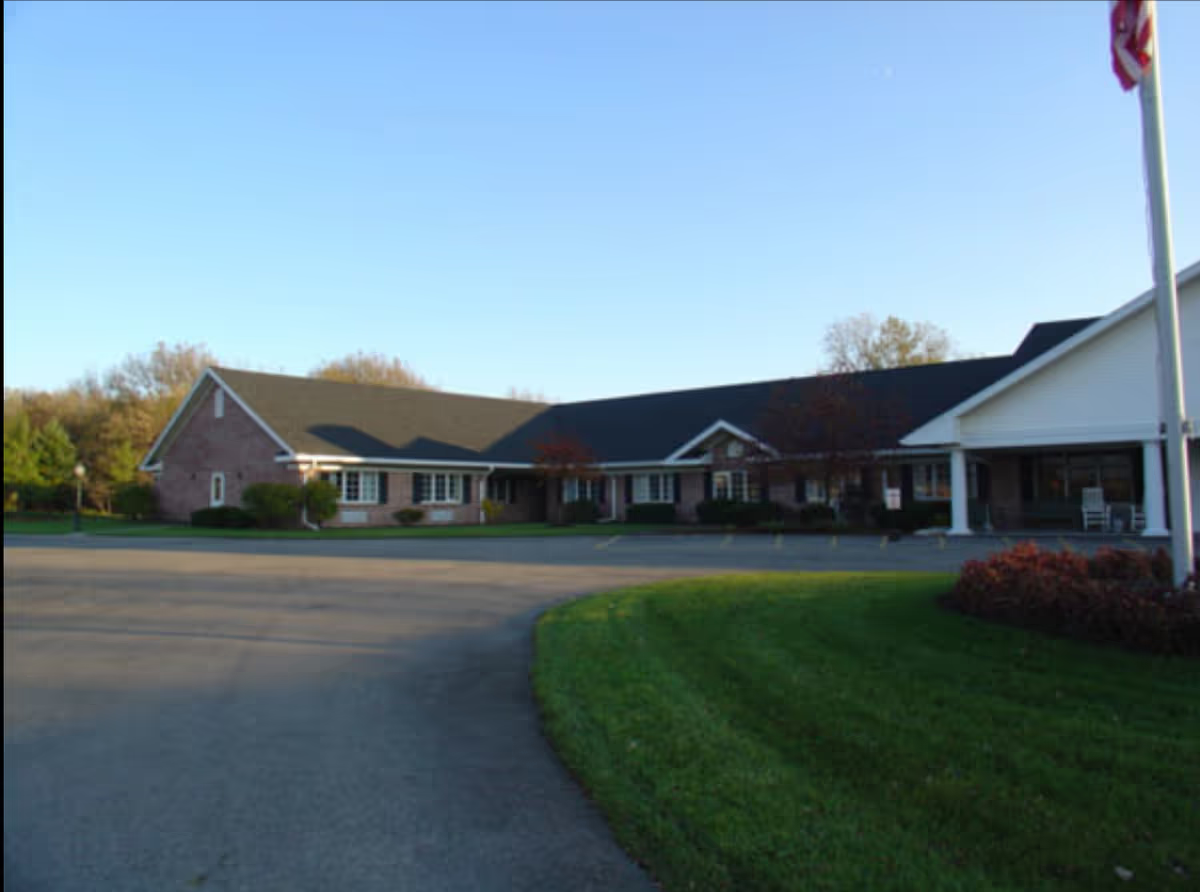
Facilities and cleanliness: The community is described as small and well-maintained, with nicely appointed apartments (kitchenettes, refrigerators, microwaves), fresh paint and carpeting in hallways, and an overall welcoming aesthetic. That said, there are localized sanitation and cleanliness concerns noted in an auxiliary or country kitchen and comments about limited evening access to a lounge area (unavailable after 8pm). Ask about housekeeping schedules, cleaning responsibilities for secondary kitchens, and access to common areas throughout the day.
Management and operations: Several reviewers expressed frustration with management responsiveness and with inconsistent follow-through on promised actions. Some families felt communication could be more transparent and collaborative when raising safety or care concerns. There are also operational patterns to consider: restrictive access procedures in the secured memory unit may require staff to unlock doors for visits, and some families reported needing to advocate actively to get timely responses. Prospective families should discuss visitation policies, escalation paths for clinical concerns, and examples of how the facility has addressed past quality issues.
Notable patterns and recommendations: Strengths center on individual caregiver compassion, a well-regarded memory-care program, and an attractive, small-community environment. Persistent operational issues include variable staffing, medication-management gaps, inconsistent cleanliness in some support areas, mixed meal quality versus cost, and management follow-through. Before deciding, families should tour both general assisted-living and memory-care areas, meet with clinical leadership, request staffing ratios and medication-administration procedures, review current menus and activity schedules, and clarify visitation/access rules for the secure unit. Doing so will help determine whether Wolk Manor’s clinical strengths and community features align with a prospective resident’s needs and family expectations.