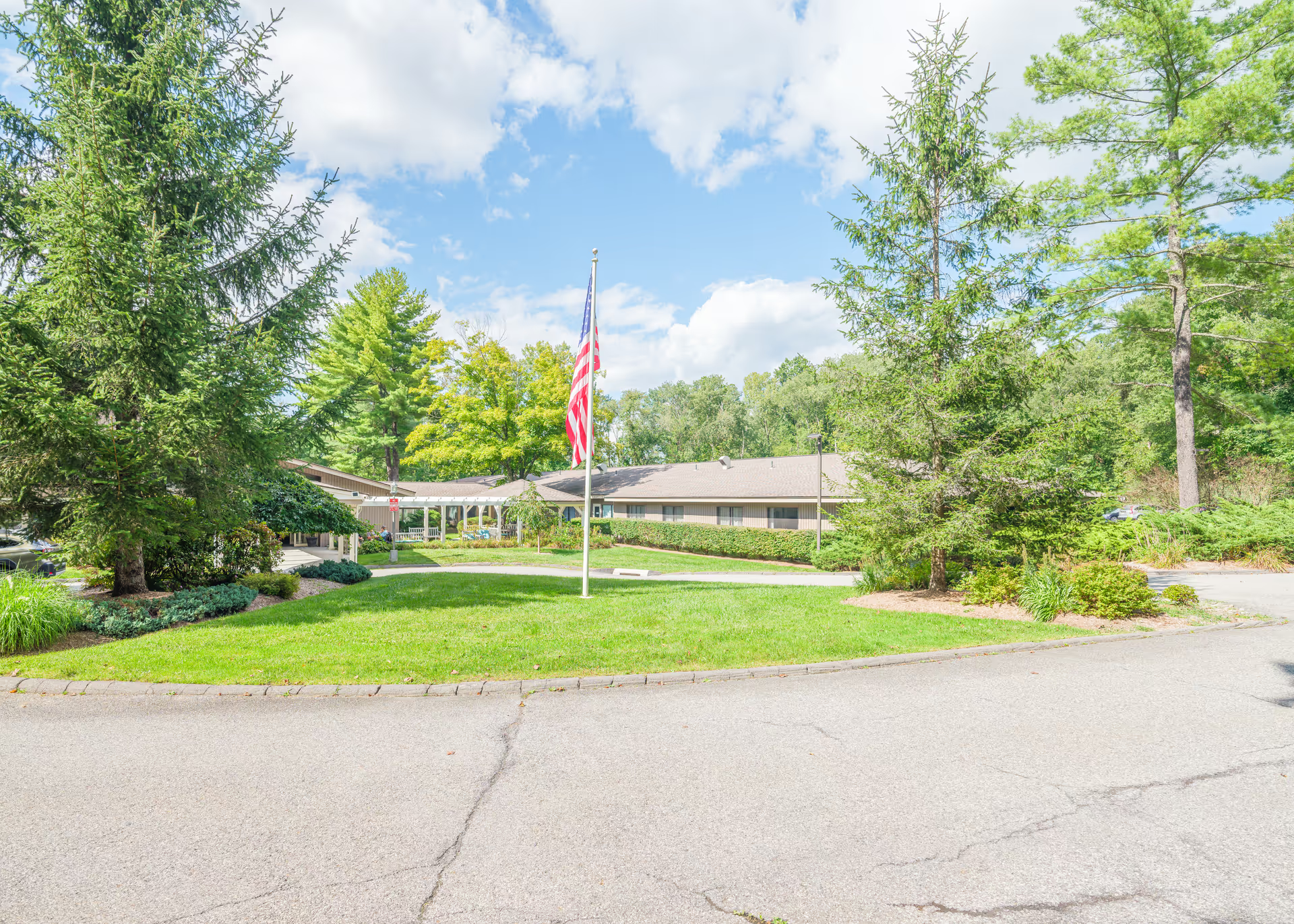
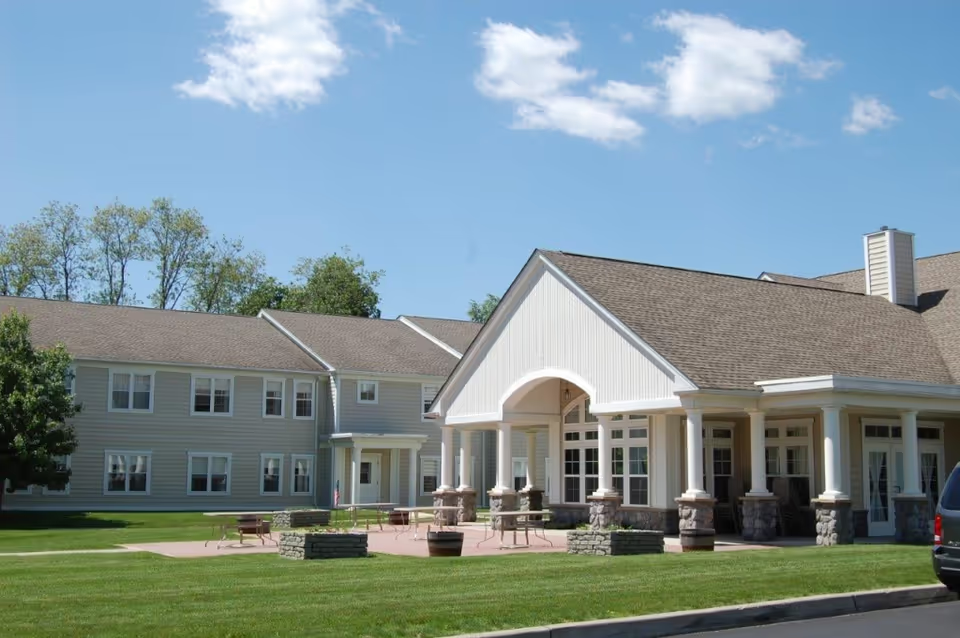
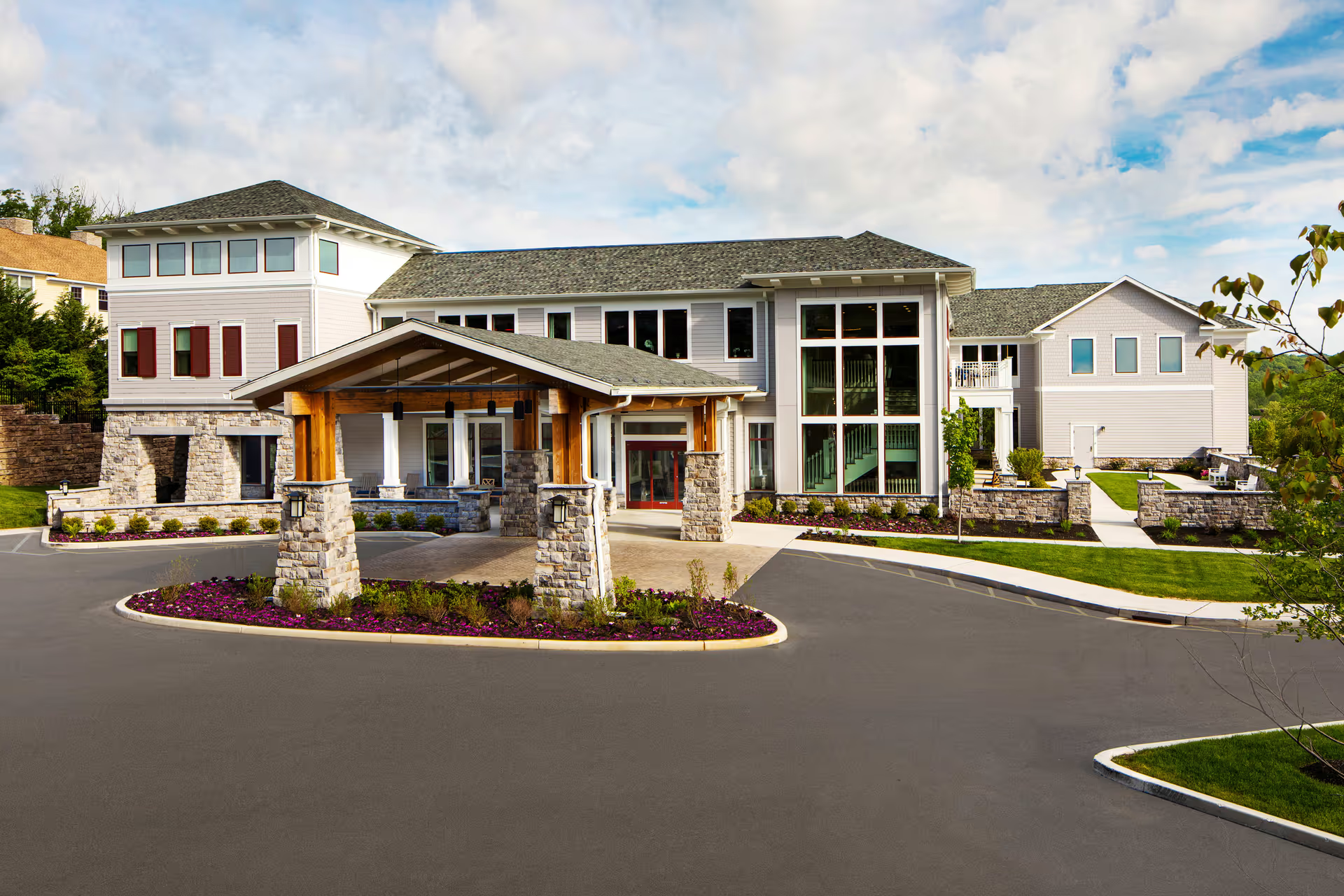
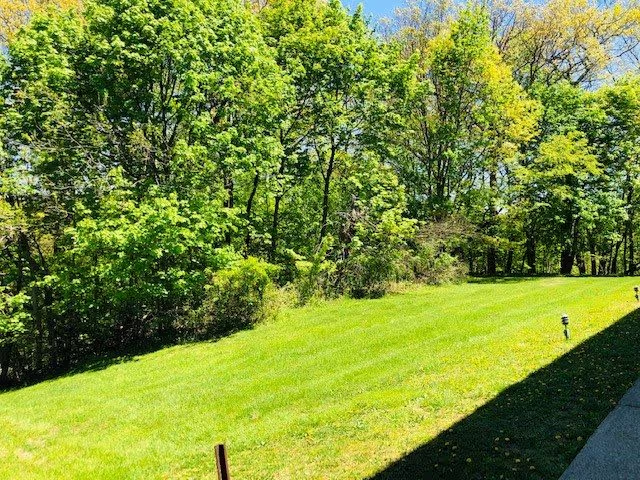
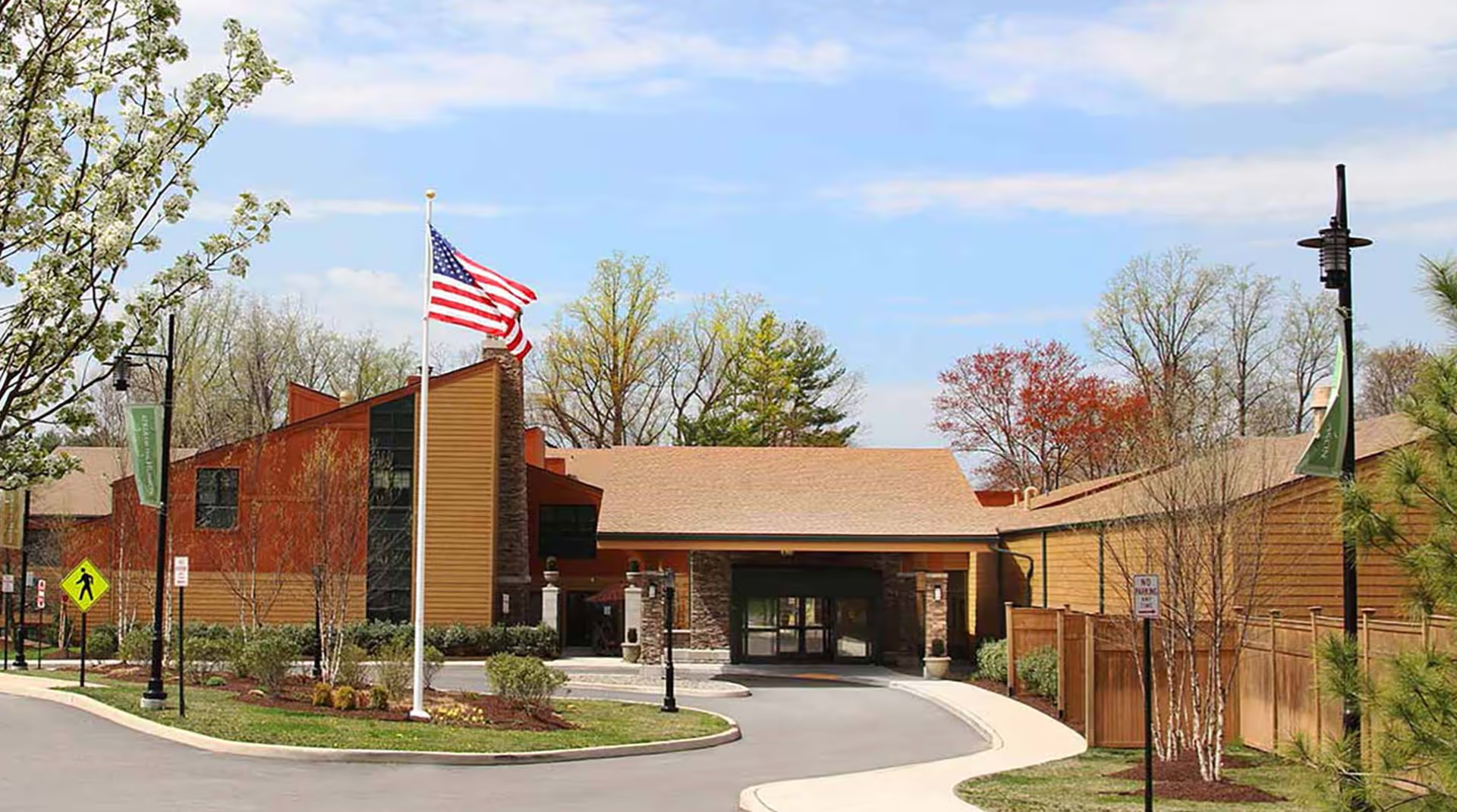
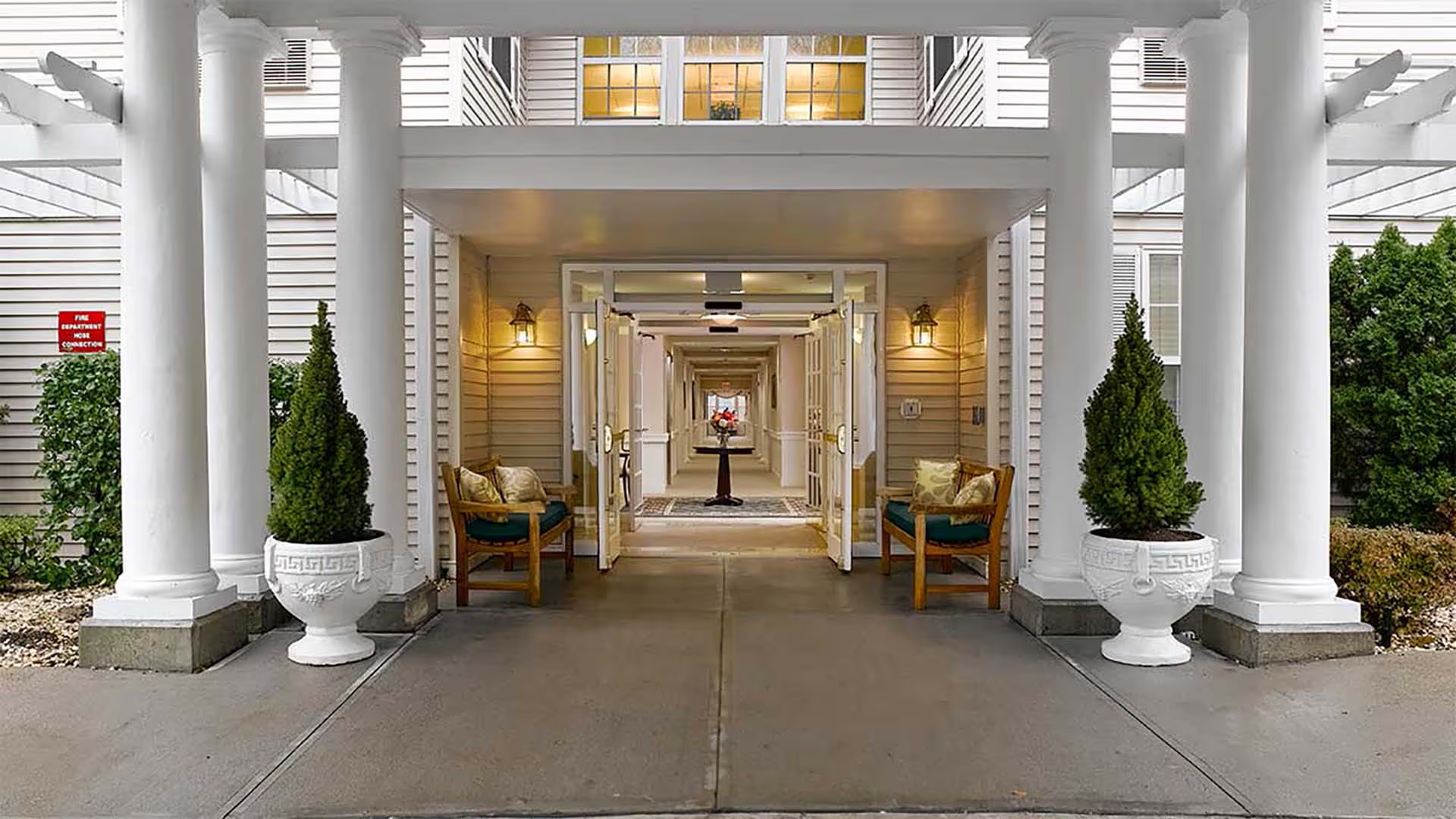
The Paramount at Somers elicits strongly polarized experiences. A substantial body of feedback praises the facility’s rehabilitation services, physical and occupational therapists, and a number of individual clinicians who are described as compassionate, effective, and instrumental in patient recovery. The physical plant, campus and private rooms receive consistent positive mention: reviewers commonly note clean, bright interiors, pleasant grounds and well‑appointed rehab spaces. Activities, social programming, concierge/transportation offerings, and supportive social work are also frequently cited as strengths that contribute to a positive short‑term rehab experience.
At the same time, a pattern of operational weaknesses recurs across reviews. Staffing levels—especially on nights and weekends—are a central concern and are linked to delays in assistance, missed or late medication administration, and lapses in routine care. Caregiver competence and conduct are described as inconsistent: many families praise nurses and therapists, while others raise concerns about aides’ attentiveness, tone, and training. Several reviews describe clinical oversights and medication administration issues that indicate gaps in clinical oversight, documentation transfer and clinical‑incident follow‑up.
Sanitation and incontinence‑care processes are another area of concern in certain units, with odor concerns and inconsistent hygiene practices noted. Dining quality and dietary management are described as highly variable—some families reported satisfactory meals and improvements, while others described repetitive menus or inappropriate diet choices for medically sensitive residents. Safety practices related to transfers and fall prevention also emerge as a recurring theme; some reviewers identified missed injuries or delayed recognition of needs, suggesting opportunity for improved transfer‑safety training and monitoring.
Management and communication show mixed performance. Some families found administration responsive and hands‑on, while others describe slow or inadequate follow‑up after incidents, billing or property issues, and limited weekend physician availability. There are also serious allegations about leadership conduct and regulatory deficiencies mentioned in reviews; these items lie outside routine quality complaints and warrant direct inquiry during any evaluation of the facility.
Practical implications for prospective residents and families: Paramount may serve well as a rehabilitation‑focused option where strong therapy resources and a pleasant environment are priorities. For medically complex or high‑dependency residents, families should proactively assess staffing levels (including night/weekend coverage), medication‑safety protocols, transfer and fall‑prevention procedures, infection‑control measures, and communication/incident‑reporting practices. During a tour or intake conversation, request specific examples of staffing ratios, weekend physician coverage, how medication errors are tracked and addressed, housekeeping/incontinence protocols for specific units, and how the facility responds to family concerns. These targeted questions can help align expectations with the facility’s operational realities as reflected across reviews.