Overall impression: The review set presents a polarized picture. Many accounts emphasize compassionate caregiving, successful rehabilitation outcomes, a warm, home-like environment, and strong dietary and therapy services. Alongside these positive reports are serious operational concerns related to medication practices, record access, management tone, and inconsistent standards of care. Prospective residents and families should weigh both the strengths and the operational risks when evaluating the facility.
Care and staff: Numerous reviews highlight caring, attentive nurses and aides who provide dignity-respecting interactions—comforting touches, hand-holding, and individualized attention are cited. Therapy and rehabilitation are frequently praised; physical therapy success and timely discharge home are noted as strengths. At the same time, there are clear concerns about inconsistent staff professionalism and conduct. These accounts suggest variability in bedside behaviors and responsiveness across shifts or teams rather than uniformly poor performance.
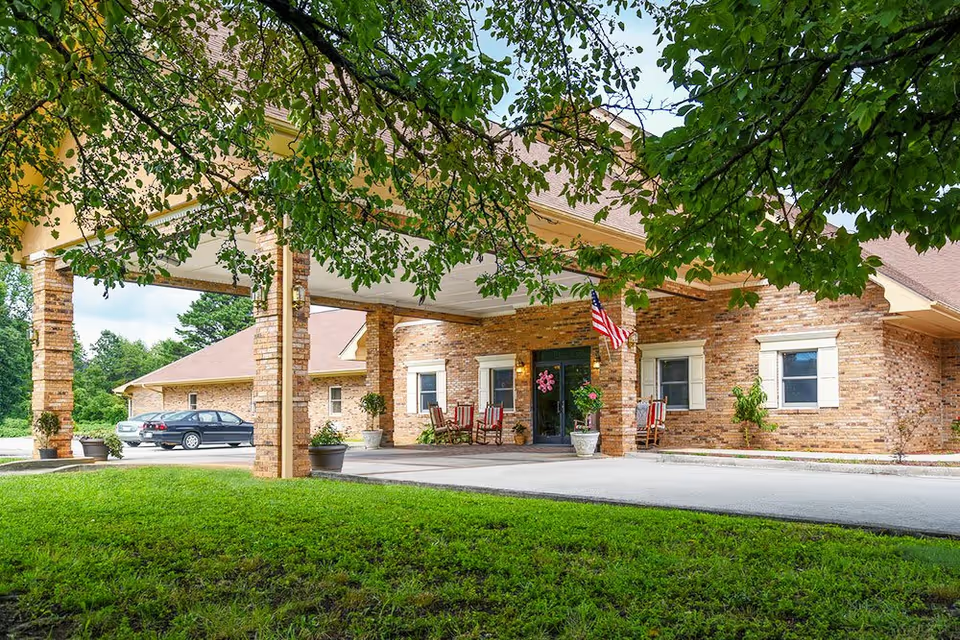
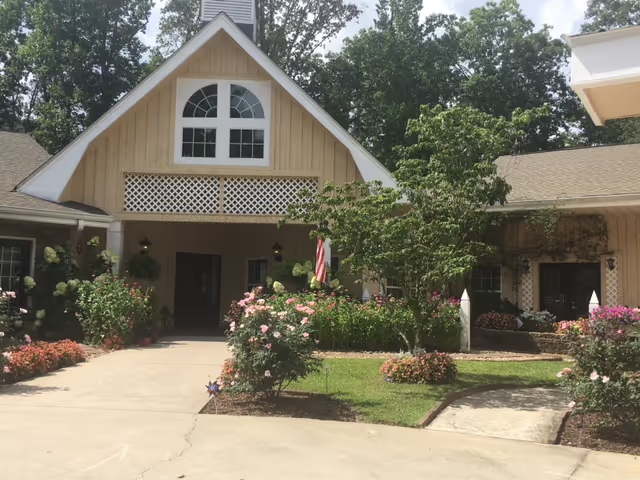
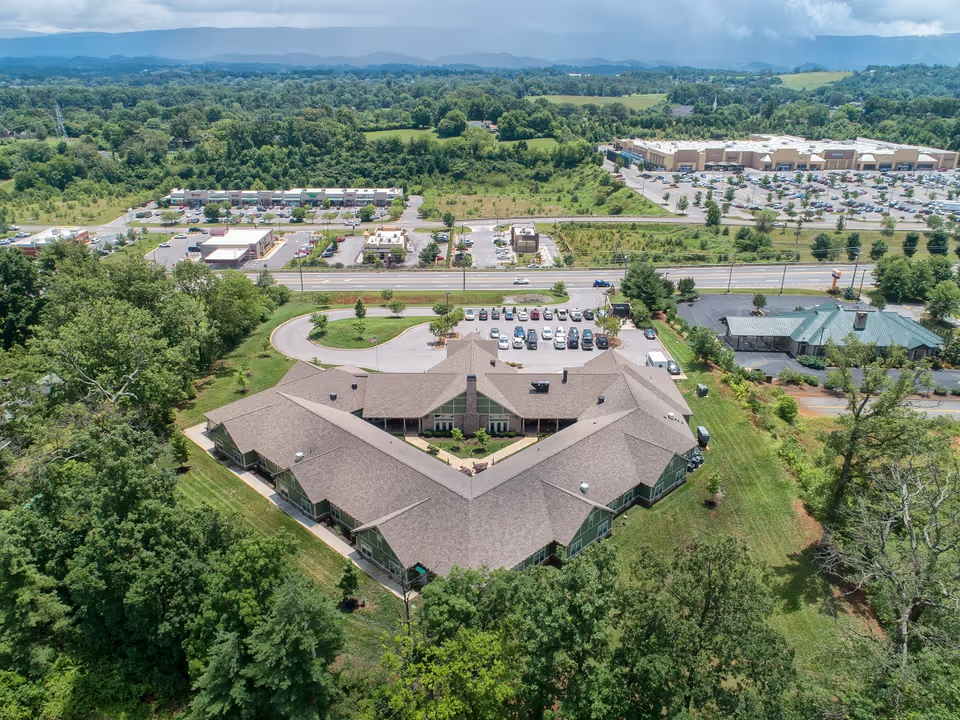
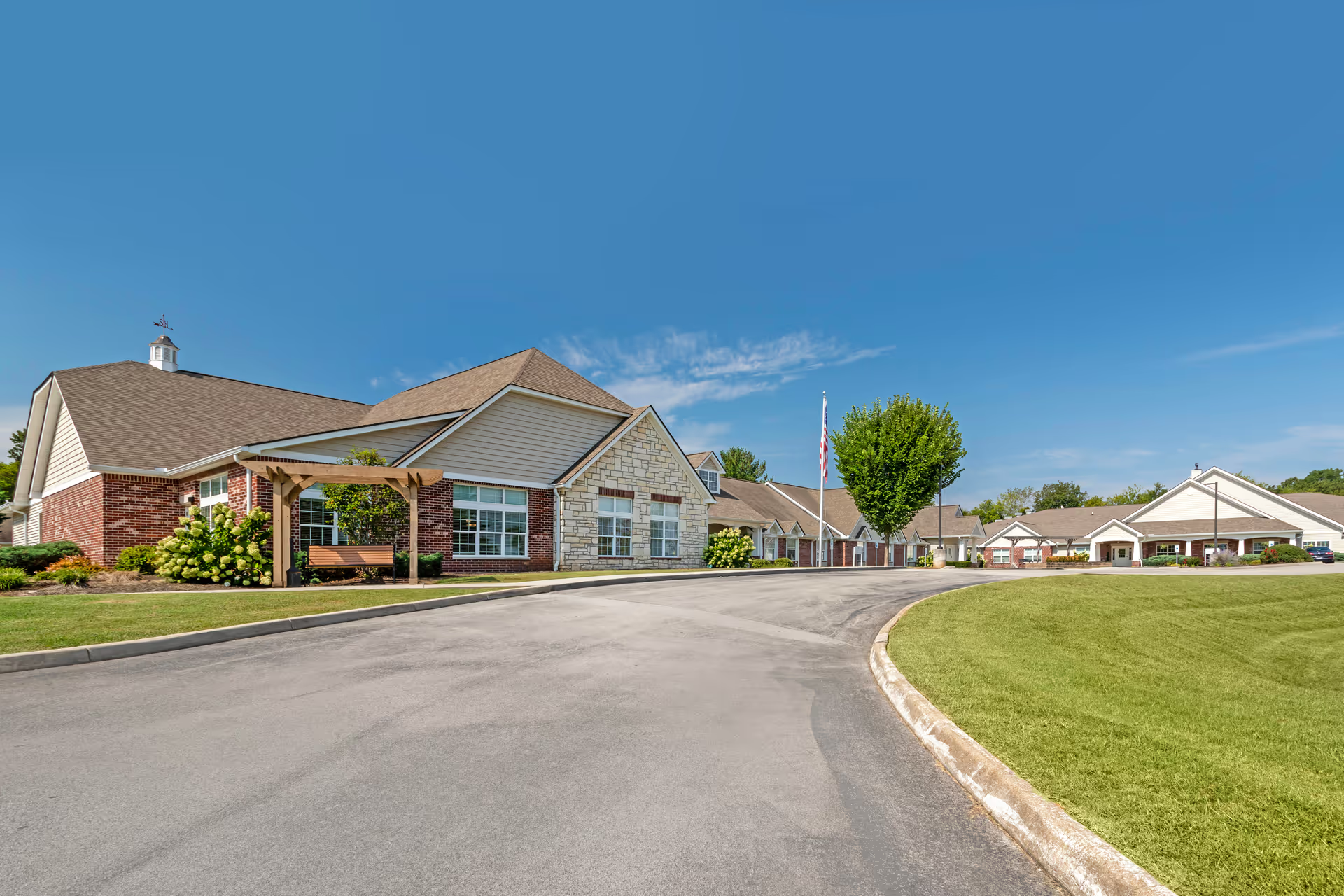
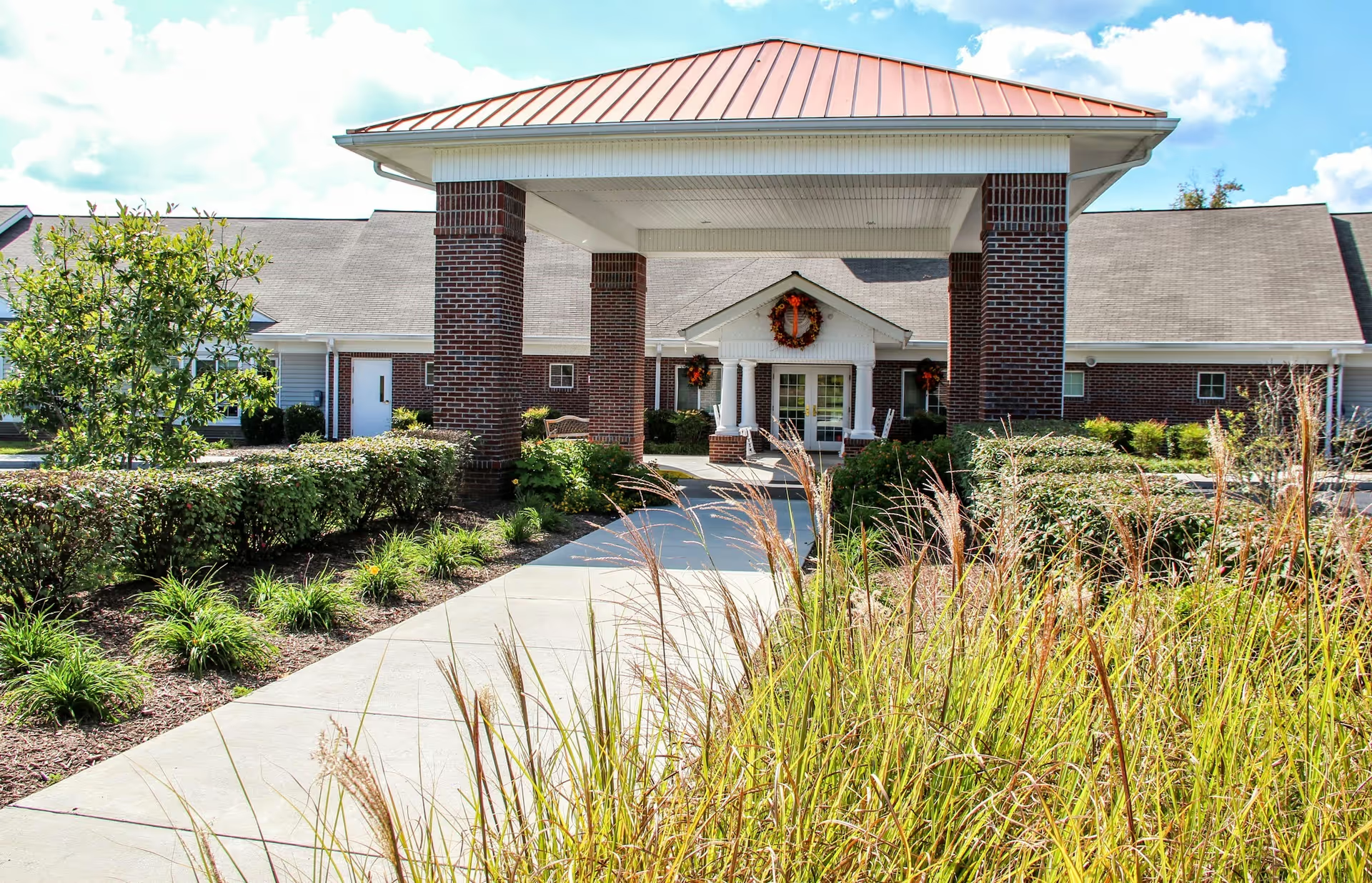
Dining, activities, and facilities: The dietary/kitchen program is repeatedly described as a high point, with residents finding palatable options and staff accommodating preferences. Activities and social programming are characterized as engaging, contributing to social connection and a family-like atmosphere. The physical facility is described as clean, well-maintained, and situated in a desirable location with strong valley and mountain views—features that contribute positively to resident quality of life.
Management, communication, and records: Several comments identify management and administrative issues as an area of concern. Themes include a brusque or aggressive communication tone from leadership, delays in providing access to medical records and documentation, and perceptions that financial priorities sometimes influence decision-making. Family communication also appears variable; while some families experience strong, open dialogue, others report difficulty getting timely information or feeling heard. Together these issues point to gaps in transparency, consistency of leadership approach, and family engagement practices.
Clinical governance and safety patterns: The most significant clinical concern across the feedback relates to medication-management and informed-consent practices. Reviewers raised specific, serious concerns about how medications and consent processes are handled—this manifests operationally as a need for clearer medication administration controls, documentation, and family notification protocols. Coupled with variability in clinical-quality standards and occasional reports of unprofessional conduct, these patterns suggest uneven oversight that prospective families should assess directly.
Takeaways for families: The facility shows clear strengths in compassionate caregiving, rehabilitation, dining, and physical environment, and many families report positive outcomes. However, the coexistence of operational concerns—particularly around medication consent, record access, management communication, and inconsistent staff professionalism—warrants careful due diligence. Recommended steps for prospective families include meeting the leadership team, asking for written medication-consent and administration policies, reviewing record-access procedures, observing staff interactions across units and shifts, and confirming therapy and dietary programs during a tour.