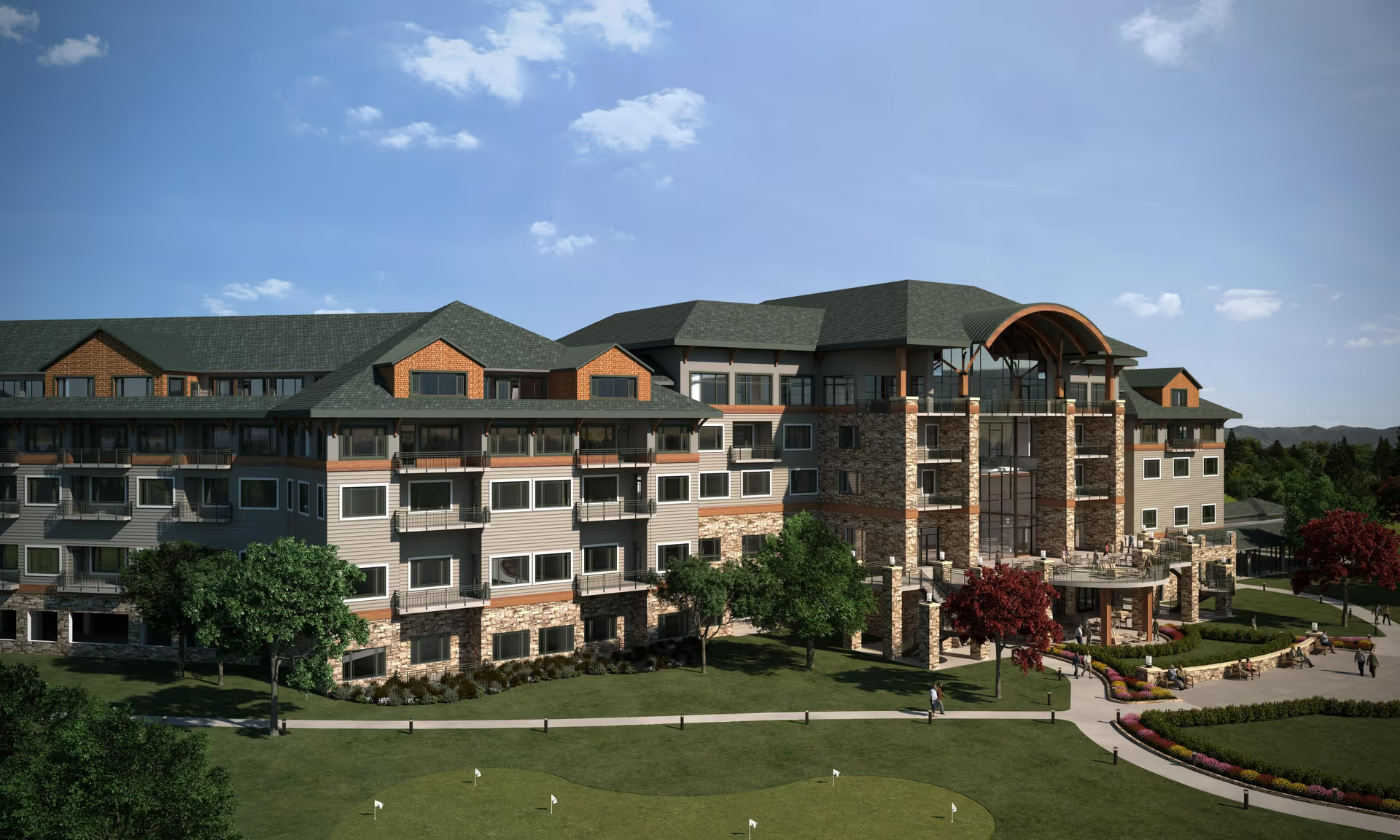
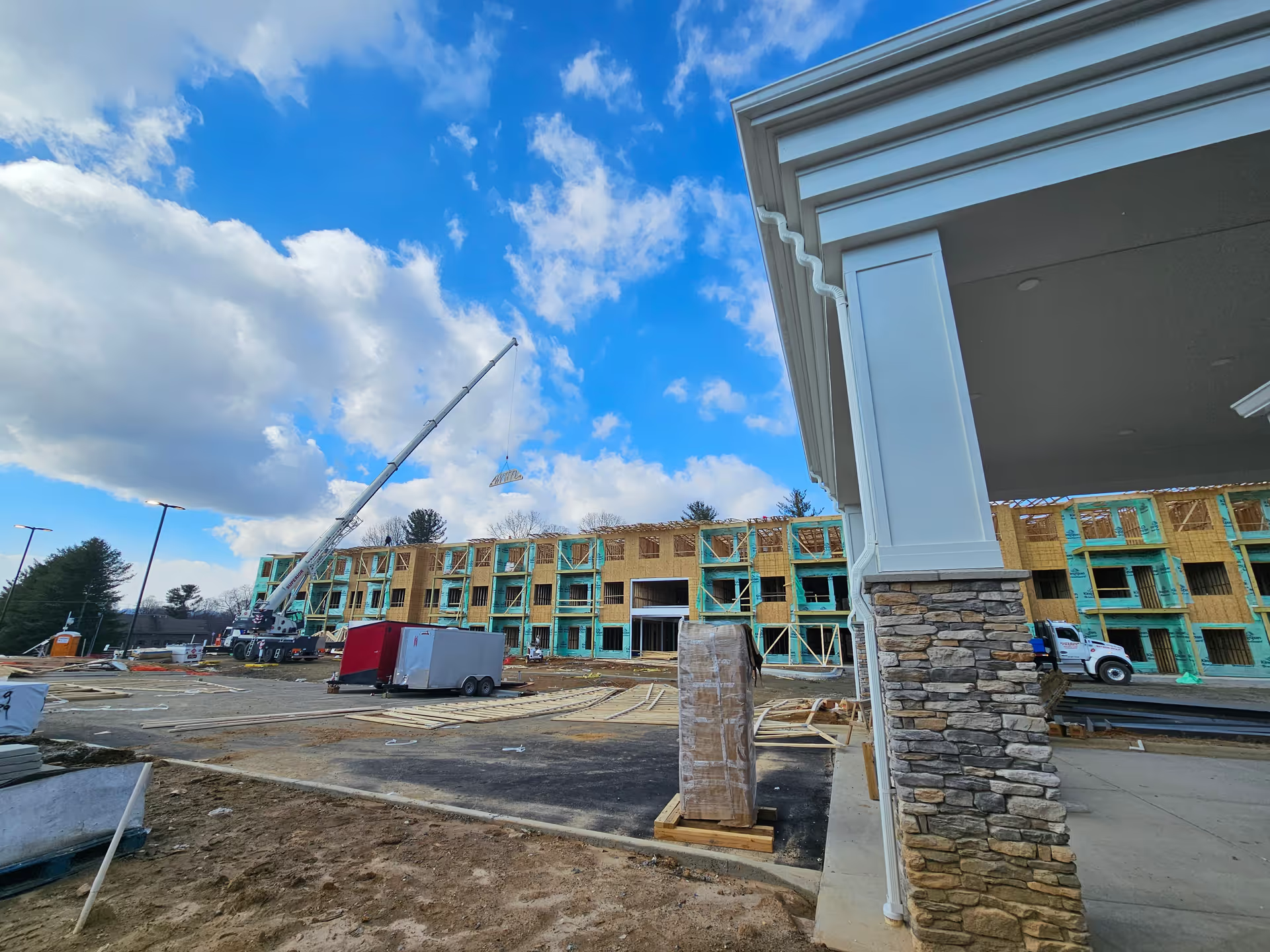
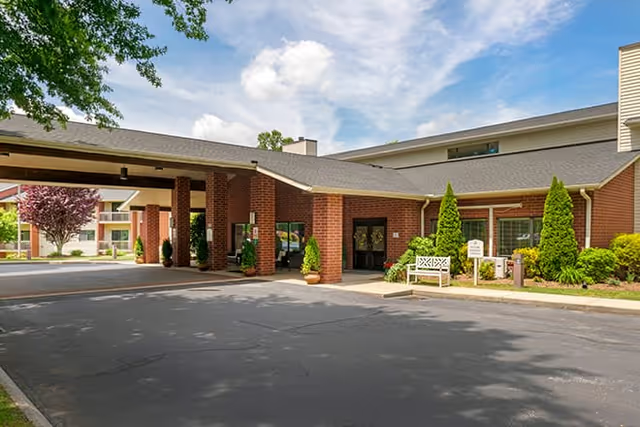
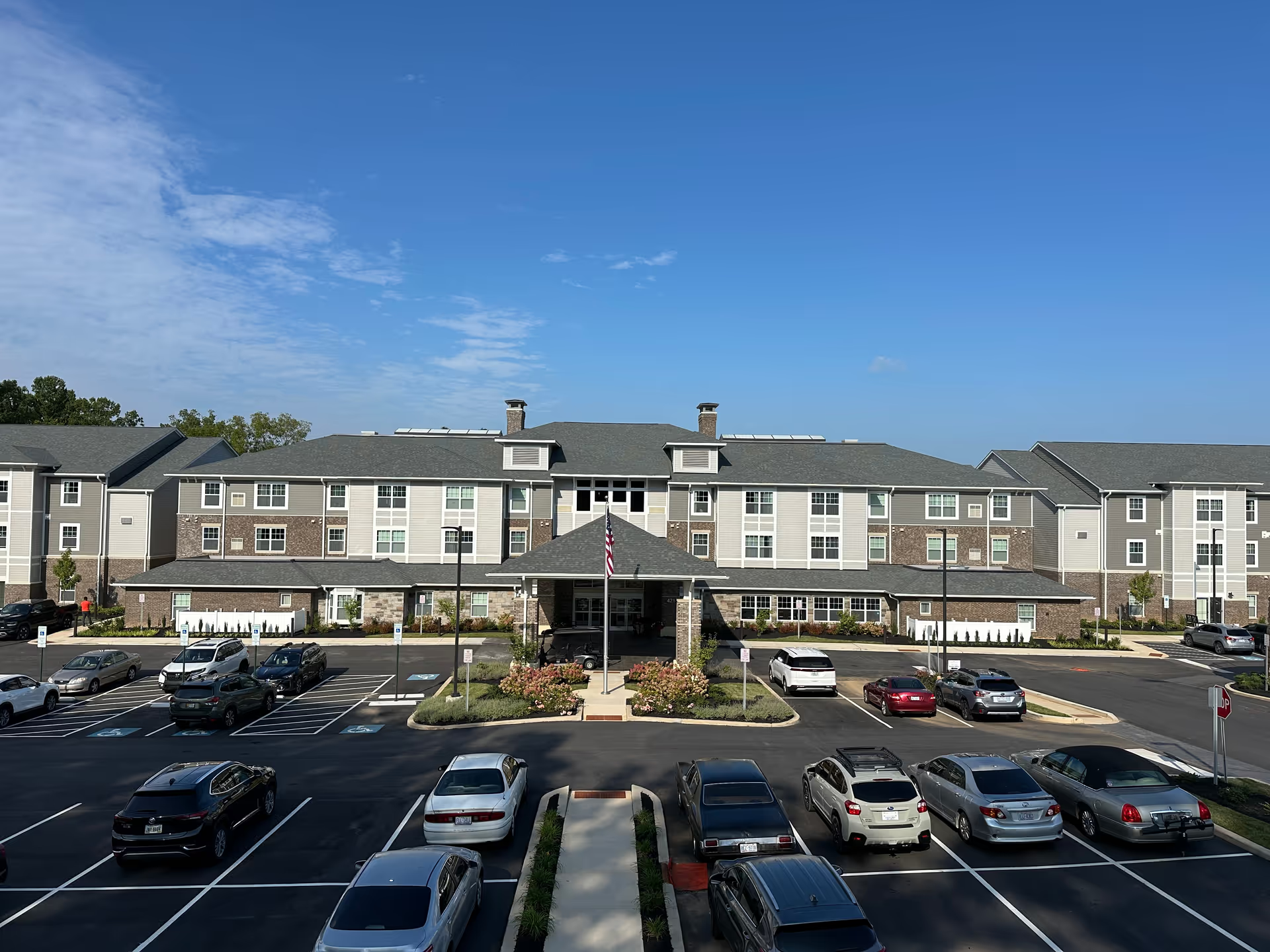
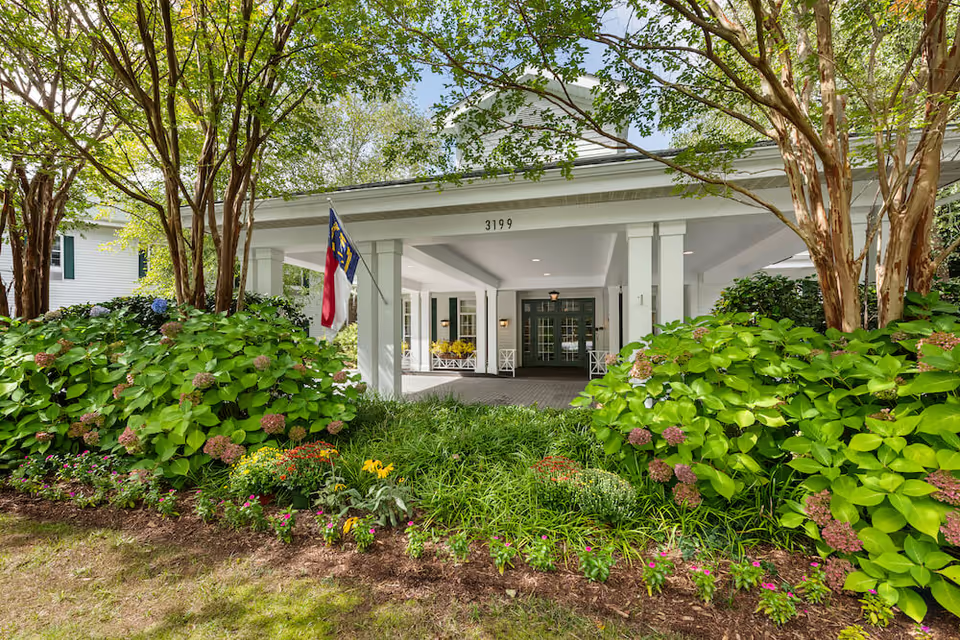
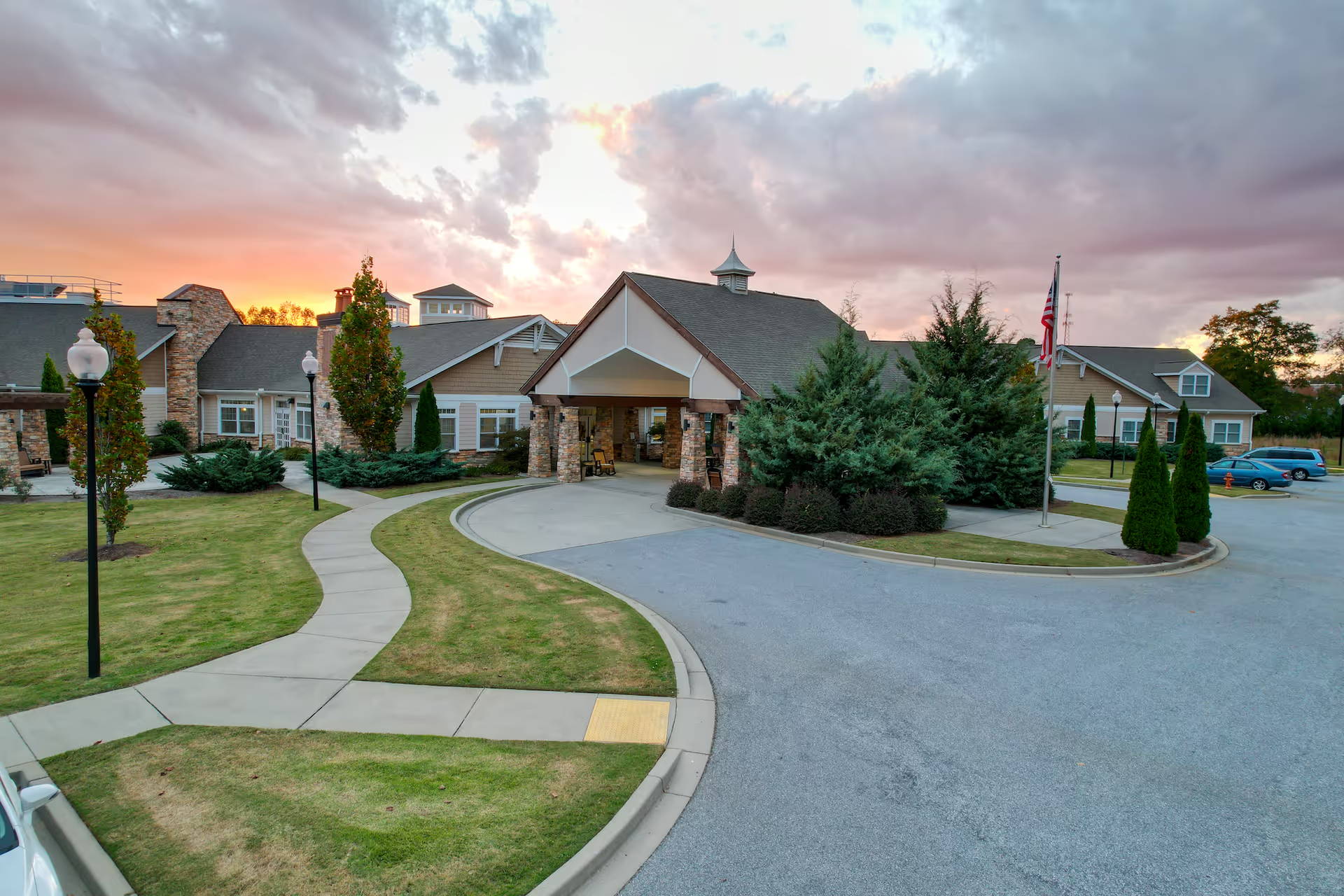
College Walk Senior Living presents a mixed but clear profile. Many reviewers describe an active, socially engaging community with a strong neighborhood feel, organized programming, and a range of on-site amenities — including a library, auditorium, movie screenings, a dining room with attentive wait staff, and recreational options such as a pool and resident computers. Apartments are described as comfortable and varied (one- and two-bedroom layouts, patios, storage and kitchens), and the grounds and common areas are frequently characterized as well maintained. Several accounts emphasize that maintenance is responsive and staff frequently resolve routine problems quickly.
Staff interactions are a prominent strength for many residents: reviewers cite friendly, helpful caregivers and front-line personnel, prompt assistance for everyday needs, and staff who foster social life and community events. Dining receives mixed but notable praise for special-occasion meals and the formal dining experience; some residents find food quality and service to be among the facility's assets. The site’s proximity to Brevard College and related cultural programming was highlighted as an added benefit for intellectually and culturally engaged residents.
However, a consistent pattern of operational concerns emerges in multiple summaries. The facility appears to have limits in clinical capacity: reviewers describe situations where higher-acuity care needs exceeded what staff and the facility can provide. Relatedly, several reviews describe short staffing or staffing levels that are insufficient when residents’ needs escalate. These capacity limits have manifested as abrupt discharges or very short-notice transition requests, and families cite inadequate discharge planning and communication during those events.
Communication and administrative practices are another recurrent theme. Multiple accounts describe inconsistent or brusque communication tone from management or supervisory staff, and questions about transparency around additional charges for increased assistance. Reviewers note variability in housekeeping frequency and in meal quality over time, suggesting inconsistencies in service delivery. Taken together, these items indicate gaps in operational consistency — especially around care-continuity, fee transparency, and family communication — that prospective residents and families should assess directly.
For families evaluating College Walk, the facility may be a solid fit for independent or low-dependency assisted living residents who value an active social program, maintenance responsiveness, and access to on-site amenities. Prospective residents should verify clinical capabilities and staffing ratios for higher-acuity needs, review the contract for fee schedules related to additional care, ask for the facility’s discharge and transition policies, and request current housekeeping and dining schedules. These checks can help align expectations about care levels, costs, and operational consistency with the positive lifestyle features the community offers.