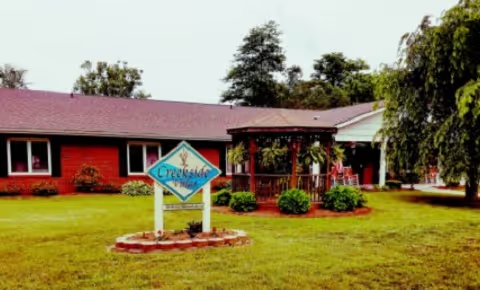
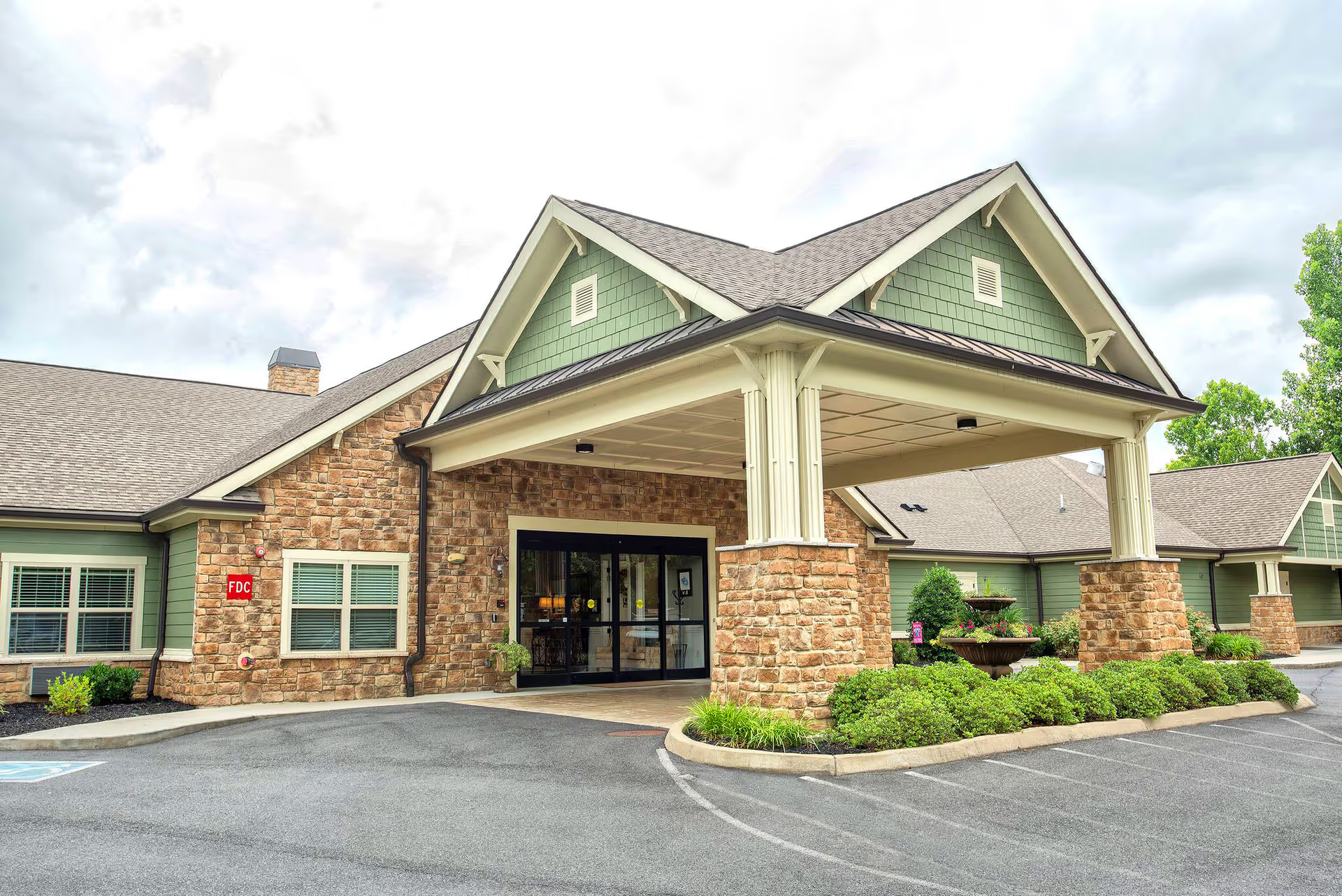
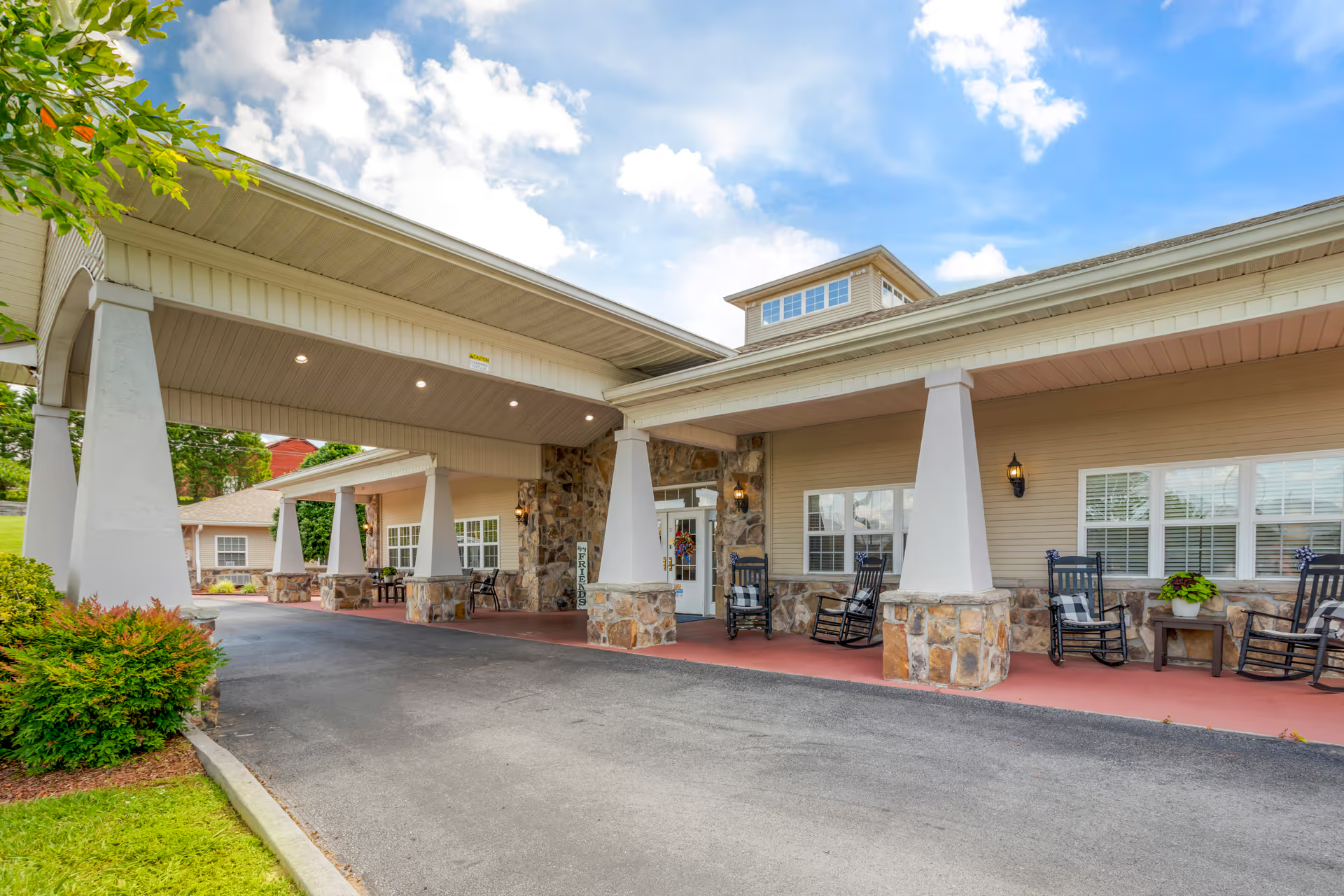
The reviews present a mixed but clear pattern: many accounts praise the facility’s environment, activities, and individual caregiving staff, while others raise operational and safety concerns that warrant attention. Positives highlighted consistently include an attractive, well-maintained physical environment, a range of activities and therapy programs, regular social events, and meals that are often described as appealing. Several reviewers emphasized compassionate, courteous nursing and caregiving staff who create a family-like atmosphere and contribute to improved resident quality of life.
Care quality and staff: Strengths appear to center on individual caregivers and nurses who are described as attentive, kind, and hardworking. These staff members are credited with strong hands-on care, warmth toward families, and dedication to residents’ wellbeing. Counterbalancing those accounts are recurring concerns about workforce stability. Reviews indicate staffing shortages, instances of unresponsiveness to call signals, and variability in staff training and conduct. These operational staffing issues are linked to delays in attending to resident needs and inconsistent caregiving practices.
Dining and activities: Activity programming and therapy services are commonly viewed as assets; residents reportedly benefit from rehabilitation services and organized events, including themed meals and fellowship opportunities. Dining receives mixed feedback — several accounts praise meal presentation and special events, while others indicate inconsistency in meal service continuity and quality, suggesting variability between shifts or units.
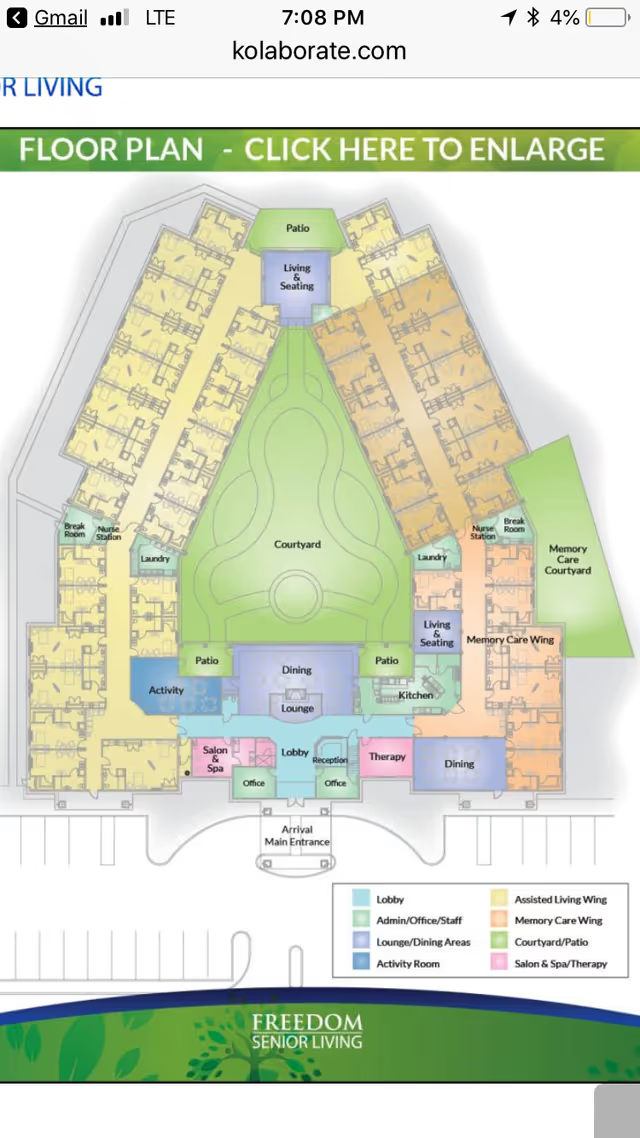
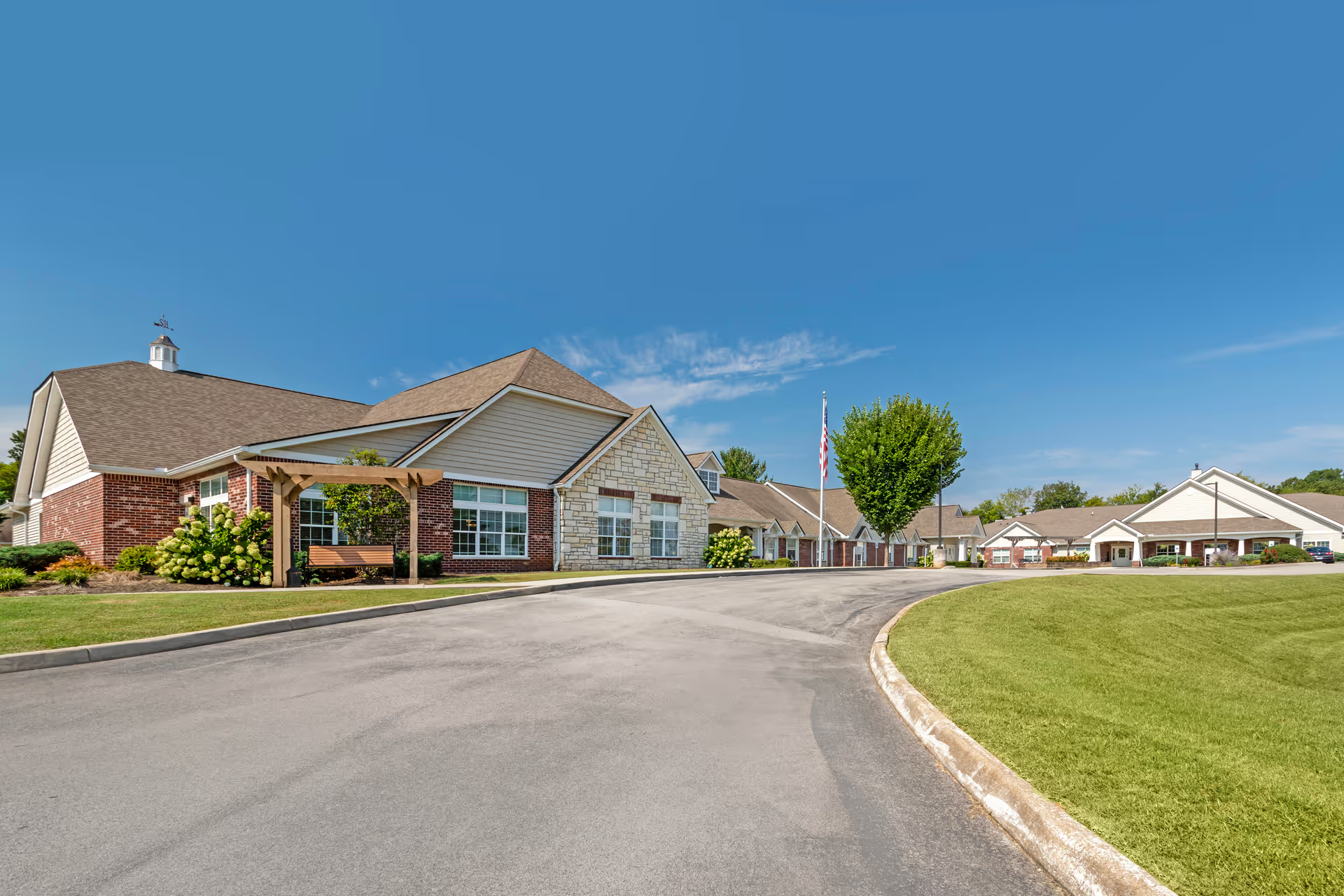
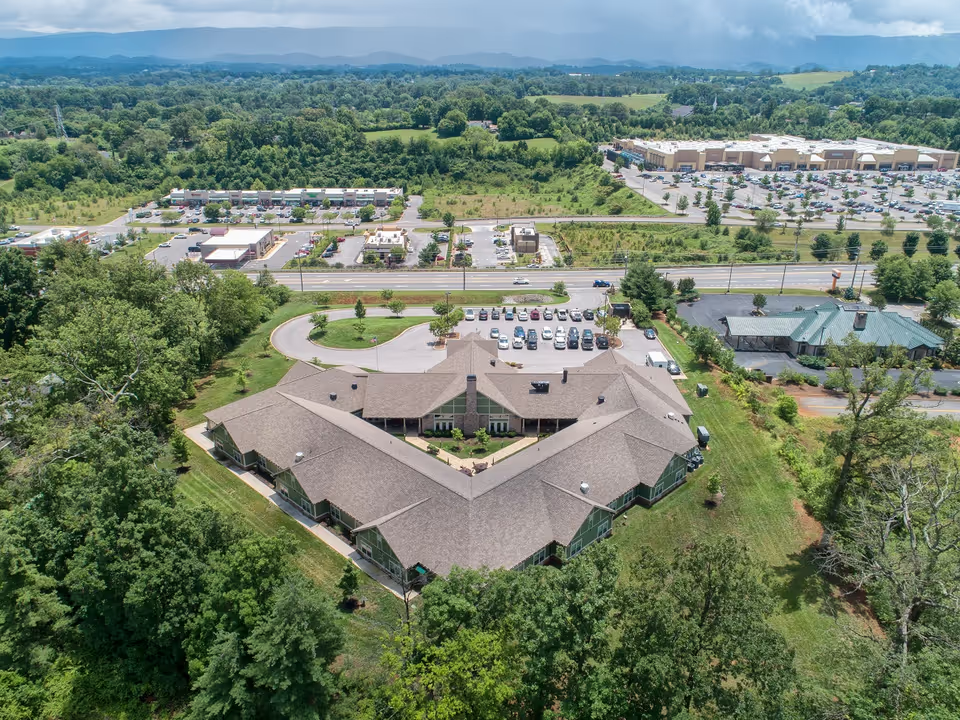
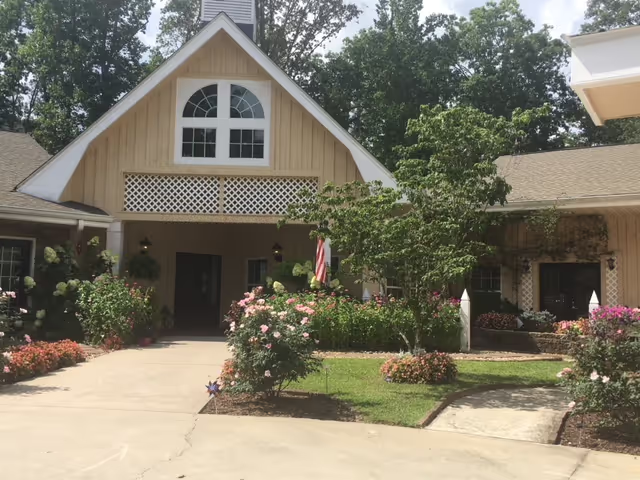
Facilities and hygiene: The facility’s physical plant and inviting atmosphere are frequently mentioned positively. At the same time, there are substantive sanitation and odor concerns and inconsistent housekeeping practices reported in other accounts. These describe variability in cleanliness and bathing/incontinence care schedules, which contribute to perceptions of uneven overall maintenance.
Management and communication: Management-related themes are a significant source of divergence. Some families describe proactive communication and a helpful administrative team; others describe adversarial interactions with social-work staff and concerns about transparency in memory-care assignments or administrative decisions. Critical communication-system failures (including unreliable phone service and breakdowns in notification processes) are highlighted as operational risks that can impede family contact and clinical coordination and create the potential for loss of critical information.
Safety and clinical oversight: Reviewers raise concerns about medication-management processes and dementia-specific supervision. Descriptions point to medication-administration gaps and limited wander-management planning in memory-care settings. Together with staffing variability and communication failures, these issues suggest gaps in clinical oversight and emergency responsiveness that prospective families should evaluate.
Recommendations for prospective families: The facility shows clear strengths in programming, therapy services, and many individual caregivers. However, patterns around staffing reliability, sanitation consistency, call-response times, medication controls, dementia-care planning, and communication systems repeat across accounts. Prospective residents and families should tour the facility, ask about current staffing ratios and turnover, review medication-safety protocols, confirm incontinence- and bathing schedules, inquire about memory-care wander plans, and test communication pathways (including phone access and call response times) before making placement decisions.