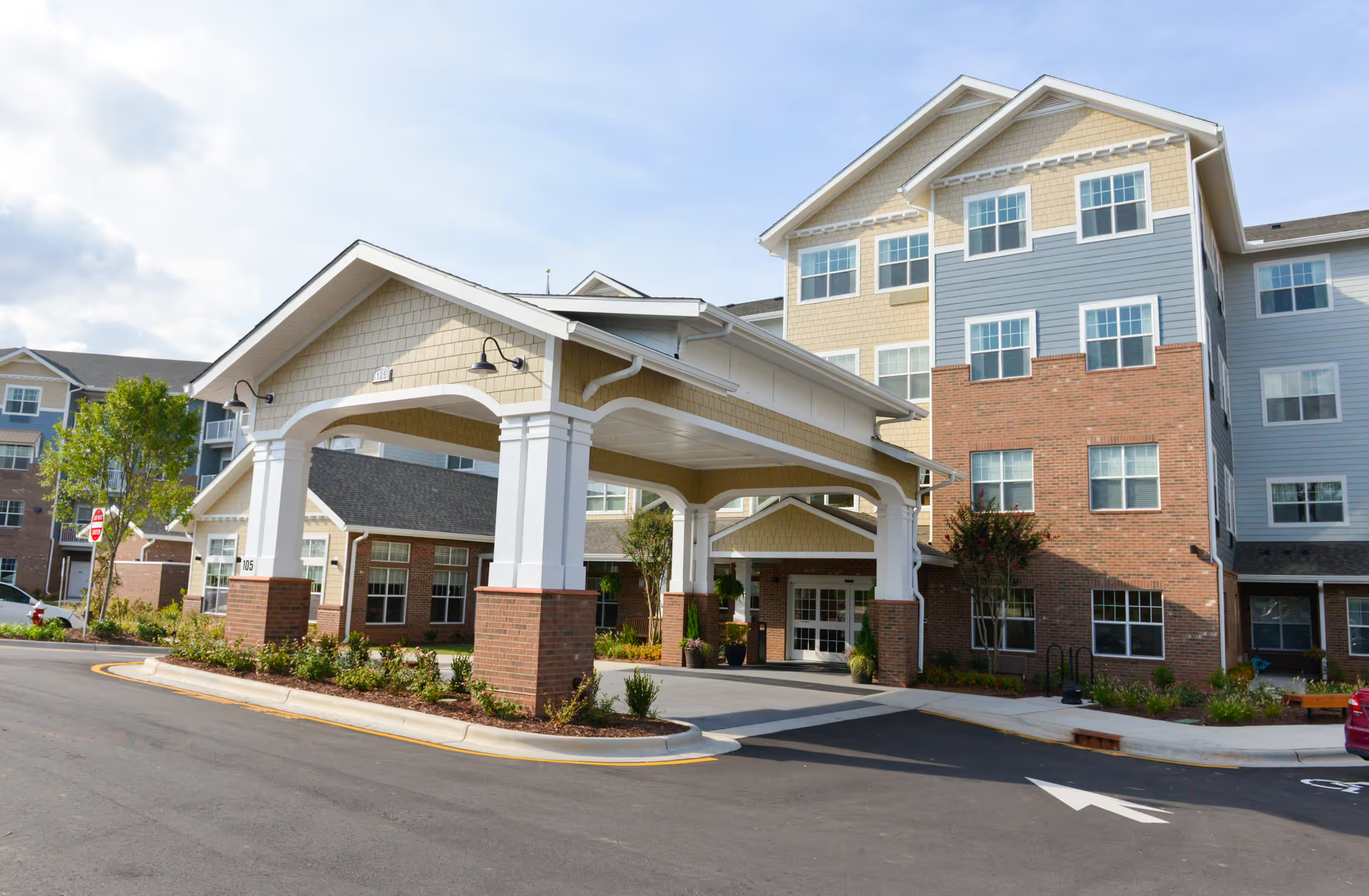
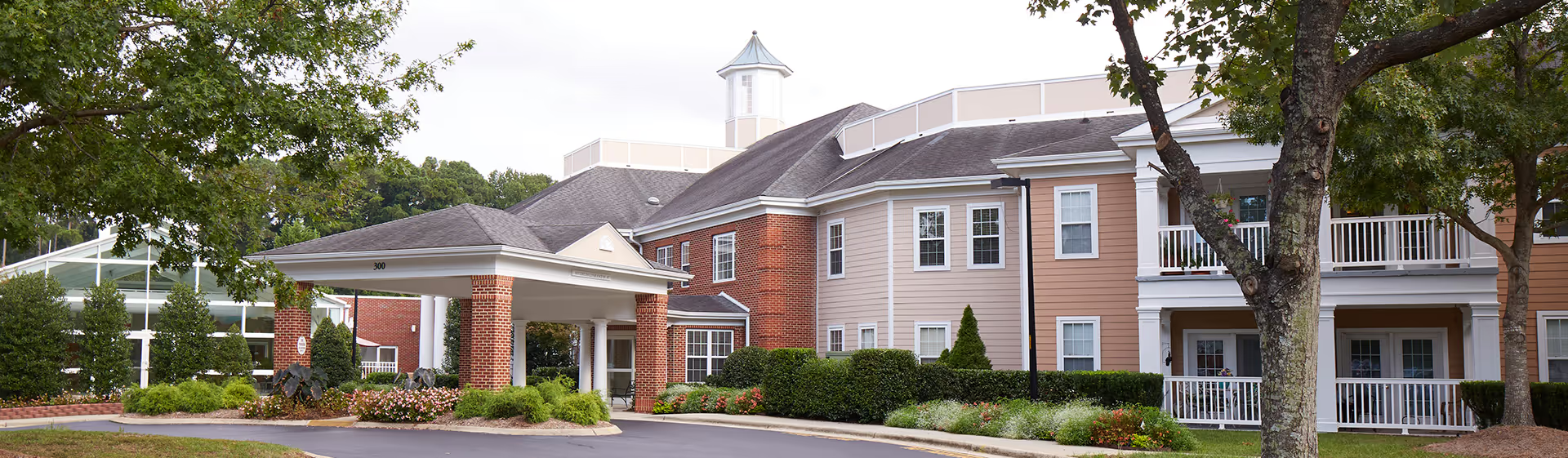
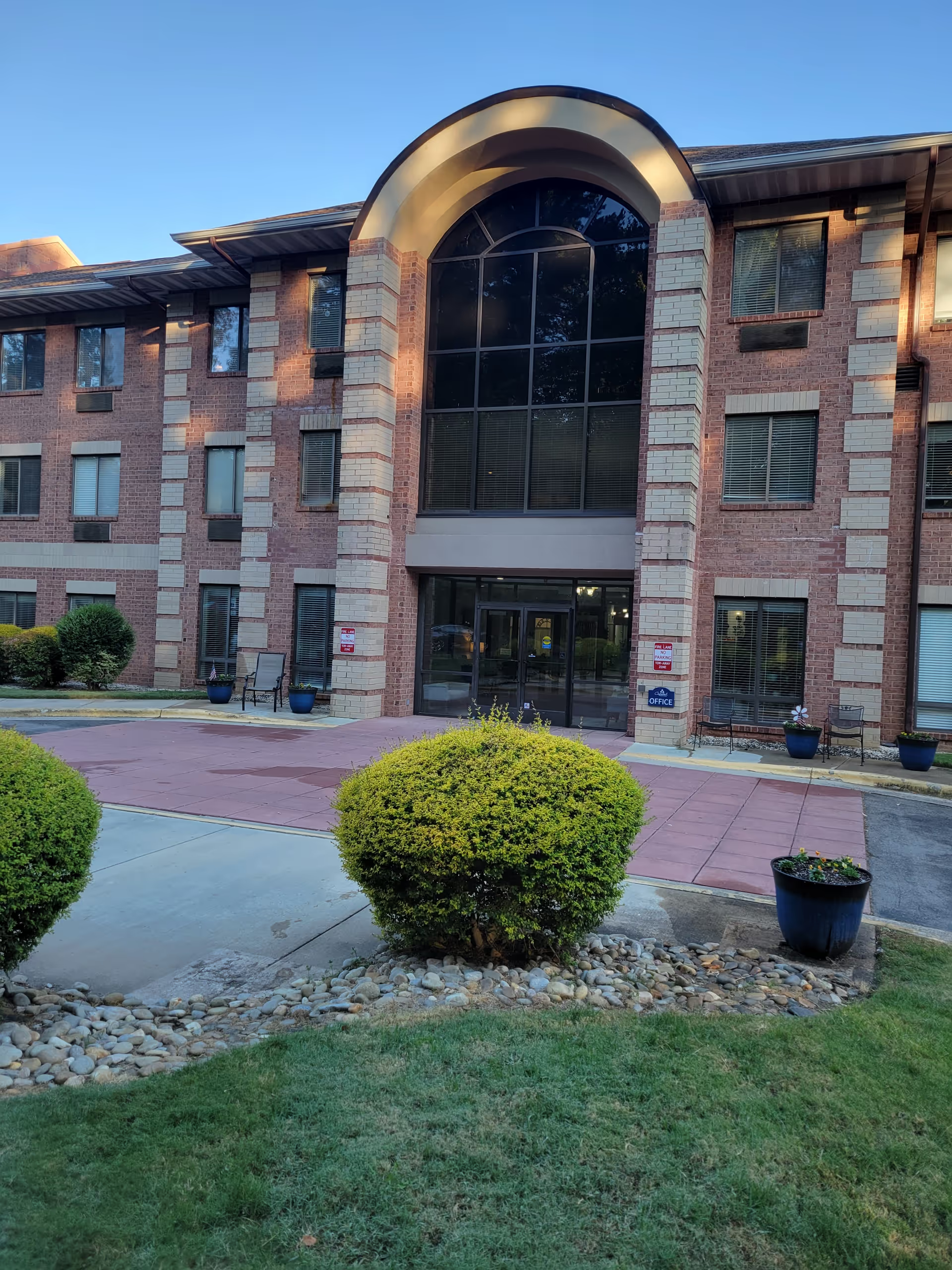
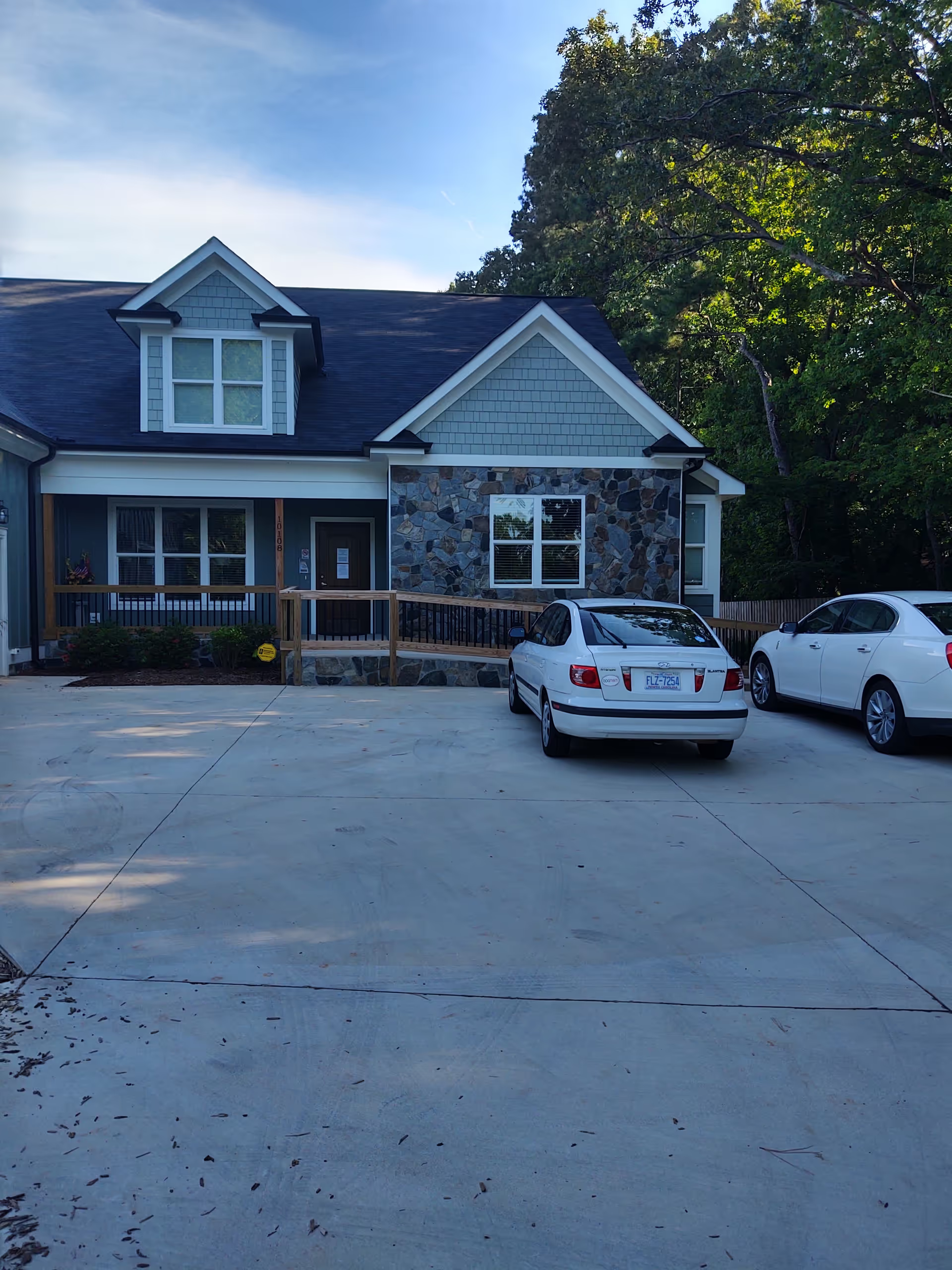
Overall sentiment about Brookdale Cary is mixed, with a clear pattern of strengths around person-centered memory care programming and notable operational weaknesses that families should evaluate during a tour. Many reviewers praised the staff’s compassion, the facility’s dementia-focused expertise, and an active calendar of activities and outings. The community’s village-style layout, multiple courtyards, and secure memory-care environment are frequently described as home-like and inviting. Dining is another commonly cited strength: menus are described as fresh, varied, and appealing, with special dining events and attention to resident preferences.
Care quality is characterized by genuine, attentive caregivers and staff who often know residents by name and provide dignity-focused interactions. The community appears well-suited to residents in the early to mid stages of memory impairment, with occupational and therapeutic services noted and a range of memory-focused programs (music, crafts, exercise classes, family education nights, and outings). However, reviewers also described variability in caregiver experience and execution. Staffing patterns — including high turnover and regular use of agency staff — create inconsistent day-to-day coverage. Several accounts indicate uneven night-shift presence and supervision, which raises concerns about continuous clinical oversight and safety for residents with higher acuity.
Activities and dining are clear programmatic strengths. The activity schedule is described as broad and creative, with regular themed events, exercise, Bingo, sing-alongs, and offsite outings. Participation levels vary by resident; families should consider whether the activity mix and transportation offerings match their loved one’s interests and mobility. Dining is often commended for quality and variety, though some reviewers experienced inconsistencies; prospective families may want to sample menu options and ask about special-diet accommodations.
Facility condition and operations show a split picture. Many reviewers describe bright, well-maintained common areas, secure indoor “town square” spaces, and pleasant courtyards. Conversely, there are intermittent sanitation and odor concerns, delayed maintenance (for example HVAC or plumbing repairs), and variability in room condition and housekeeping detail. Laundry and lost-or-misplaced-item issues were raised by several families, suggesting process weaknesses in housekeeping and personal-item tracking.
Management and communication present a mixed record. Several families praised engaged leadership, responsiveness, and family-focused events. Other reviewers described gaps in administrative follow-through, inconsistent communication after clinical incidents, and a perception that marketing expectations do not always align with day-to-day service delivery. Pricing and fee structure were noted as a concern by some families who felt cost was high relative to the consistency of staffing and services; additional charges for one-on-one care were also mentioned.
Recommendation guidance: Brookdale Cary may be a good fit for families seeking an active, memory-focused community with warm staff and robust programming, particularly for residents who are ambulatory and in earlier stages of dementia. Families of residents with advanced mobility limitations or who require bed-bound nursing care should carefully evaluate the facility’s clinical capacity and overnight staffing. Prospective residents and families should verify current staffing ratios (including night coverage), agency-staff usage, incident-response protocols, housekeeping and laundry processes, maintenance turnaround times, and the total cost of care (including any add-on fees) during an in-person visit and follow-up conversations with leadership.