Overall impression: Reviews present a mixed picture of Cary Health and Rehabilitation Center. Many families and patients praised individual caregivers, therapy teams, and admissions staff, while others described recurring operational weaknesses that have affected care continuity and family confidence. The facility appears capable of delivering strong rehabilitative outcomes for some patients, but persistent issues with staffing, communication, and maintenance create variability in the resident experience.
Care quality: The facility’s physical and occupational therapy services are frequently highlighted as a strength, with individualized rehab plans and measurable functional gains noted by multiple families. At the same time, reviewers raised concerns about clinical consistency — primarily around staffing levels, gaps in RN coverage, delayed medication administration, inconsistent wound-care frequency, and pressure-injury prevention practices. Several accounts describe serious clinical events that prompted emergency transfer or regulatory attention; these have contributed to significant family concern about clinical oversight and follow-through.
Staff and culture: Many reviewers singled out compassionate nurses, CNAs, and specific administrators who provided attentive, person-centered care and clear communication. Admissions and community-relations staff received repeated praise for responsiveness and support. However, staffing appears uneven across shifts, with reports of high turnover, variable training, and periods with limited supervision. These staffing patterns correlate with longer response times to calls, perceived inattentiveness during busy periods, and uneven behavior and communication tone among front-line staff.
Dining and activities: Feedback on dining is mixed. Some families described acceptable meals and routine dining activities, while others described inconsistent meal quality, late or cold trays, and residents missing nutritional targets. Activity programming is available, and there are examples of meaningful engagement and dementia-focused approaches, but reviewers noted limited options for fully bedbound residents (e.g., accessible bedside activities) and reduced in-person offerings during infection-control periods.
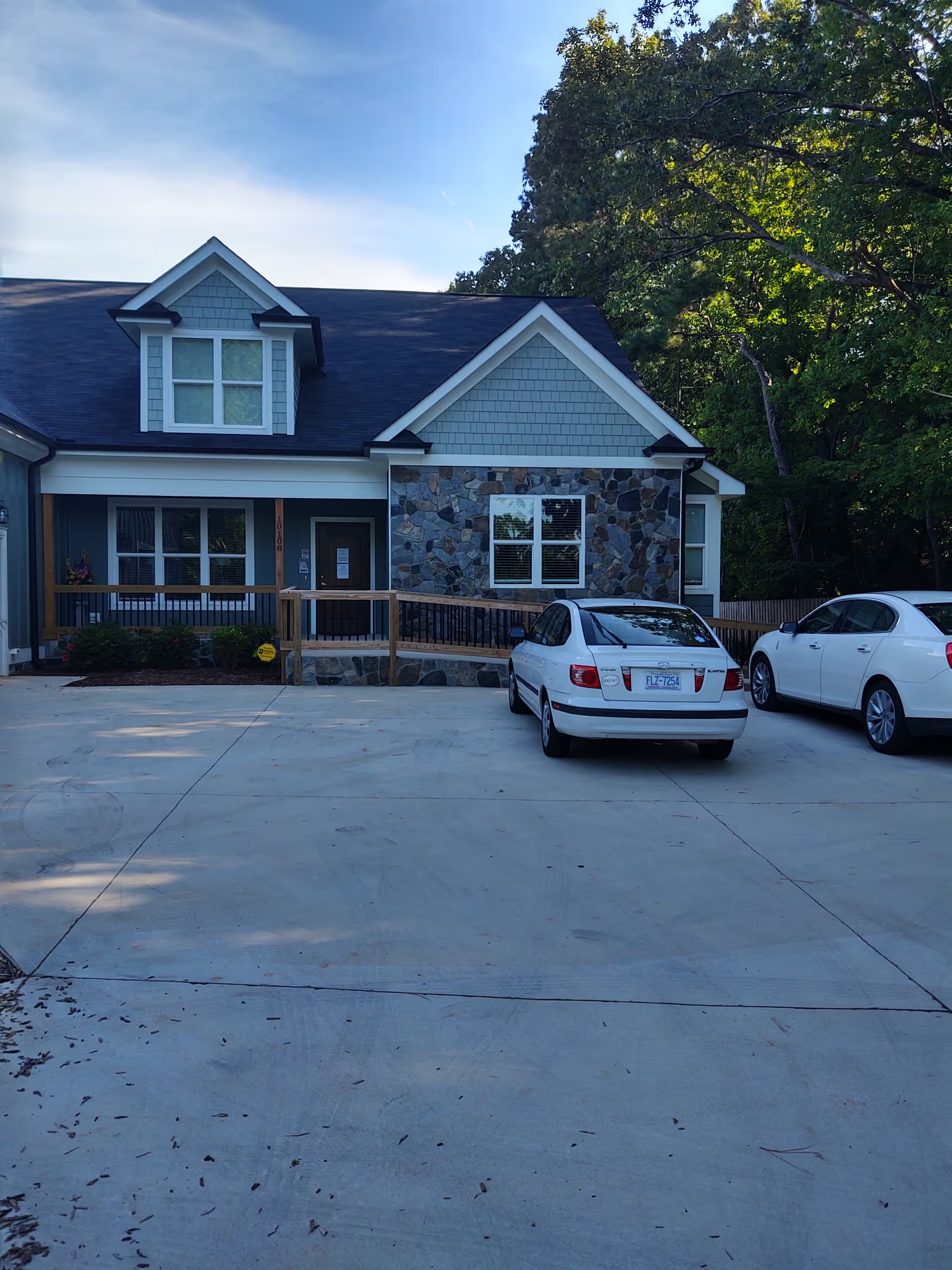
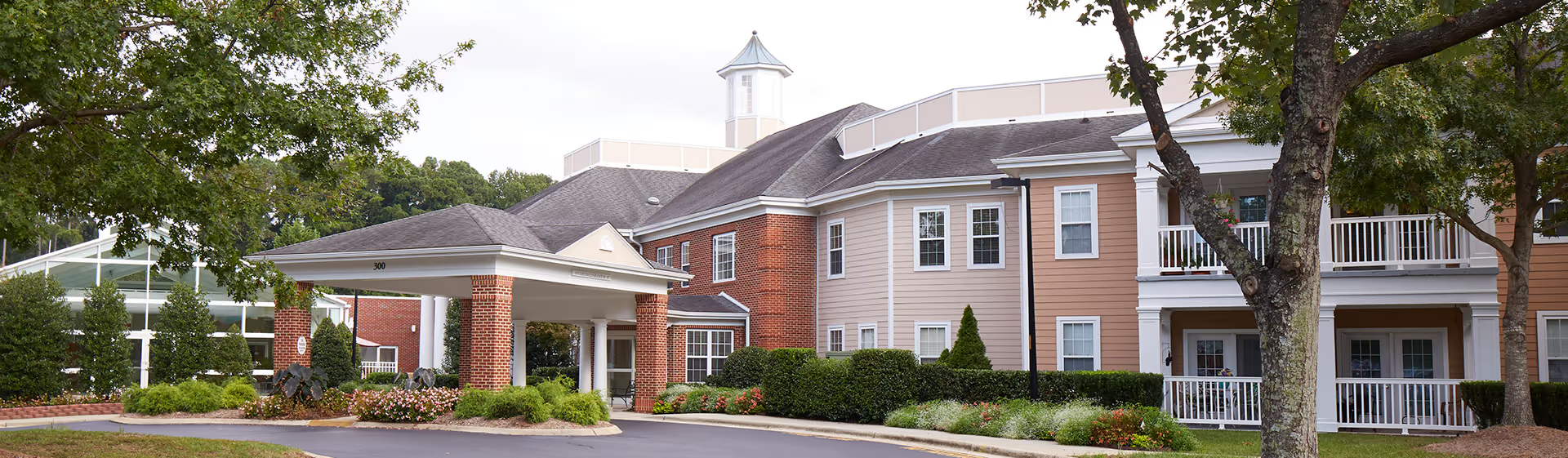
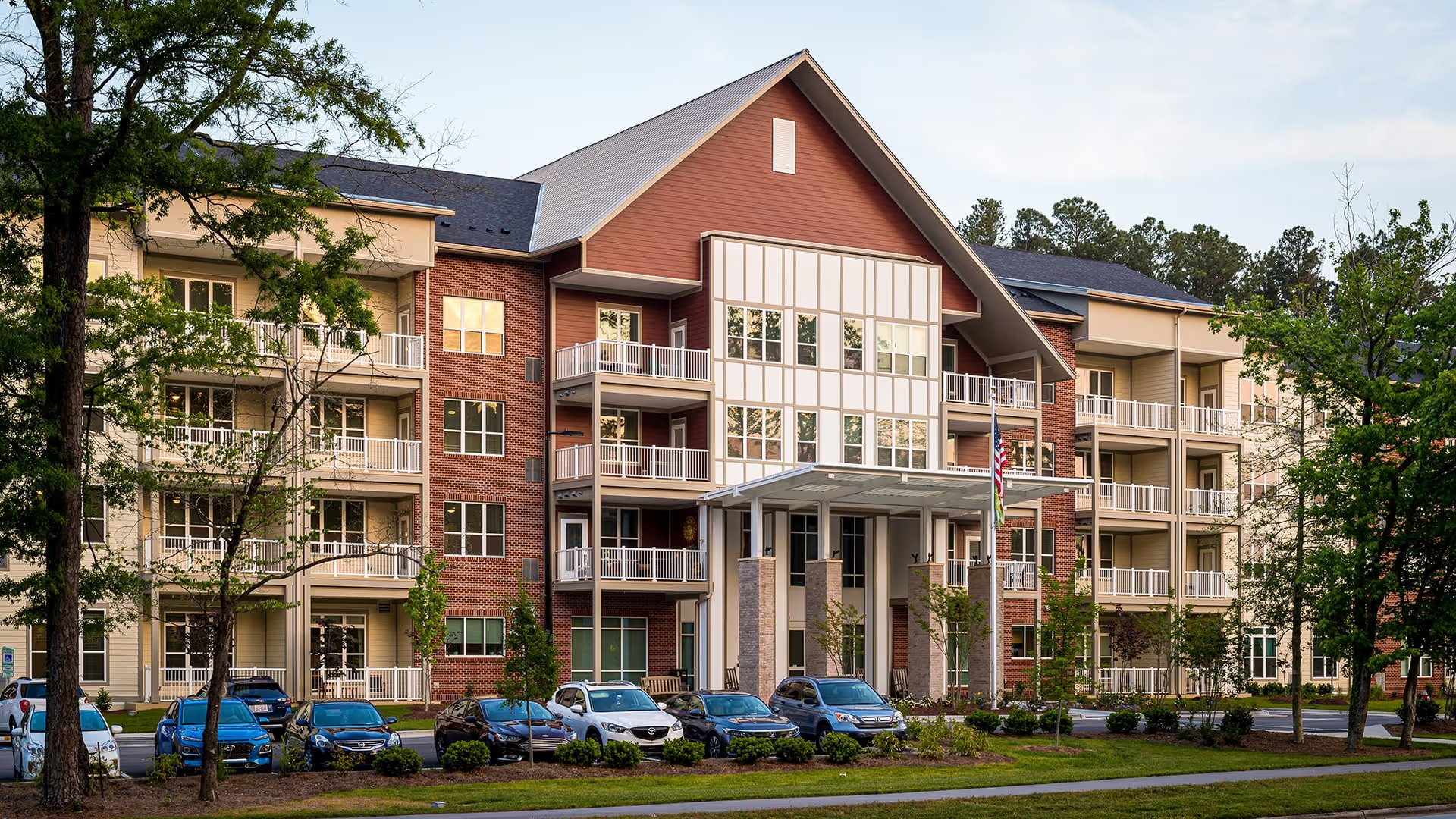
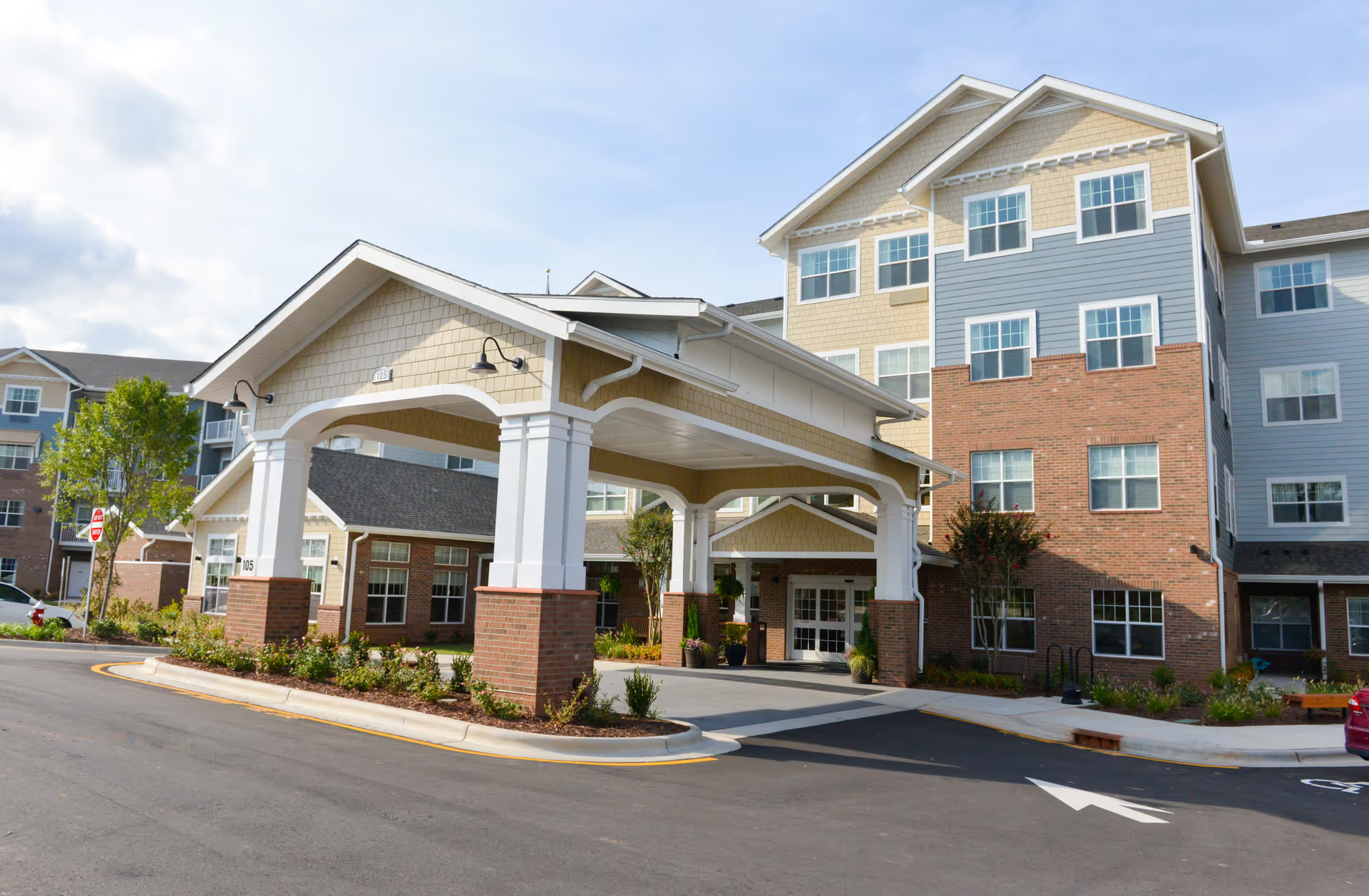
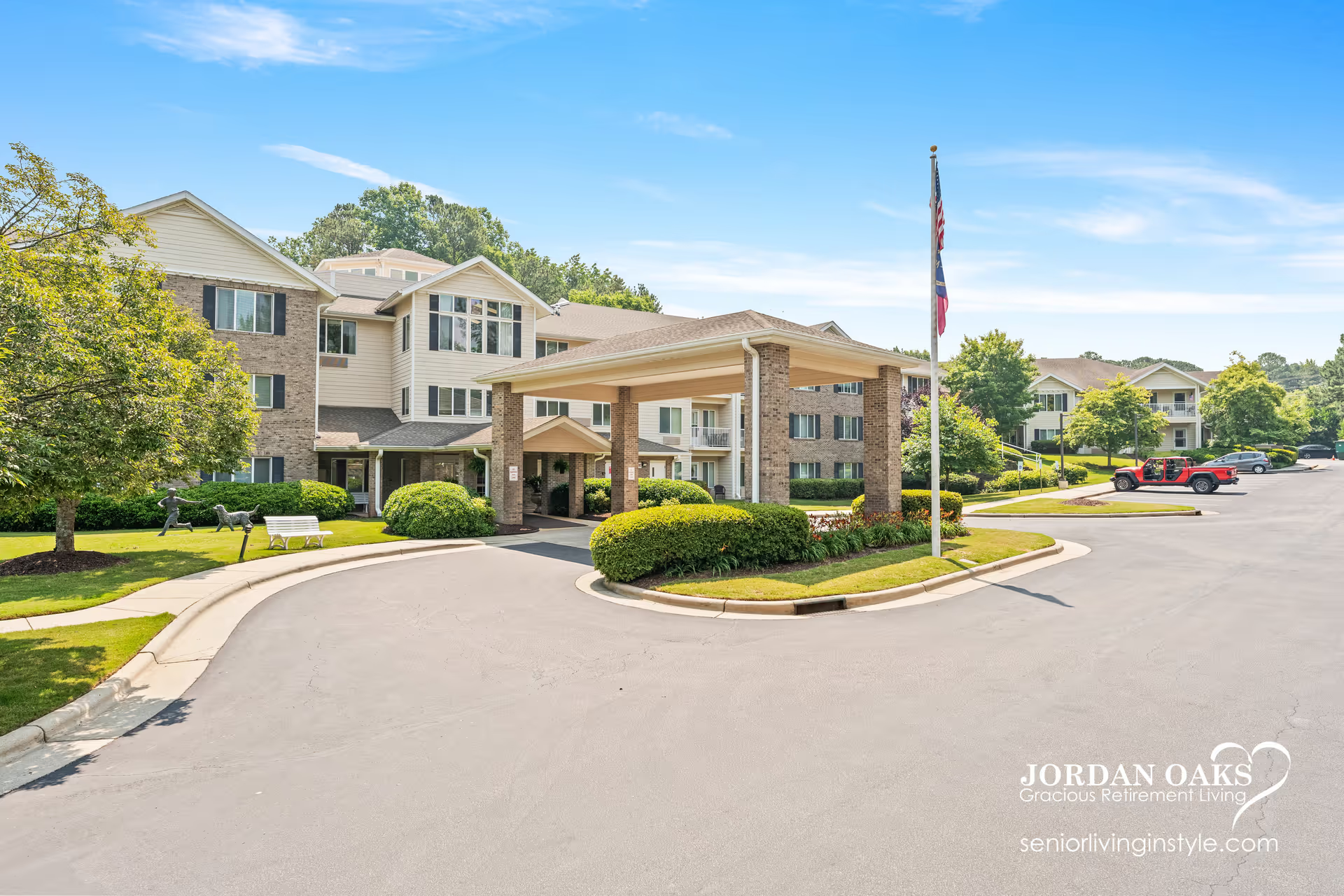
Facilities and maintenance: The building is described variably — some praise clean, comfortable rooms and on-site amenities (salon, library, courtyard), while others raised concerns about maintenance issues such as plumbing, nonfunctional in-room fixtures, lighting, and room repairs that went unaddressed for extended periods. Sanitation and supply-management concerns were mentioned in several accounts, including delayed replenishment of basic supplies and laundry delays.
Management and communication: Admissions and certain leaders received strong positive comments for being accessible and helpful. Conversely, communication gaps were repeatedly cited: difficulty reaching social workers or case managers, inconsistent updates on clinical status, and perceived lack of follow-through on grievances. There are also references to regulatory reviews and quality-of-care deficiencies, which underscore the need for transparent incident follow-up and improved grievance-resolution processes.
Notable patterns and guidance for families: The clearest pattern is variability — strong, effective care is possible at this facility when staffing and clinical oversight are robust, but families should be aware of documented operational weaknesses that can affect outcomes. Prospective residents and decision-makers may wish to verify current staffing ratios and RN coverage, ask about wound-prevention and medication-administration protocols, review recent regulatory findings and corrective actions, confirm visitation and activity options for bedbound residents, and identify a primary point of contact for clinical updates. Engaging with the admissions or community-relations team prior to placement can help clarify expectations and identify whether recent management changes have addressed the concerns noted in past reviews.