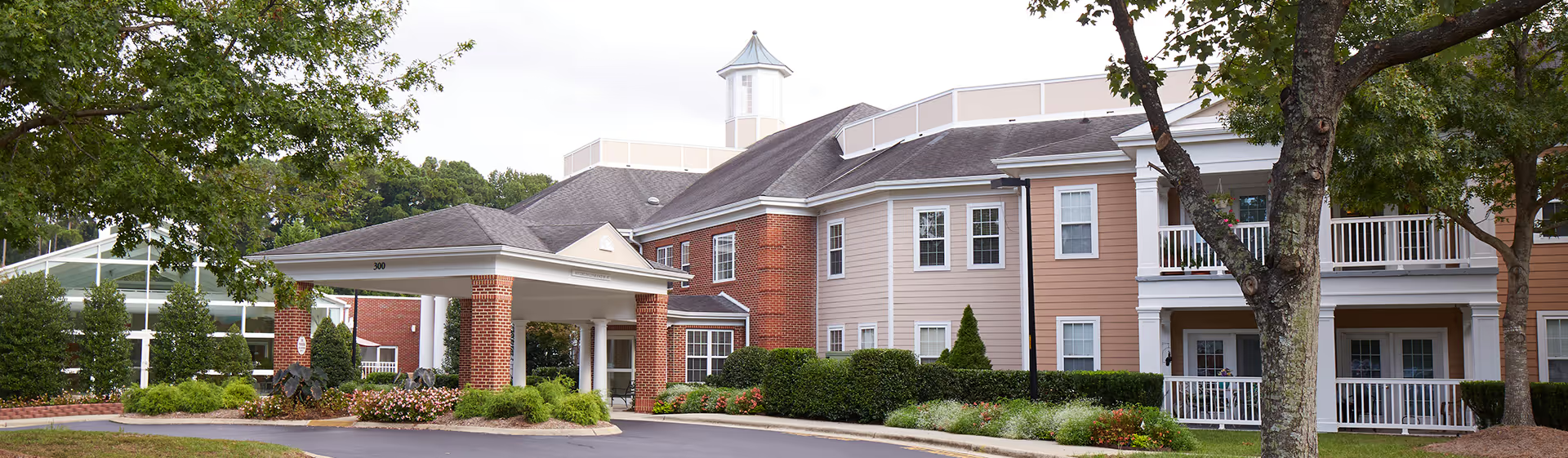
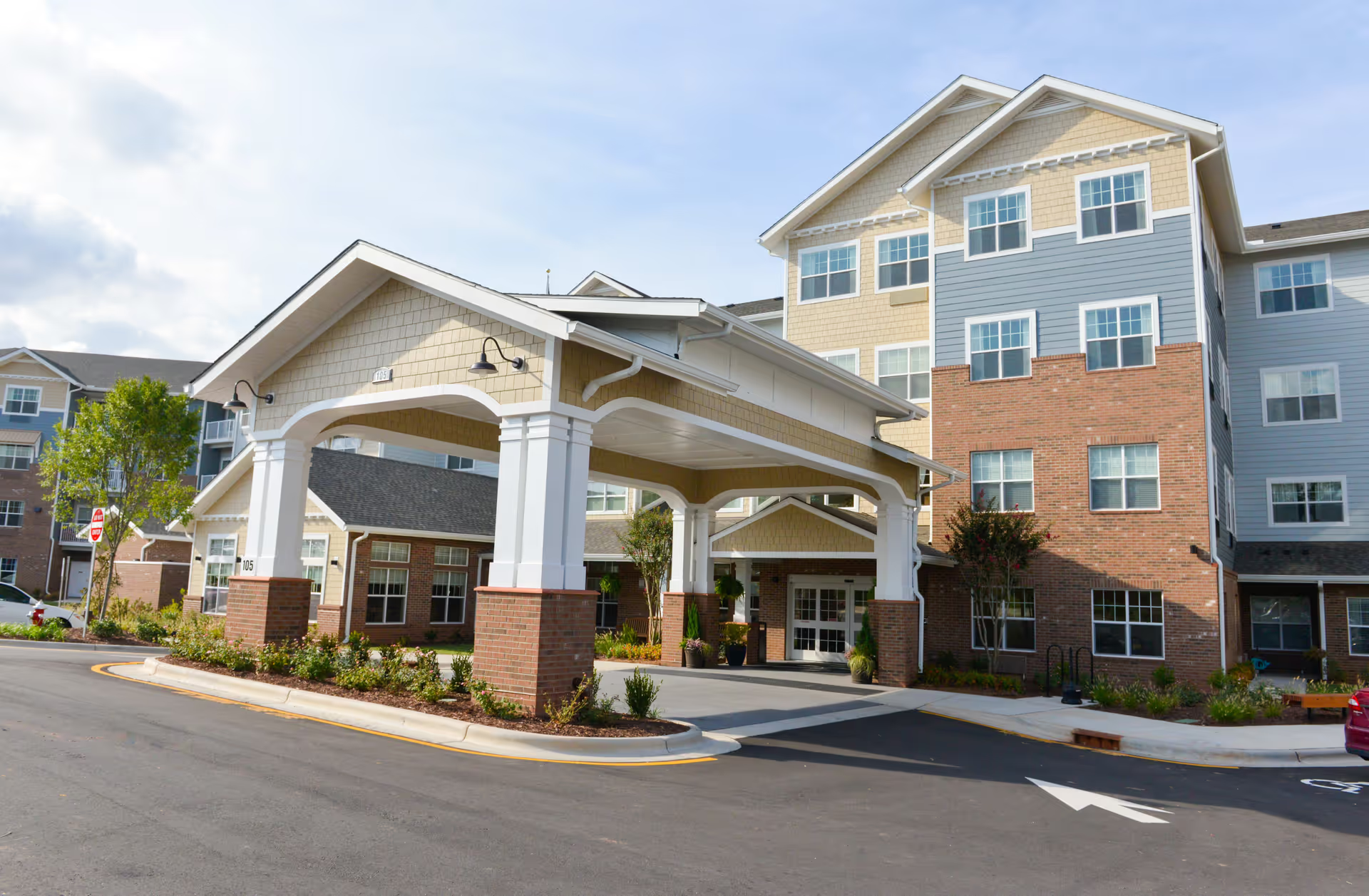
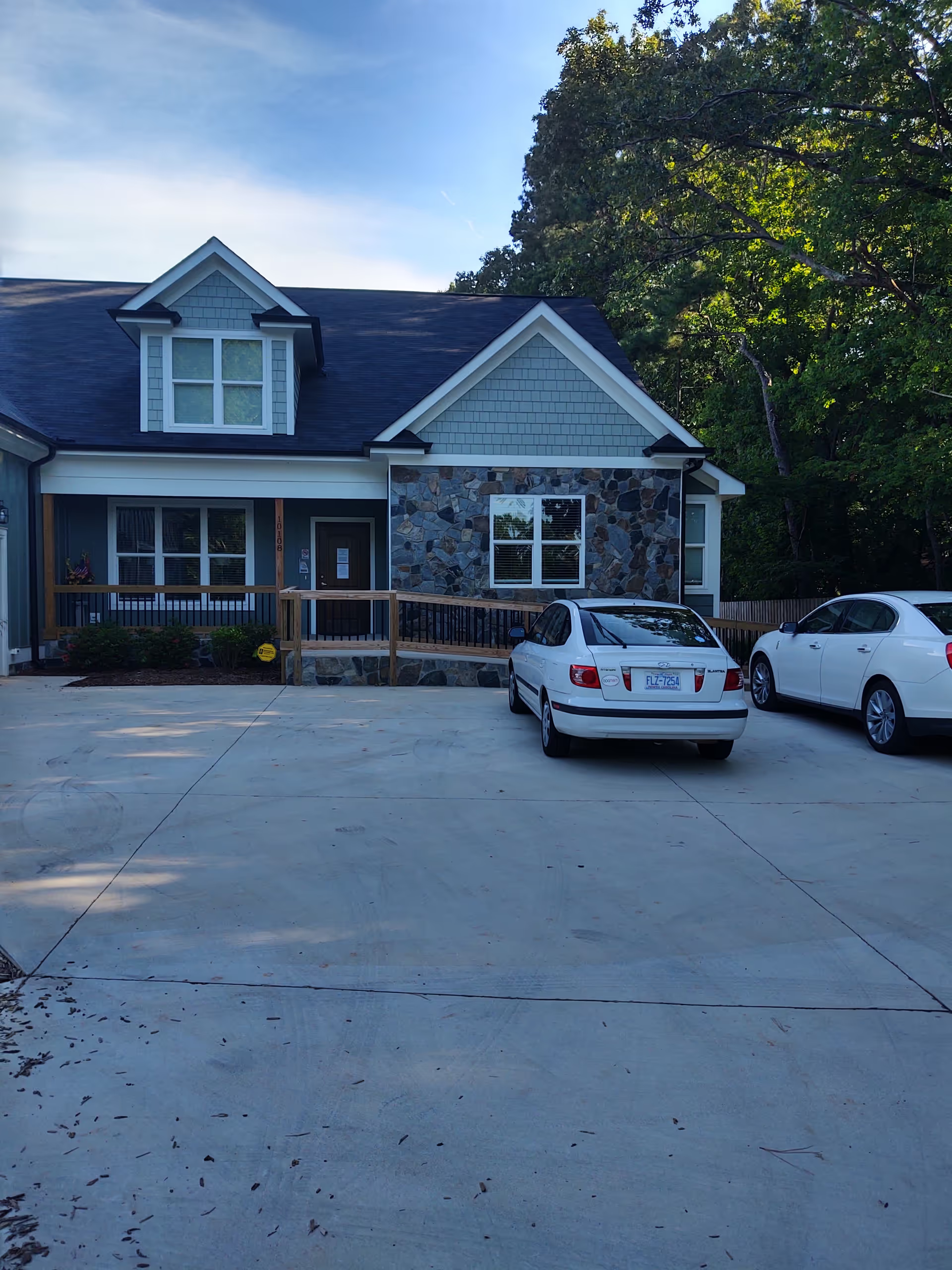
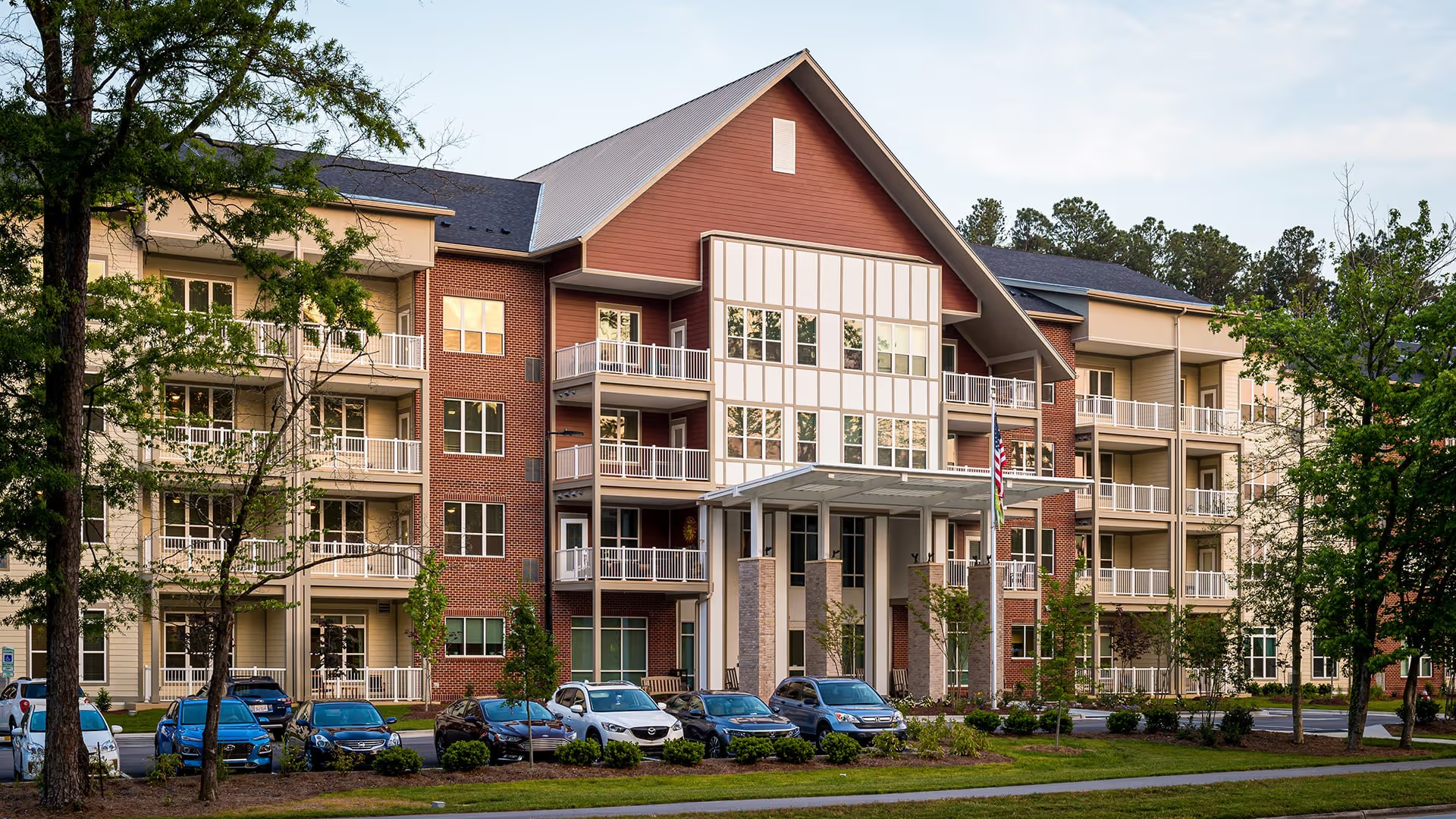
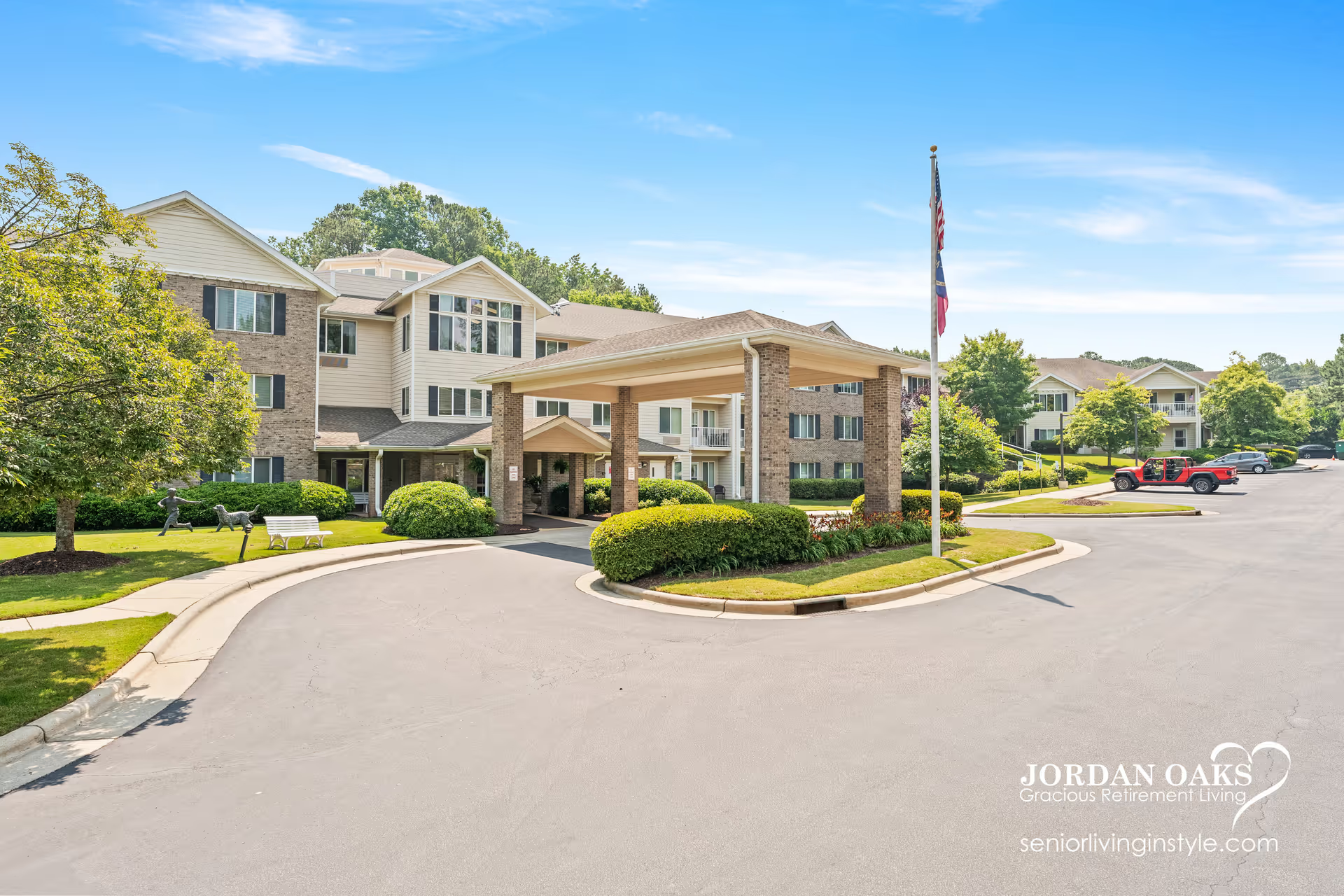
Glenaire presents as a high-quality, well-resourced continuing-care retirement community with a strong reputation and a five-star Medicare rating. The campus combines recently updated buildings, attractive landscaping, and a full continuum of housing and clinical services—from independent cottages and apartments through assisted living and skilled nursing. Physical plant positives cited repeatedly include modern common areas, an indoor pool and exercise spaces, multiple dining venues with varied menus, a chapel and salon, and on-site transportation for appointments. The community’s not-for-profit, Presbyterian sponsorship and long-standing market presence contribute to high occupancy and a long waiting list.
Clinical and care strengths include higher-than-average CNA and LPN staffing hours and generally favorable short-stay rehabilitation outcomes; reviewers described timely medications, available therapists, and an attentive nursing and CNA team in many accounts. Private rooms, on-site medical monitoring, and accessible rehab services support both short-term post-acute stays and a continuum for residents who anticipate future care needs. Counseling and social work supports are also available as part of the CCRC model.
Staff and culture receive predominantly positive comments for friendliness, patience, and day-to-day resident interactions, though substantive operational concerns recur in reviews. Reviewers described staff workload and compensation pressures that may affect morale and turnover. Some accounts allege discriminatory treatment of staff based on ethnicity; these are significant personnel and culture concerns that warrant direct inquiry. Families also raised issues with management responsiveness and inconsistent communication, including difficulty reaching staff by phone.
Facility-level operational weaknesses noted include maintenance and sanitation issues in certain bathrooms and a need for additional outdoor walking paths. A dated inspection notation about long-stay pressure-sore risk suggests families should ask about current skin-care and preventive protocols for long-term residents. Other practical considerations are the community’s high cost and substantial buy-in requirements, occasional construction-related disruption, and a limited number of immediate openings due to a long waitlist. Some residents described the daily program as structured in ways that may not suit those seeking a less scheduled lifestyle.
For prospective residents and families: Glenaire offers robust clinical resources, attractive amenities, and a broad continuum of care in a well-kept campus that many current residents praise. At the same time, prospective move-ins should directly evaluate the community’s current maintenance priorities, long-term wound-prevention practices, management responsiveness, and total cost (including deposit policies). Ask specific questions about staff turnover, staff training on equity and conduct, outdoor walking options, expected disruptions from ongoing construction, and typical timelines for move-in from the waitlist to determine fit relative to budget and lifestyle preferences.