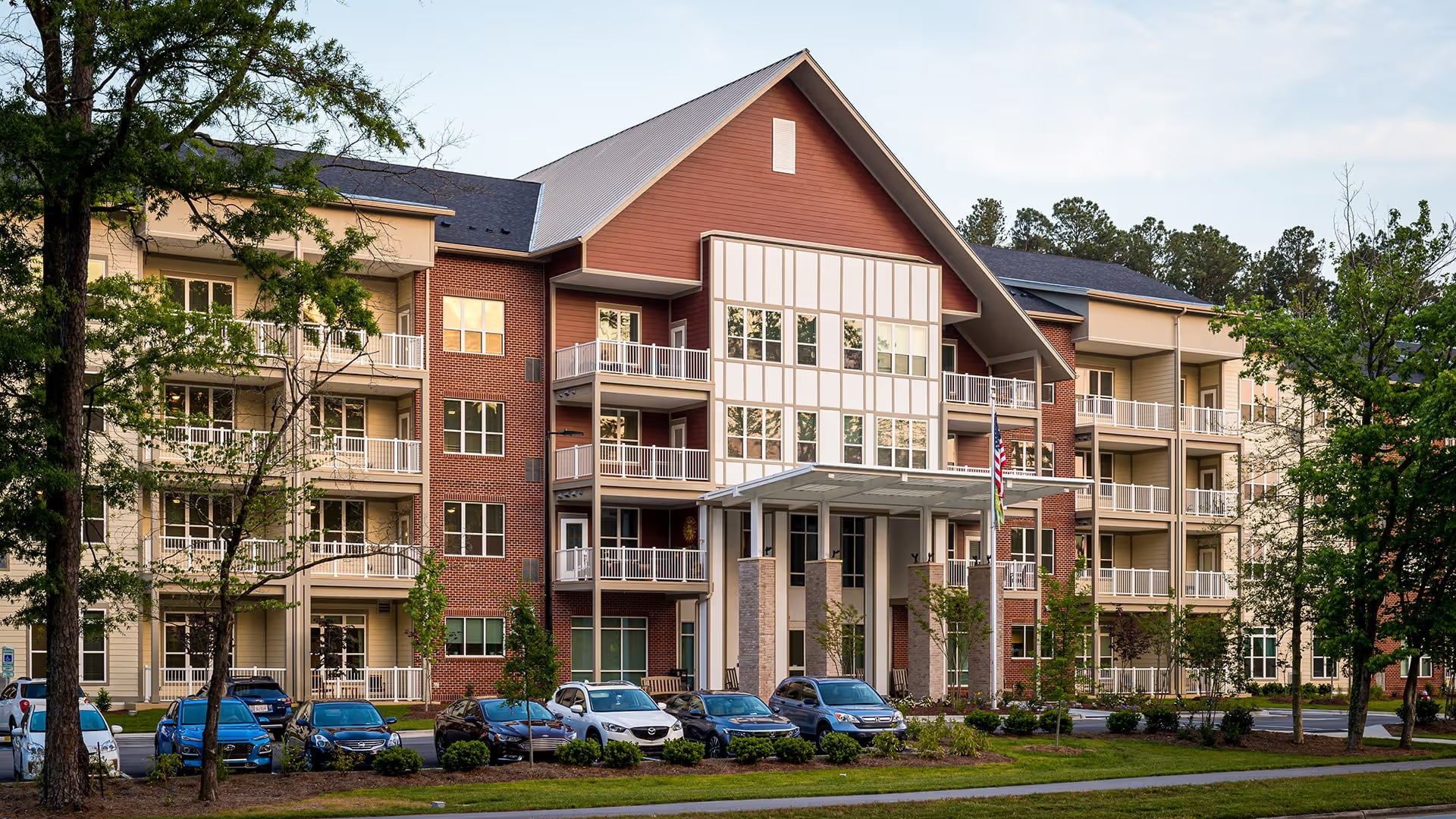
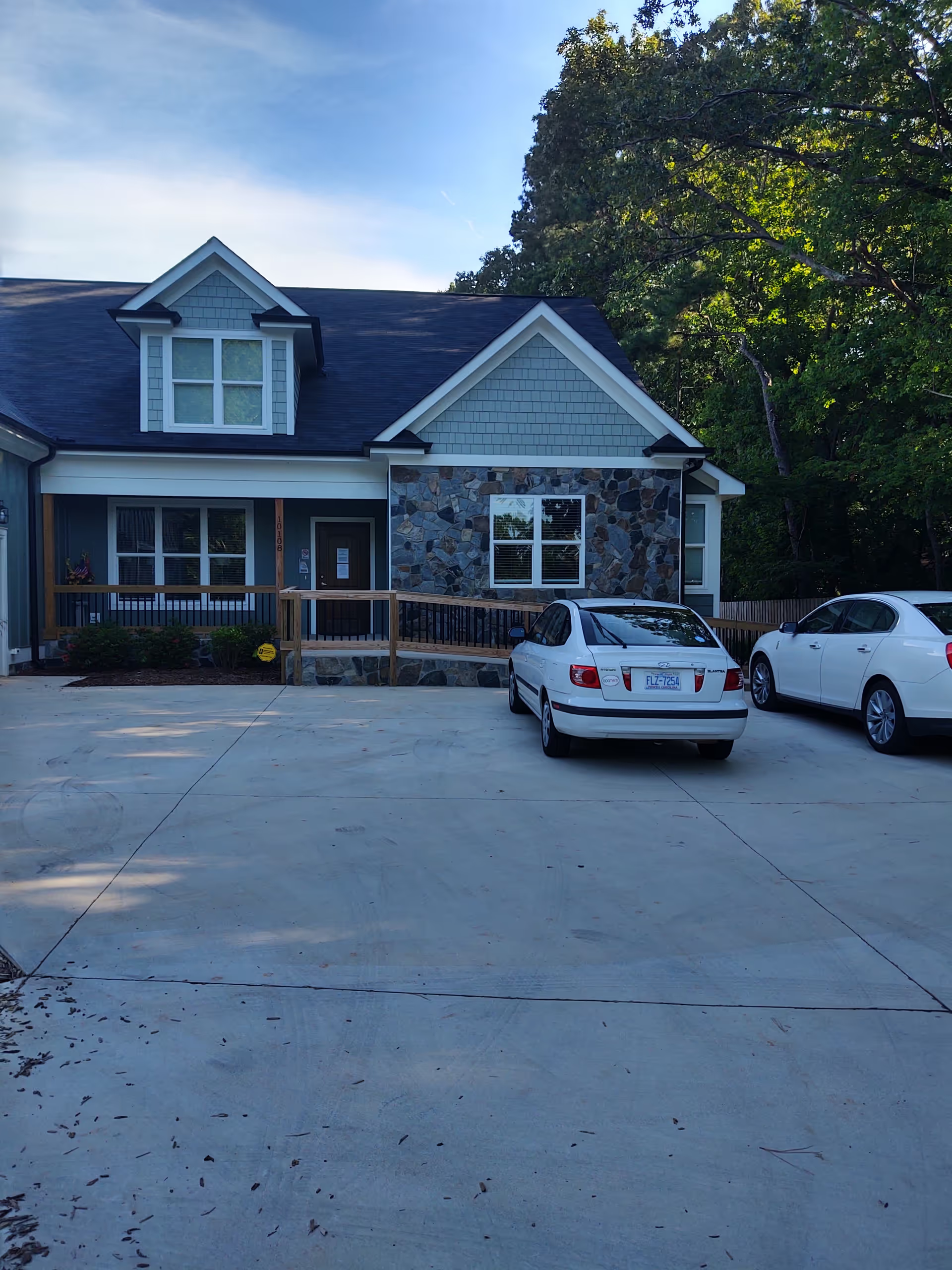
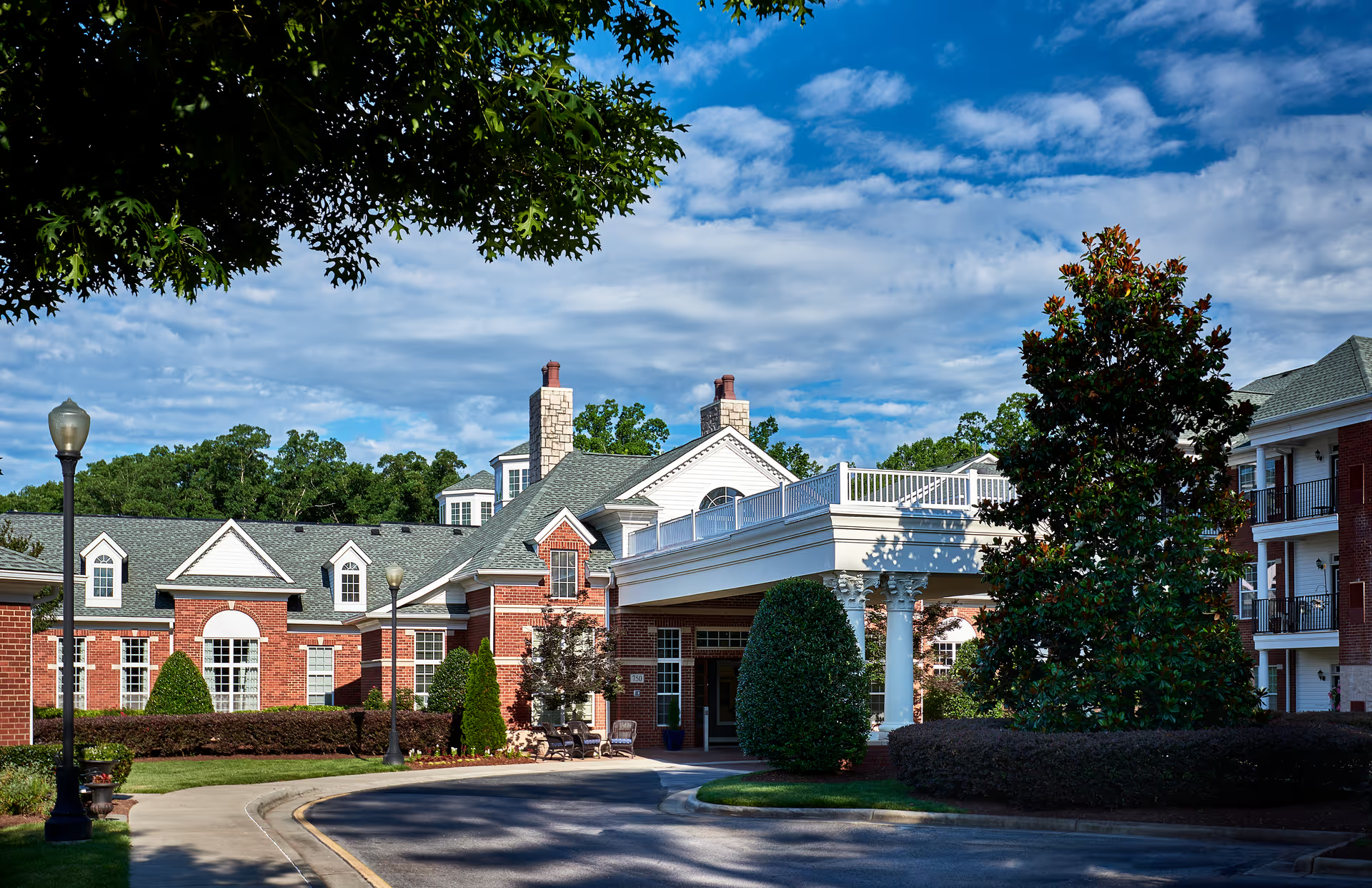
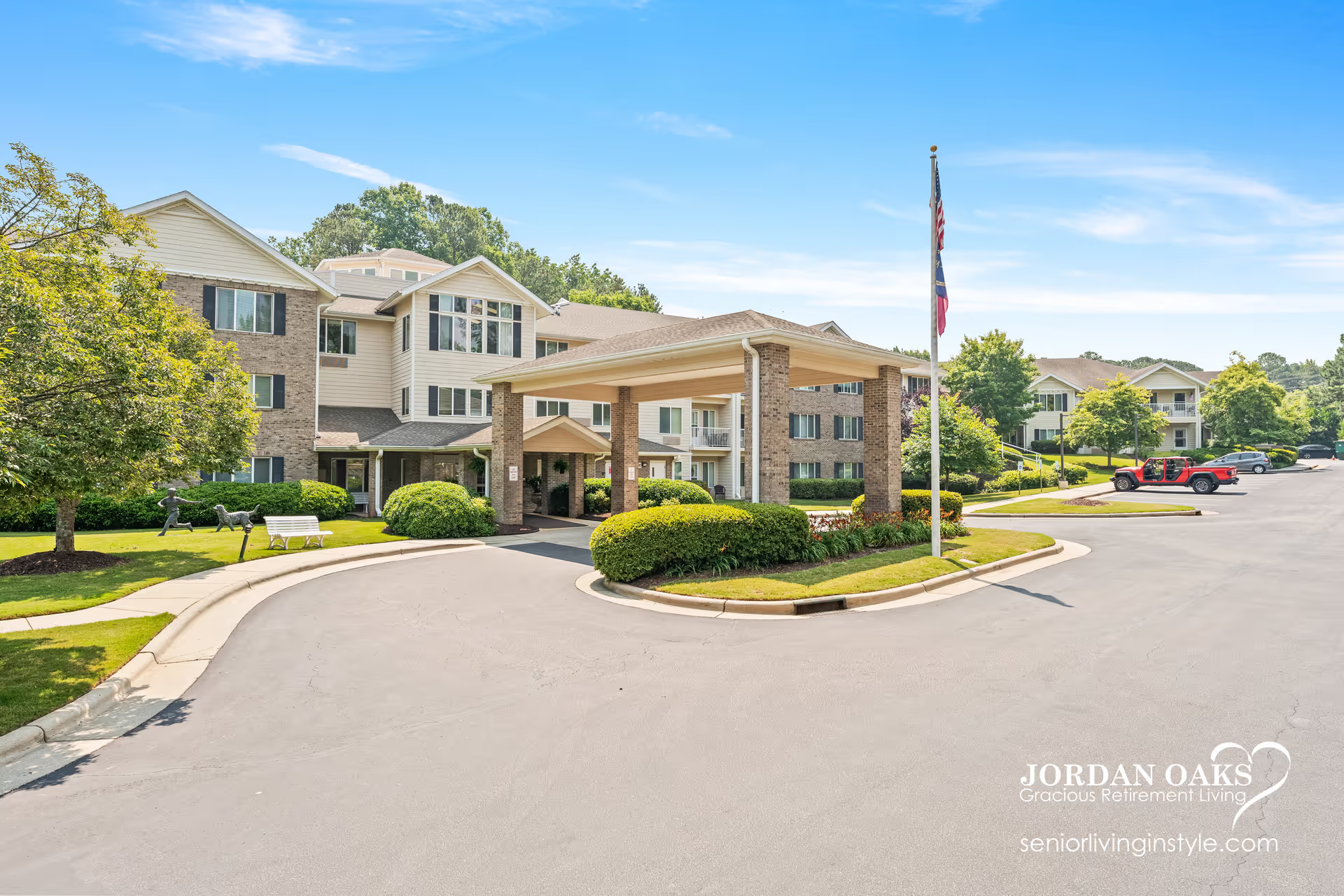
HeartFields at Cary elicits a mix of strong praise and repeated operational concerns. Many families and residents highlight the staff as the facility’s primary strength: caregiving teams are frequently described as compassionate, professional, and attentive, with particular commendation for activity staff and care coordinators. Reviewers also note a warm, family-like culture in parts of the community, secure and personalized memory-care programming, and coordination with hospice and external clinicians when needed. Physical spaces described positively include bright, well‑kept common areas and a restaurant‑style dining room; apartment-style units with kitchenettes and accessible features receive favorable mention as well.
Care quality shows two distinct patterns. On the positive side, reviewers praise individualized attention, strong therapy services (OT/PT), and good end‑of‑life coordination. Conversely, a set of operational weaknesses recurs: inconsistent staffing levels and turnover have been linked to delayed assistance response times, irregular bathing and hygiene scheduling, and medication‑administration inconsistencies (including missed doses). These issues are described as intermittent rather than universal, but they represent potential clinical and quality‑of‑care risks that families should evaluate directly during tour and intake conversations.
Dining and activities are frequently cited as strengths but with variability. Multiple reviews praise freshly prepared meals, daily homemade soups, two entree choices, and robust social and holiday programming. Activity leadership and a varied calendar of outings, music, and group events are often singled out positively. At the same time, other reviewers describe inconsistent meal quality, menu items sometimes unavailable, and periodic kitchen staffing pressures. Similarly, while many residents are reported to be active and engaged, some memory‑care areas and specific shifts appear to offer less stimulation or fewer organized interactions.
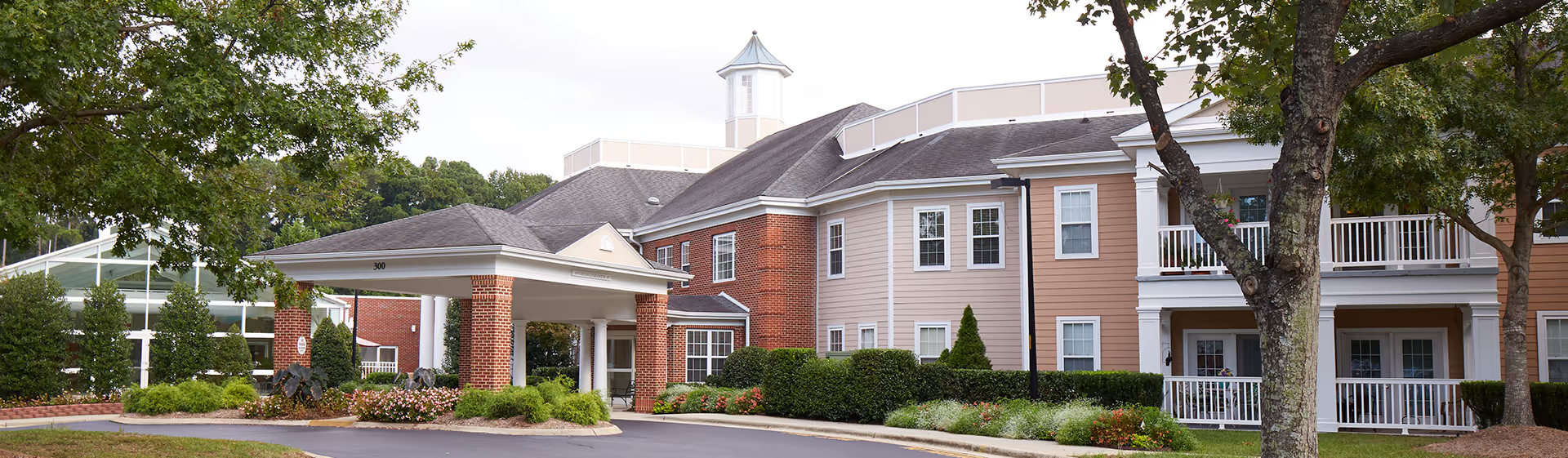
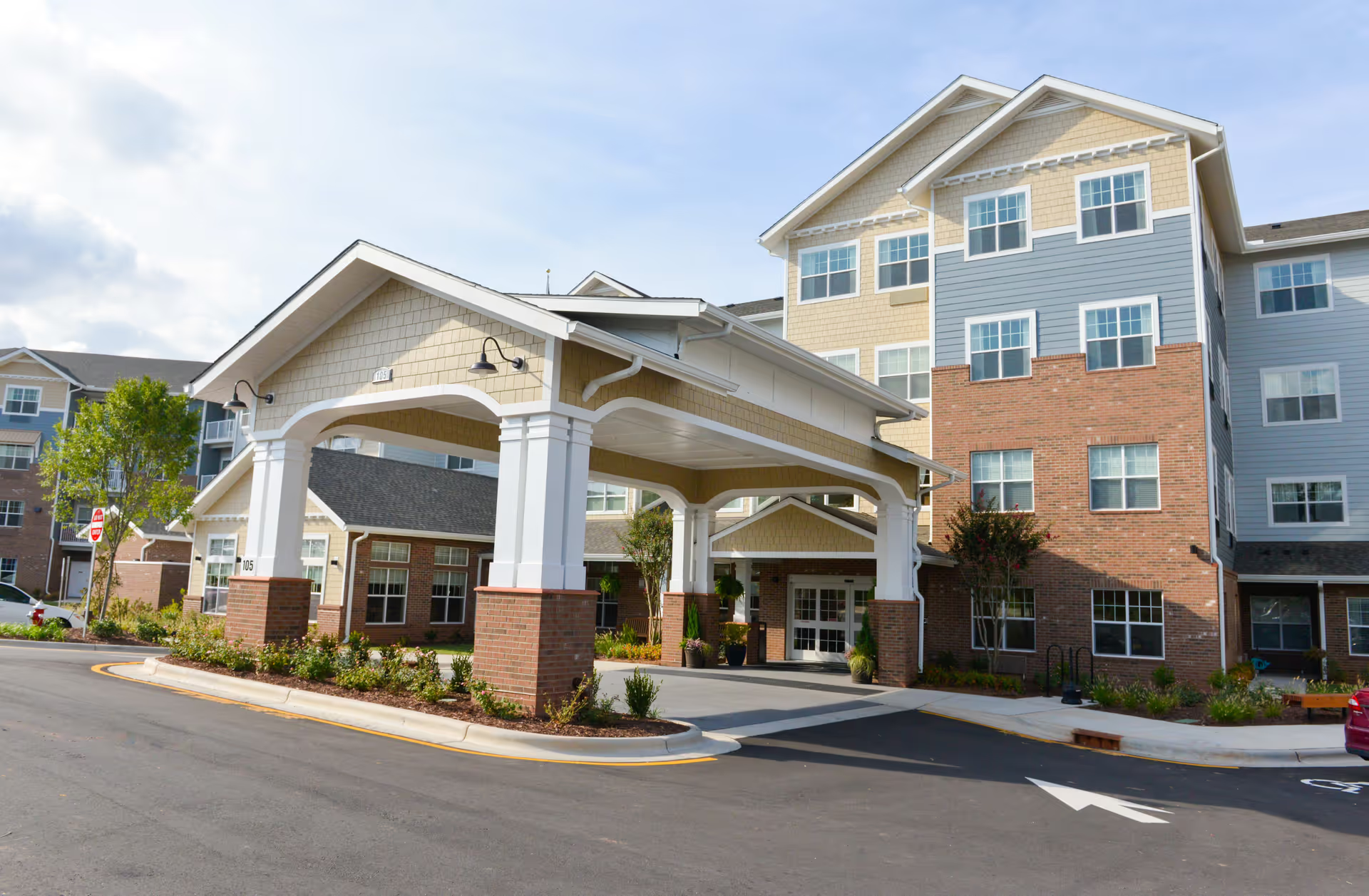
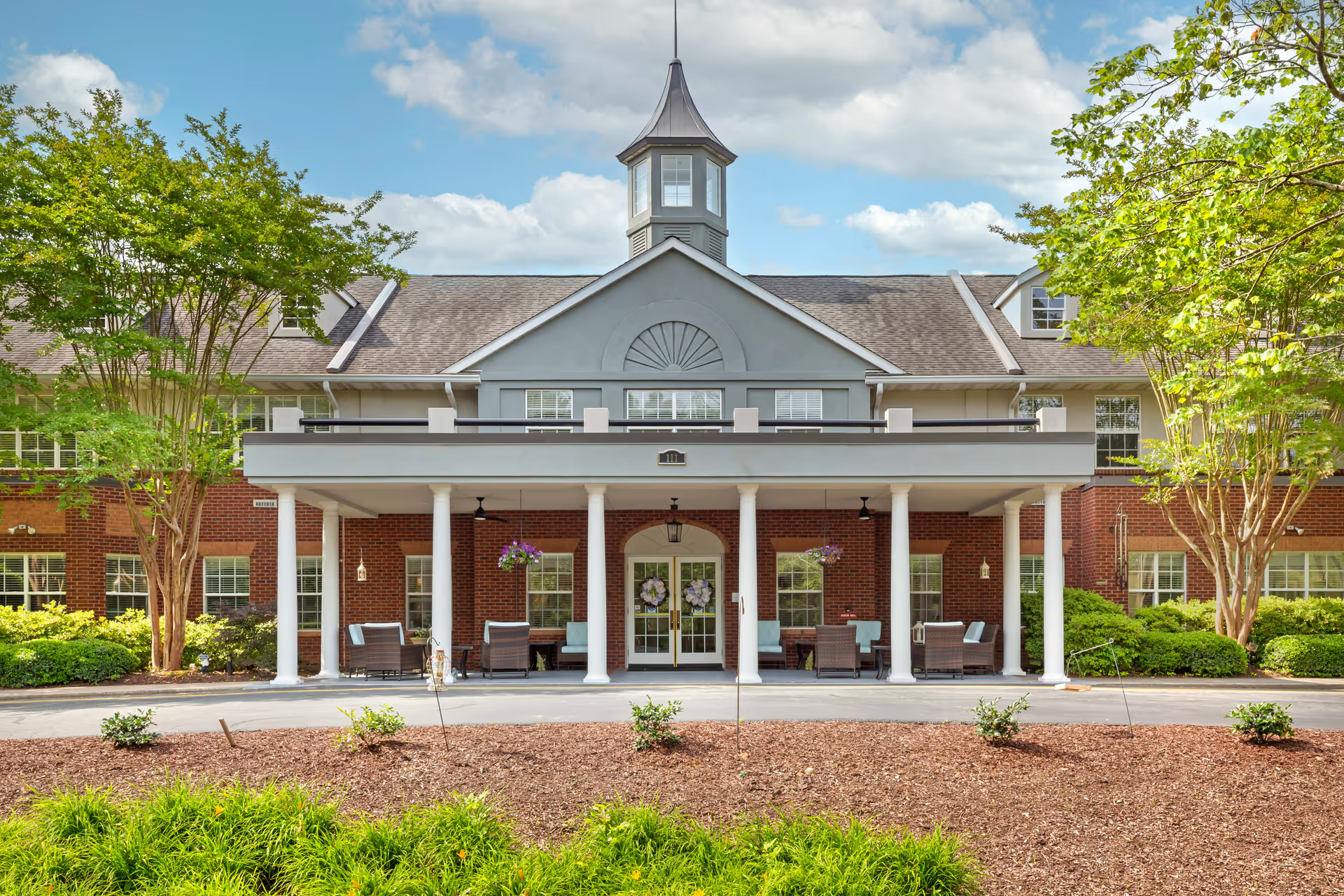
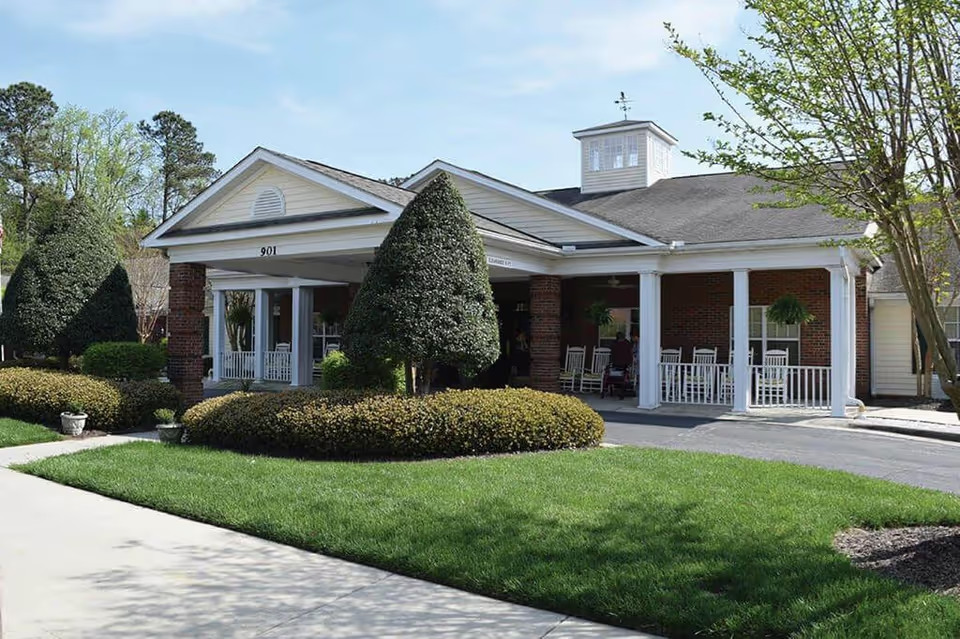
Facility condition and amenities are generally regarded as favorable: the community is described as clean, bright, and easy to navigate, with amenities such as a library, exercise room, enclosed garden, and transportation services. However, there are recurring maintenance and infrastructure concerns — ongoing renovations, occasional leaks, elevator outages, and areas undergoing refurbishment — that can affect resident experience. Some memory‑care layouts are noted as crowded or dim in certain units, which is relevant when evaluating fit for residents with higher acuity or sensory needs.
Management and administrative patterns are mixed. Several families commend responsive leadership, clear communication, and staff accountability; others describe leadership turnover, communication gaps, and administrative weaknesses such as billing discrepancies or slow resolution of complaints. There are even allegations of billing and administrative disputes in isolated cases. Weekend and off‑shift staffing coverage appears to be lighter than weekday coverage in several reports, which contributes to family concerns about response times and continuity of care.
Overall, HeartFields at Cary presents as a community with strong interpersonal strengths — caring staff, active programming, and a homelike atmosphere — tempered by operational variability around staffing, clinical processes, and facilities maintenance. Prospective residents and families should consider on‑site verification of staffing ratios at different times of day, specifics around medication administration and bathing schedules, memory‑care programming during off‑peak hours, and clarity on billing and outside nursing arrangements before committing. A focused tour that includes the memory‑care unit during activity times, a meeting with the nursing director, and discussion of contingency plans for staffing gaps will help clarify whether this community aligns with a given resident’s needs.