The reviews describe a facility with clear strengths alongside recurring operational weaknesses. Positively, many families highlight compassionate, attentive caregivers, a smooth admissions and move-in experience, and effective rehabilitation services. Therapeutic and social offerings such as piano entertainment, music therapy, chair yoga, walking clubs, and periodic outings are cited as meaningful contributors to residents' wellbeing. The building and grounds are frequently described as attractive and well maintained, with spacious studio units, a restaurant-style dining room, a country-kitchen atmosphere, and an enclosed courtyard that supports outdoor activity. Infection-control measures and a systematic vaccination program were also praised.
Care quality is mixed. When staffing is adequate, reviewers describe good hands-on care, personalized memory-care coordination, weight gain and improved hydration for residents, and physical-therapy-driven progress. However, several reviews indicate persistent understaffing—particularly in memory care—which correlates with delays in responding to call buttons and family inquiries. There are also descriptions of inconsistent grooming and personal-care routines and concerns about the facility's ability to manage higher-acuity therapeutic needs. These patterns suggest that clinical capability and staffing allocation vary over time and between units.
Staff behavior and communication form another contrast. Numerous accounts commend individual staff members and program directors for going above and beyond, strong interpersonal interactions, and proactive problem-solving. At the same time, families report variable communication across shifts, difficulty reaching office staff or physician assistants, and occasional slow responses to questions. Some reviews describe staff time diverted to non-care tasks or mobile-device use, which families perceive as reducing direct care availability.
Dining and activities receive polarized feedback. The dining environment is frequently appreciated for its setting and some residents enjoy the meals; in a number of cases dining has supported nutrition goals. Conversely, other families note inconsistent food quality, menu items that are too starchy or sugary, limited salad/vegetable choices, small portions, items that are difficult to chew, and occasions when menu items run out. Activity programming is cited as inclusive and engaging by several reviewers—especially when led by an active activities director—but other accounts indicate activities that are infrequent or inconsistently delivered, and residents who are reluctant to engage may not be adequately supported.
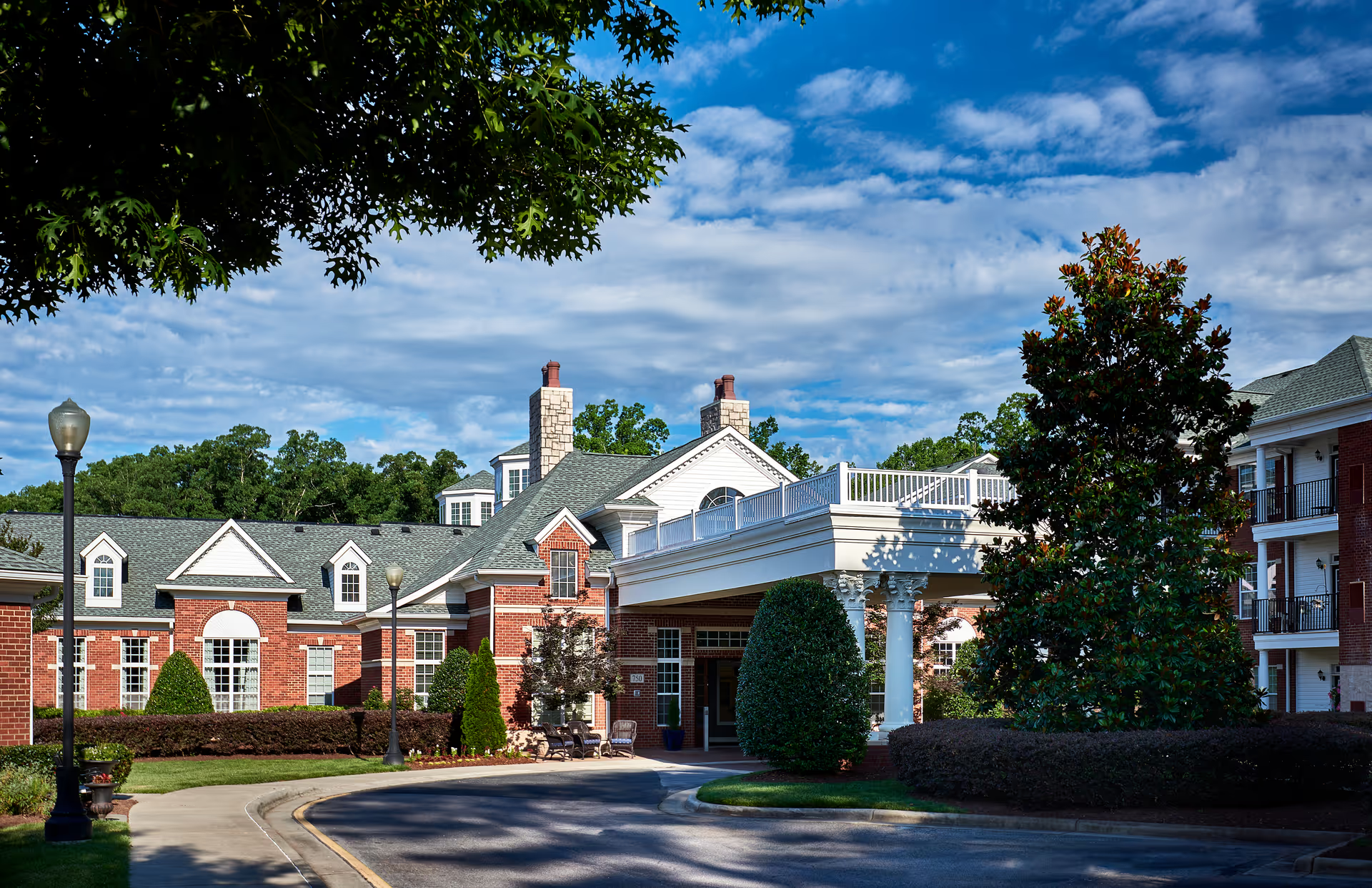
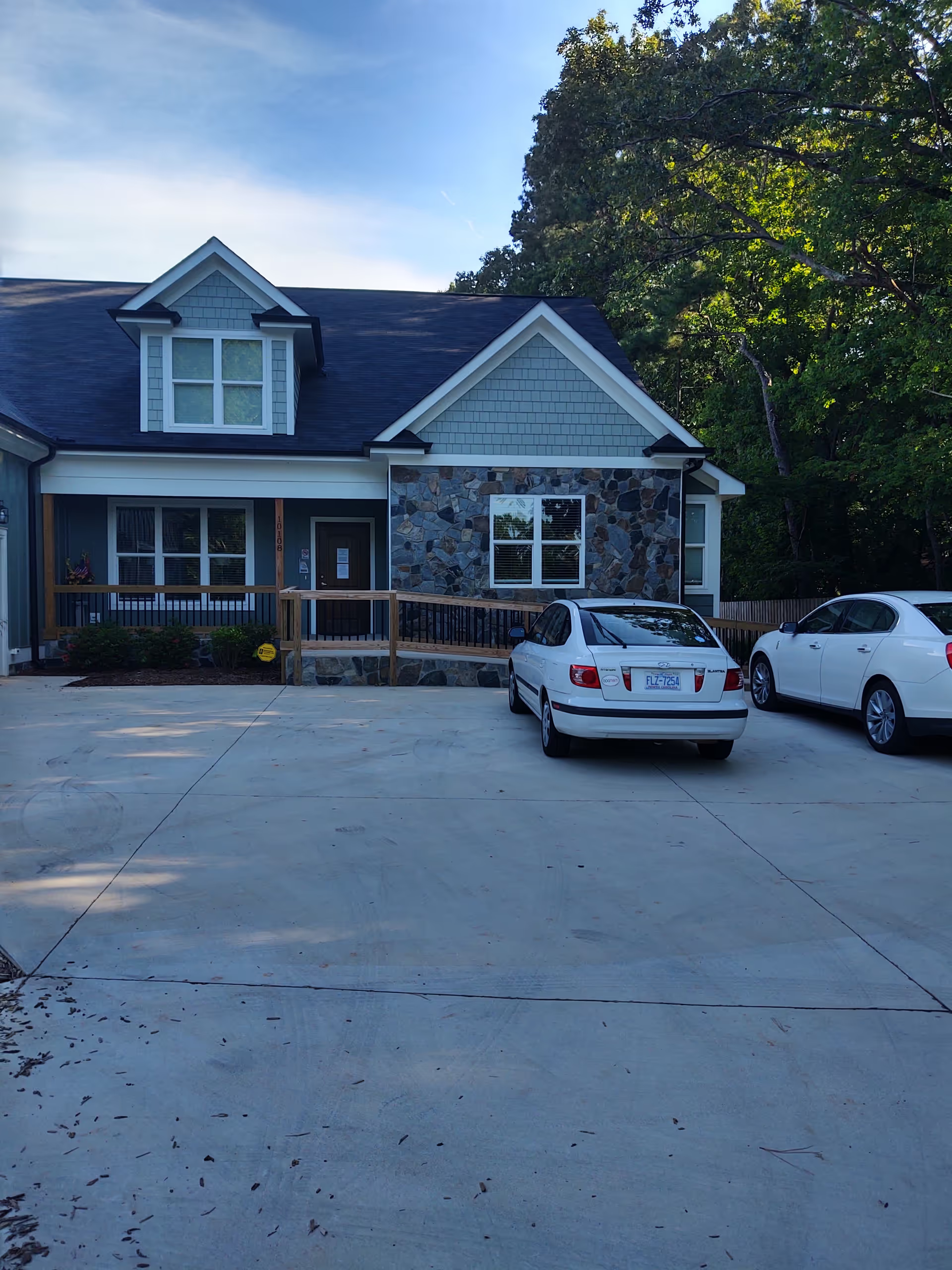
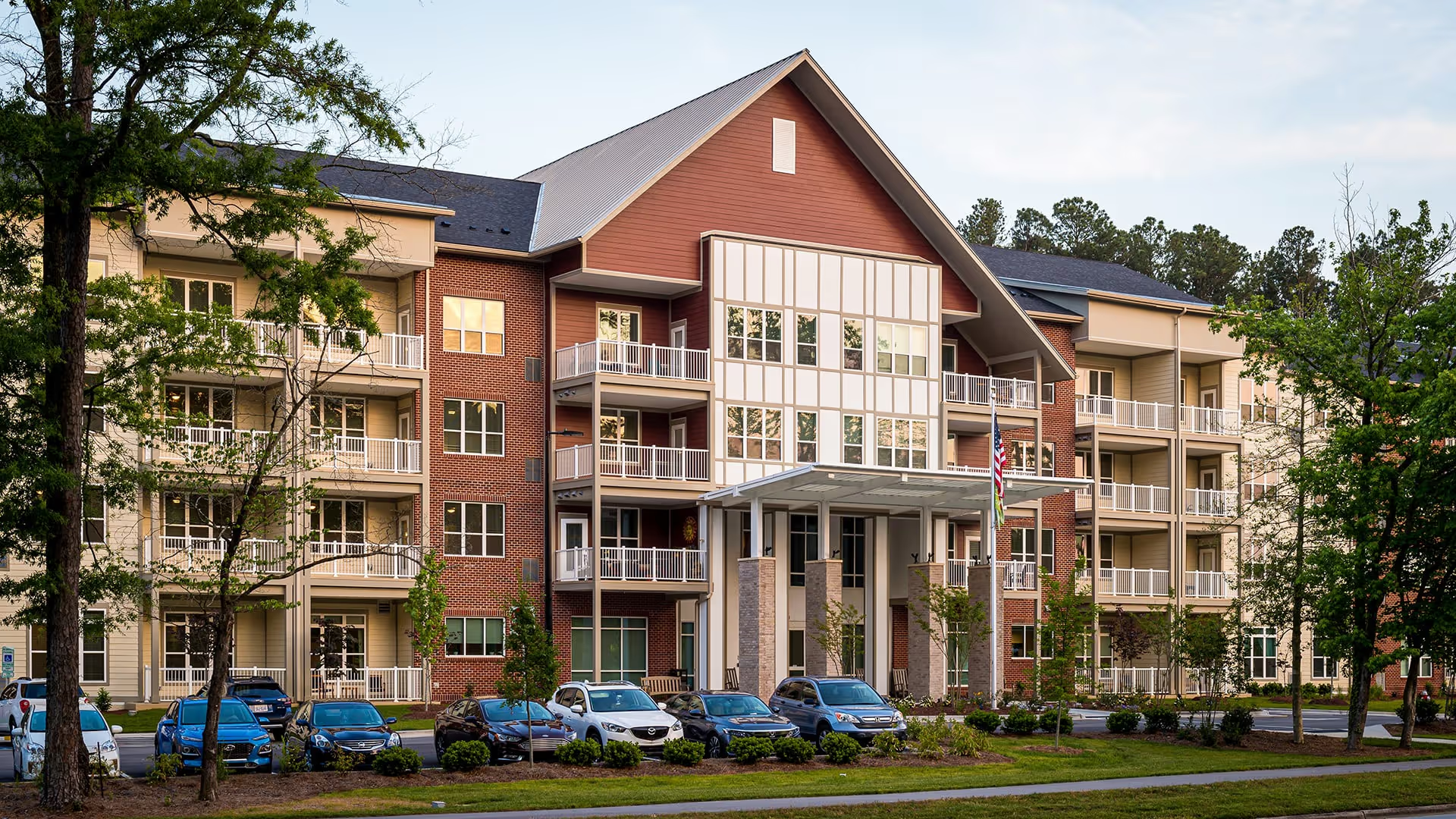
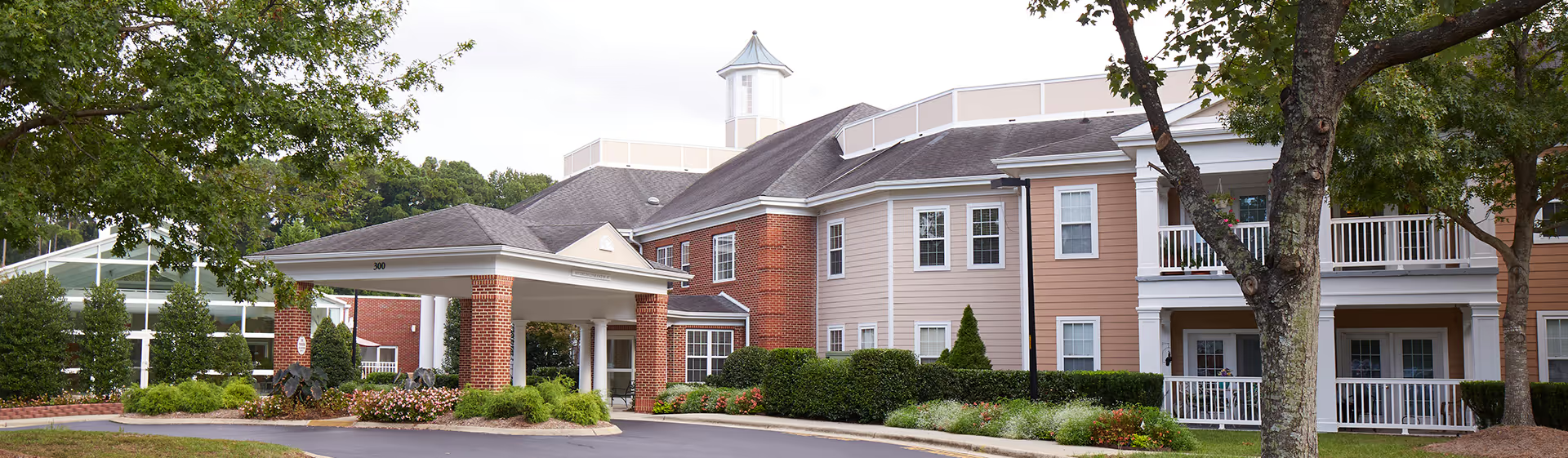
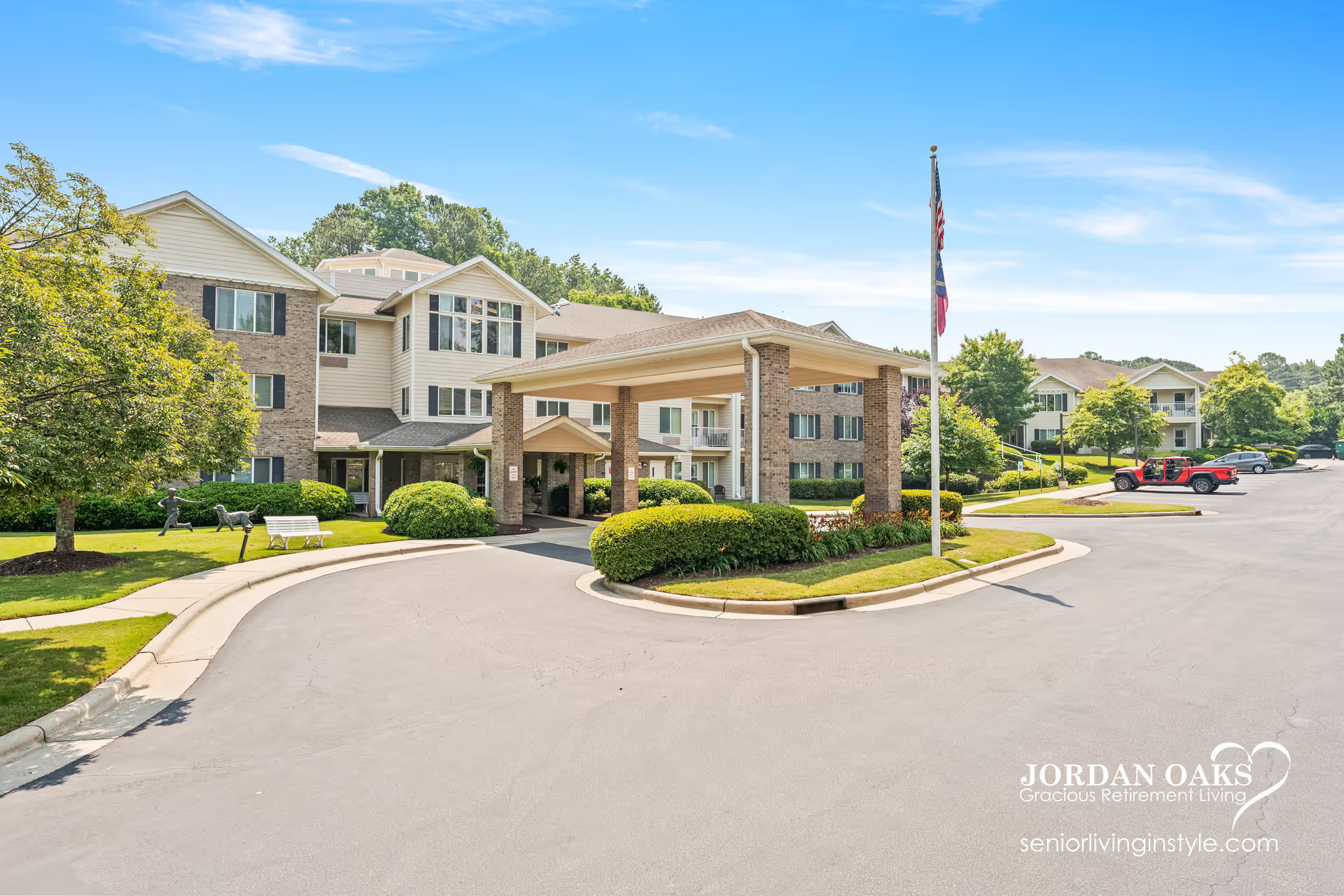
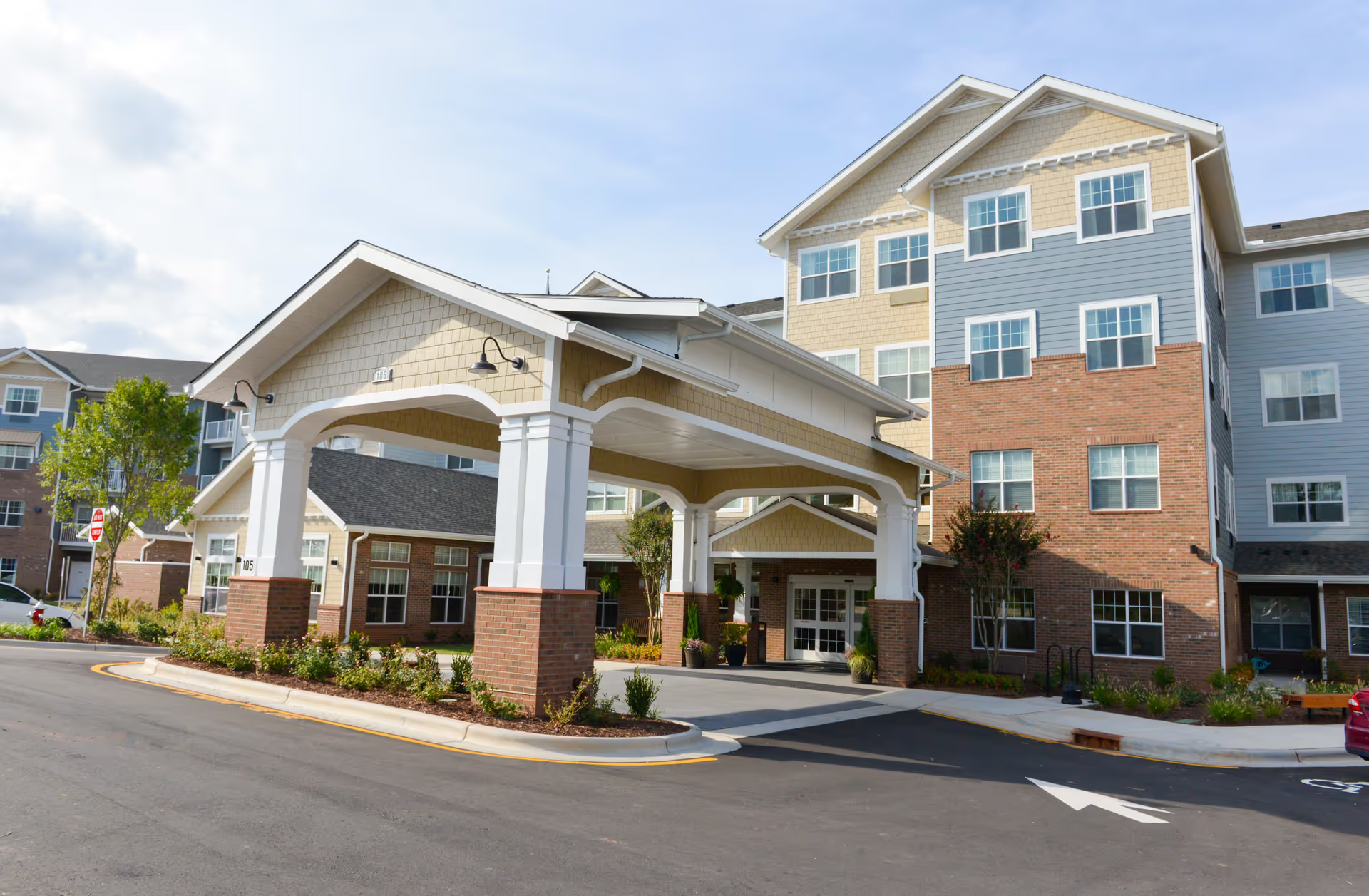
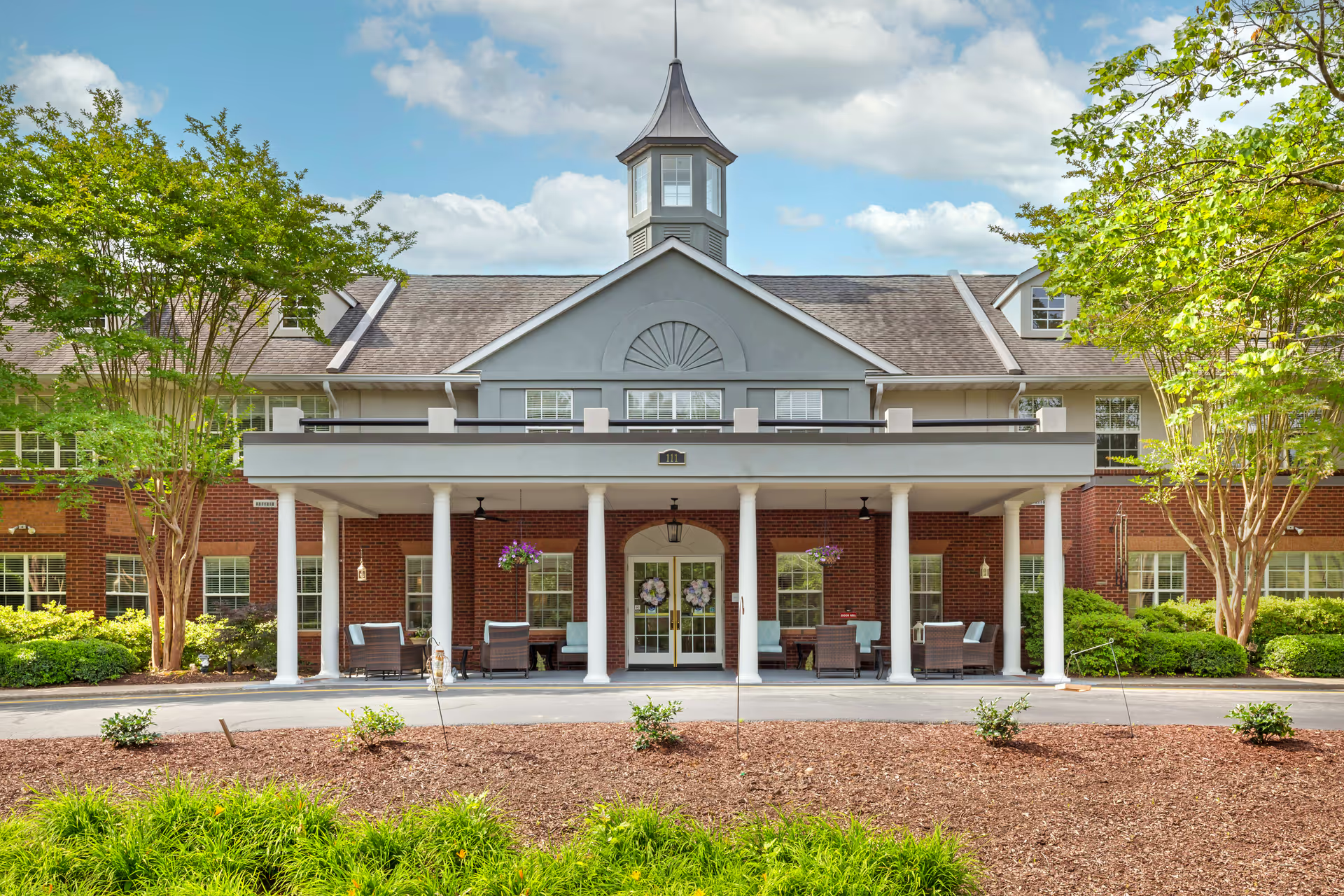
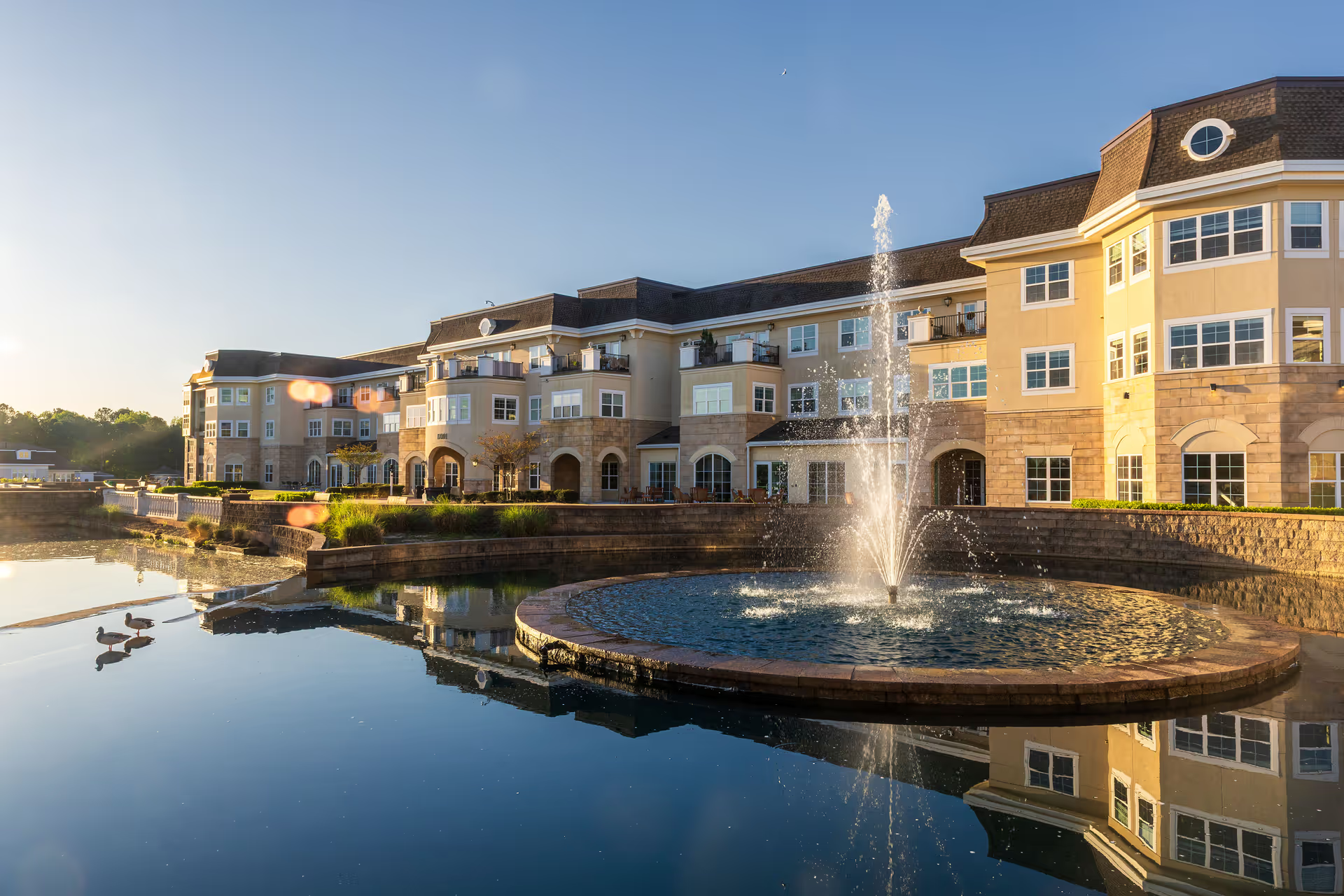
Facility upkeep is generally described as attractive and clean by many families, with praise for housekeeping and maintenance. Nonetheless, a subset of reviews raises sanitation and odor concerns and explicitly calls out pest-control issues in specific units; these are serious operational concerns that prospective families should address directly. Management and admissions also draw mixed assessments: some families report a proactive and responsive director and clear pricing in line with expectations, while others perceive aggressive sales tactics, unclear community-fee charges, or pricing that does not match perceived value.
Notable patterns include a sharp split between very positive experiences and accounts of significant operational lapses. Leadership changes and shift-to-shift variability are cited as drivers of that inconsistency. For prospective residents and families, recommended due diligence includes visiting at multiple times and on different days, observing activity schedules, inquiring about staffing ratios (especially in memory care), asking for details on clinical capabilities and grooming schedules, requesting recent pest-control records, reviewing the fee structure in writing, and checking how the community communicates with families across shifts and with clinical providers.