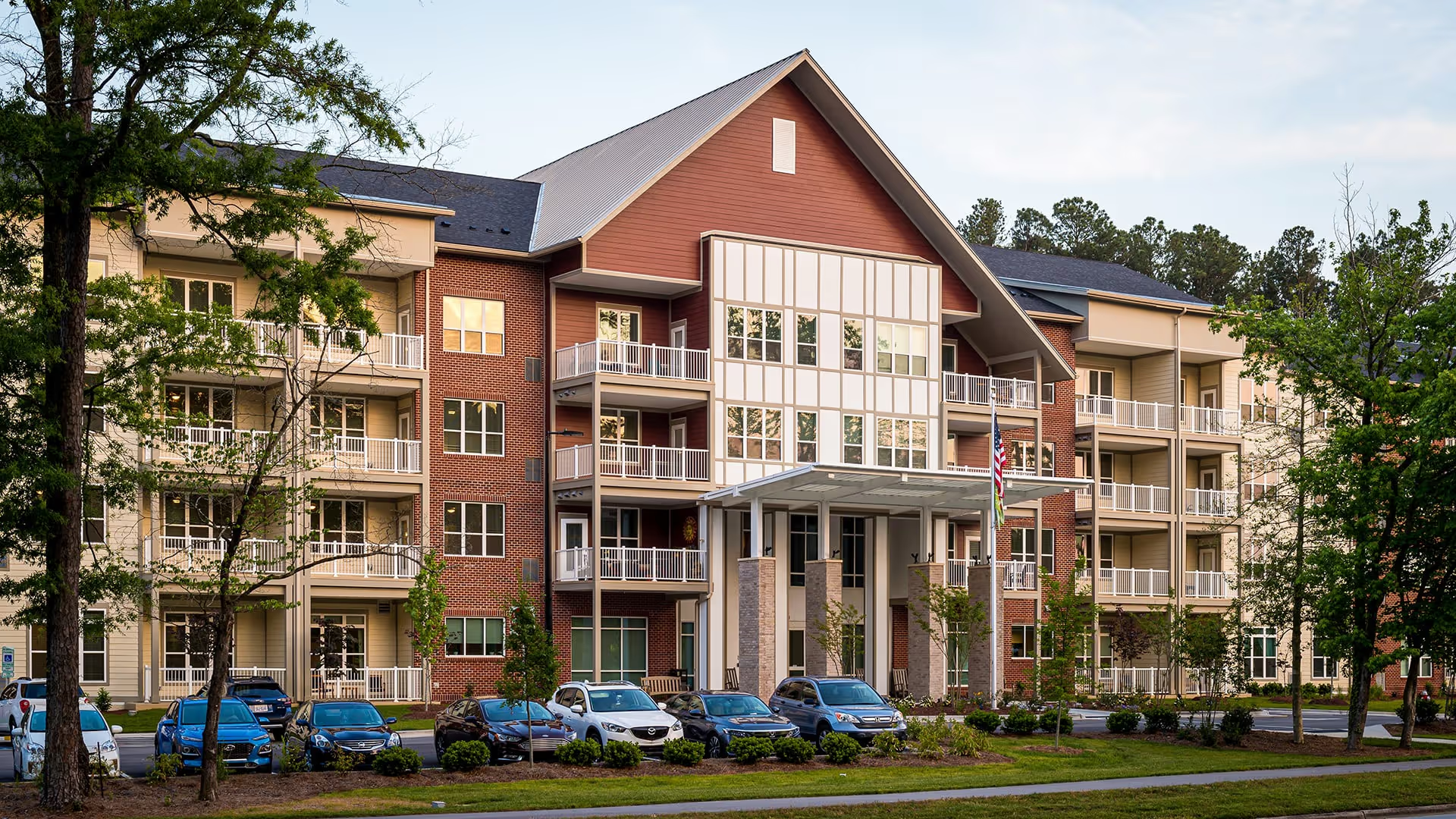
Sunrise of Cary is often described as an attractive, comfortable community with a polished, home-like atmosphere. Families and visitors frequently praise its clean, well-maintained common areas, spacious and bright rooms, dining and gathering spaces, and courtyards or porches. Room layouts and views are appealing to many, though some visitors found apartments smaller than expected, noted limited storage or outdoor space, or raised concerns about particular room or shower layouts. Residents generally need to furnish their own rooms, and the building’s multi-floor layout and elevator may be relevant for people with mobility or memory-related needs.
Care experiences vary considerably. Positive accounts describe compassionate caregivers, attentive nurses and wellness staff, individualized support, and residents who feel safe, comfortable, and well cared for. Families also value staff efforts to learn residents’ preferences and support dignity and independence. However, other families describe inconsistent supervision and responsiveness, including concerns about call-system response, personal care, medication administration, and timely attention to changes in health. Some accounts also raise concerns about falls and safety monitoring. These differing experiences suggest families should ask detailed questions about staffing coverage, response procedures, medication oversight, and how the community handles increasing care needs. Sunrise offers assisted living and memory care, but reviewers caution that it may not be suitable for every level of skilled or intensive nursing support.
Staff warmth and professionalism are frequently praised, especially during tours, move-ins, respite stays, and family communication. At the same time, several longer-term accounts describe changes in management and caregiver turnover, with some families linking staffing instability to inconsistent care and communication. Tour experiences are often thorough and welcoming, although there are also accounts of missed appointments, delayed information, or limited follow-up. The contrast between positive service experiences and reported coordination problems makes it useful to assess both the current leadership team and day-to-day staffing during a visit.
Dining feedback is mixed. Some residents and families describe meals as tasty, varied, and attractively presented, and reviewers mention accommodating meal options for individual needs. Others report inconsistent or poor food quality and concerns about meal-service support. Activities are another area of contrast: many visitors describe a full calendar of exercise, music, games, clubs, outings, celebrations, and memory-care programming, while other accounts found participation or activity quality uneven. On-site rehabilitation and therapy are a notable strength for families seeking support with mobility and engagement.
Cost is a recurring drawback. Families describe monthly rates as high and note that care levels, medication administration, incontinence support, and other services may add to the bill. Prospective residents should request a complete written breakdown of base fees, care-level charges, and circumstances that could require a move to another setting. Overall, Sunrise of Cary may appeal to families prioritizing an attractive environment, activities, and a broad range of on-site services, but the substantial cost and mixed reports on staffing continuity, clinical follow-through, and consistency of care merit careful review.