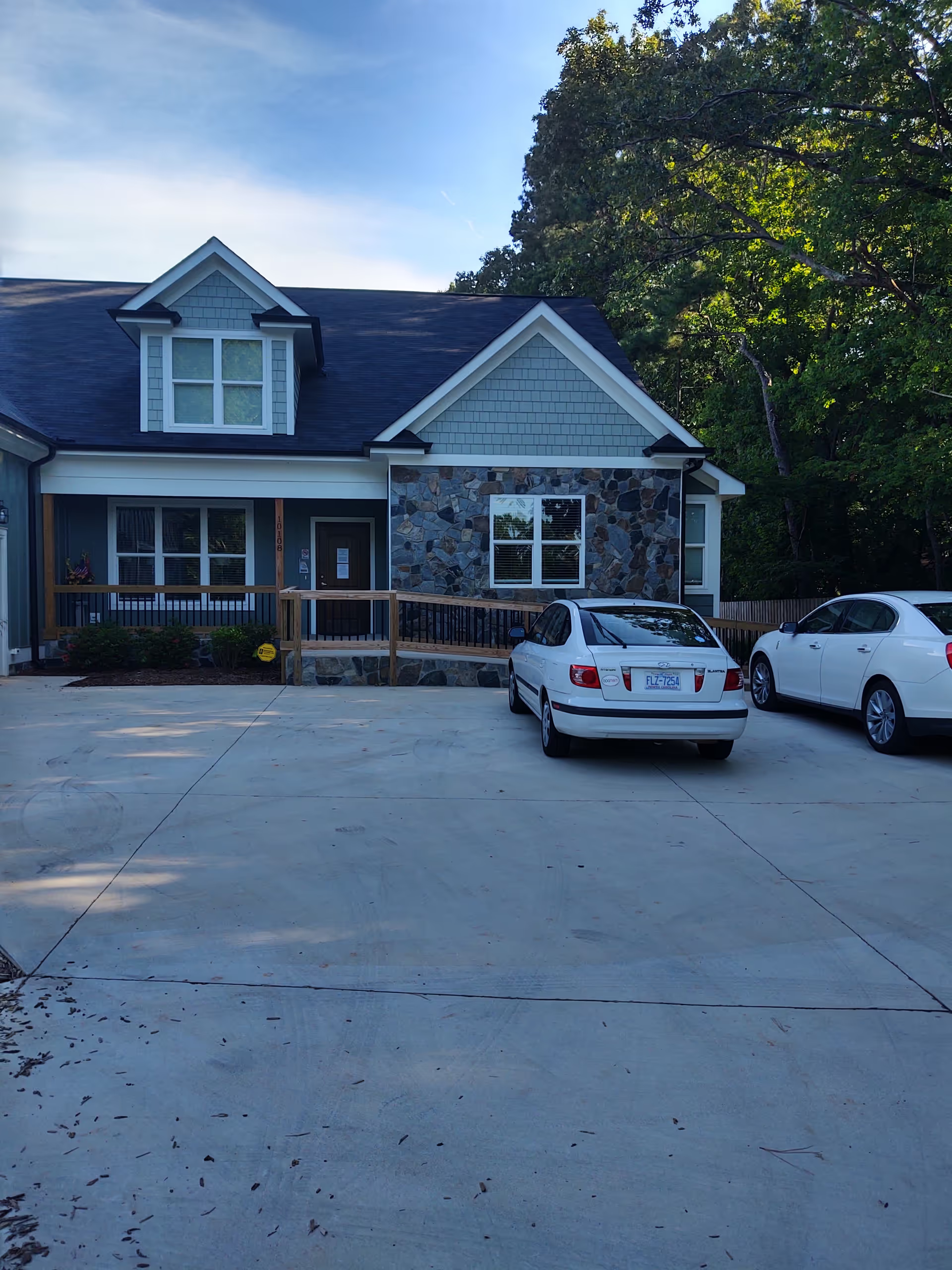
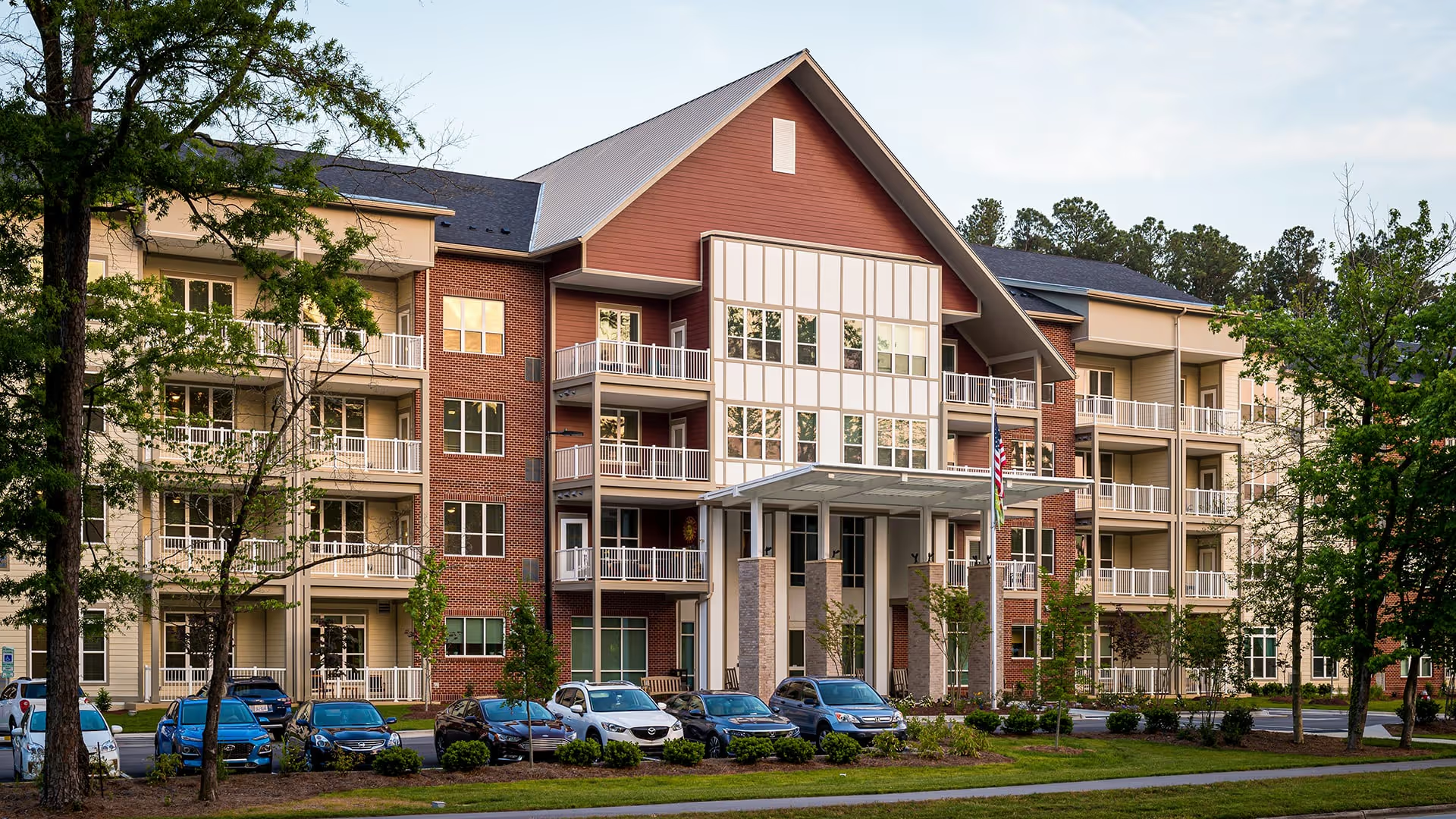
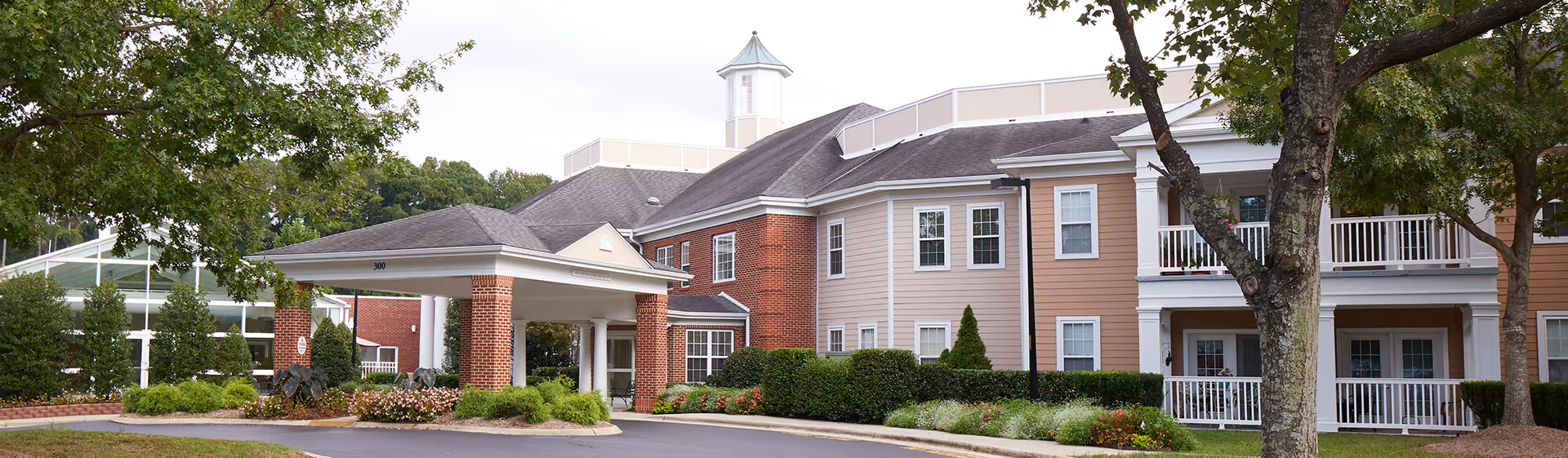
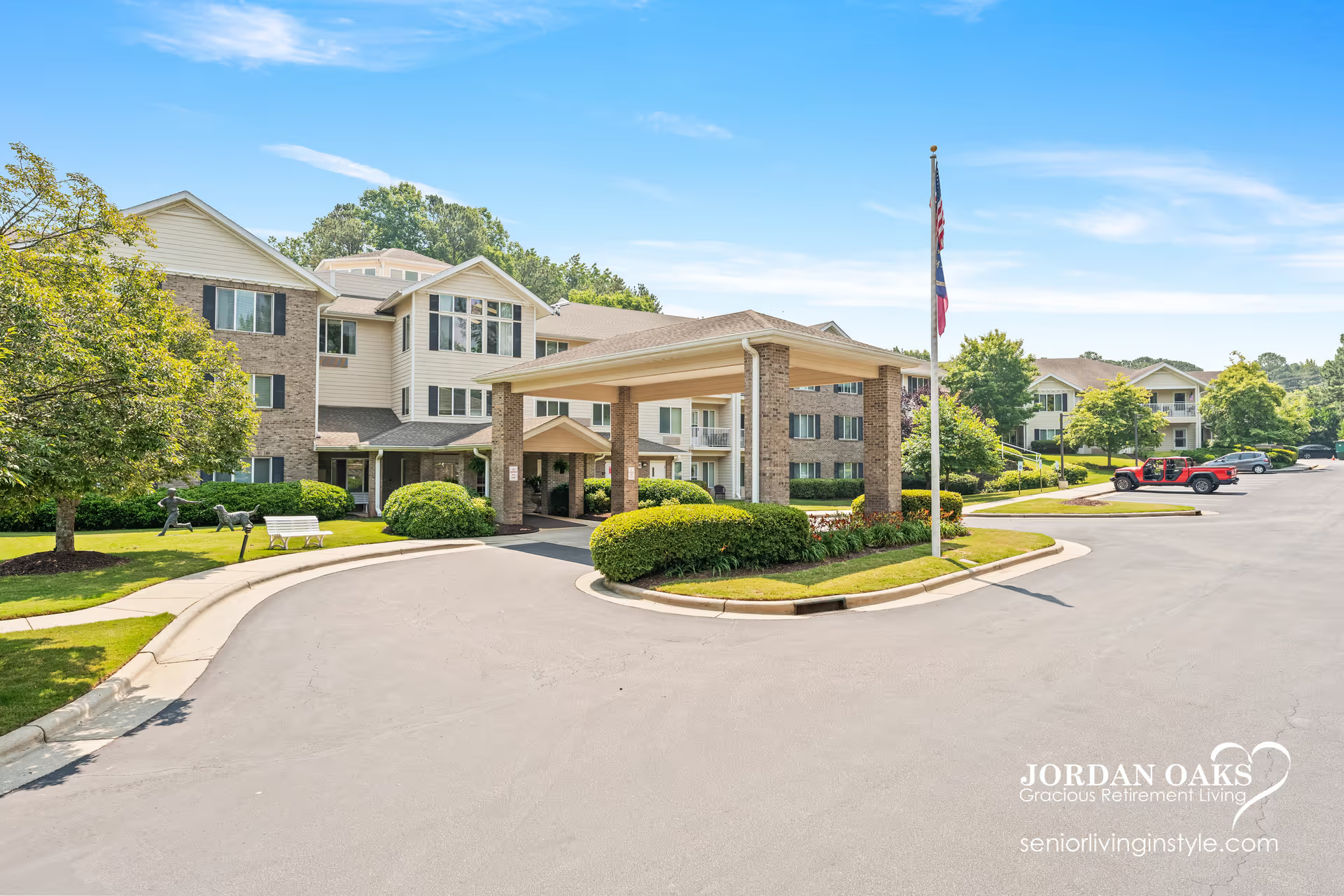
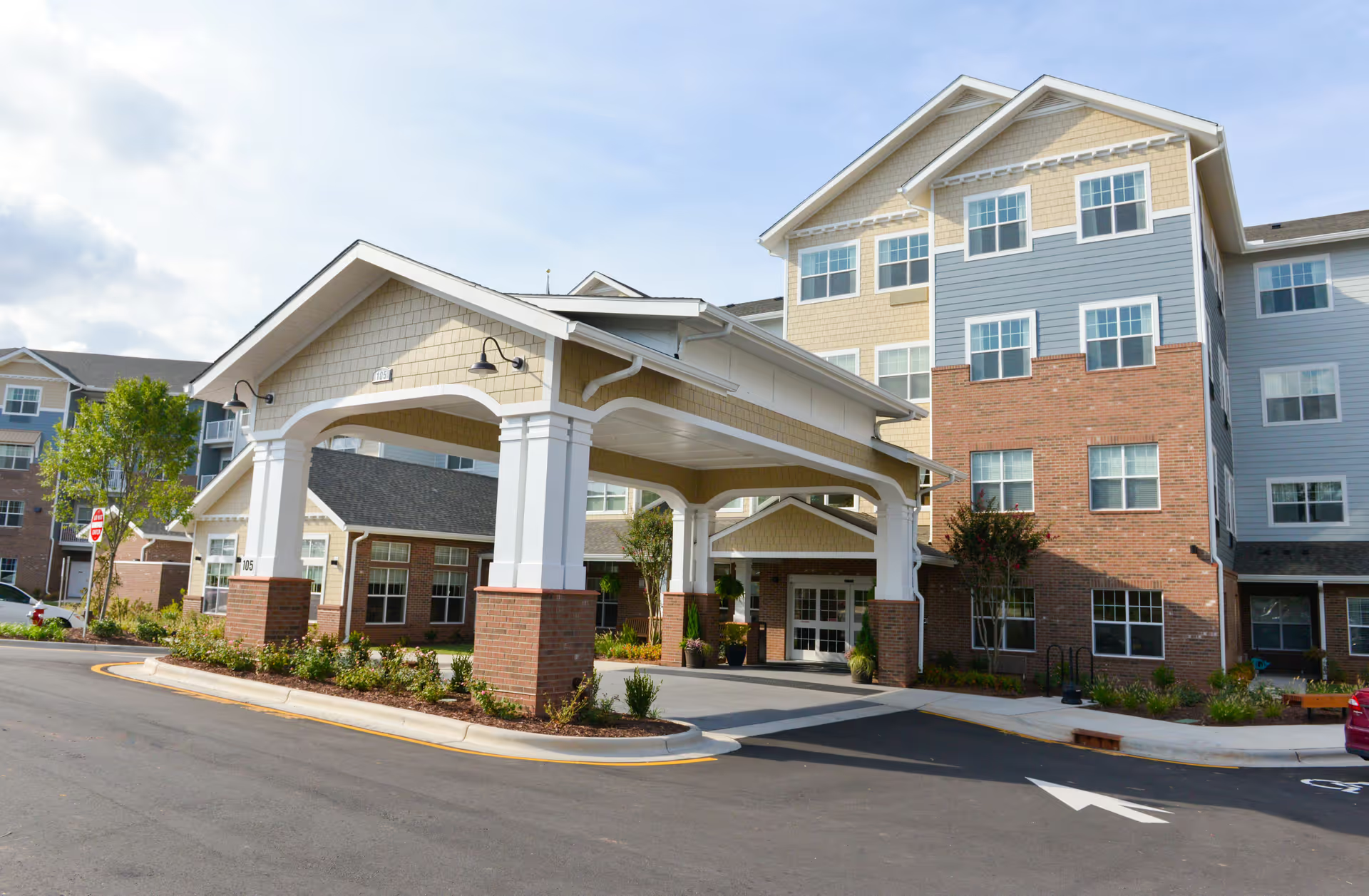
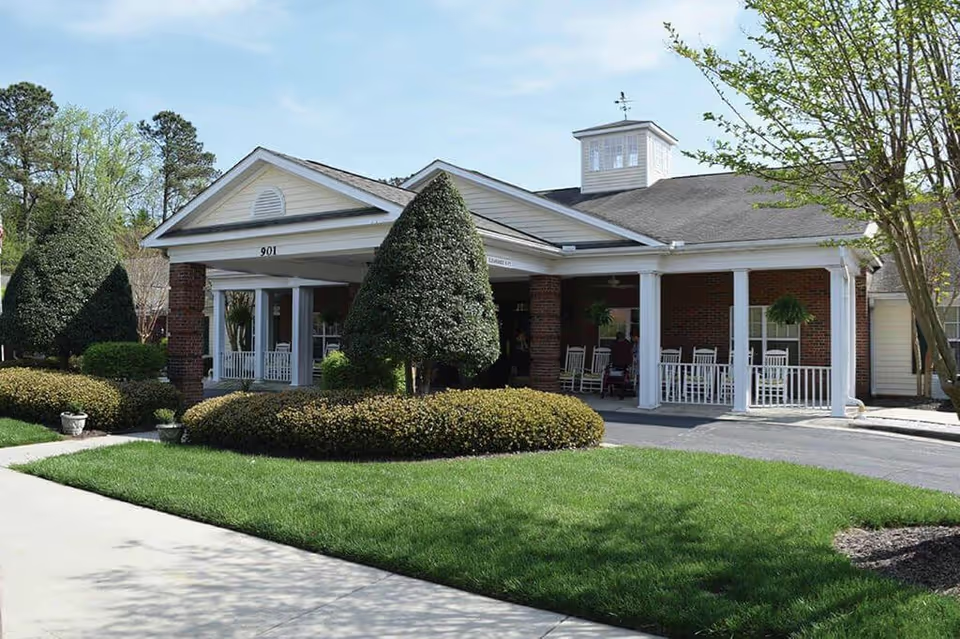
Swift Creek Health Center at the Templeton of Cary presents a mixed profile. The physical environment and hospitality are frequently praised: reviewers describe a modern, attractive facility with clean interiors, private spacious rooms, pleasant dining spaces that are wheelchair-accessible, and well-maintained grounds. Many families and residents compliment front‑desk staff, nursing aides, and some nurses for being friendly and helpful. The community offers on-site rehabilitation (PT/OT/SLP), housekeeping, laundry, salon services, an active activities program, and convenient proximity to WakeMed, which several families cited as reassuring.
Clinical quality and day‑to‑day care show a divided pattern. There are numerous positive accounts of effective rehab stays and successful goal attainment with therapists. At the same time, reviewers describe operational gaps that affect clinical care: delays or inconsistencies in medication administration, long call‑bell response times, and reports of missed clinical follow‑up (including wound care and monitoring for hydration and nutrition). These issues have at times required hospital transfers or prompted families to seek care elsewhere. The recurring theme is variability — some residents receive attentive, goals‑oriented care while others experience lapses in monitoring and timely interventions.
Staffing and management appear to be central drivers of the variance. Many reviews highlight caring individual staff members and attentive aides, yet the facility also demonstrates persistent workforce challenges: high turnover, reliance on agency or contract personnel, and inconsistent caregiver continuity. Several accounts describe inconsistent communication from charge nurses and administration, and there are mentions of broader workforce‑management and HR concerns. Those patterns correspond with reports of variable staff conduct, which ranges from patient, helpful interactions to instances characterized as dismissive or unavailable.
Dining and activities are another area with mixed feedback. Multiple reviewers praise meal quality, variety, and flexible dining options, with some pointing to enjoyable dishes and accommodating service. Conversely, there are operational complaints about meals arriving with missing items, lack of assistance opening packaging, and occasional shortages of basic items. The activities program, laundry, and other amenities are often described positively and contribute to a community feel for many residents.
Facilities and leadership present both strengths and caveats. The physical plant, décor, and perceived safety are strengths that many visitors and residents note. However, some reviewers emphasize an appearance‑care mismatch: attractive surroundings do not always reflect consistency in clinical attention. There are also reports of transportation delays, fee disputes, and communication breakdowns around discharge and appointment logistics.
Overall pattern and guidance: Swift Creek may be a good fit for prospective residents who prioritize a modern environment, rehabilitation services, and an active social program, provided they confirm specific operational details up front. Families considering the facility should directly assess staffing ratios and continuity, medication‑administration protocols, wound and nutritional monitoring procedures, call‑bell response expectations, and how the facility manages agency staff. Visiting at varied times of day, asking for recent staffing metrics, and requesting written plans for therapy frequency, wound care, and family communication can help set expectations and identify whether the facility’s strengths align with a resident’s clinical needs.