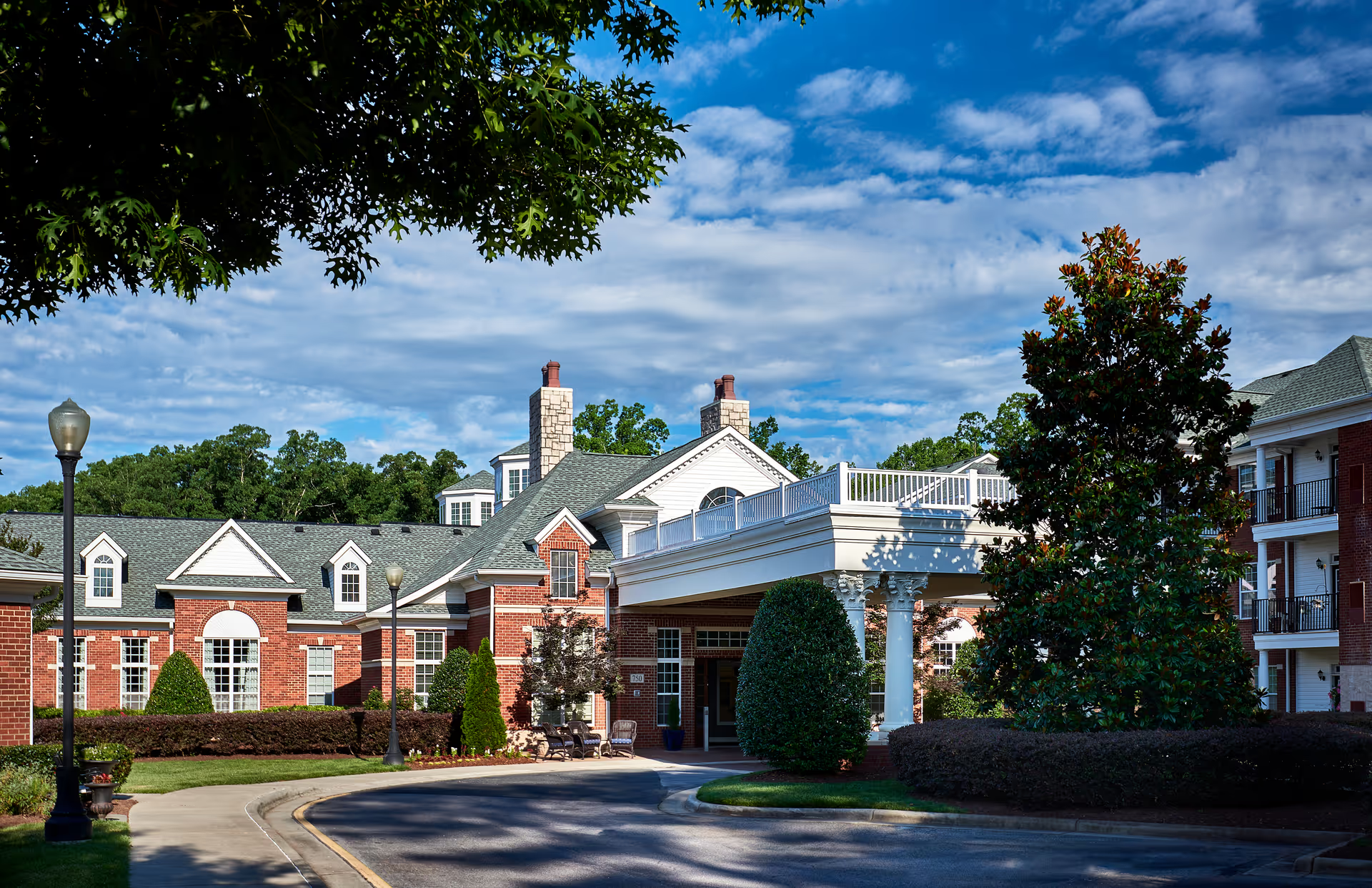
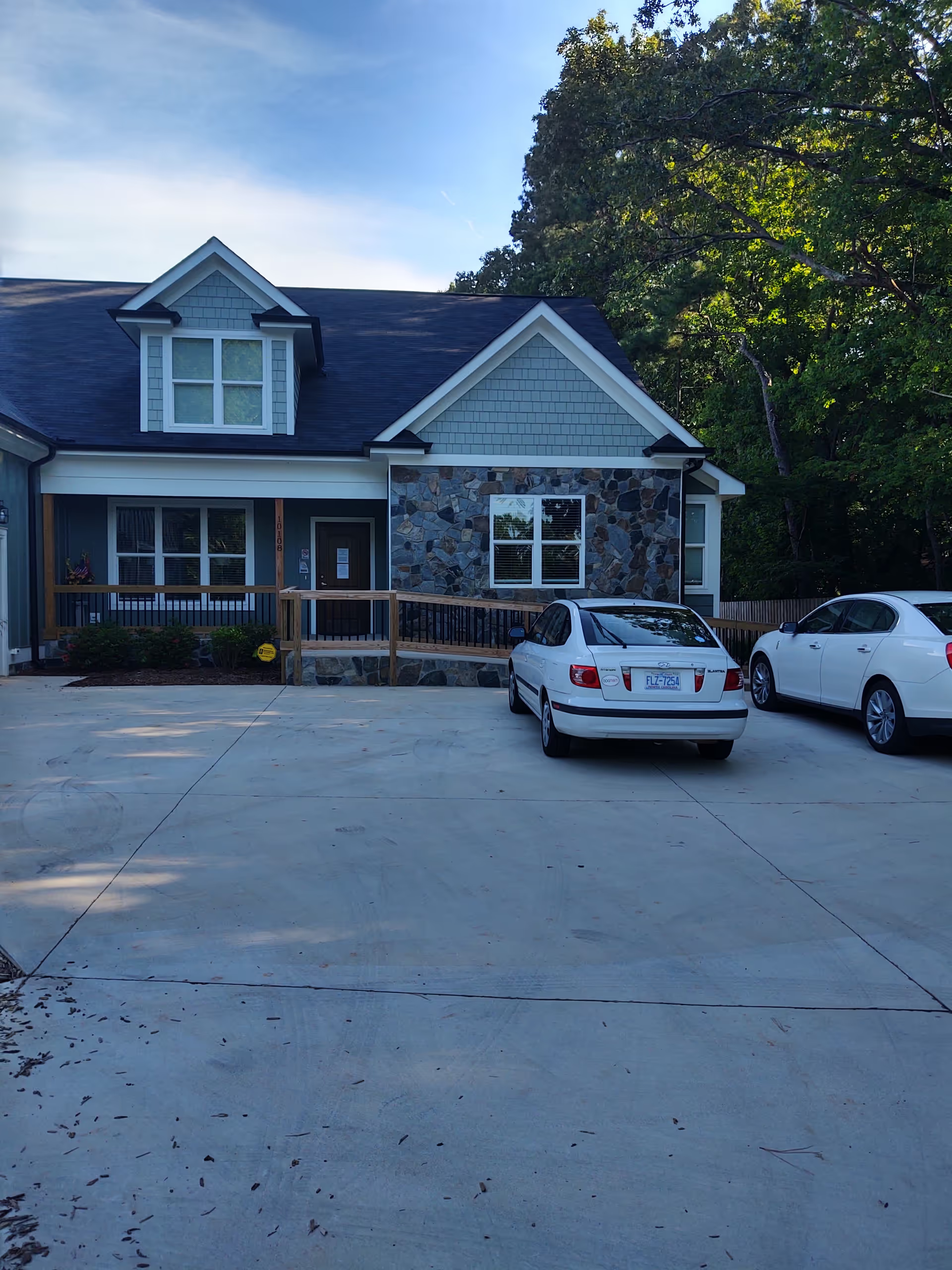
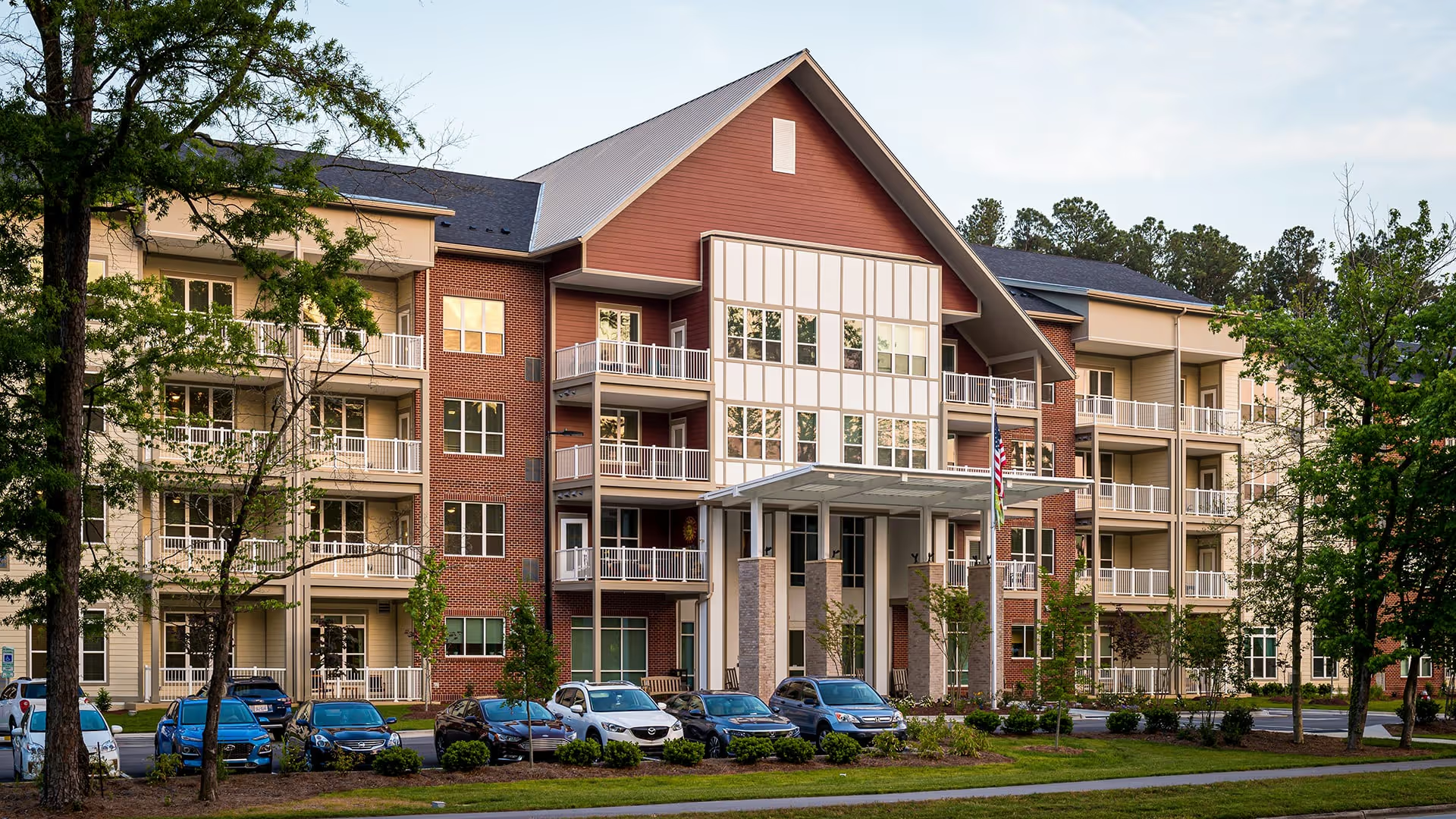
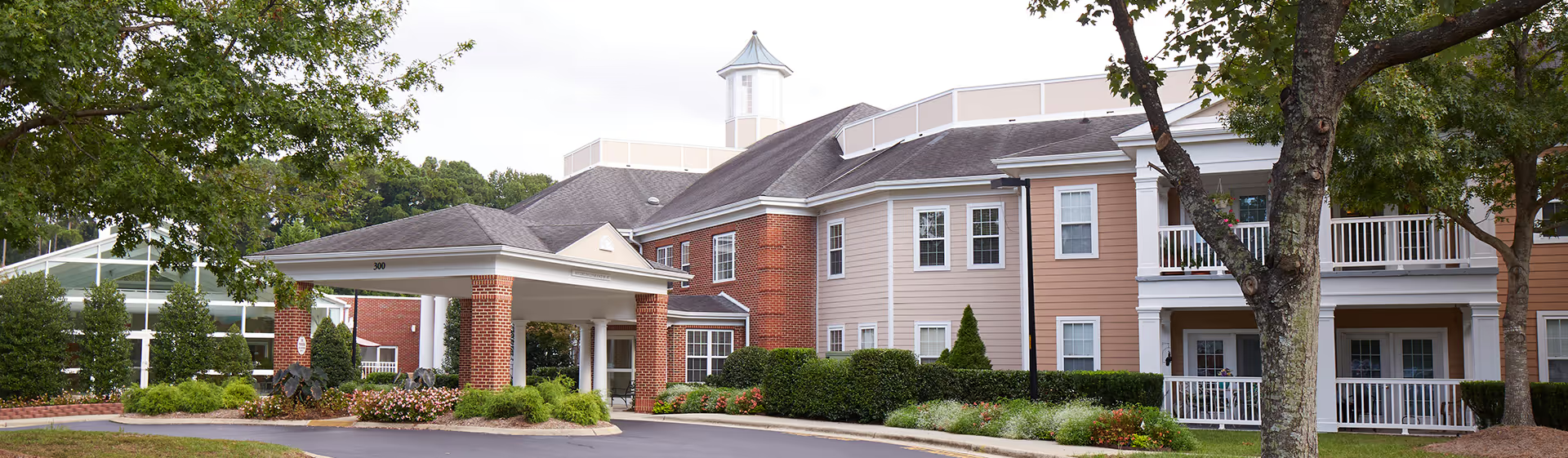
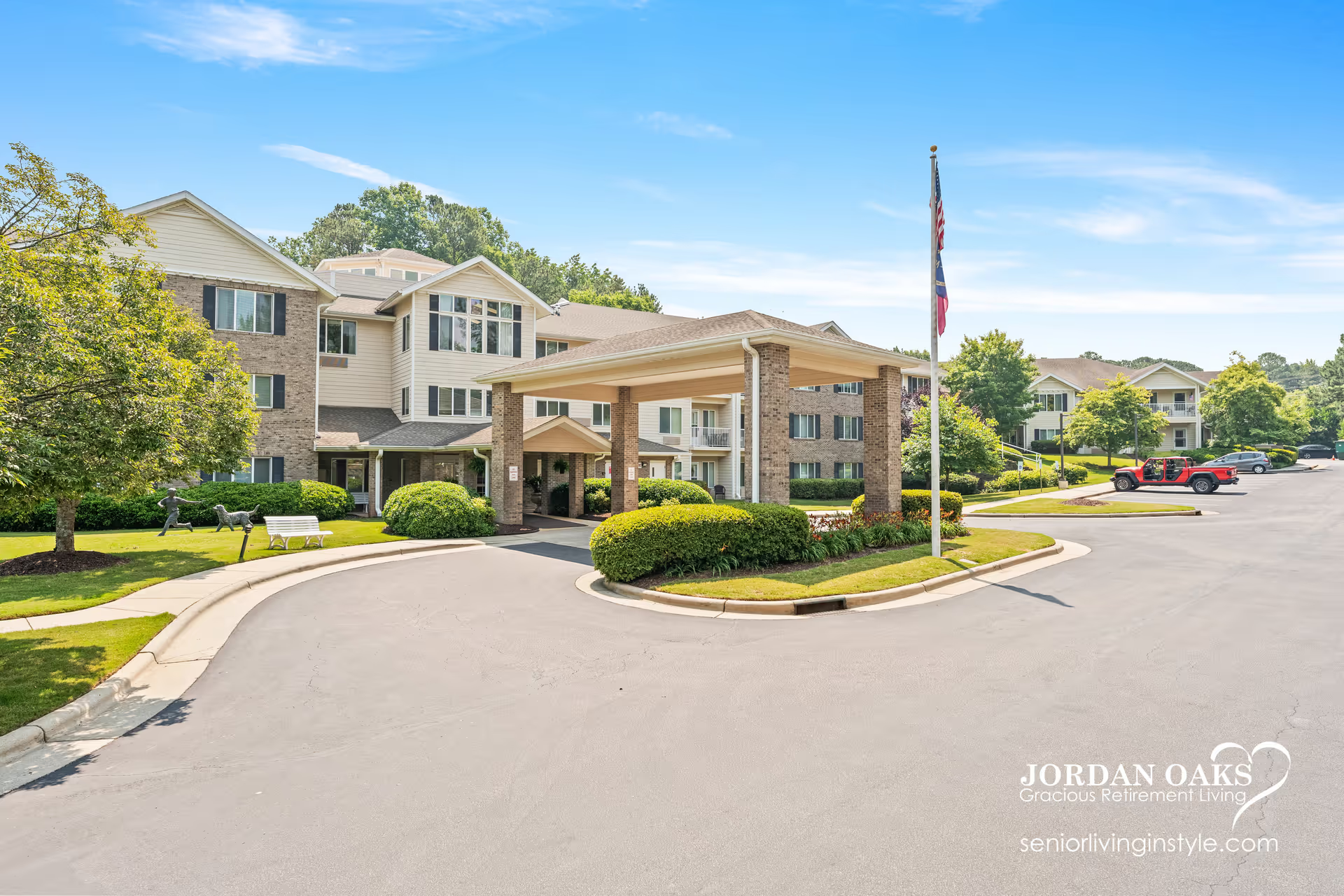
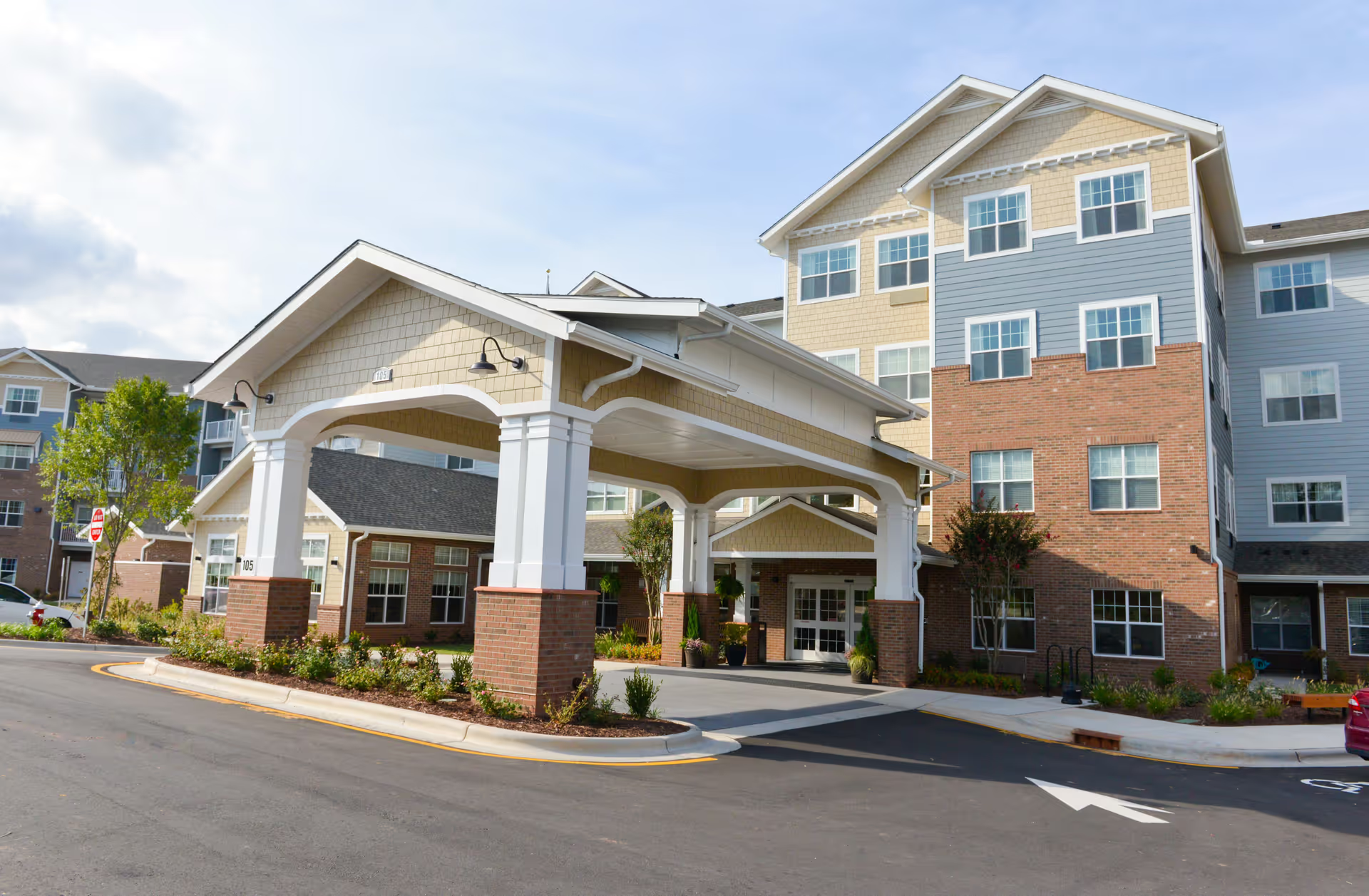
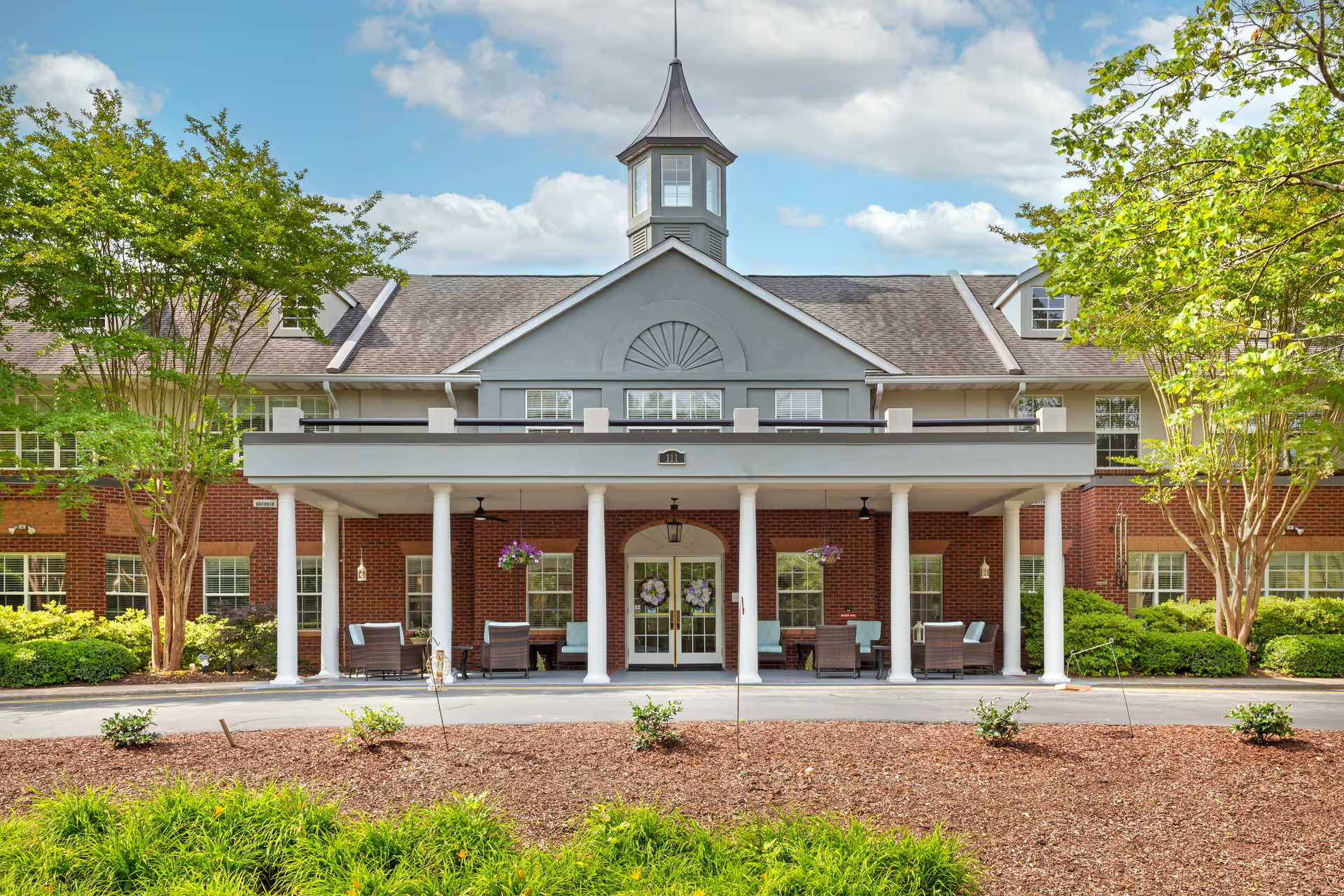
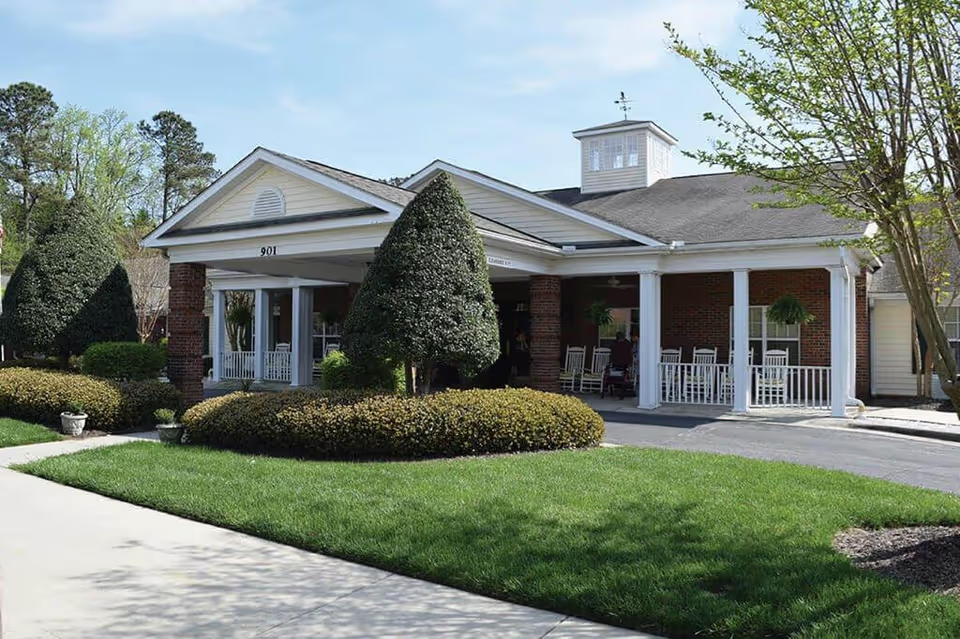
The Templeton of Cary presents as a newly built, upscale senior-living community with a broad set of amenities and an emphasis on active independent-living lifestyles. Reviewers consistently describe modern finishes, well-kept common areas, landscaped grounds, and multiple indoor amenities such as a well-equipped fitness center, saltwater pool and hot tub, spa and salon, art room, and a full-service dining venue. Apartment configurations range from ground-floor units to balconies and varied floorplans; pricing varies by location within the campus and by proximity to core services.
Care and staff: The facility earns frequent praise for its staff: reviewers describe employees as friendly, accommodating, and professional, and note efficient admissions and proactive management follow-up. On-site rehabilitative care and physical therapy (including reported positive outcomes in the Swift Creek wing) are strengths highlighted by families. At the same time, a subset of reviewers raised concerns about the memory-care program’s effectiveness and about staff conduct in that specific care area; these comments suggest potential variability in service quality across levels of care and warrant direct inquiry during a tour.
Dining and food service: Dining receives mixed but often positive commentary; several residents enjoy the meals and buffet-style options, and diners appreciate attentive serving staff. However, reviewers also identify operational weaknesses: high turnover among kitchen staff and periodic kitchen staffing shortages have contributed to inconsistent food quality for some residents. Additional operational friction includes a reservation/timing process that some find cumbersome. Prospective residents should ask about current culinary staffing stability, reservation policies, and how the community handles service continuity.
Activities and social life: The community’s Life Enrichment programming and robust activity calendar are repeatedly cited as major strengths. Wellness classes (strength training, balance, chair yoga), art programs, outings, and a social, family-like atmosphere contribute to a strong sense of community for many residents. One pattern to note is that activities are often concentrated in the morning, and some reviewers wanted clearer scheduling or more evenly distributed programming throughout the day.
Facilities, accessibility and campus issues: The property’s new construction, cleanliness, and safety systems are frequently praised. It is pet-friendly and conveniently located near a hospital, which many families found reassuring. Operational trade-offs include price differentials for units based on proximity to the main building and dining facilities, which can create both cost and accessibility implications—especially for residents who use walkers or have limited mobility. Some apartments face highway noise on one side of the building; unit selection should take that into account.
Management and patterns to verify: Management practices receive positive notes for responsiveness and follow-up, but reviewers also mention ongoing rent increases and limited weekend tour availability or scheduling constraints. Overall, the dominant pattern across reviews is one of high resident satisfaction driven by facilities, social programming, and staff helpfulness, tempered by operational concerns around culinary staffing, dining logistics, unit-location pricing/accessibility, and specific issues within the memory-care offering.
Recommendation for prospective residents and families: The Templeton of Cary is likely to be a strong fit for independent-living residents seeking modern facilities, active programming, and a social community. Families evaluating the community should prioritize on-site questions about memory-care staffing and protocols, current culinary staffing stability and dining reservation rules, unit location relative to noise and accessibility needs, and the schedule for activities throughout the day. A focused tour and direct conversations with management about these operational items will clarify whether the community’s strengths align with the prospective resident’s priorities.