LiveWell Assisted Living appears to operate as a family-owned, small-house provider with an emphasis on personalized, dignified care. Reviewers emphasized compassionate and empathetic staff behavior and a favorable staffing ratio; those elements contributed to impressions that residents were treated with respect and appeared content. The organization’s family-oriented culture and small six-resident household model are presented as strengths that support close, home-like relationships and individualized attention.
Care quality is described positively in most comments, with staff communication and bedside manner singled out. At the same time, there is evidence of variability: one strong negative experience resulted in an early resident removal, which suggests that fit between a resident’s needs and the home’s capabilities can be an important determinant of outcome. Prospective families should therefore clarify clinical oversight, escalation and discharge procedures, and how the provider assesses compatibility during the move-in process.
There is limited direct information about dining and structured activities in the available summaries. Given the small-house model and family-focused approach, meal service and leisure programming may be more informal and personalized than the large-scale, structured offerings typical of bigger communities. Prospective residents should ask for sample menus, activity schedules, and examples of social programming to confirm whether those services meet their expectations.
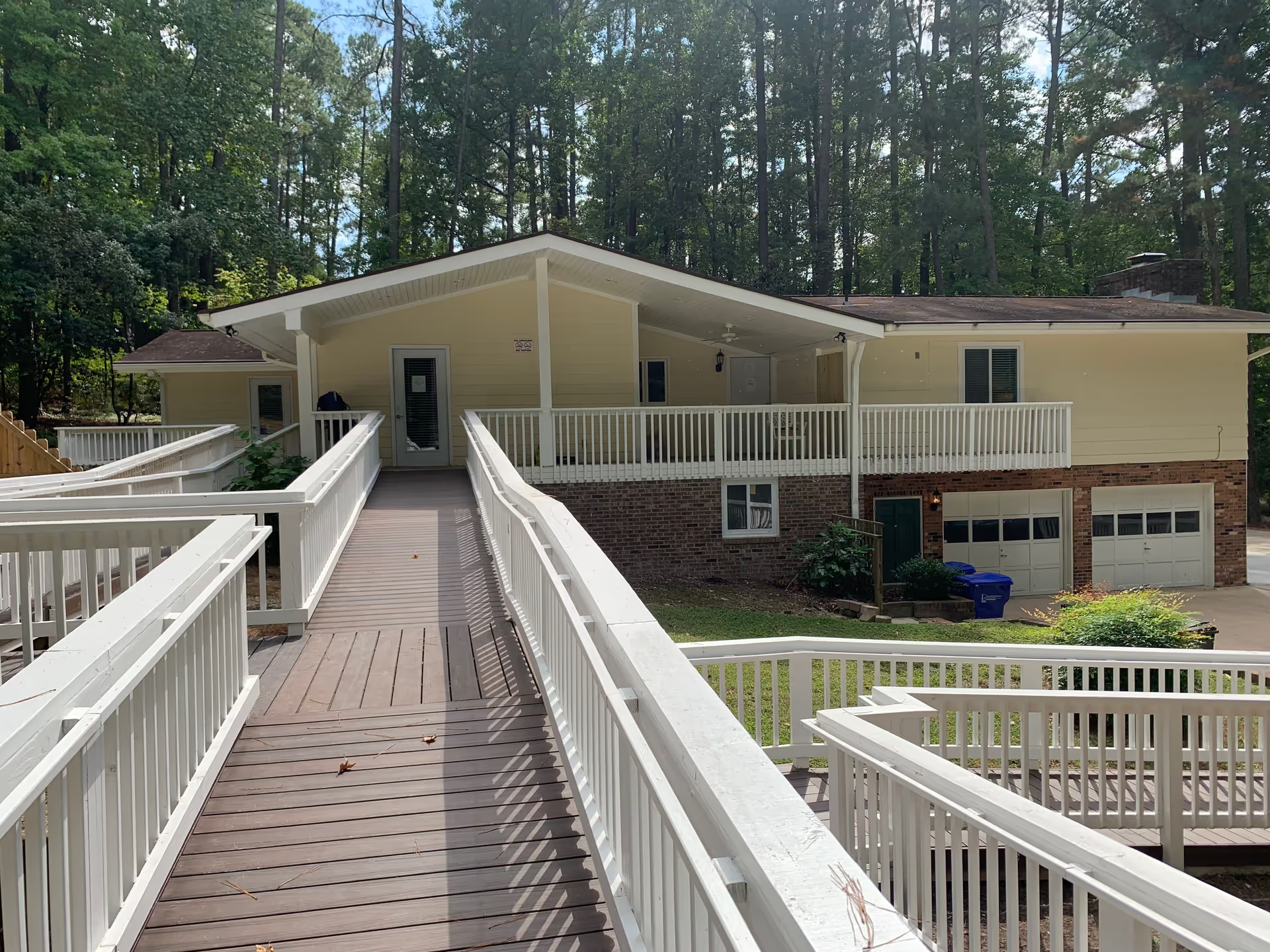
Facilities and operations are portrayed as homelike rather than institutional; the Cary location and Family Care Homes framing indicate a localized, owner-operated management style. That can be an advantage for families seeking close managerial access and continuity, but it can also mean more limited on-site clinical resources and fewer backup staffing options than a larger facility. Reviewers noted pricing as competitive with peers, and the availability of LiveWell’s Home Care services may provide an additional option for supplemental care needs.
Notable patterns: overall impressions skew positive around staff demeanor, individualized attention, and a small, family-like environment. However, the presence of a markedly negative outcome in at least one case points to potential inconsistency in how well the home meets higher-acuity or difficult-fit situations. When evaluating this provider, families should seek specific information about clinical capabilities, staff credentials and turnover, emergency protocols, policies for addressing family concerns, and examples of recent resident transitions to assess both the typical experience and how the home handles exceptions.