The Pavilion Health Center at Brightmore presents a polarized picture: many families and patients describe the facility as modern, well equipped, and therapy-focused, while others raise significant operational concerns that affect clinical safety and day-to-day care. Across reviews the therapy teams (physical, occupational, and speech) are repeatedly singled out as a major strength — therapists are described as skilled, proactive, and effective at restoring function and preparing residents for discharge. Short-term rehabilitation outcomes and the facility’s large therapy gym are frequently praised.
Staff-level feedback is mixed. Numerous reviews describe nurses, CNAs, activity staff, and admission/social-work personnel as compassionate, attentive, and personalized in their approach; individual staff members and maintenance personnel are repeatedly commended for responsiveness and problem-solving. At the same time, reviewers report inconsistent staffing coverage, particularly overnight and on weekends, and elevated staff turnover. That variability correlates with reports of slow response times to bedside requests, extended waits for assistance with personal care, and uneven conduct or bedside manner on some shifts.
Clinical and medication management patterns merit attention. Many accounts describe medication administration errors, missed or delayed doses, and inadequate communication of medication changes. Limited onsite physician availability and intermittent nurse practitioner coverage are cited as contributing to gaps in clinical oversight and escalation, with several reviews describing subsequent hospital transfers or emergency care. Families frequently describe needing to advocate actively to secure timely assessments or changes in treatment.
Dining and nutrition are another area of inconsistency. Some reviewers note accommodating kitchen staff and acceptable meals; others describe cold or unappealing food, inconsistent meal timing, and occasions where dietary restrictions were not followed. The chef is sometimes praised for individual accommodations, but the overall meal-service continuity and menu variety appear uneven.
Activities and social engagement are commonly highlighted as strengths. Activity directors are named as a core positive, with frequent events, holiday programming, worship services, and social gatherings that support resident engagement and mood. These programs are cited as contributing to improved emotional well-being for many residents.
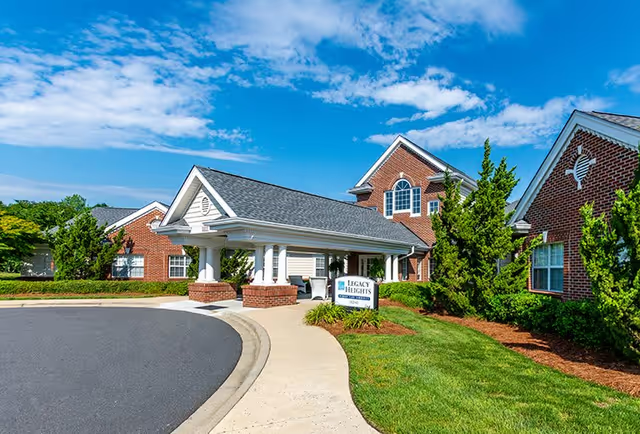
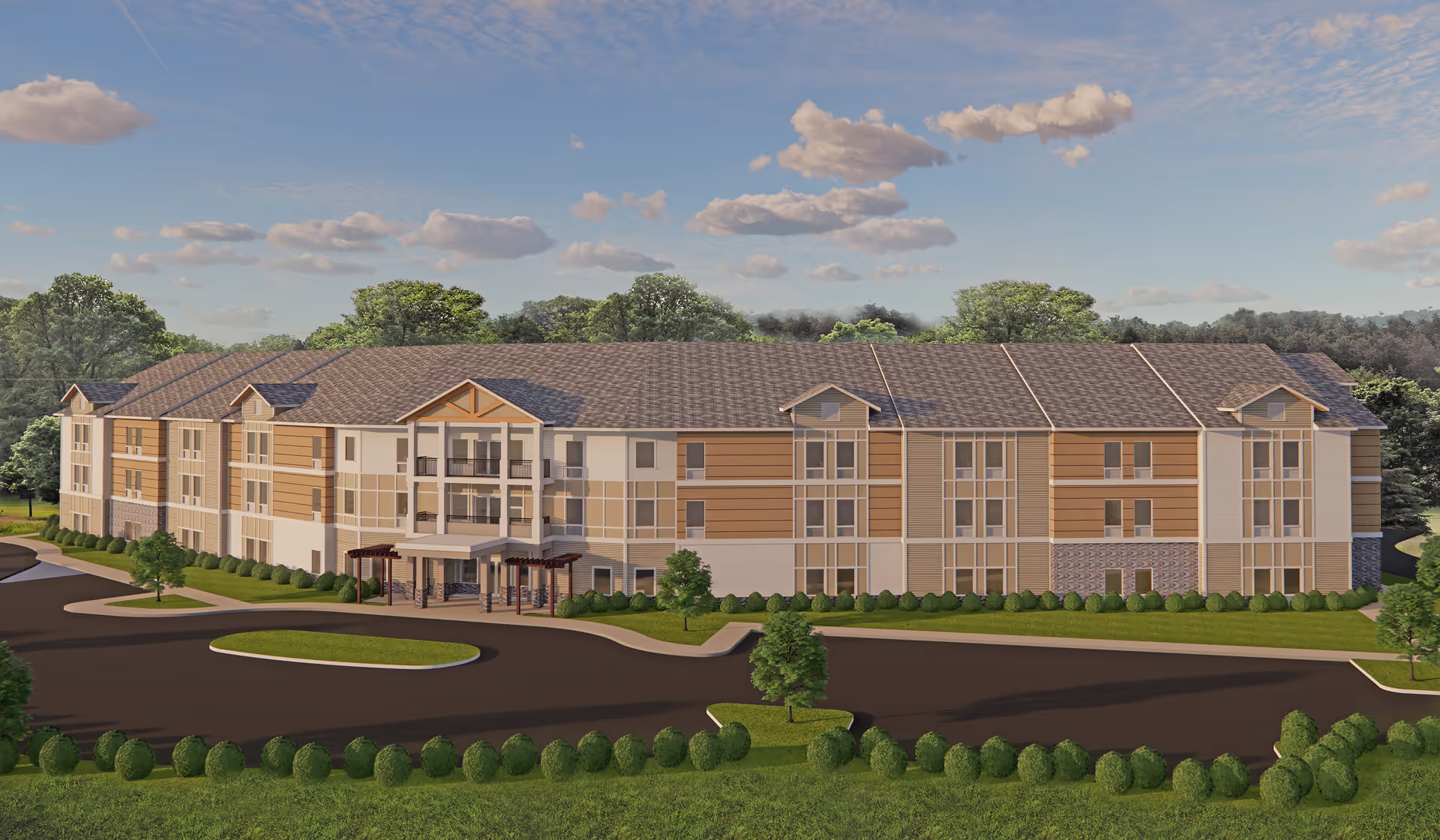
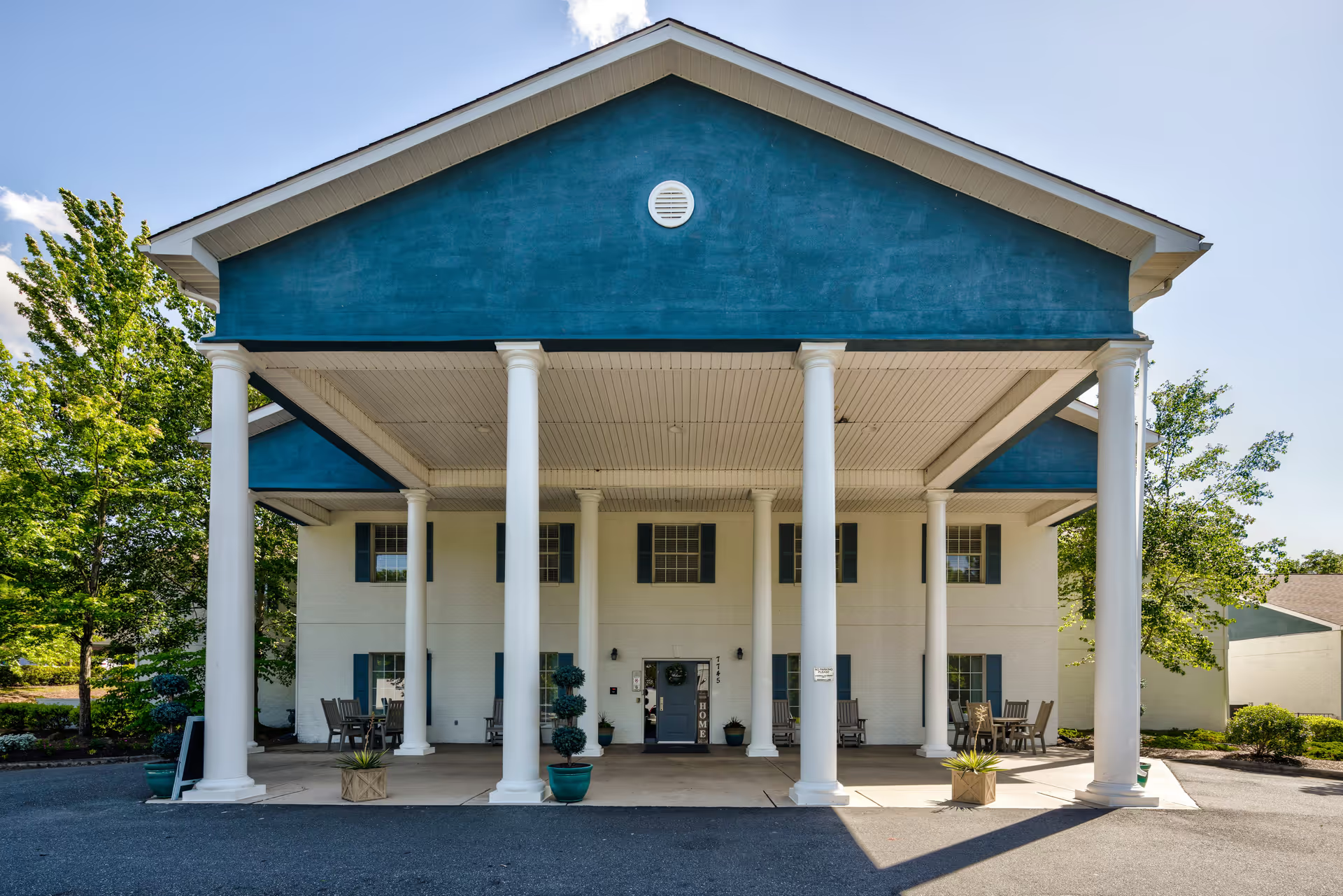
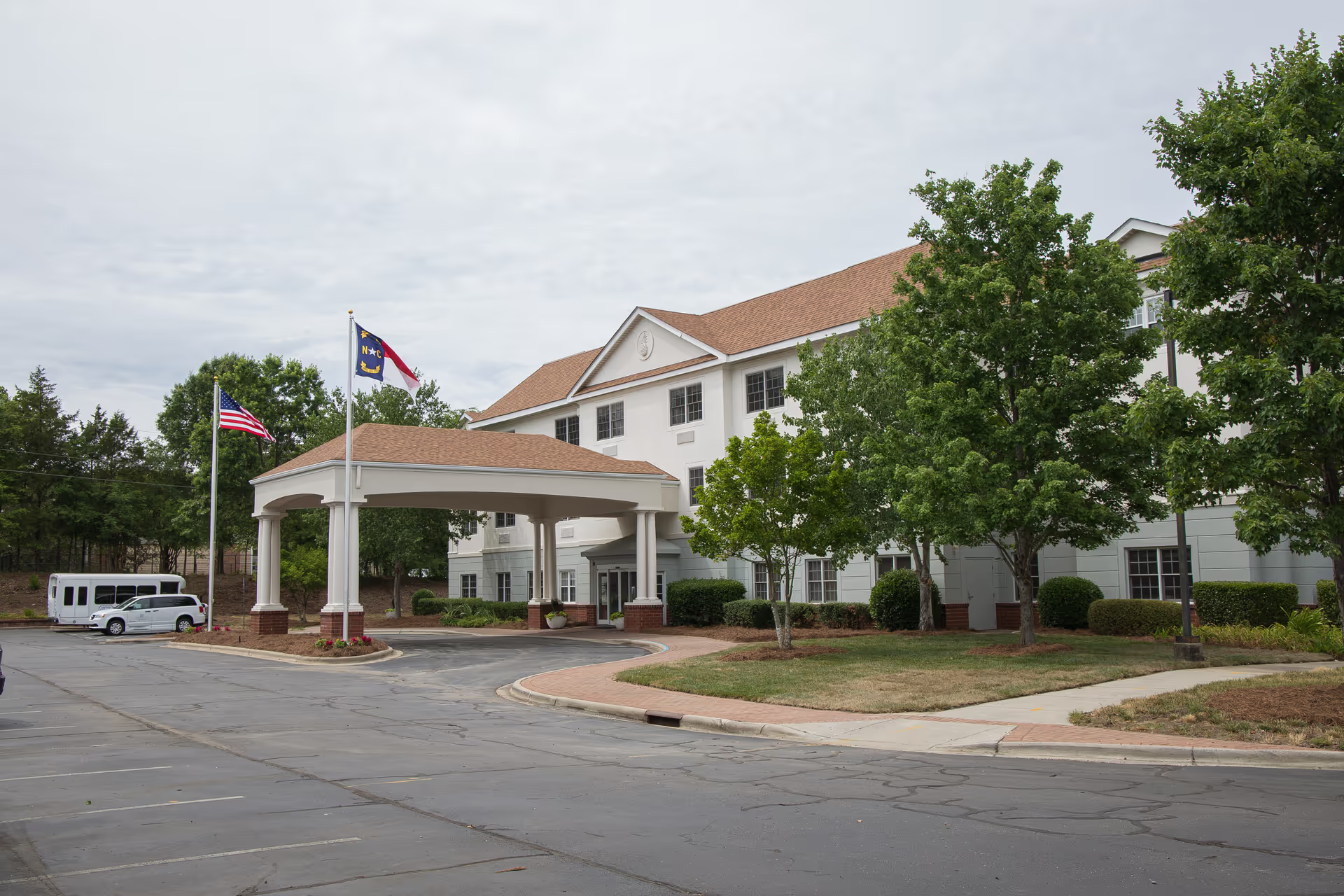
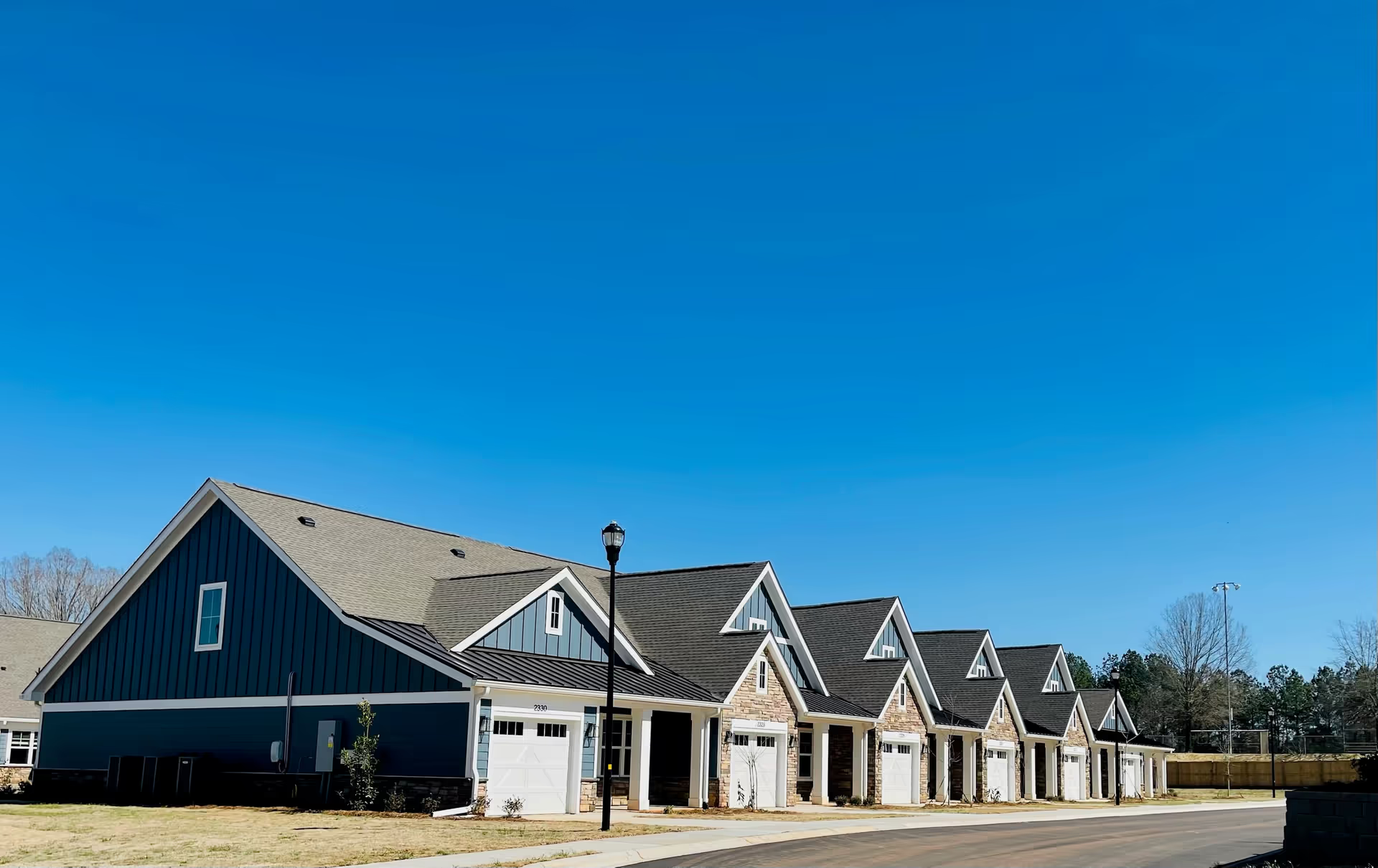
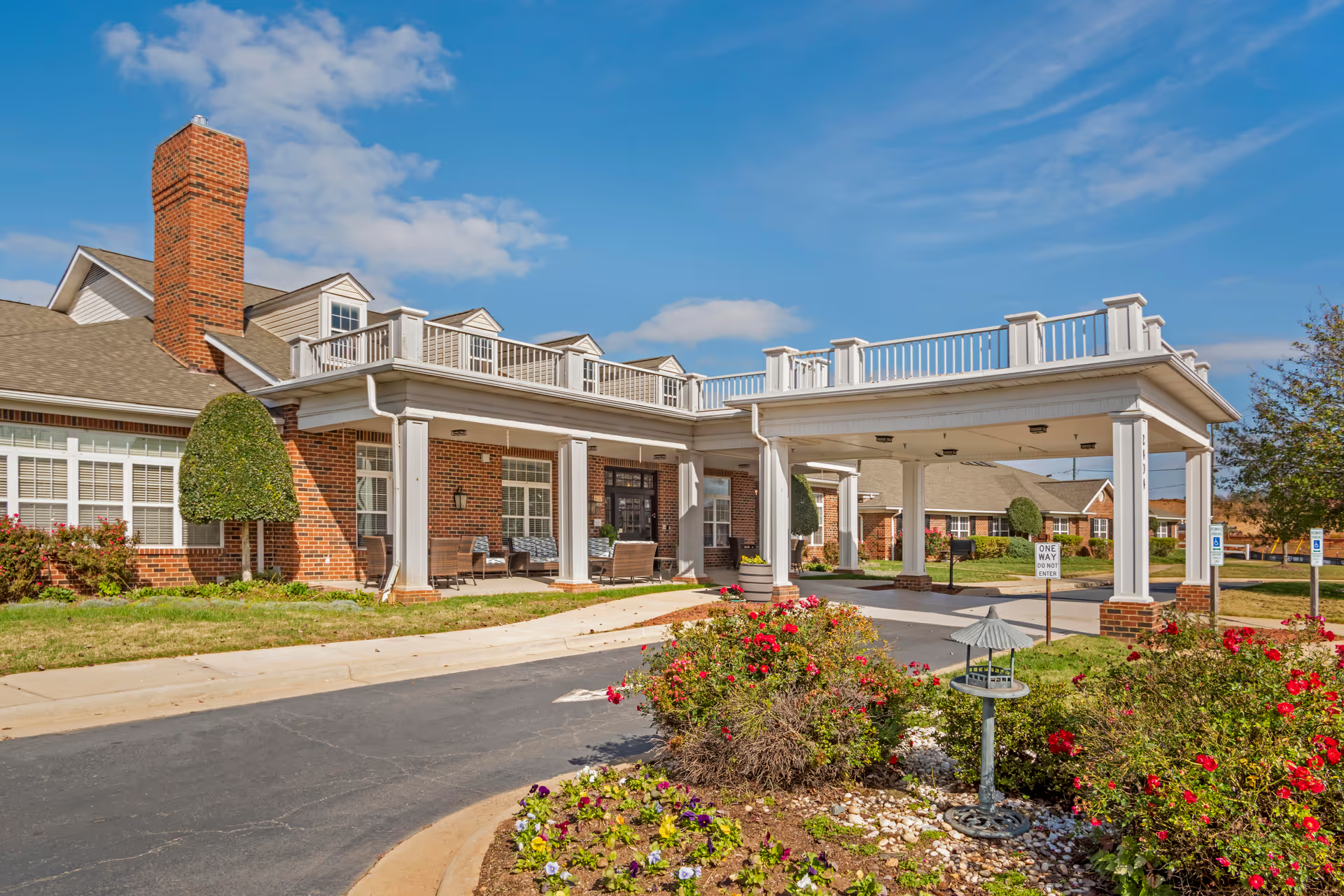
Facility condition and maintenance are generally viewed positively: the building is described as clean, bright, and contemporary, with prompt maintenance support for room issues. However, reviewers also identify sanitation and housekeeping inconsistencies in particular rooms or units, along with occasional odor concerns in common or patient areas.
Management and communication show divergent experiences. Several families praise helpful administrators and social workers who coordinate discharge and home services; others describe difficulty reaching staff by phone, unanswered messages, lack of written explanations for clinical decisions, and unsatisfactory complaint follow-through. Transport scheduling, discharge coordination, and handoff communication between therapy and nursing are recurring operational pain points.
Notable patterns for prospective residents and families: the facility offers strong rehabilitation resources and many staff who provide compassionate, individualized care, but operational weaknesses — principally staffing levels, medication administration controls, communication systems, and some housekeeping/sanitation inconsistencies — have repeatedly affected safety and satisfaction for other families. Those considering this facility should ask targeted questions about staffing ratios (including night and weekend coverage), medication-administration procedures, physician and advanced-practice coverage, call-bell response metrics, dietary accommodation processes, and complaint-resolution practices. Observing a mealtime and speaking directly with the therapy, nursing, and admissions teams during a tour can help assess whether the facility’s strengths align with an individual resident’s clinical and safety needs.