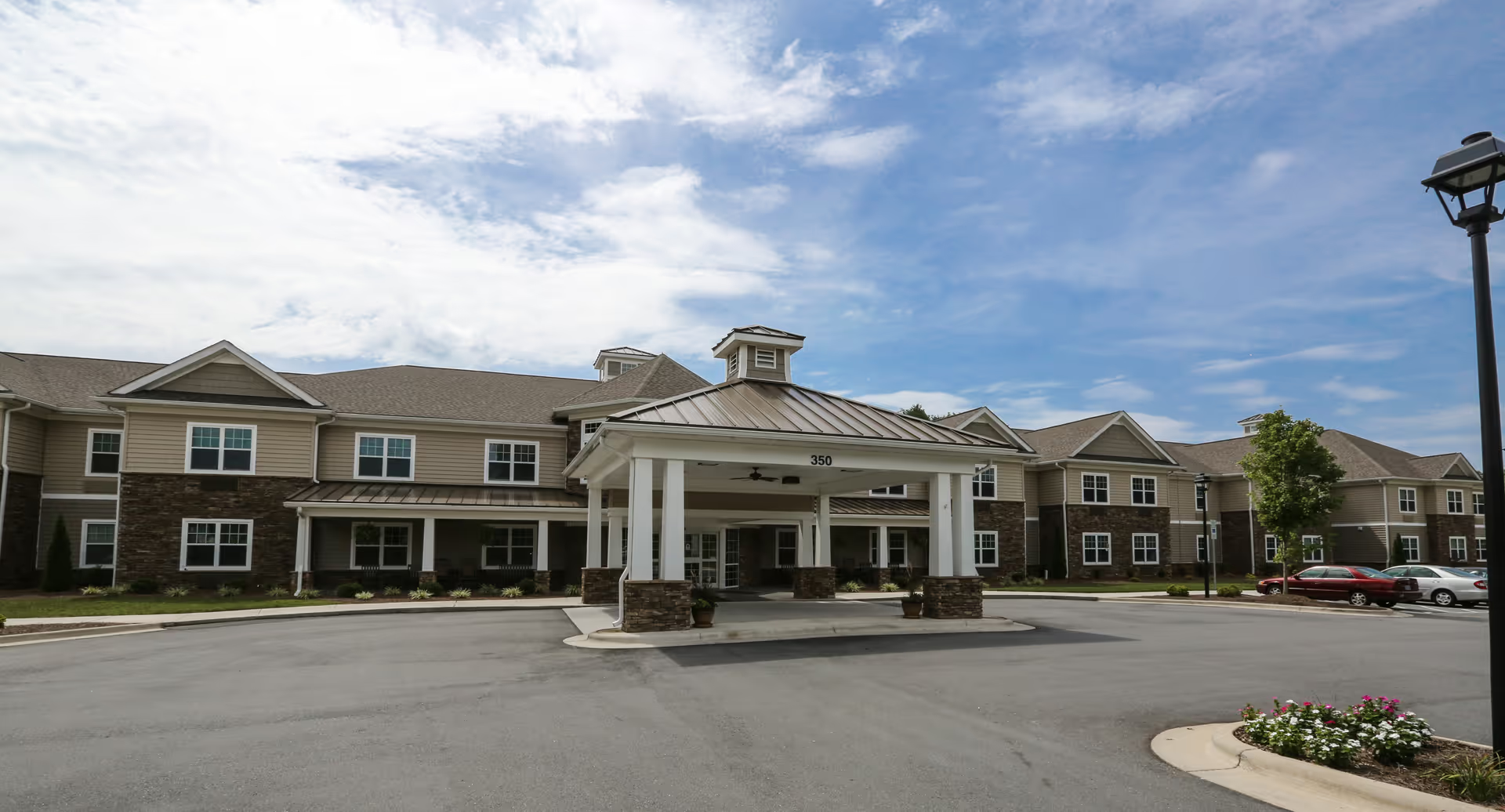
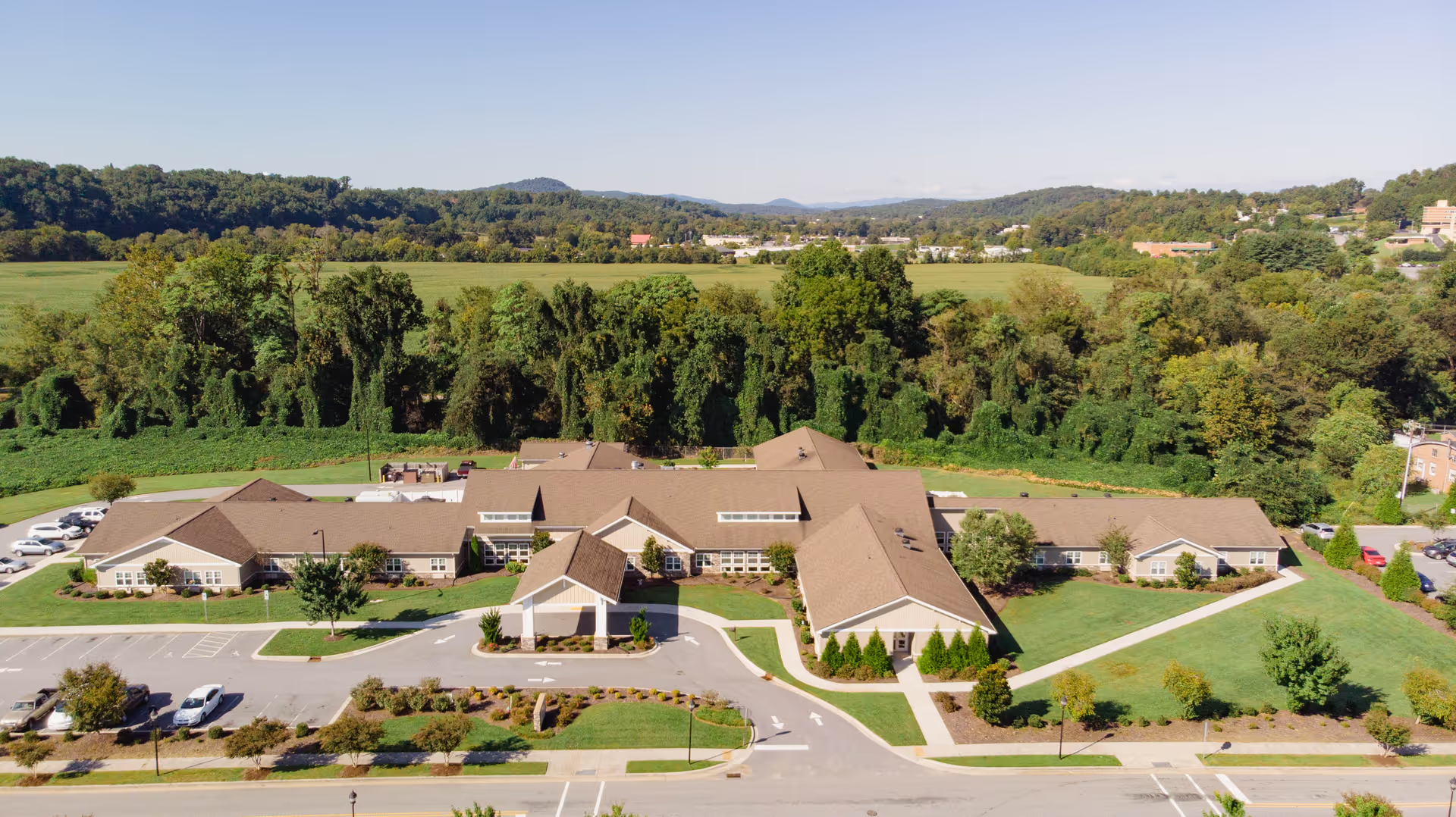
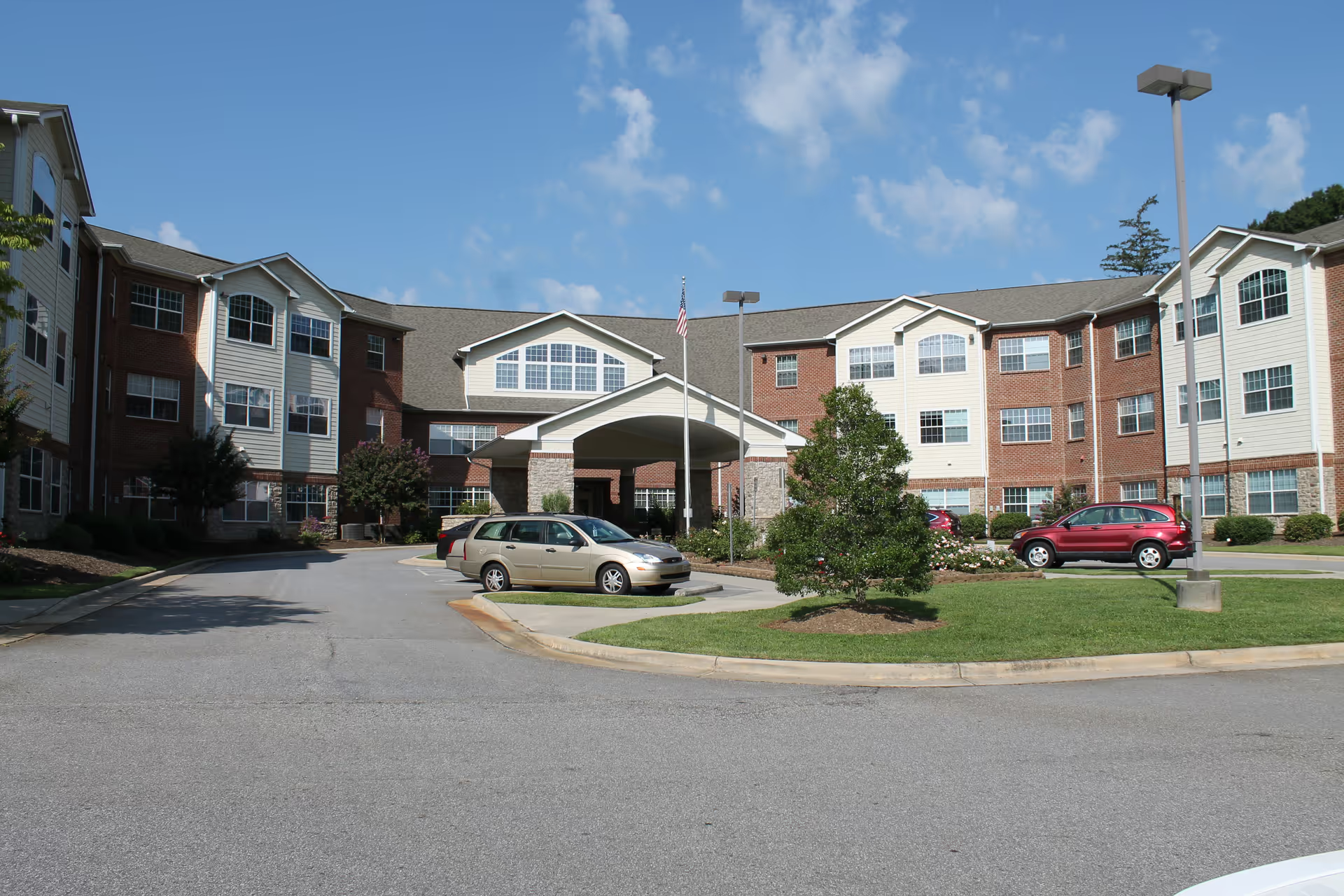
Overall impression: Reviews for Riverwood Assisted Living are sharply polarized. Several families and one-time visitors praised staff professionalism, meal quality, and a well-maintained interior, while other accounts raised substantive concerns about safety, sanitation, and management practices. The facility's recent or past ownership and mission changes are also a recurring theme in commentary.
Care quality and resident supervision: Praise centers on attentive, compassionate caregivers and instances of family-reported resident satisfaction. At the same time, there are specific safety-related concerns around supervision of residents with cognitive impairment, including wandering incidents. One review referenced police involvement in a particular incident; while that appears isolated, it highlights potential gaps in on-site incident response and escalation procedures.
Staffing and staff conduct: Multiple observations reflect a dedicated, loyal workforce described as hardworking and courteous. Counterbalancing those positives are operational issues that may affect staffing continuity: mentions of scheduling enforcement or disciplinary actions, perceptions of undercompensation, and general staffing instability. These workforce dynamics can influence continuity of care and responsiveness.
Dining, activities, and daily life: Meal service received consistently positive comments, with several reviewers describing the food as excellent. There is limited information about programming and activities in the available summaries; neither strong praise nor detailed criticism about recreational or therapeutic programming appears frequently.
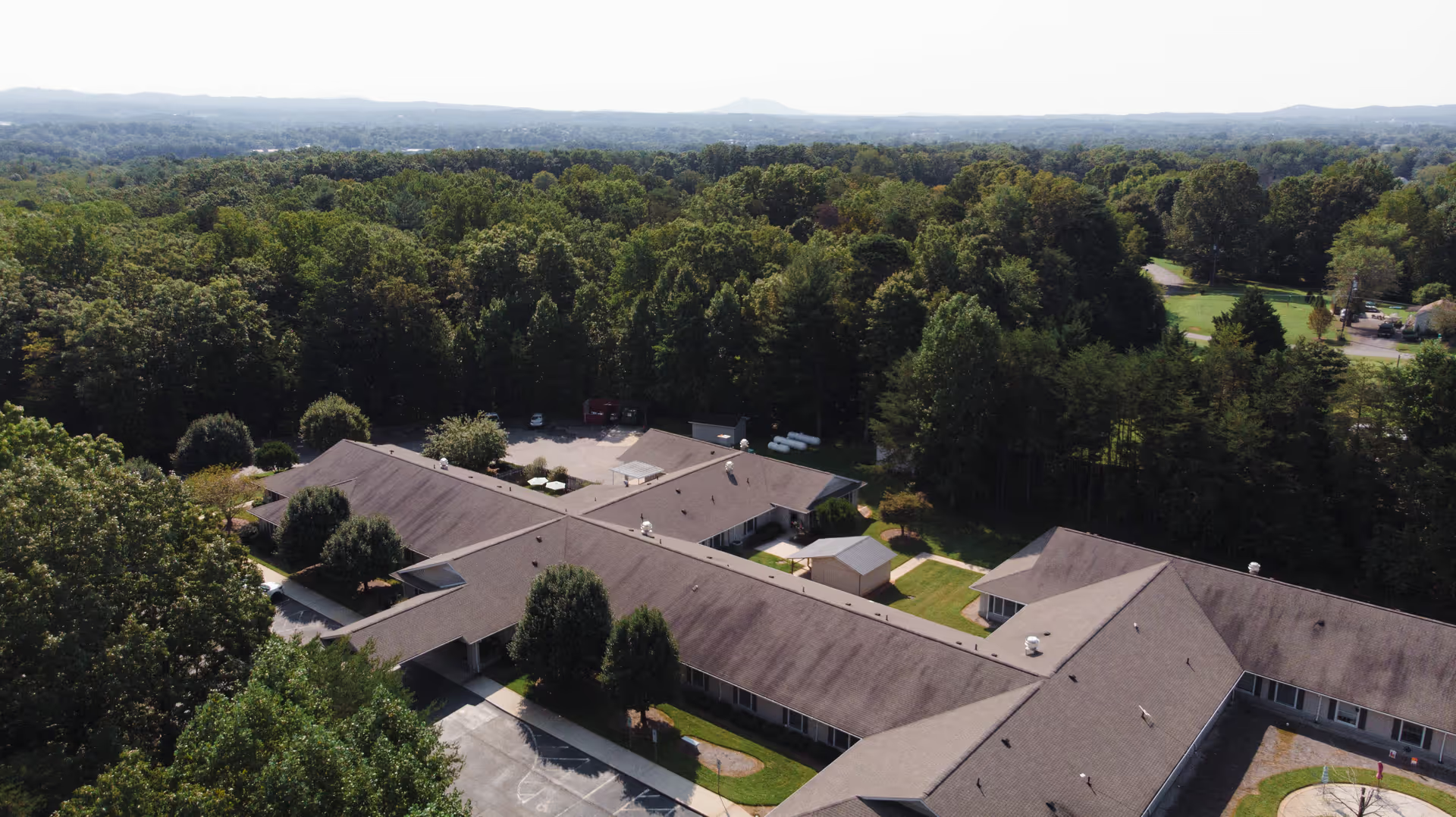
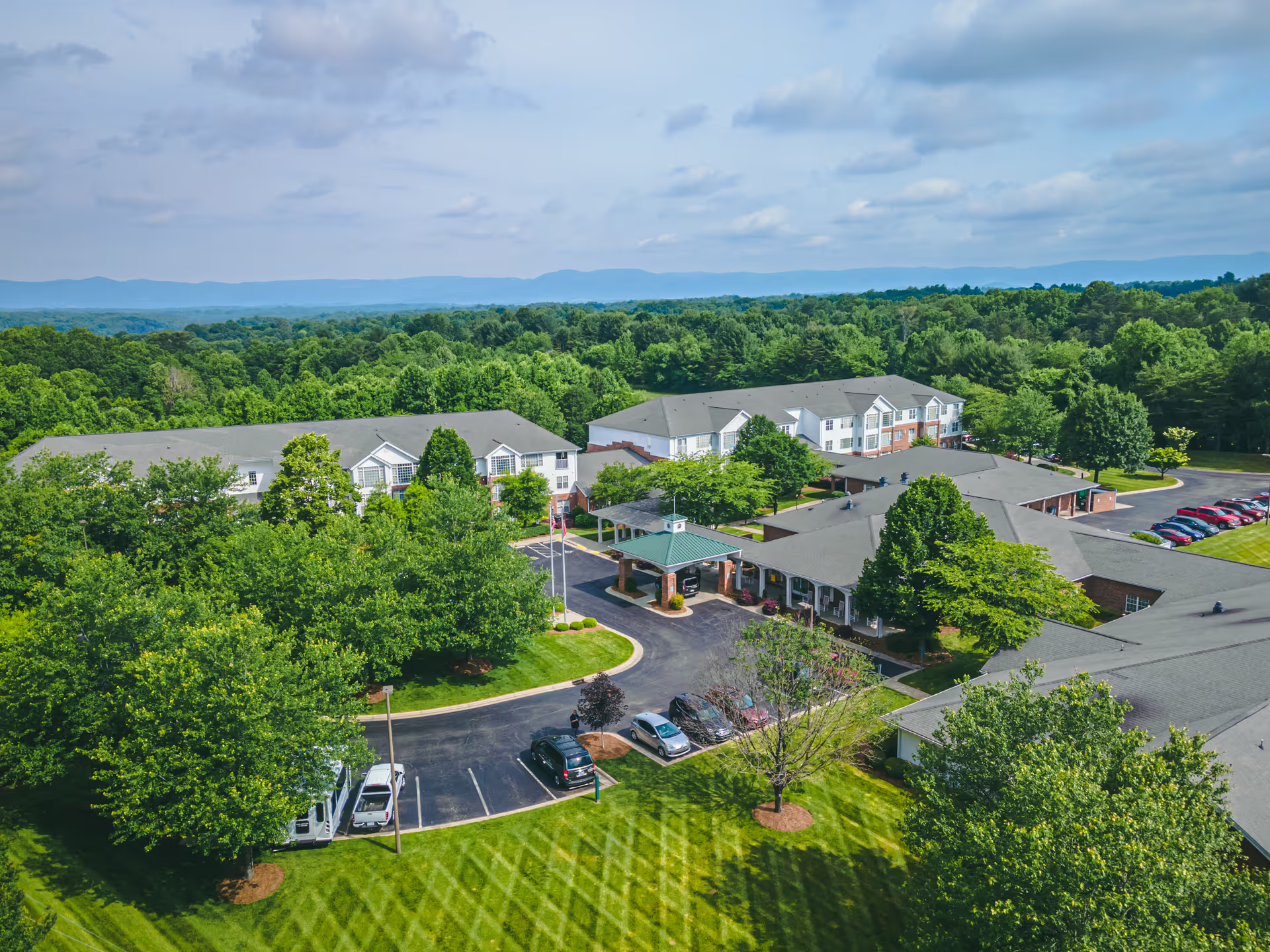
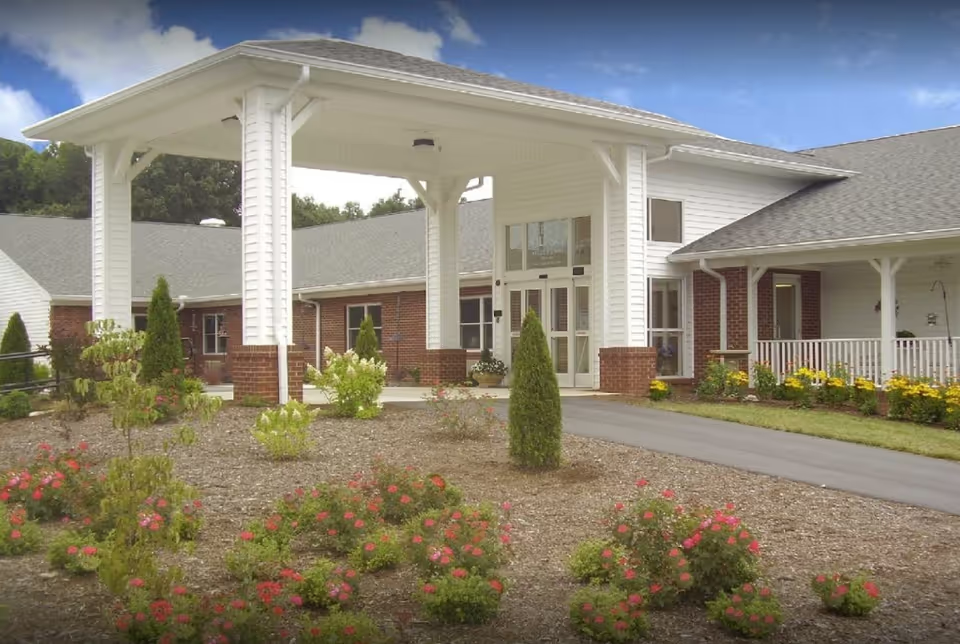
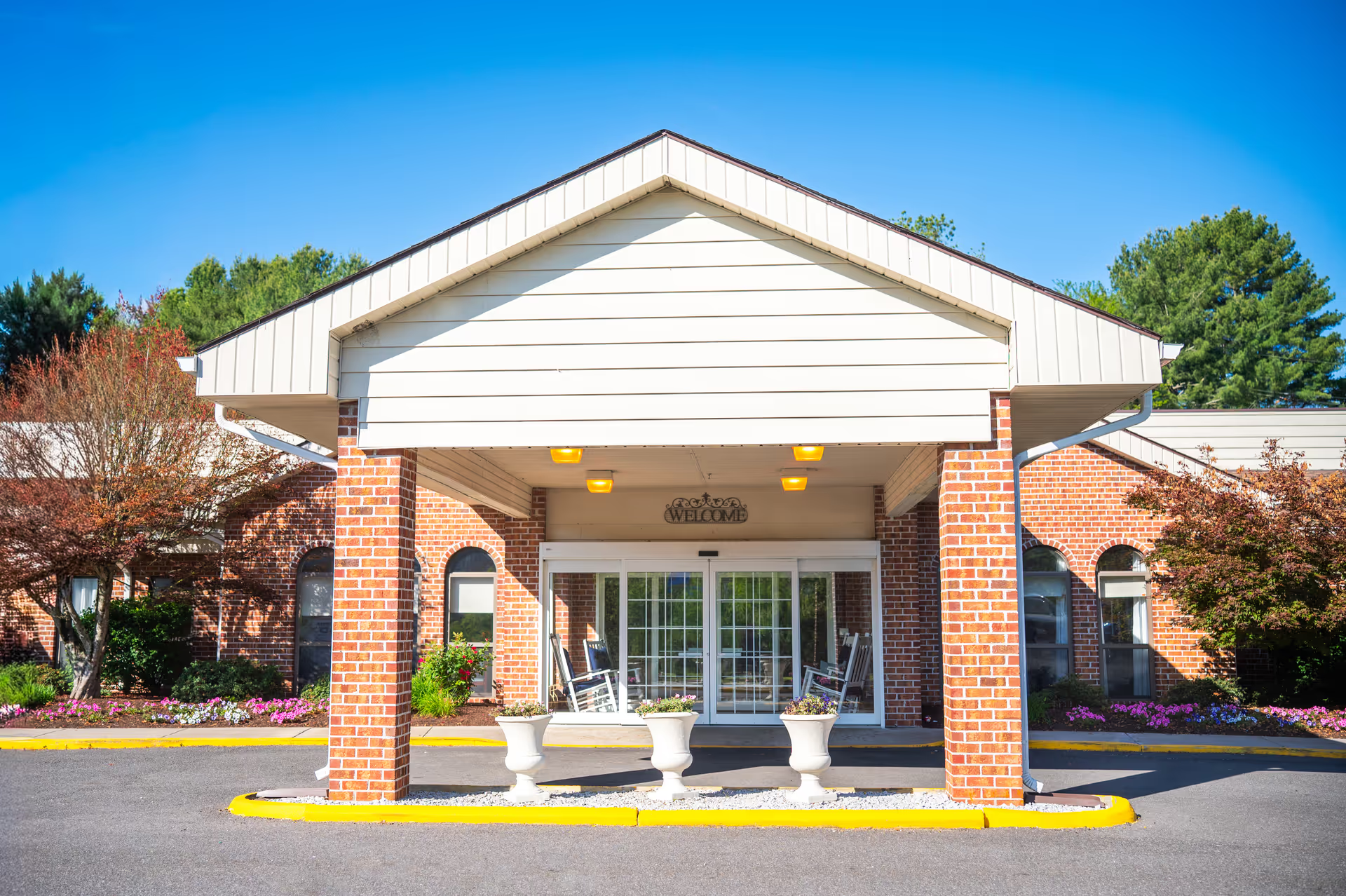
Facilities and cleanliness: Reports are mixed. Some reviewers describe clean, well-maintained spaces, while others note sanitation and odor concerns and an unwelcoming ambiance in certain common areas. This inconsistency suggests variability in housekeeping or environmental-control practices across different times or areas of the building.
Management, ownership, and transparency: Reviews reference changes in ownership and a possible shift toward a different mission and operating model in some accounts. Concerns include perceived poor management, communication gaps with families, and limited transparency around incidents and staff-management decisions. Combined with staffing and sanitation inconsistencies, these management issues appear to be a central driver of the divergent user experiences.
Notable pattern and guidance for families: The overall pattern is mixed outcomes—strong positives around individual caregiver performance and meal quality, countered by operational weaknesses that may affect safety, cleanliness, and consistency of care. Prospective residents and families should schedule an on-site visit, observe mealtimes and common areas, ask for current staffing ratios and turnover data, request written policies for supervision of residents with cognitive impairment, and ask how incidents are reported to families and external authorities. Clarifying ownership and the facility's current mission or resident population is also recommended before making a move.