The reviews indicate a facility with notable strengths alongside persistent operational weaknesses. Therapy and rehabilitation services are a consistent positive theme: physical, occupational, and speech therapy staff are frequently described as effective and as producing meaningful improvement for residents. Nursing staff and individual caregivers receive high praise in many cases for compassion and attentiveness; several named clinicians and aides were highlighted as exceptional contributors. Renovations to the rehab areas and attractive common spaces are frequently mentioned, and many reviewers complimented the dining staff and particular meal offerings.
Despite those strengths, there is clear variability in core clinical and day-to-day operations. Families describe inconsistent nursing oversight, with variability in medication administration, vital-sign monitoring, and wound/incontinence care. While skilled clinicians are present in some units, other shifts and units appear understaffed or less experienced, contributing to delays in assistance and gaps in basic personal-care needs. Therapy performance is often a bright spot, but scheduling reliability and follow-through on prescribed therapy vary by unit and by individual case.
Staff and management dynamics are a major theme. Many reviews single out individual employees and supervisors for exemplary conduct, yet there are repeated statements about low staff morale, turnover, and unapproachable or unresponsive management. Communication with families is uneven: some social-work and unit leaders are described as responsive and helpful, while other families report difficulty obtaining timely updates, medical records, or clear discharge instructions. A small number of reviews reference external scrutiny and media attention, which correlates with family concern about systemic issues.
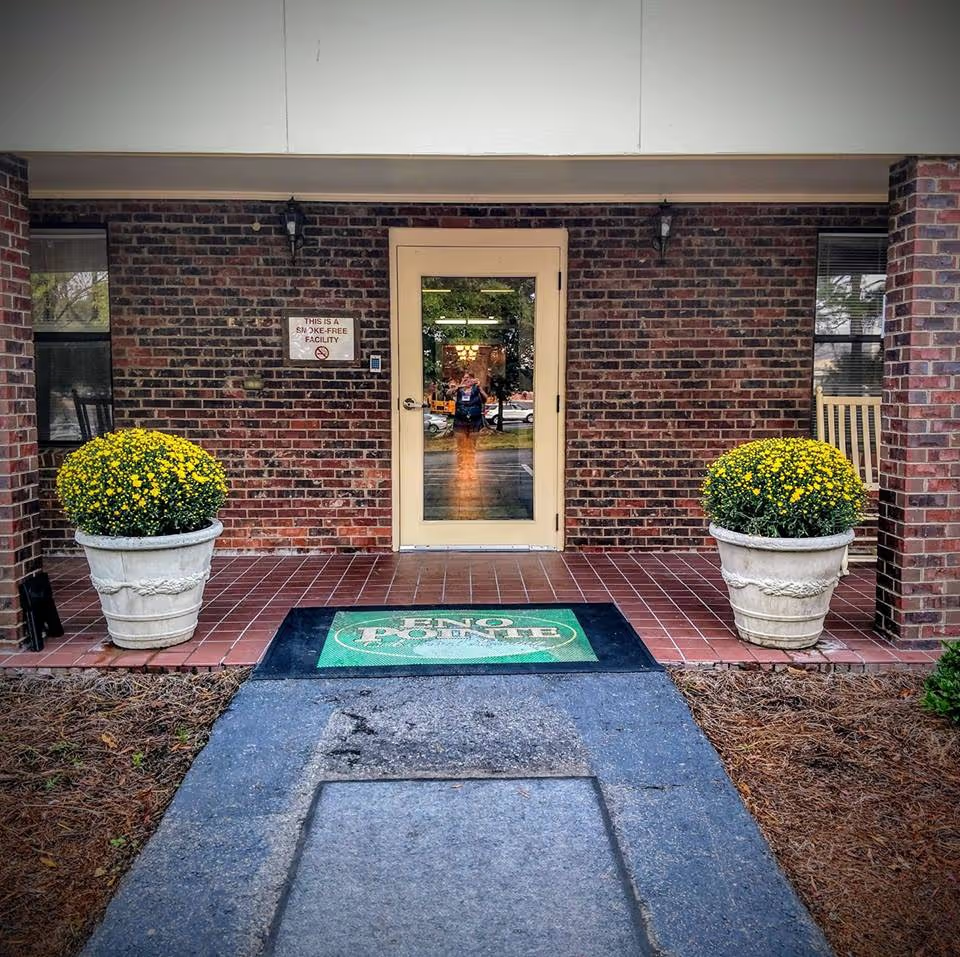
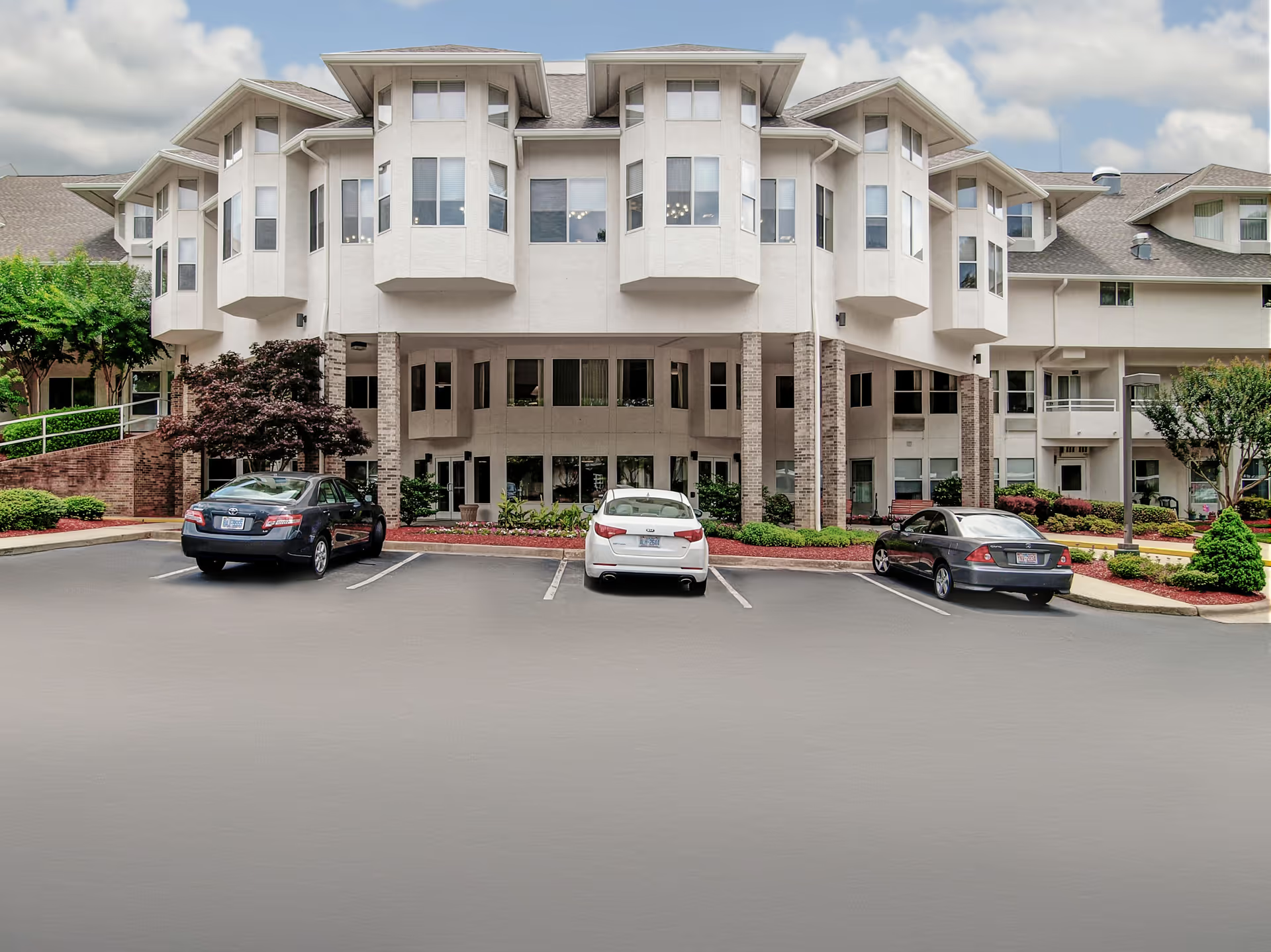
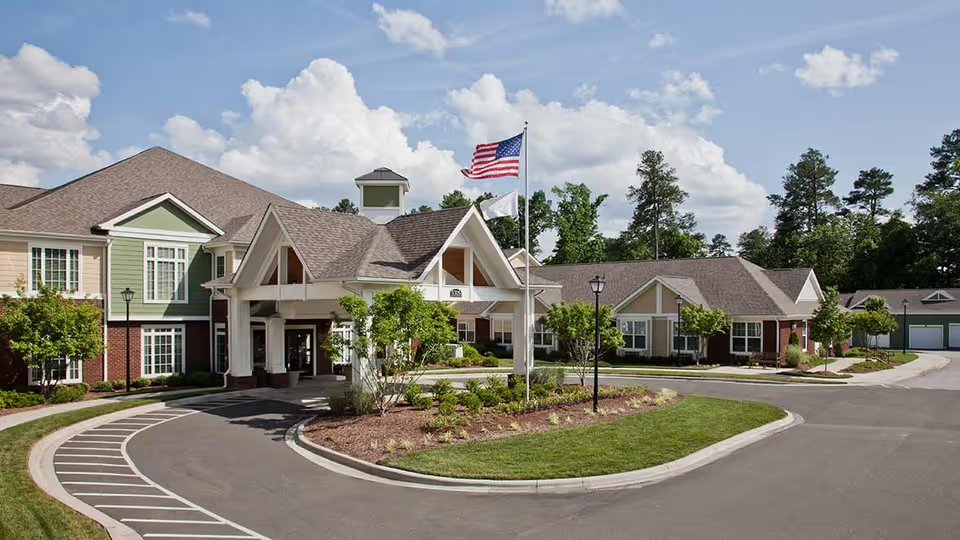
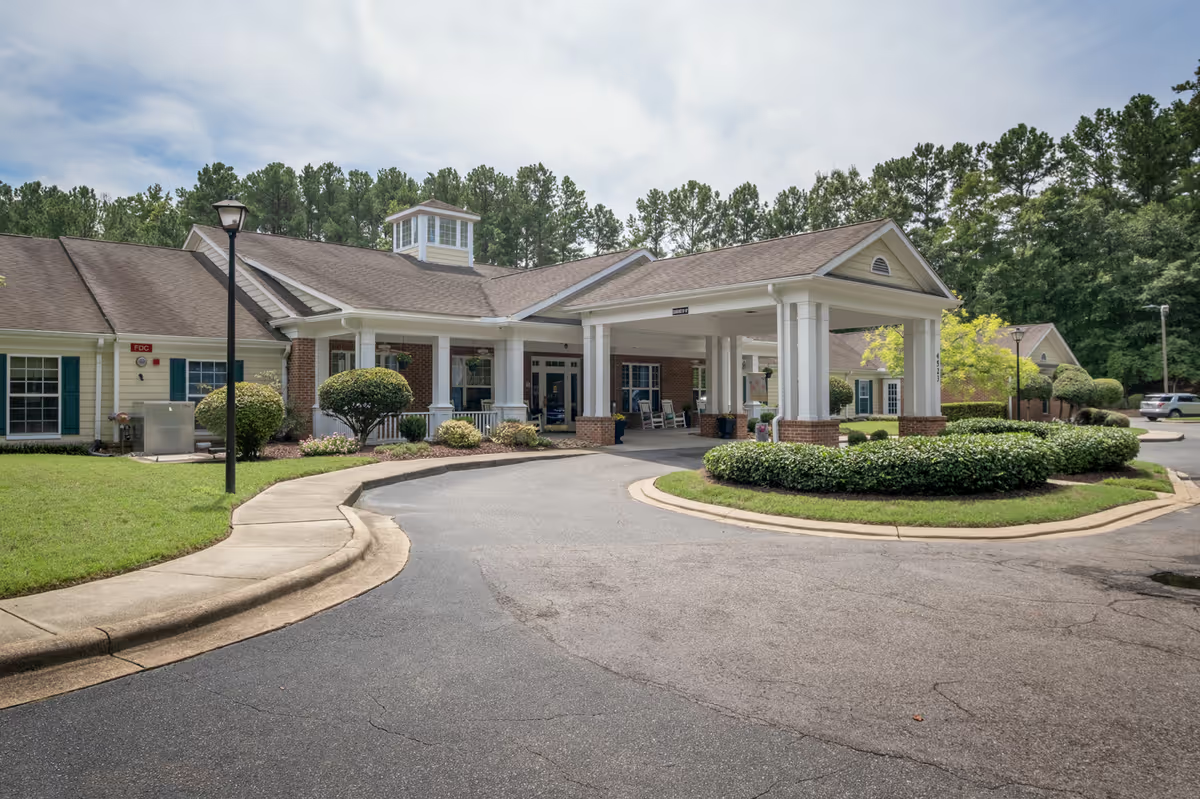
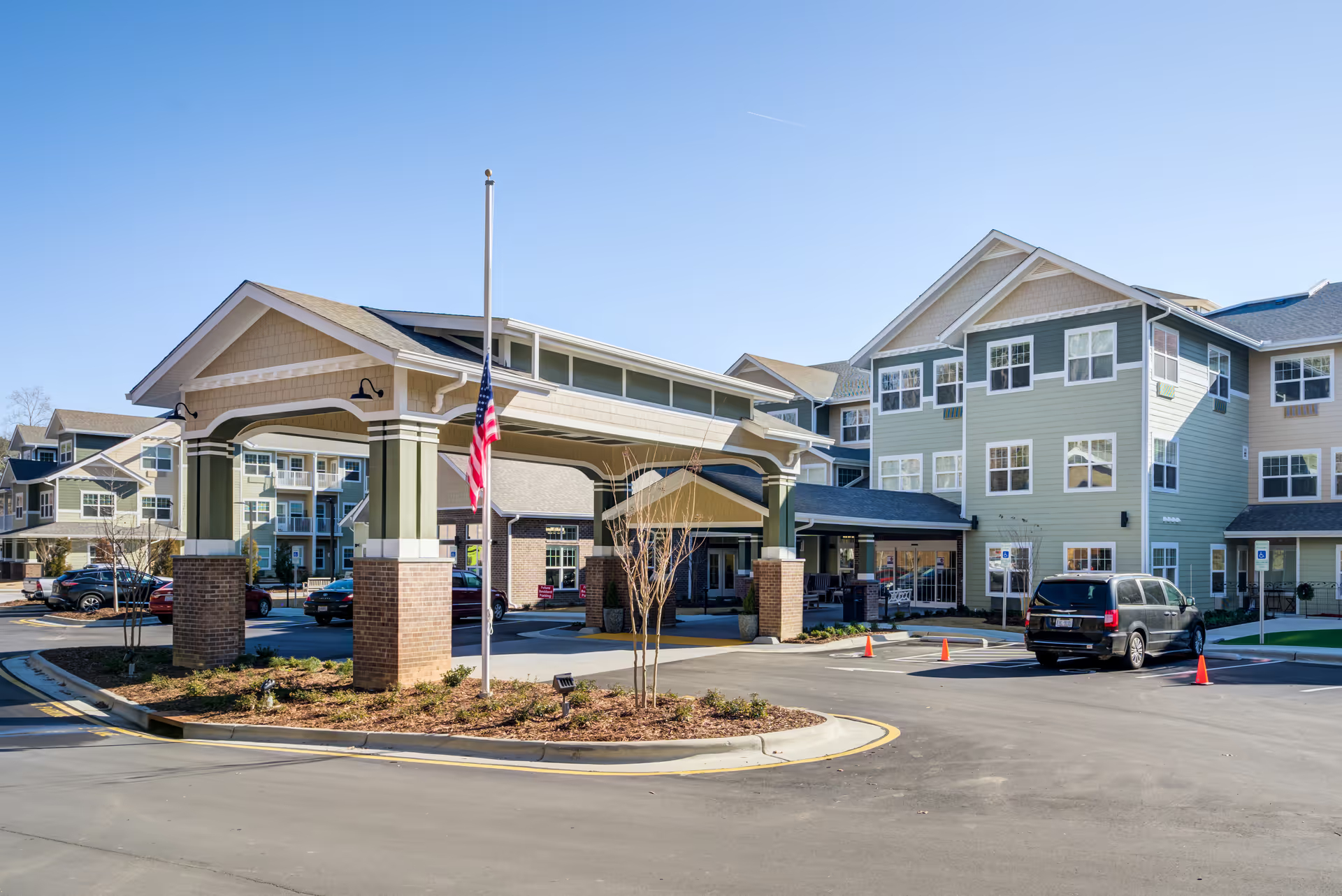
Facility, amenities, and infection control present mixed impressions. Renovated rooms and a pleasant dining environment coexist with reports of sanitation variability, odor concerns in common areas, and pest-control issues in food-preparation zones. Room sizes and layouts vary widely; some residents have private rooms with good access, while others are in shared rooms or in areas that require long walks to dining or therapy spaces. Security features exist, but reviewers raised concerns about supervision in secured units and inconsistent enforcement of access policies.
Activities and resident engagement also show divergence. An engaged activity department earns strong praise from many families, with social programming and meaningful leisure options noted. Conversely, other families report limited offerings, especially for residents with cognitive impairment or advanced dementia, and inconsistent implementation of individualized cognitive activities.
Taken together, the pattern is one of pronounced inconsistency: pockets of high-quality, compassionate care and very effective therapy are offset by operational weaknesses in staffing, infection-control adherence, sanitation, medication practices, and family communication. Prospective residents and families should weigh the facility’s strong rehabilitation and standout staff members against the risk of variability by unit and shift. If considering this facility, families may want to (1) meet the specific care team who will provide daily nursing and CNA support, (2) clarify medication and monitoring protocols, (3) discuss infection-control and sanitation practices, and (4) obtain a concrete plan for discharge and ongoing communication expectations.