Overall impression: Reviews portray a facility with a pronounced split between strong rehabilitation/therapy services and recurring operational weaknesses in nursing, communication, and sanitation. Therapy teams — particularly physical and occupational therapy — are repeatedly described as professional, effective, and responsible for measurable functional gains. Housekeeping, admissions, and certain administrative staff are also frequently praised, and many families cite clean common areas, private-room options, and engaging activity schedules as positives.
Care quality and clinical issues: Clinical experiences are inconsistent. Positive accounts emphasize attentive, knowledgeable nursing and therapy that supported recovery; negative accounts document delays in assistance, missed vital checks, missed bloodwork, and concerns about wound and pressure-injury management. Reviewers describe medication-reconciliation and polypharmacy concerns. Collectively these comments suggest variability in nursing competence and clinical oversight, with particular weaknesses noted in wound care, timeliness of clinical assessments, and medication management.
Staffing, responsiveness, and communication: A consistent theme is staffing instability and slow response times. Call-light delays, long waits for toileting or pain medication, and understaffing on night shifts are cited as ongoing operational issues. Communication gaps occur both within the care team and between staff and families: examples include difficulty reaching staff by phone or voicemail, families not being informed about hospital transfers or falls, and inconsistent handoffs at discharge. Several reviewers indicate leadership or social-work responsiveness varies — some families experienced proactive leadership and good coordination, while others encountered unresponsive administration and unclear explanations.
Dining and activities: Opinions on dining are mixed. Some reviewers praise improved meal quality, nourishing options, and attentive dietary staff; others describe unappetizing or inconsistently prepared meals and problematic meal timing (for example, residents receiving last-served or cold meals). Activity programming receives generally positive remarks, with exercise sessions and organized events noted as beneficial for residents who participate.
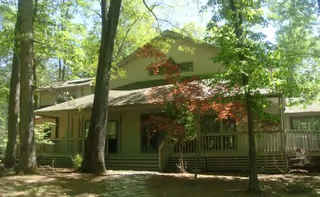
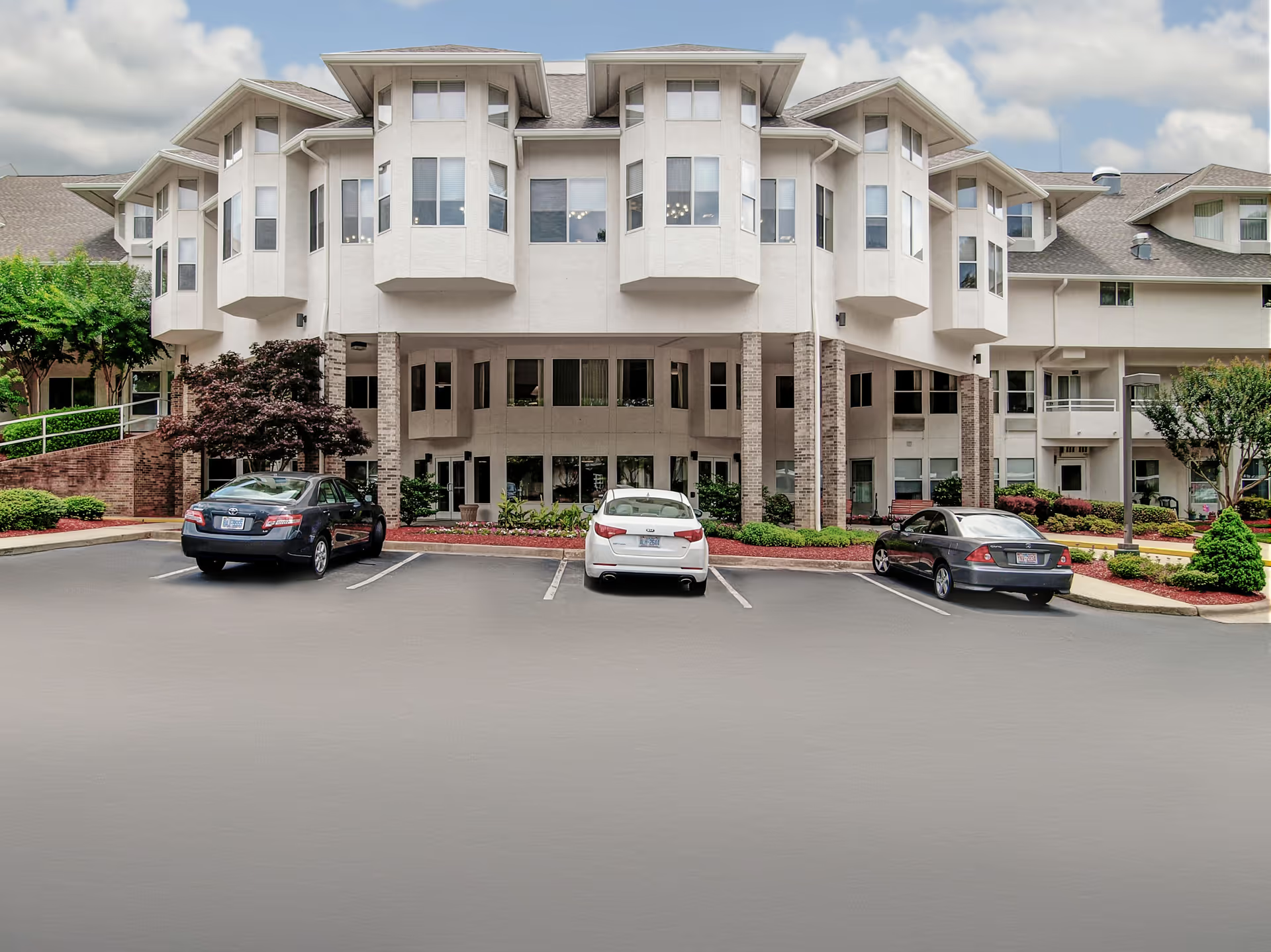
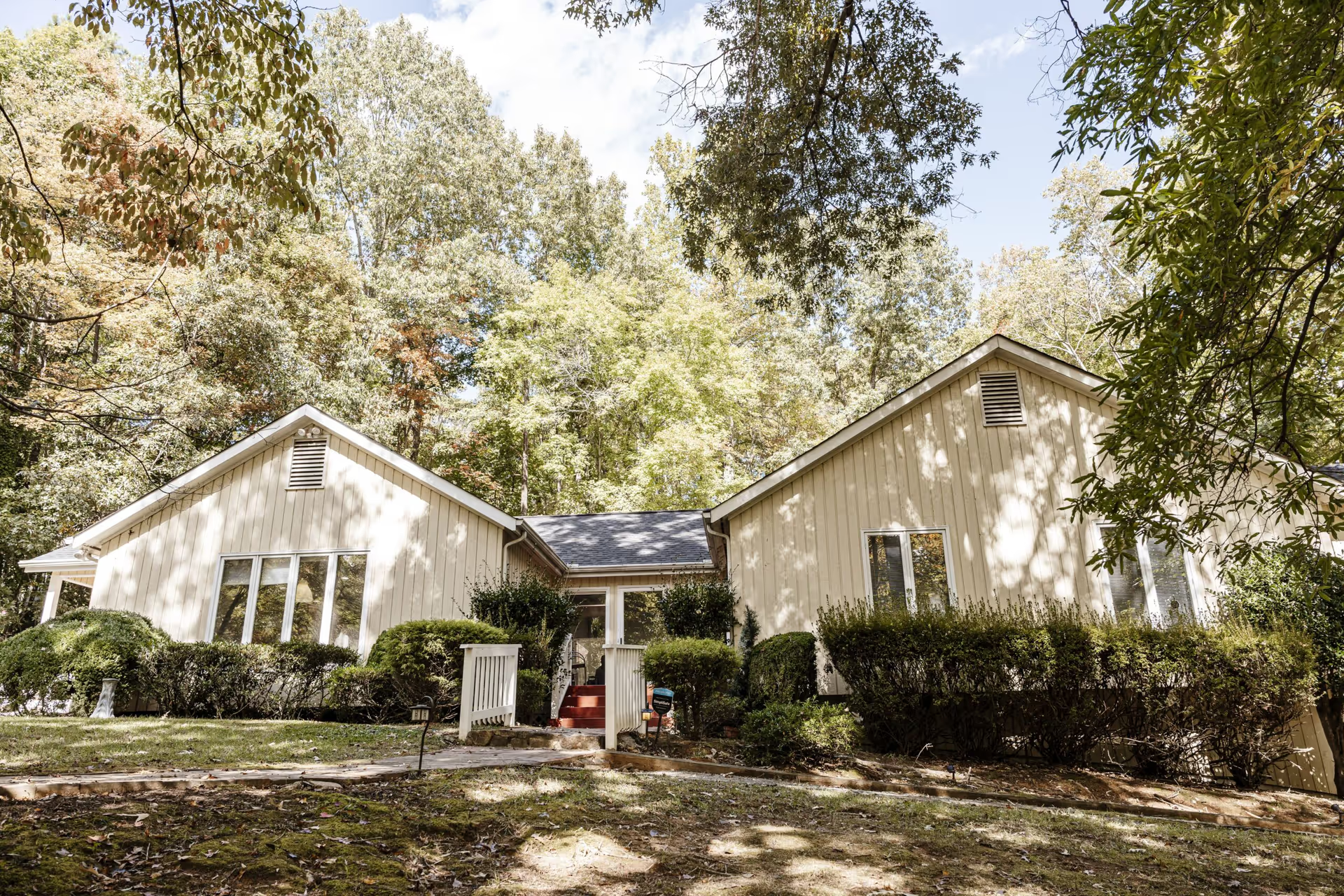
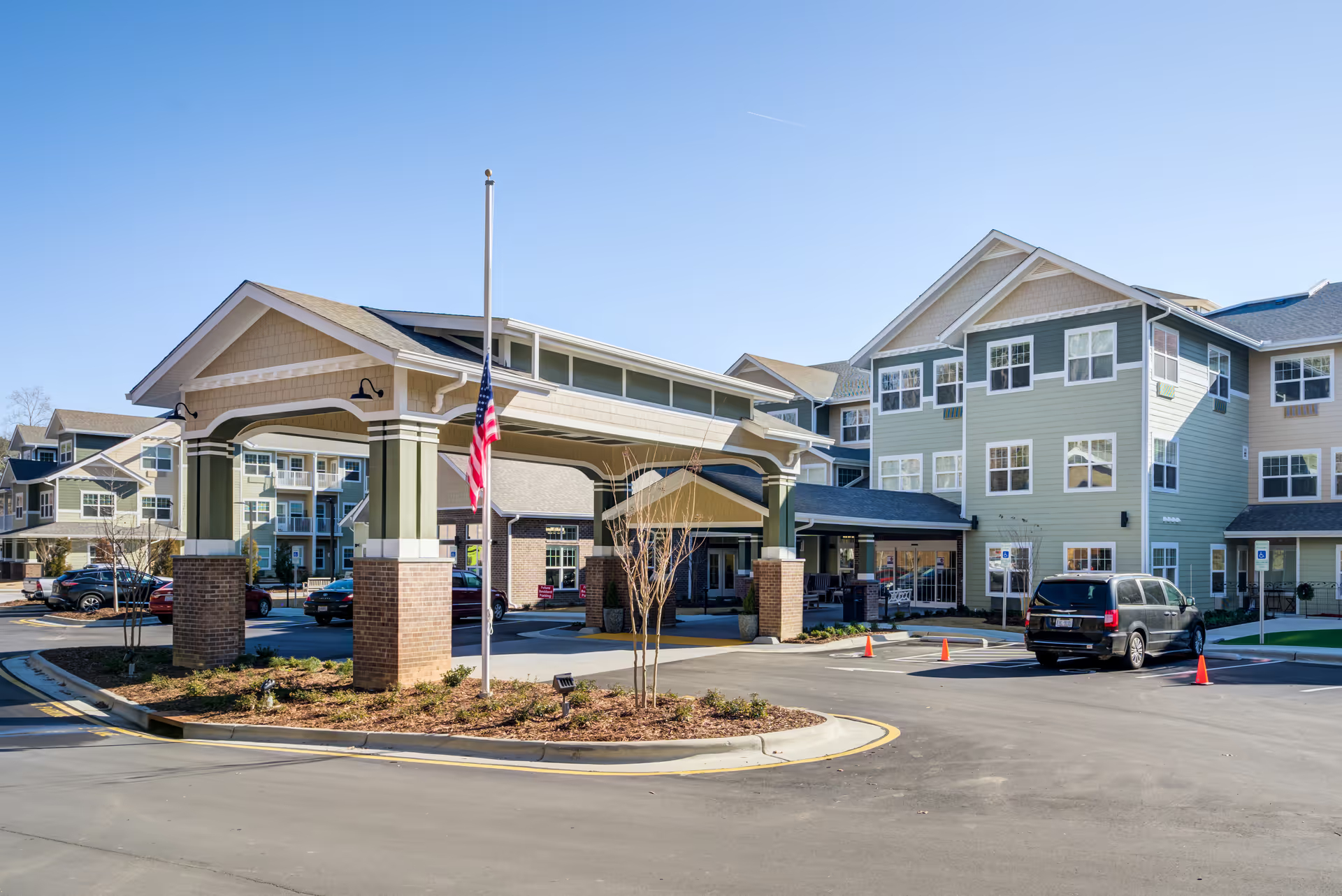
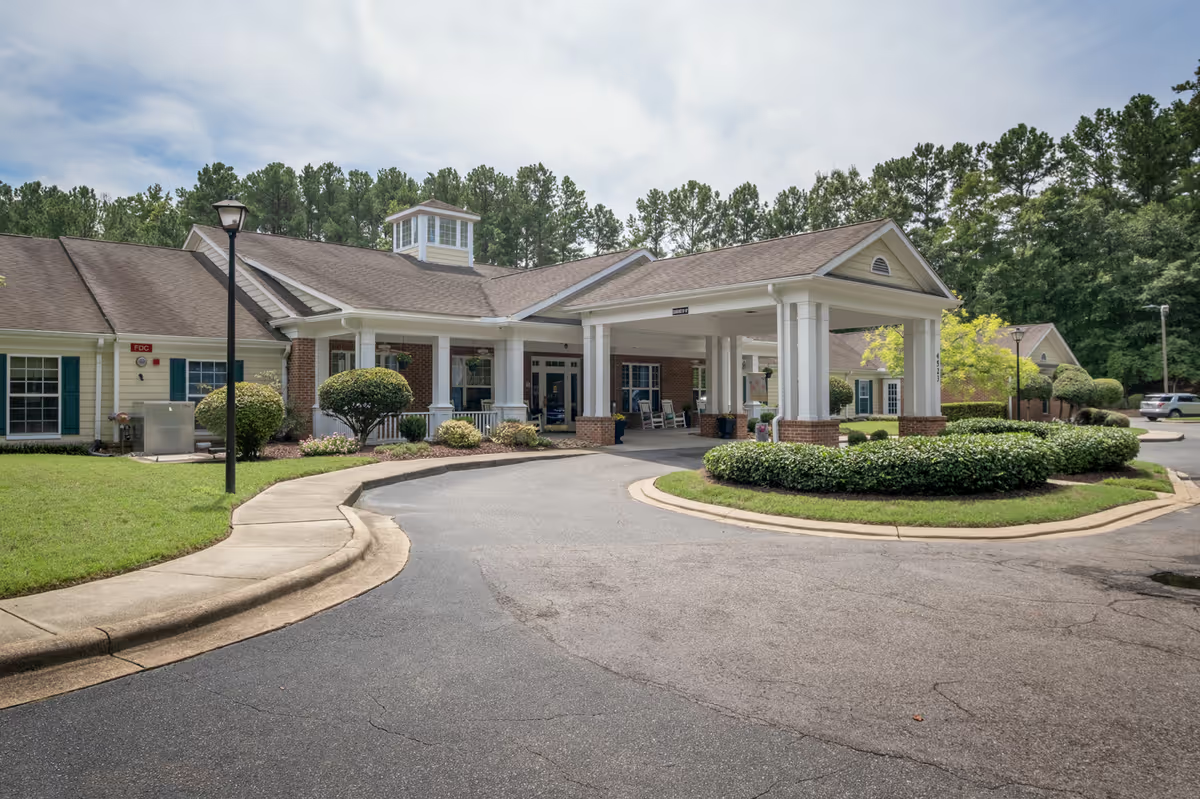
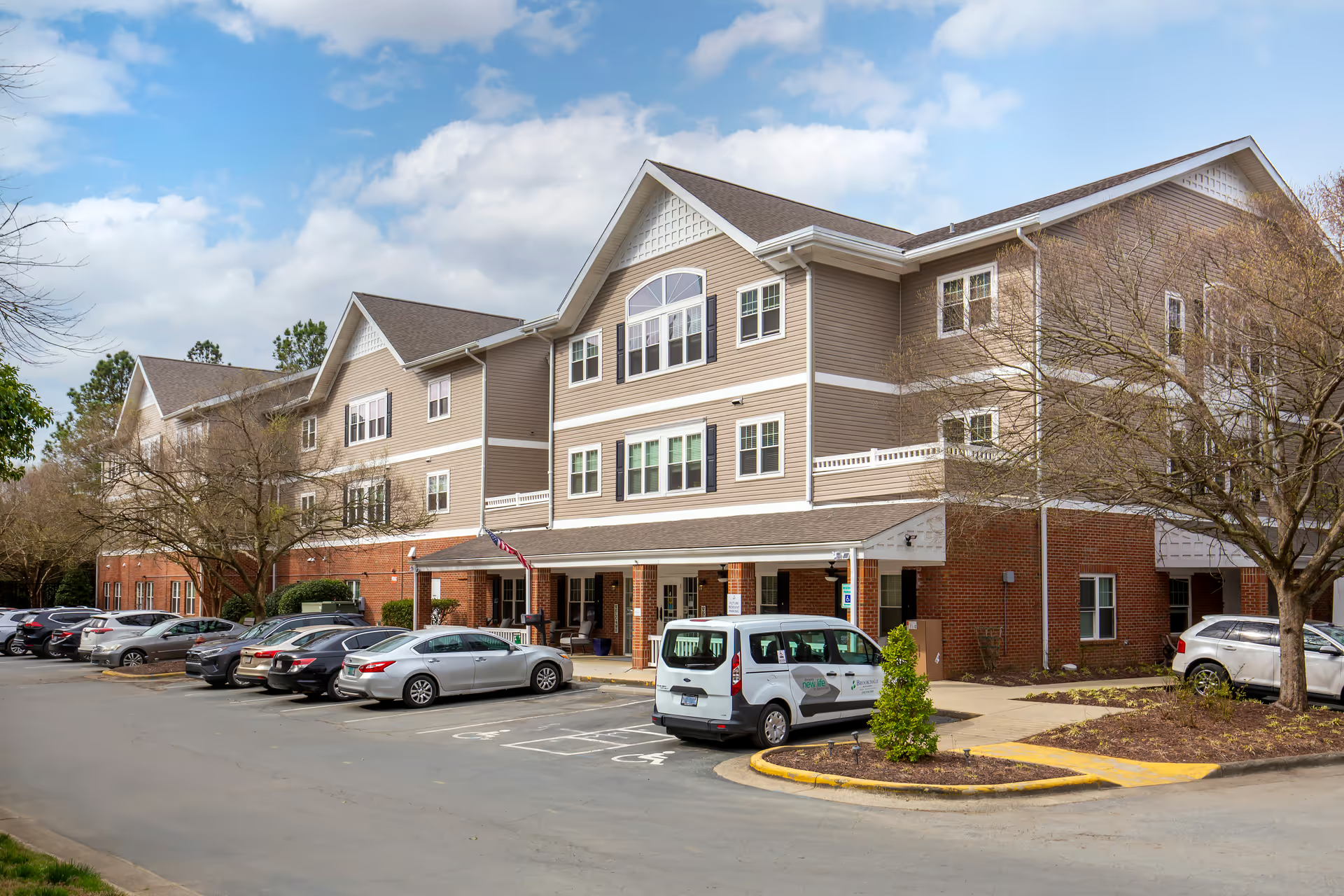
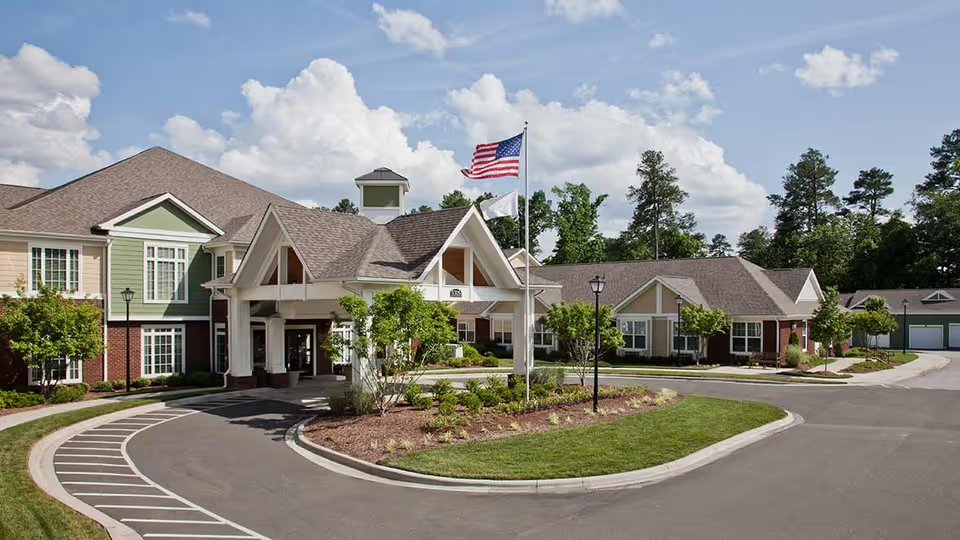
Facilities, sanitation, and safety: Physical plant impressions are mixed. Many reviewers describe a clean, well-kept environment and pleasant grounds; others raise sanitation and infection-control concerns, pest-control and ventilation issues, plumbing and odor concerns, and isolated reports of environmental problems. Safety concerns include fall-management lapses, delayed emergency responses, and weaknesses in transfer/discharge procedures. These issues point to variability in operational consistency across shifts or units.
Management, administration, and financial processes: Administrative feedback is polarized. Multiple reviewers commend specific leaders, admissions staff, and some social-work personnel for strong communication and follow-through. Conversely, recurring criticisms include billing errors, insurance-processing delays, unclear private-pay statements, and perceived lack of accountability when families raise clinical concerns. High staff turnover and inconsistent supervisory follow-through are cited as contributors to operational instability.
Notable patterns and risk areas: The most salient pattern is a dichotomy between high-quality therapy and housekeeping services versus inconsistent nursing care and administrative processes. Key operational risks to monitor are wound-care practices, responsiveness to resident needs (call-light response and toileting assistance), infection-control and sanitation processes, medication-reconciliation procedures, and secure handling of resident property and mail. There are also isolated but serious allegations concerning discharge practices and property handling that warrant follow-up with the provider and, if appropriate, regulatory authorities.
Practical takeaway for families: Prospective residents and families who prioritize rehabilitation and therapy may find strengths at this facility. Those for whom continuous, reliable nursing oversight, timely emergency response, consistent infection-control, and transparent billing are top priorities should conduct focused inquiries: ask to review staffing ratios for the intended unit and shift, observe nursing response processes, request details on wound-care protocols and medication reconciliation, and clarify billing and property-security practices before admission.