Reviews of Seasons at Southpoint’s memory-care services present a mixed but clear pattern: many families describe consistently strong, dementia-focused caregiving and an active, home-like program, while a subset of reviews raises substantive operational concerns. The facility is often praised for staffed teams that are described as compassionate, accessible, and educated in memory-care principles. Several accounts highlight a hands-on management style, proactive family communication, and directors or coordinators who are available and willing to address concerns. These strengths are reinforced by descriptions of effective rehabilitation services, individualized stimulation programs (including adaptive Montessori approaches), and staff who personalize activities and daily routines.
Activity programming and resident engagement are frequent positives. Multiple reviewers note a broad range of offerings — music, dance, art, baking, bingo, outings, and church services — and an activity staff that adapts stimulation by cognition level. Common spaces, day rooms, and outdoor courtyards are described as homelike and conducive to socialization. Dining receives generally favorable comments as well: some families praise award-winning menus, a skilled cook/chef, and balanced options for special diets, though others describe occasional blandness or variability in meal quality.
Care quality descriptions are polarized. Many families report attentive, respectful care, prompt issue resolution, and improvements in residents’ mobility, cognition, or mood after admission. At the same time, several reviews identify persistent operational weaknesses: inconsistent staffing (including high turnover), gaps in night-shift supervision, and specific medication-administration problems. Some accounts describe delayed or missed medication doses and inadequate clinical monitoring at night; one review cited a missed insulin schedule that required emergency care. These concerns point to variability in clinical oversight and medication-management reliability across shifts and units.
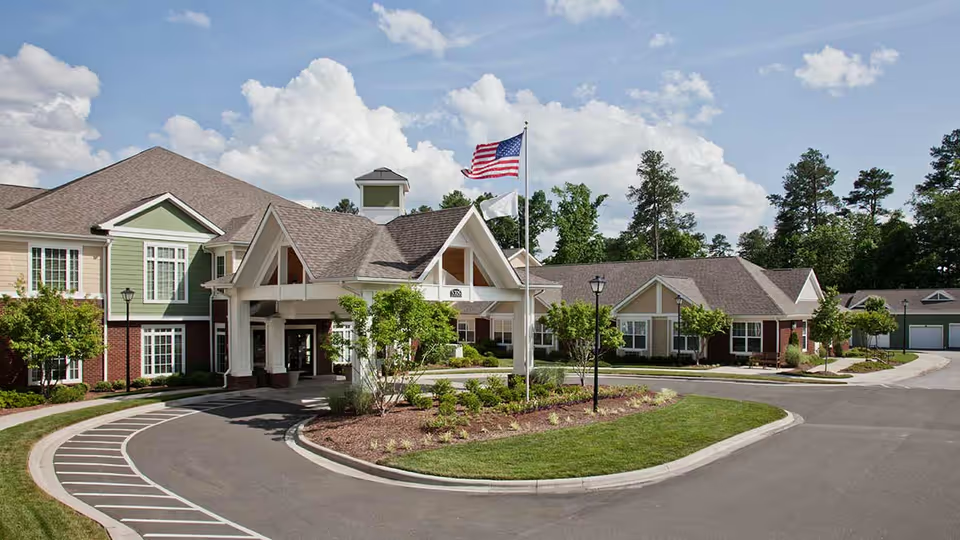
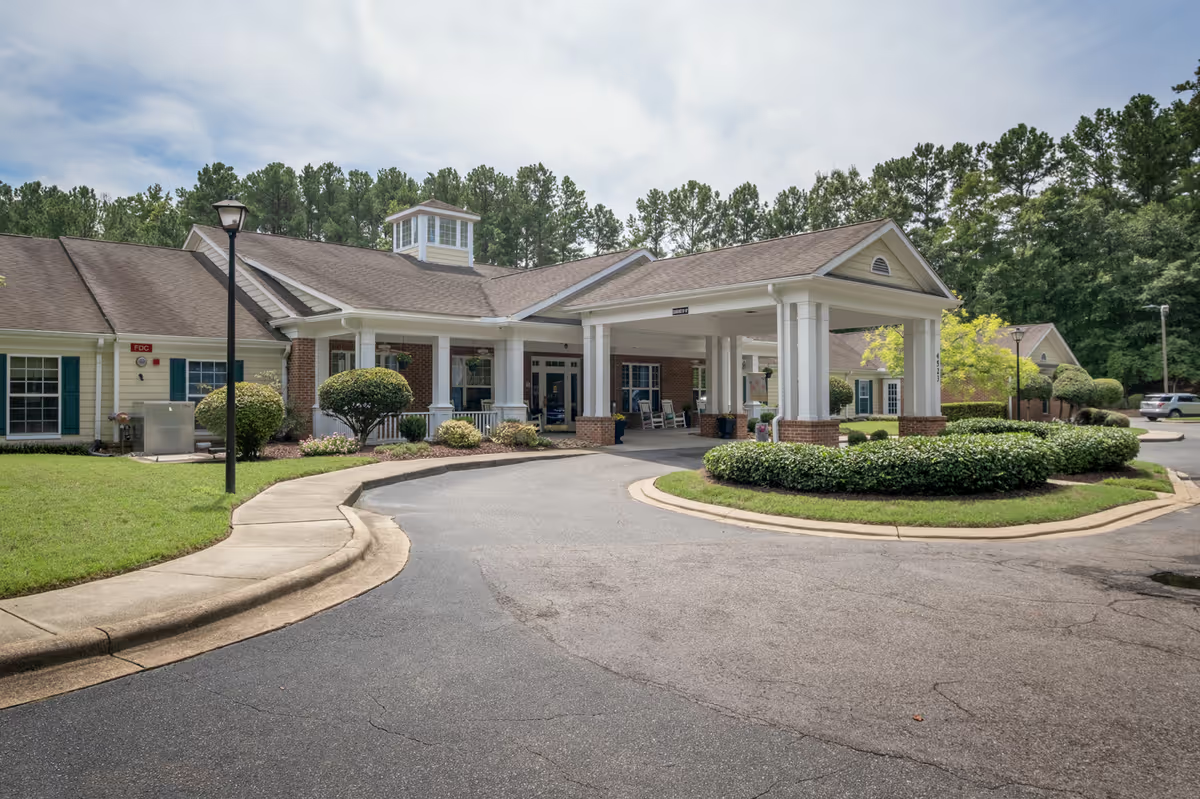
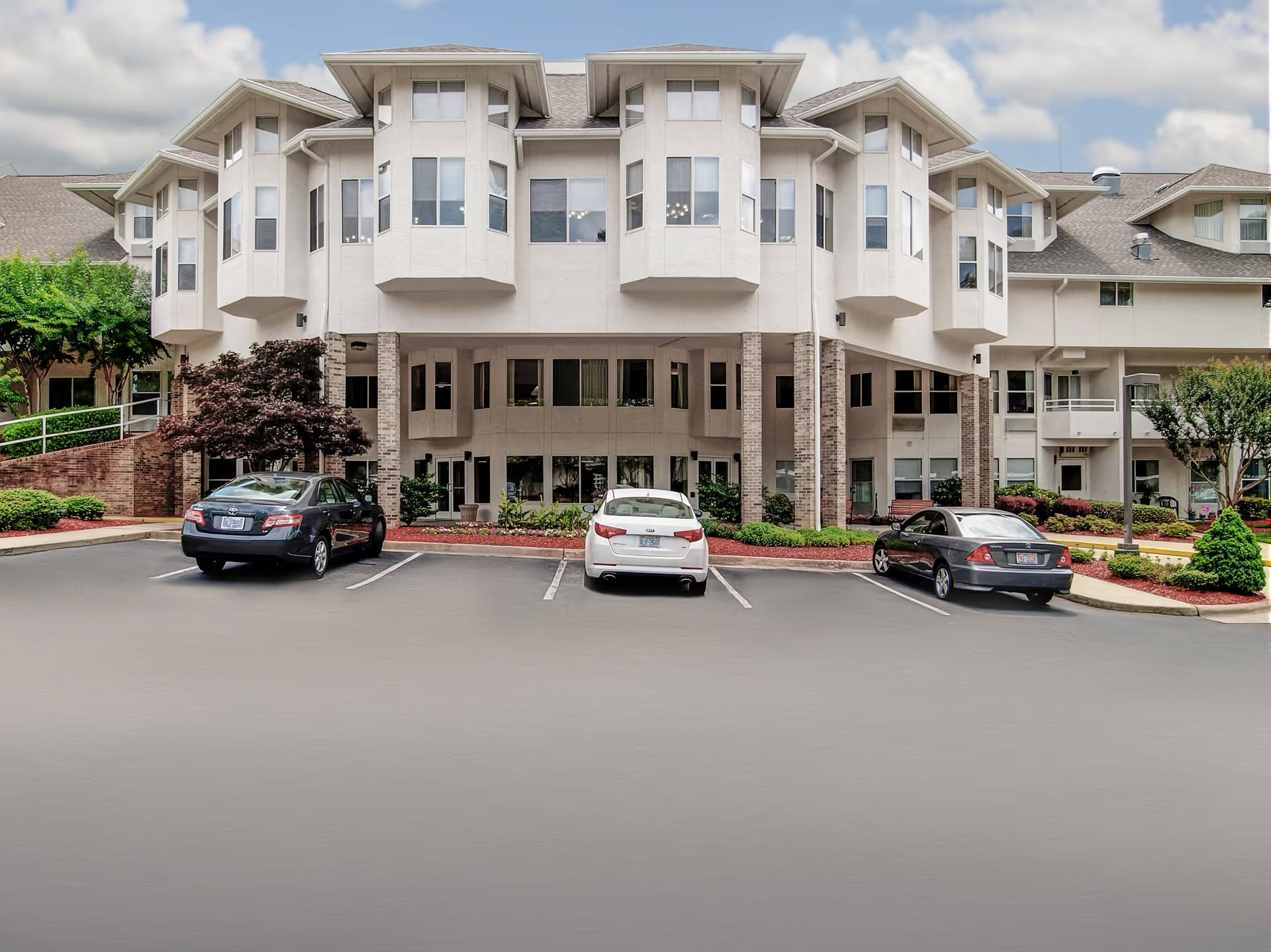
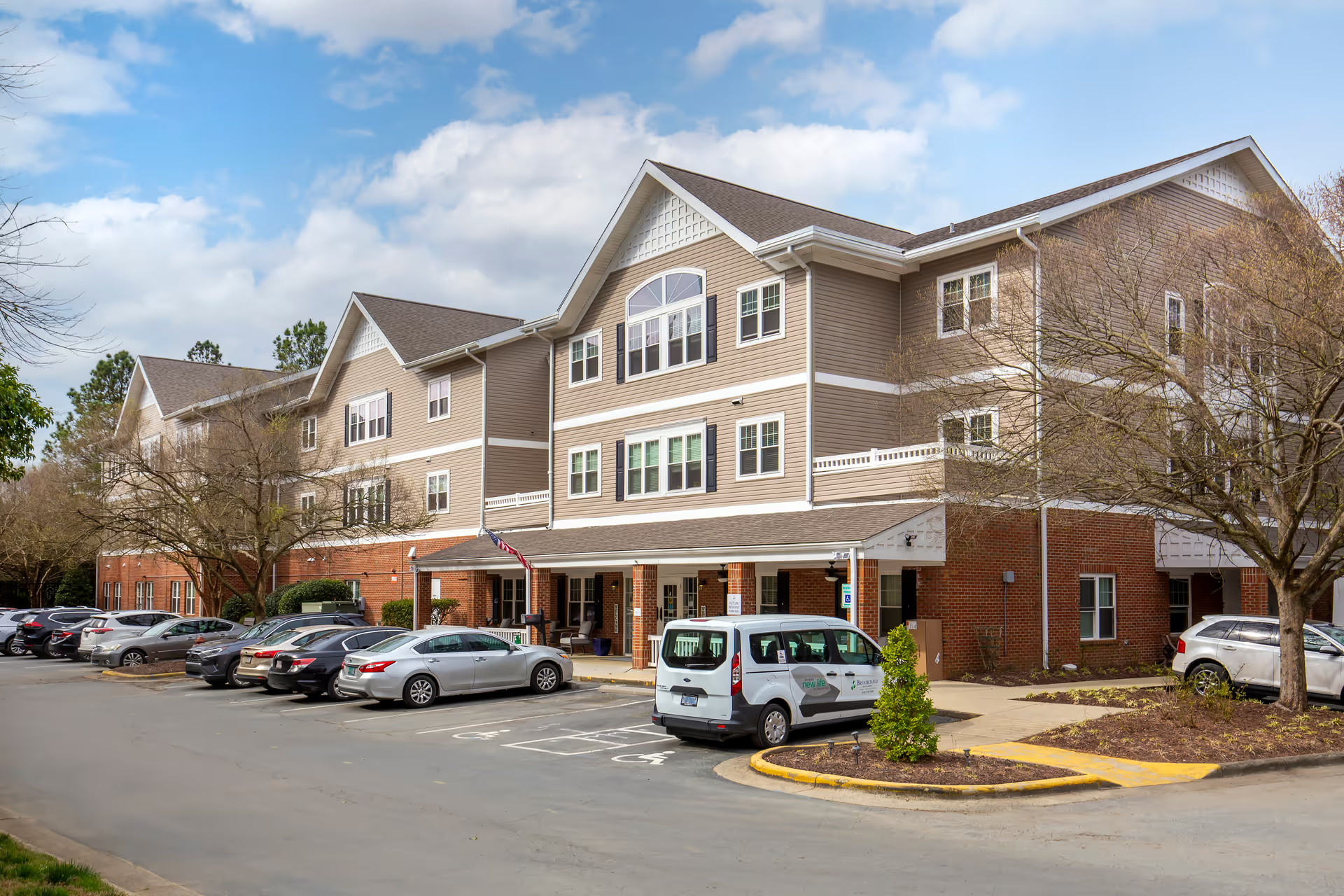
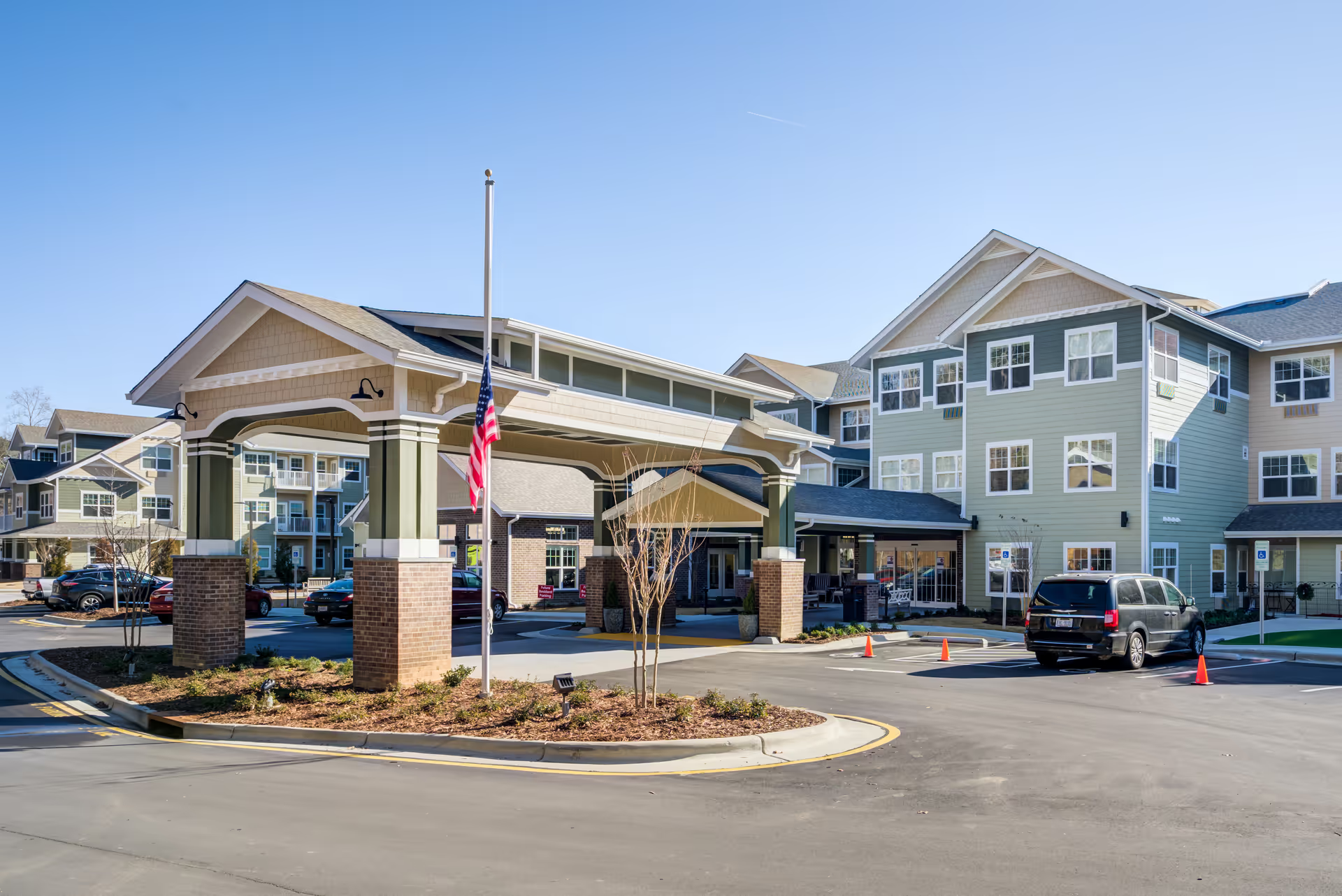
Facility and housekeeping impressions are similarly mixed. Numerous reviewers describe a clean, well-maintained, and secure environment with appropriate memory-care safety features (locked access, secured windows). Others identify sanitation and housekeeping inconsistencies in certain areas and occasional maintenance gaps. Reviewers also raise concerns about staff identification practices (for example, lack of visible name tags) and the tone or conduct of some front-line staff, which can affect family trust even where clinical care is rated positively.
Management and administrative themes vary by unit. Positive accounts cite responsive leadership, a welcoming admissions experience, and clear family communication. Conversely, some reviews note management turnover, uneven responsiveness from unit leadership, and unit-level discord (specific units described as performing more poorly). There are also serious consumer concerns about billing, handling of personal property, and financial communication; reviewers used strong language about those incidents and some described them as allegations rather than broad patterns.
Bottom line: Seasons at Southpoint demonstrates many attributes families seek in memory care — trained and compassionate staff, a lively activity program, secure design, and reasonable pricing — but the facility appears to have operational variability between units and shifts. Prospective families should confirm current staffing ratios and turnover, ask for details about medication-administration controls and night supervision, inquire about housekeeping protocols and unit-specific leadership, and request documentation of financial and property-handling safeguards during tours and admissions conversations.