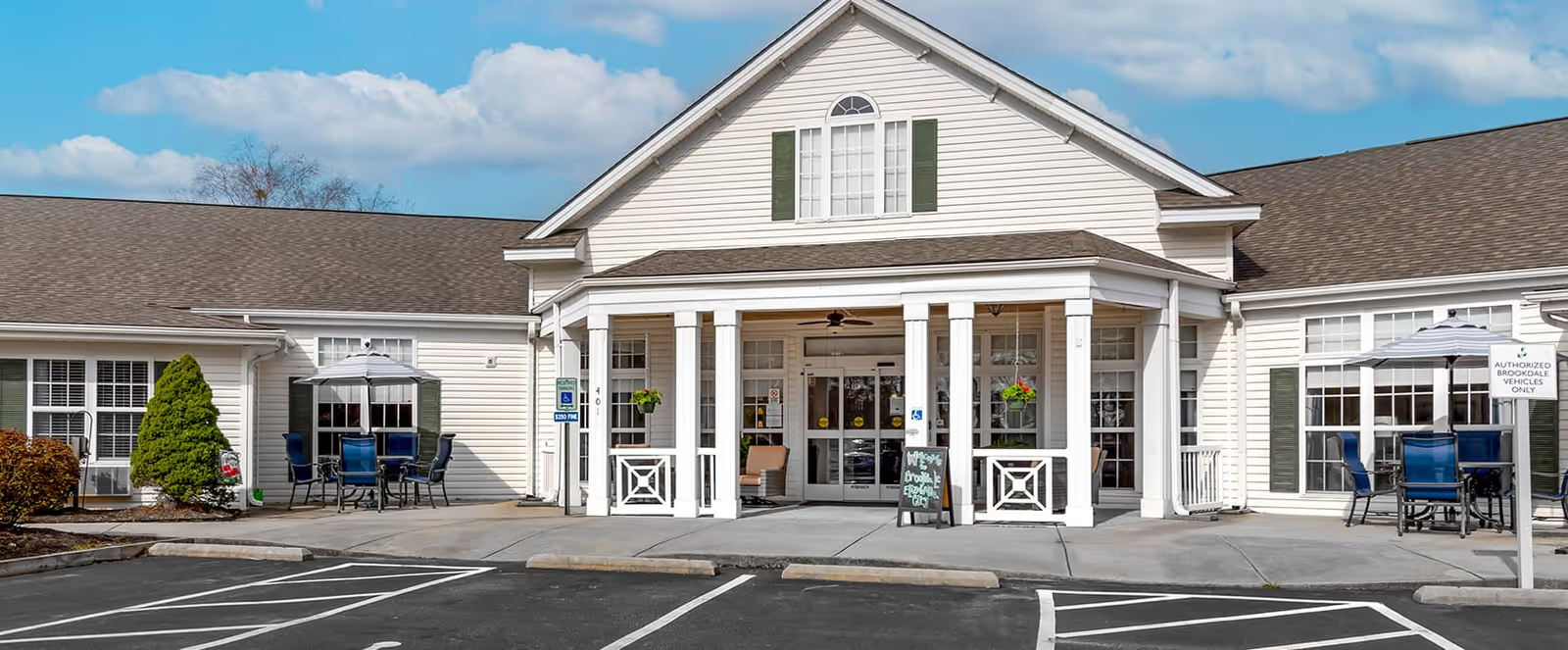
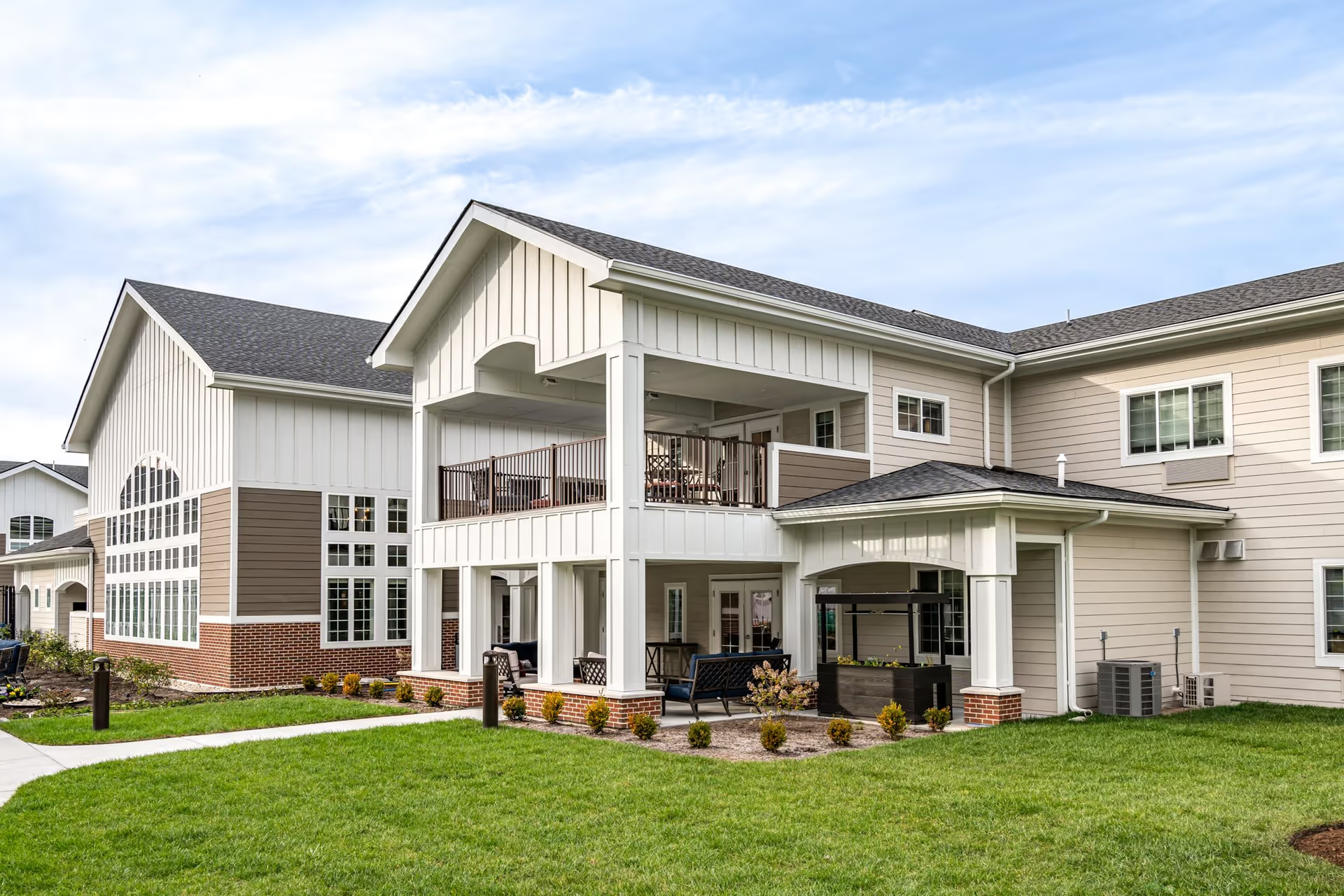
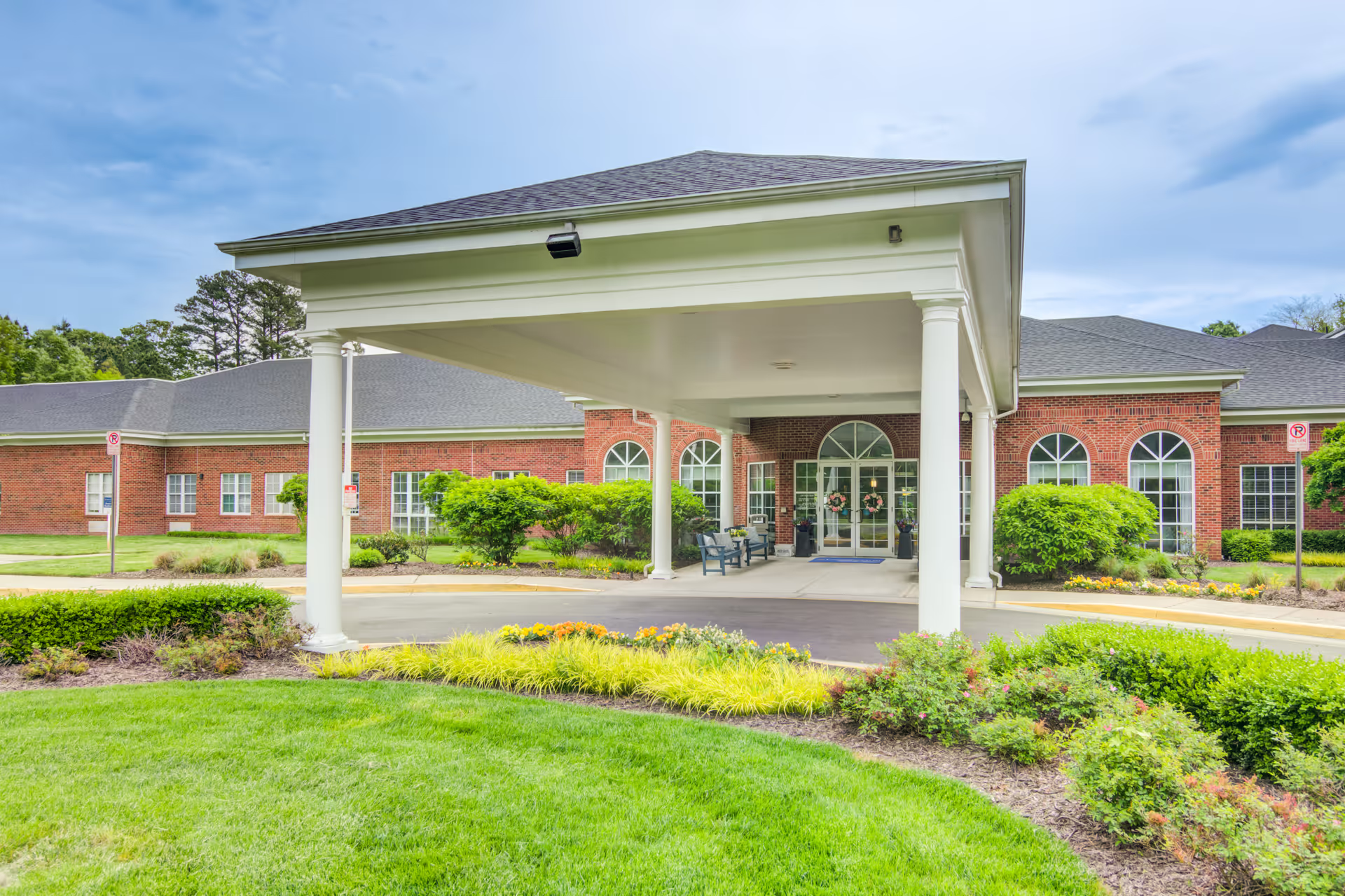
Reviews for Elizabeth City Health & Rehabilitation present a mixed but consistent picture across several domains of care. Strengths center on the rehabilitative and hands-on caregiving teams: physical and occupational therapy services receive repeated praise for producing measurable functional gains and enabling discharge home. Many accounts describe attentive nursing assistants and therapists who contribute to positive therapy outcomes, thorough discharge planning, and a family-like culture among some staff. The facility’s interior is frequently described as clean and hotel-like, with comfortable rooms, communal amenities (internet cafe, lounges), and activity programming that includes games, crafts, themed events and regular social treats.
At the same time, a substantial number of reviews describe operational weaknesses that affect clinical reliability and family confidence. The most common concerns involve inconsistent responsiveness to call bells and delays in medication administration. Several accounts describe long waits for medications or clinical attention and delays in arranging hospital transfers, which reviewers tie to gaps in emergency-response processes. Relatedly, family communication and staff-to-family updates are frequently characterized as inconsistent, and there are recurring observations of uneven management follow-through.
Dining and dietary accommodation show a bifurcated pattern: some families and residents describe enjoyable meals, while others report unappetizing food and failure to honor salt- or sugar-restricted diets. Staffing and coverage issues underlie several of these problems; reviewers commonly cite understaffing or rushed shifts that lead to delayed bathing, missed requests, and variability in the quality of personal care. Sanitation and odor concerns in specific restrooms or hallways are noted alongside otherwise well-kept areas, suggesting uneven housekeeping coverage.
Administrative and nonclinical areas also generate concern. Multiple comments point to billing-office professionalism issues and curt phone interactions with administrative staff. There are also allegations regarding personal belongings management and record-keeping gaps; such claims raise questions about security procedures and the facility’s documentation practices. Finally, infection-control performance has been called into question in light of a reported COVID outbreak and related family anxieties.
Overall, the facility demonstrates clear strengths in rehabilitation, therapeutic outcomes, and a subset of caregiving staff who provide compassionate, effective care. However, persistent operational shortfalls — notably inconsistent clinical responsiveness, medication timing issues, dietary accommodation failures, communication gaps, and administrative/process weaknesses — create variability in resident and family experiences. Prospective residents and families would benefit from onsite discussions that probe staffing levels, medication administration protocols, infection-control practices, dietary management, belongings-security procedures, and how clinical incidents and family communications are handled in real time.