Reviews of Camellia Gardens Center for Nursing and Rehabilitation present a mixed picture in which clear strengths coexist with recurring operational weaknesses. Many families and visitors praise direct-care staff, therapy teams, and onsite nursing for providing compassionate, individualized care—particularly in a smaller building where staff can develop personal rapport with residents. Several accounts highlight effective rehabilitation, hospice coordination, and occasions when administrative staff engaged directly to resolve prescription or care issues, which provided families with reassurance.
At the same time, a number of consistent operational concerns appear across reviews. Communication and responsiveness are recurring issues: the facility’s phone and front-desk responsiveness is described as unreliable, and families have experienced difficulty reaching staff by phone. Staffing levels and turnover are also described as inconsistent, with reports of delays attending to basic-care needs (including incontinence-care delays) and a variable timeliness of clinical interventions. Several reviewers described problems with medication management and pain-control consistency, and there are descriptions of lapses in clinical follow-up such as missed specialist appointments, wound care, or infection management.
Dining and daily services are also uneven. While some reviewers found staff attentive and meal services acceptable, others reported inconsistencies in meal delivery and in accommodating dietary allergies. Social and spiritual programming, including church services and singing, is cited as a positive influence on community life; the small size of the building is repeatedly noted as an enabler of personalized attention and social connection.
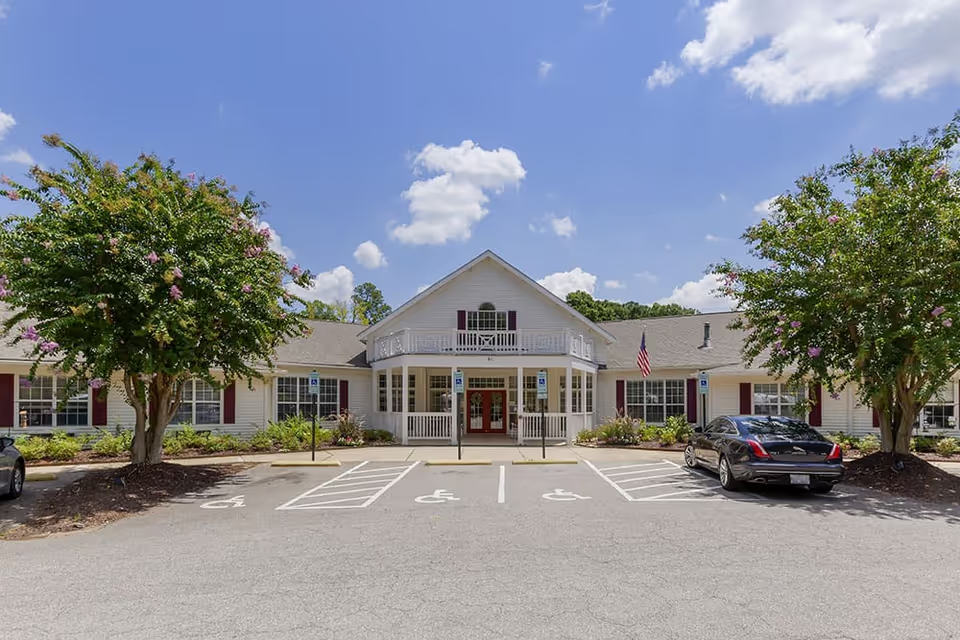
Facility condition and management stability are additional themes. Multiple reviewers note dated or dim common areas, odor and cleanliness concerns in some spaces, and a perception of limited capital investment. Management instability—frequent interim managers and uneven supervisory follow-through—is raised as a factor that may undermine continuity of care and effective problem resolution. There are also serious individual claims, including allegations of missing personal items and concerns following a resident’s death; these items are cited infrequently but are significant and would merit investigation by families or regulators.
In summary, Camellia Gardens appears to deliver strong hands-on care in many cases, particularly through committed CNAs, med aides, therapists, and some engaged administrators. Prospective residents and families should weigh these strengths against recurring operational issues: communication and phone-system reliability, staffing consistency, medication and clinical follow-up practices, cleanliness/maintenance, and management turnover. Visiting the facility, speaking with clinical leadership about staffing ratios and medication protocols, and confirming procedures for valuables and incident escalation would be prudent steps for families considering placement.