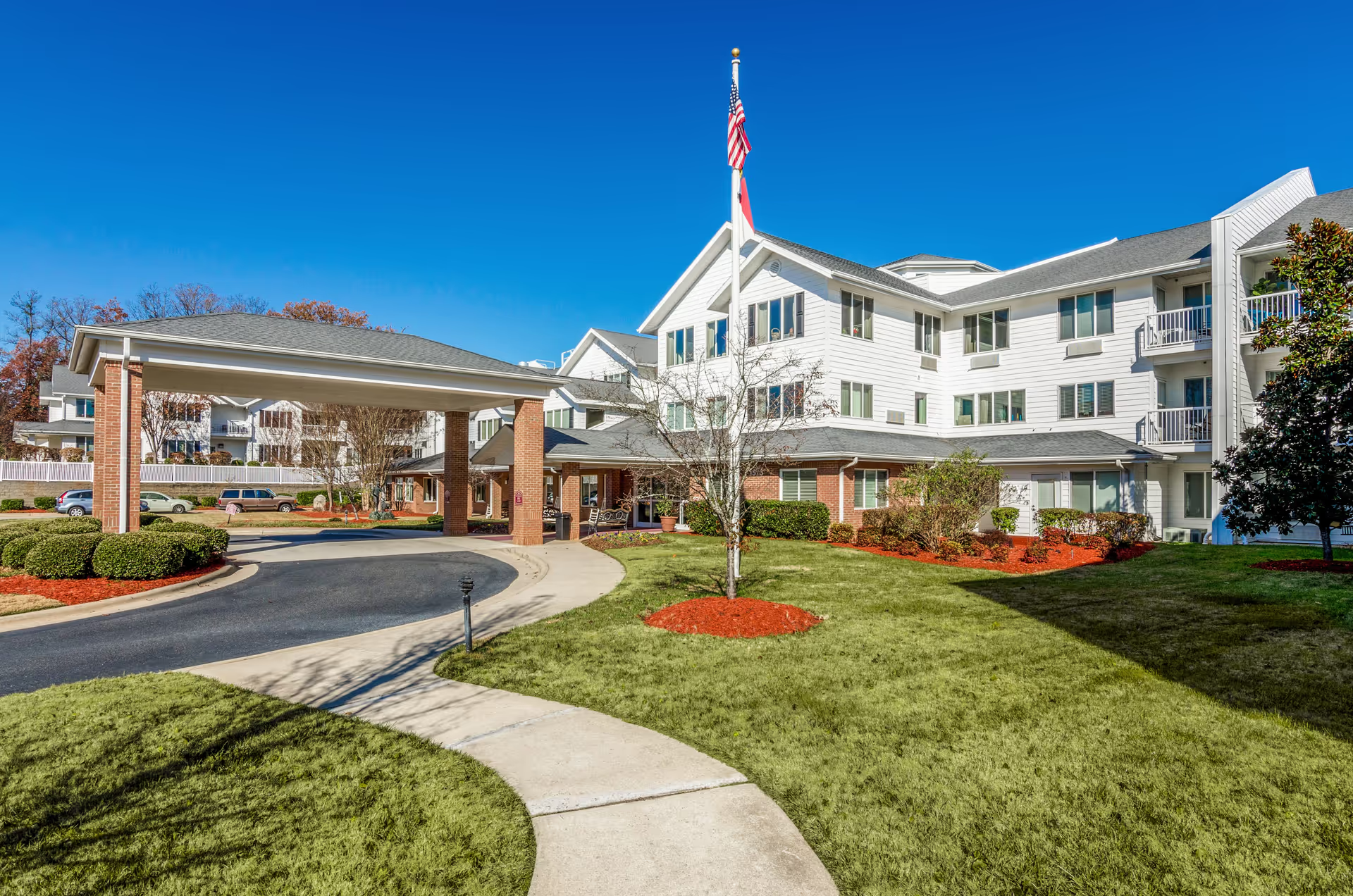
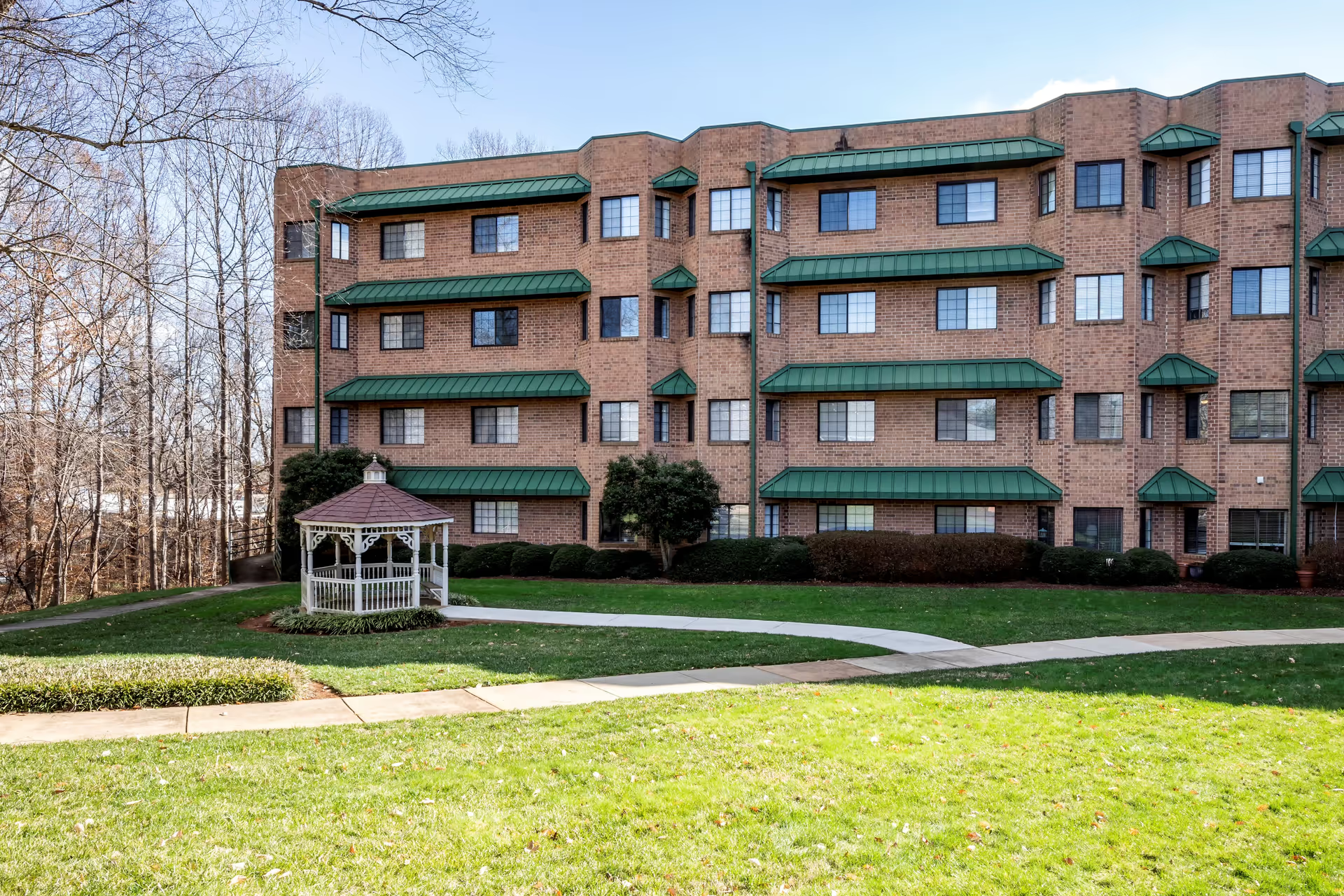
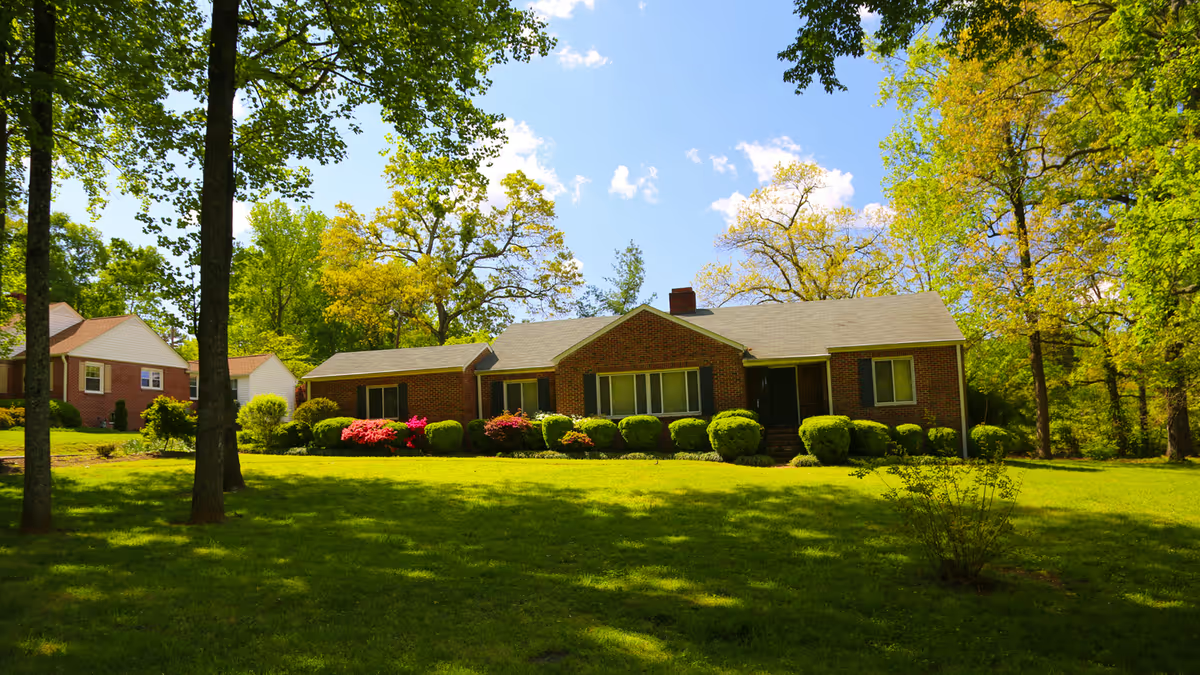
Pennybyrn at Maryfield is described as a large, well-appointed, nonprofit senior community with a broad continuum of care. Multiple reviewers emphasize attractive, well-maintained grounds and interiors, spacious and nicely furnished rooms and apartments, and a range of on-site amenities that include a chapel, pool, exercise facilities, outdoor patios, and dining venues. The campus supports rehabilitation and respite stays with dedicated therapy wings, and housekeeping/lawn care are commonly included. The facility’s religious ownership and daily mass are noted as meaningful to some families.
Care and staff behavior are focal strengths and recurring sources of concern. Many families highlight compassionate, friendly nursing, CNA, and therapy staff, noting effective rehab outcomes and a culture of resident dignity. Several reviewers praised strong therapy resources, a large PT area, and therapist-led improvements in mobility and cognition. At the same time, reviews also point to inconsistent staffing patterns: understaffing or limited LPN coverage in some units, coverage shortfalls on weekends, and variability in hands-on care between different buildings or levels. Related operational concerns include inconsistent medication-administration oversight and delays in attending to resident needs.
Dining and activities generally receive positive comments. The dining program is described as restaurant-style with cooked-to-order options, two seating choices, and varied menus (including themed events and family meal-ticket options). The community offers a robust activity calendar—group classes, outings, themed parties, and social events—plus wellness programs such as exercise classes, pool access, and on-site personal services. These offerings contribute to an engaged atmosphere for many residents.
Facility management and operational practices produce mixed impressions. Strengths include an organized admissions process for many, a secure campus, and reinvestment of nonprofit proceeds into care. However, reviewers identify recurring administrative weaknesses: communication lapses with families (including delayed follow-up and occasional misfiled information), billing and refund-processing delays, and uneven responsiveness during infection events. A small number of accounts describe limited suitability for residents with advanced mobility or high‑care needs, suggesting prospective residents with complex clinical requirements should verify capabilities before admission.
Notable patterns for prospective residents and families: the physical environment, amenities, and rehab services are frequently praised and create a strong quality-of-life offering. Yet operational variability — particularly staffing consistency, weekend coverage, medication oversight, family communication, and administrative responsiveness — appears frequently enough to warrant direct inquiry. Visitors should tour units across levels of care, ask for current staffing ratios (including weekend and night coverage), review medication and infection-response protocols, confirm billing timelines and policies, and verify the community’s ability to meet any high‑care mobility needs before committing.