The reviews portray a polarized picture of The Landings of Cabarrus: many families describe attentive, compassionate care and an engaging community environment, while others raise operational and safety concerns that suggest inconsistent performance across shifts or units. Strengths repeatedly noted include hands-on caregiving, assistance with activities of daily living, furnished rooms with kitchenettes under an all-inclusive pricing model, and a robust schedule of activities (daily programming, outings, arts and crafts, and devotional offerings). Several reviewers also cited specific staff members and admissions personnel as particularly helpful, and some families value the facility’s use of technology for family contact (FaceTime and social updates).
Care and clinical oversight are areas of mixed feedback. Positive comments emphasize respectful interactions, medication-management services, and staff willingness to help with ADLs. Conversely, other comments indicate lapses in medication timeliness and monitoring, delayed responses to requests for assistance, inconsistent bathing schedules, and hydration-monitoring gaps. There are also recurring concerns about fall-prevention and safe transfer practices after reports of resident injuries, as well as questions about coordination with hospice and outside clinical providers.
Staffing and conduct present a similar contrast. Many reviewers praise dedicated, kind caregivers and note staff who go beyond expectations. At the same time, others describe understaffing, high turnover, weak supervision, and conduct issues (for example, inattentiveness, use of personal devices while on duty, and inconsistent enforcement of professional standards). These operational weaknesses appear tied to delayed family communication, inconsistent discipline or favoritism perceptions, and uneven responsiveness from management.
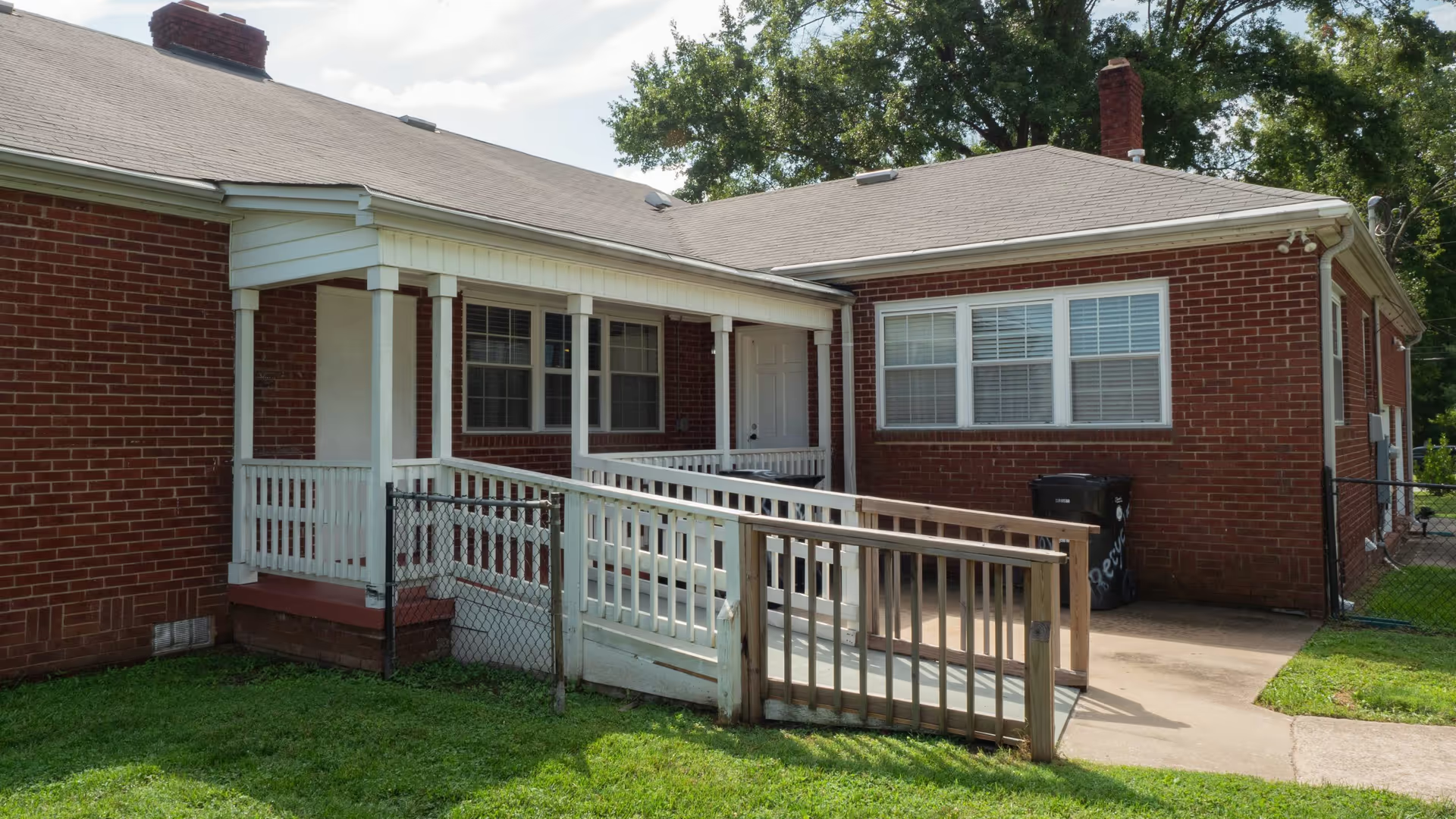
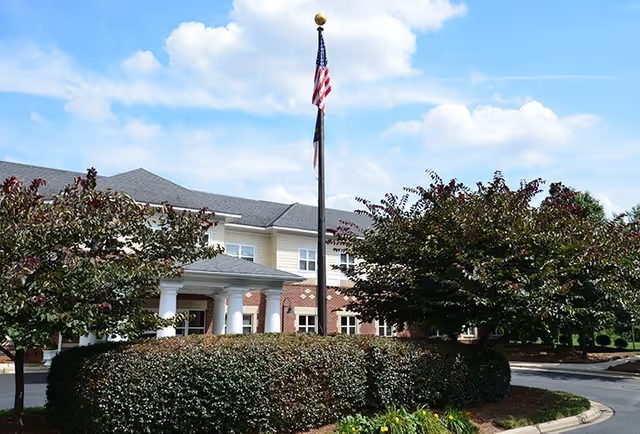
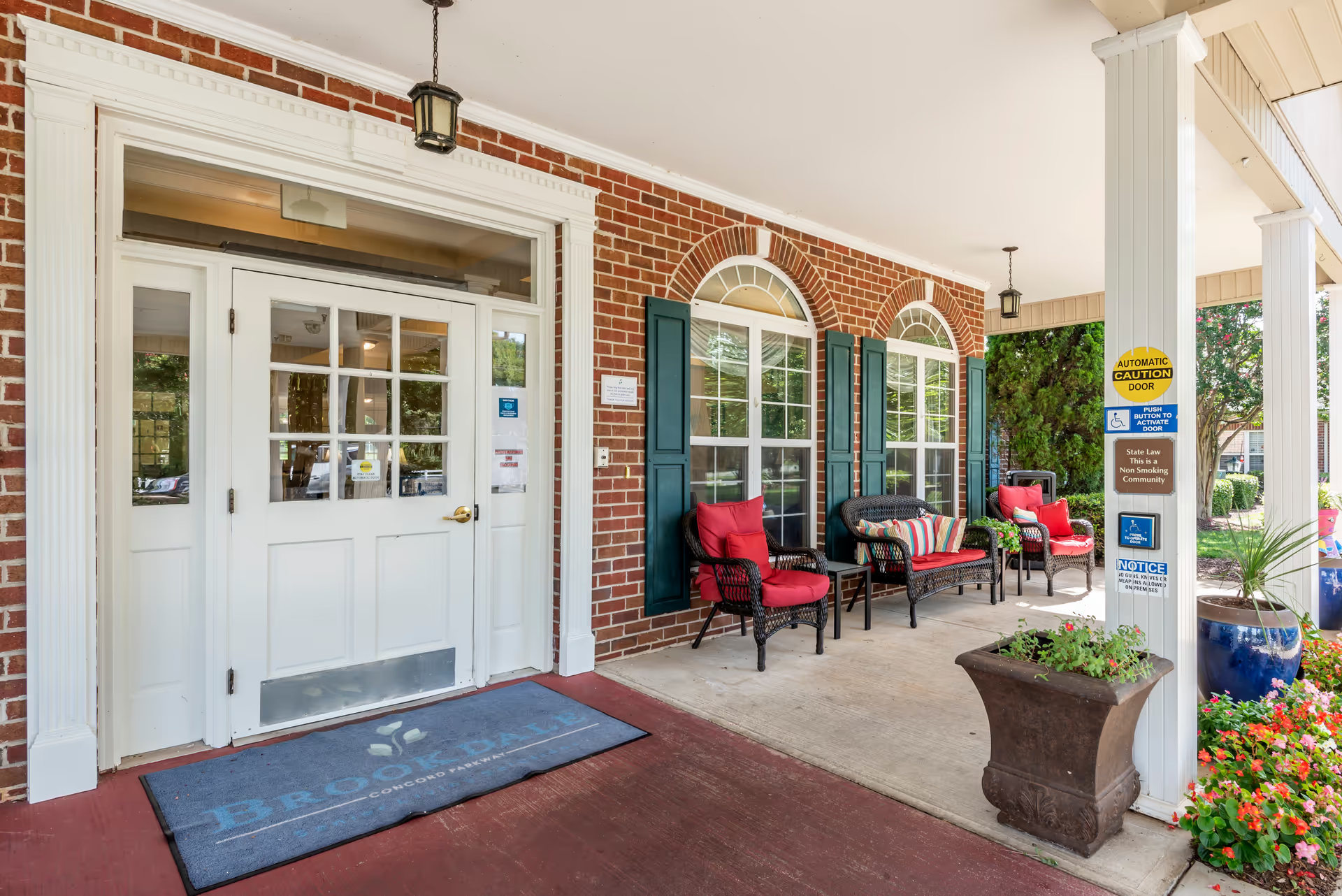
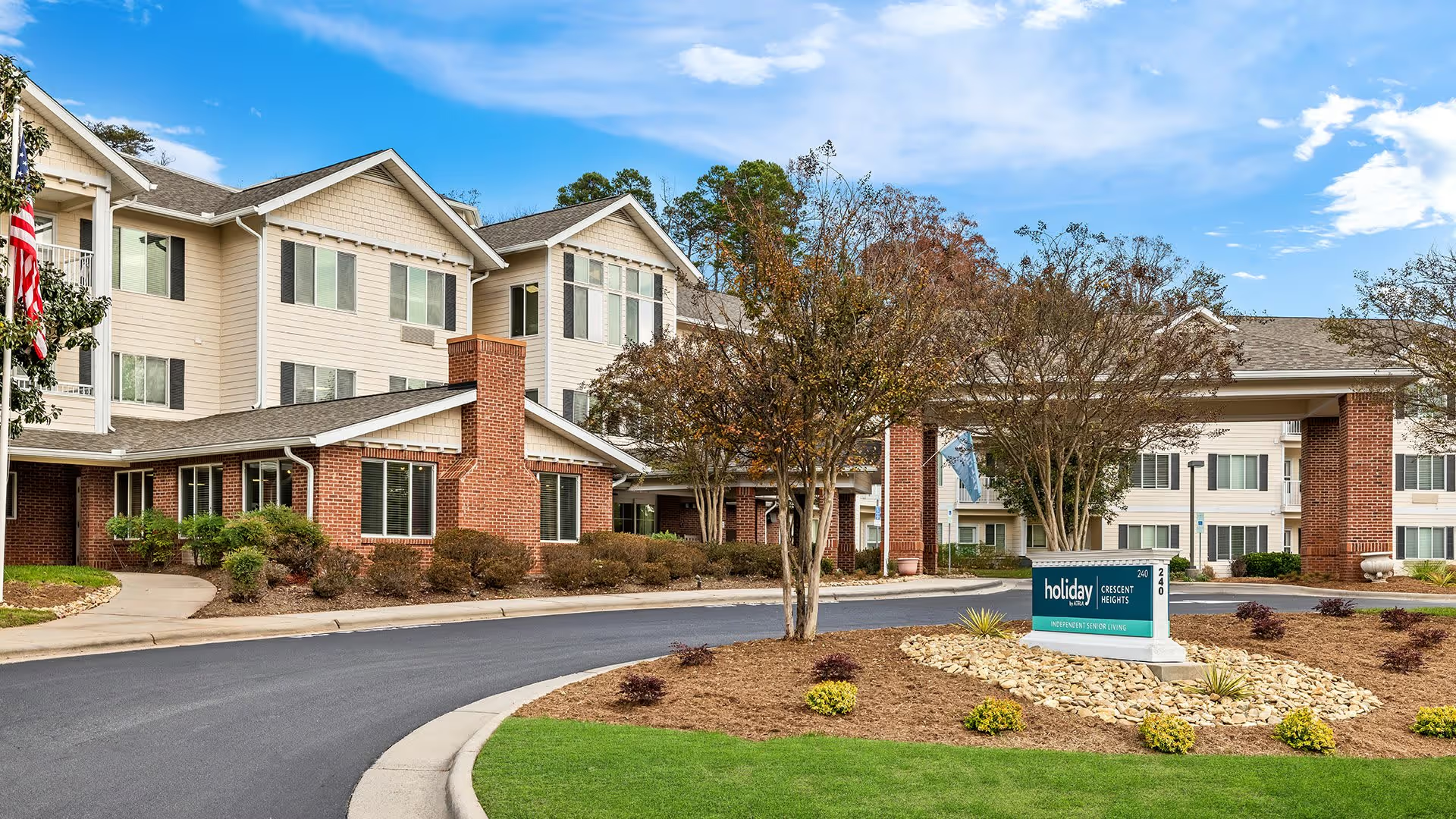
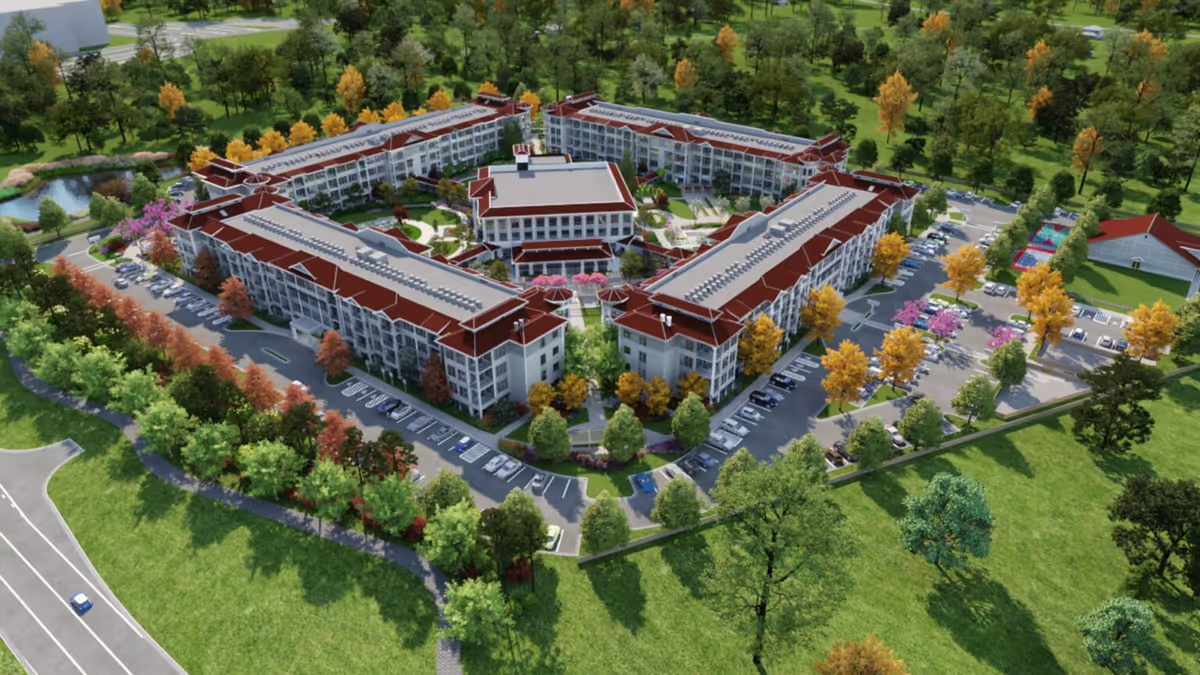
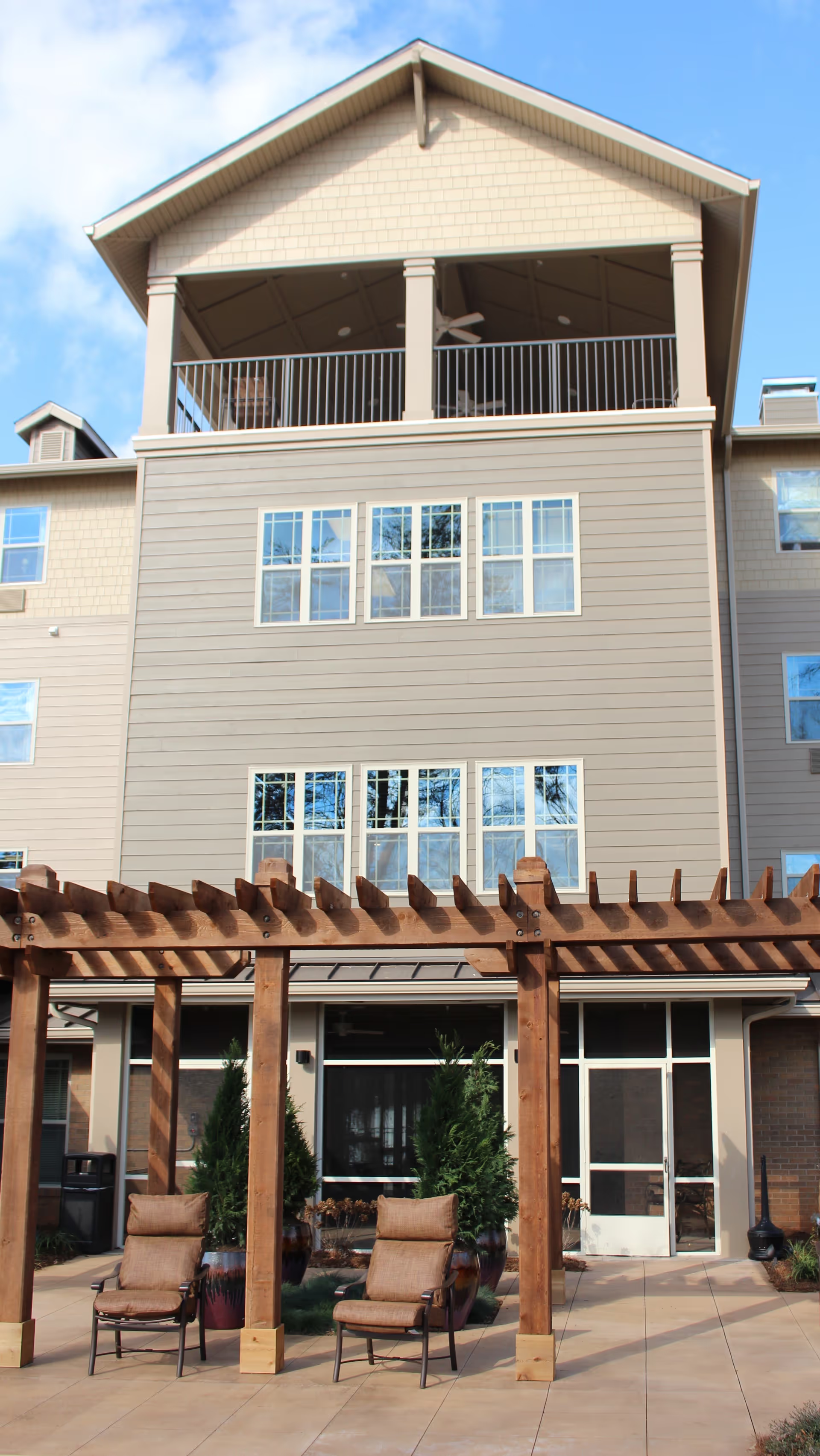
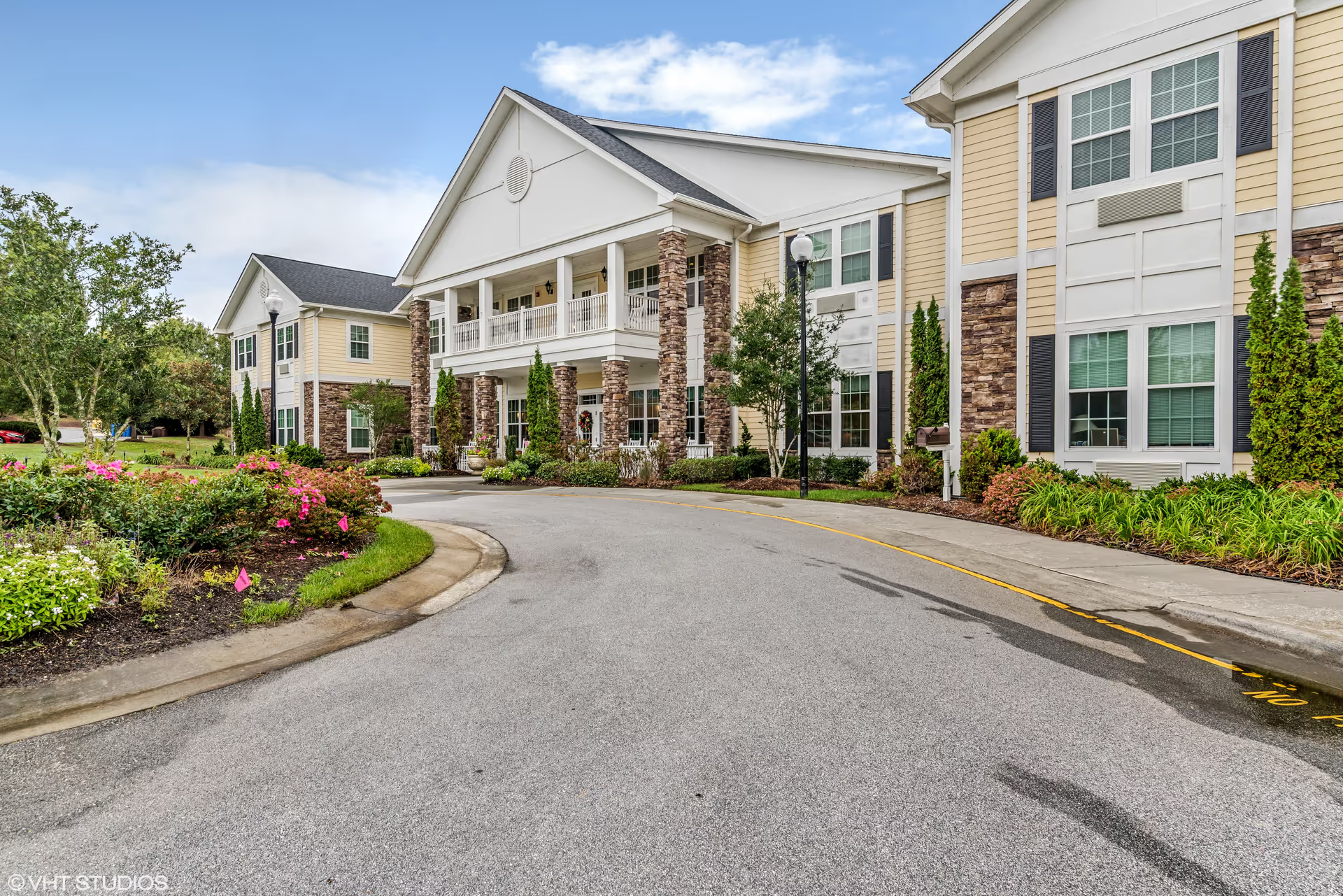
Dining, housekeeping, and facilities receive mixed marks. Positive feedback highlights attractive grounds, well-maintained common areas, and a generally pleasant interior. Negative feedback raises sanitation concerns, odor concerns in some spaces, inconsistent housekeeping (including rooms not cleaned regularly), equipment reliability problems, and pest-control issues in certain areas. Food quality is described as variable — some families find meals acceptable while others characterize the dining experience as low quality or inconsistent.
Management and administrative practices are another salient pattern. Several reviewers describe an approachable admissions experience and responsive leadership, but others report poor follow-through (for example, unanswered calls, delayed admission communication), unclear billing or residency-qualification expectations, and limited transparency around incident follow-up. There are also noted issues with building access procedures and the reliability of monitoring systems (cameras identified as sometimes offline), which can heighten family concern about safety oversight.
Taken together, the review set suggests the Landings offers a community with clear strengths — committed caregivers, meaningful activities, and comfortable living spaces — alongside operational variability that can affect safety, hygiene, and family confidence. Prospective residents and families would benefit from focused questions during tours about staffing ratios and turnover, medication-administration policies and incident reporting, housekeeping and pest-control schedules, fall-prevention and transfer protocols, hospice coordination, visitor-access procedures, and how the community supervises staff conduct and enforces device-use and monitoring policies. These targeted inquiries can help determine whether the facility’s strengths are present and sustained for an individual resident’s needs.