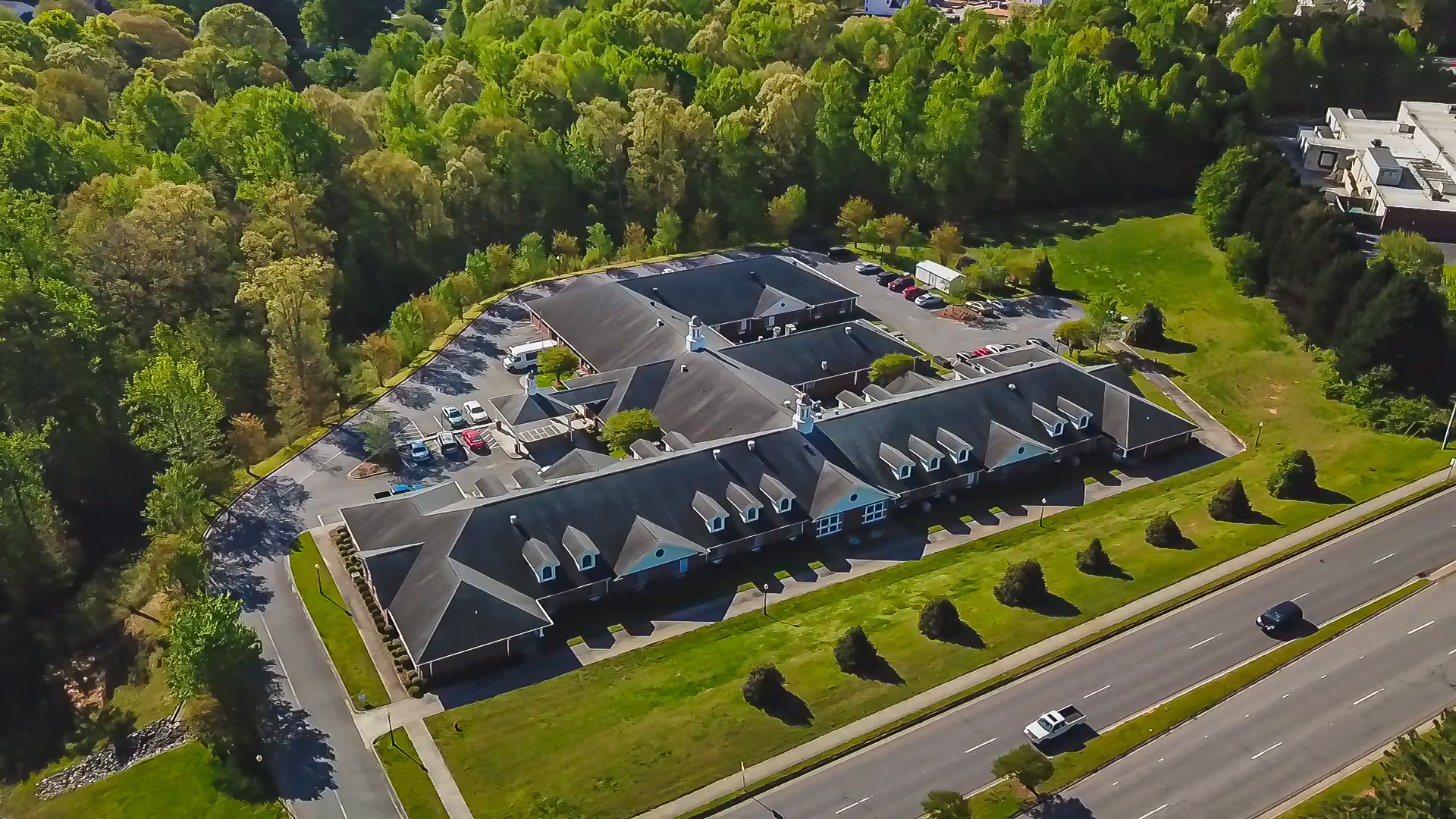
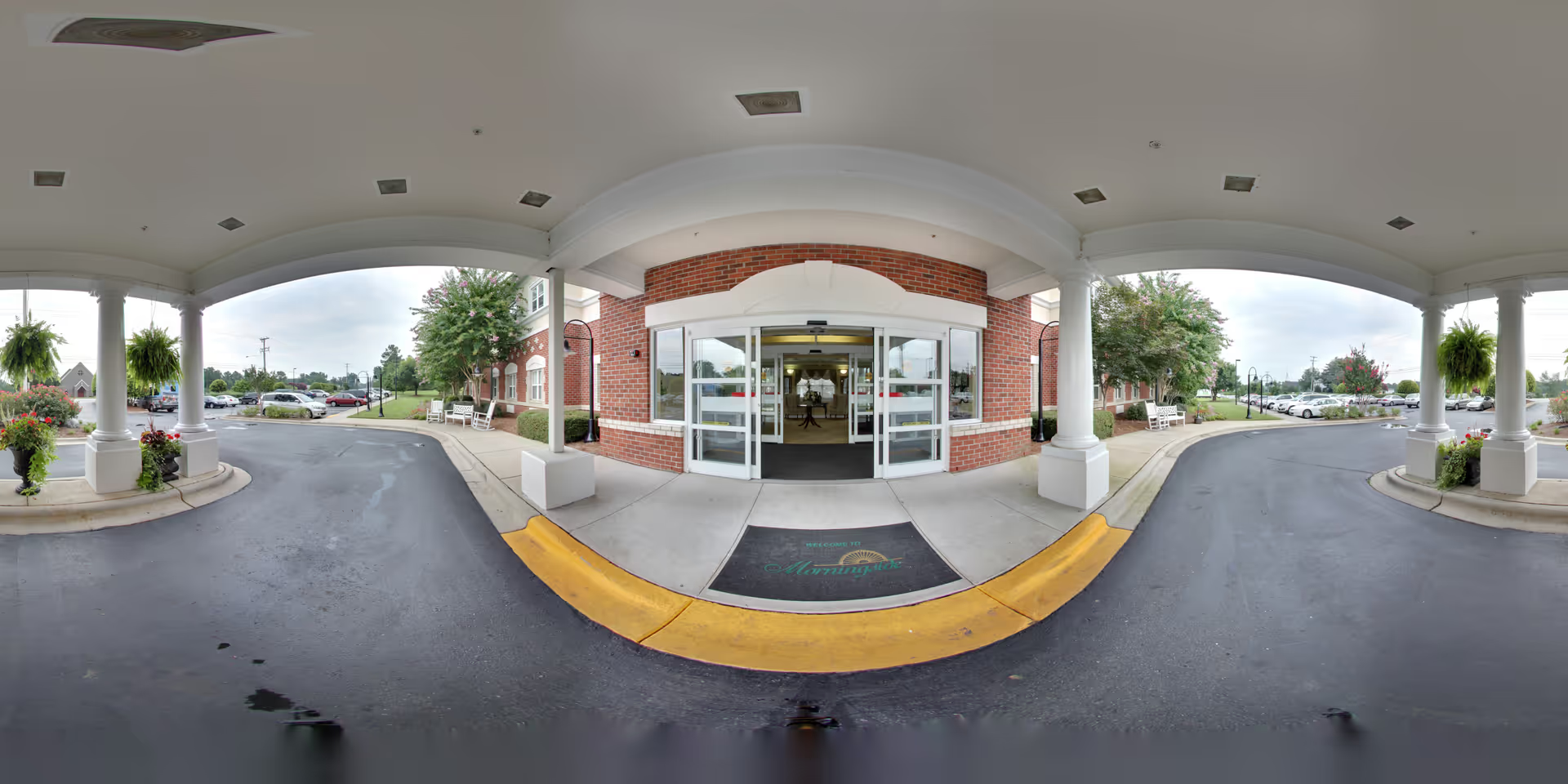
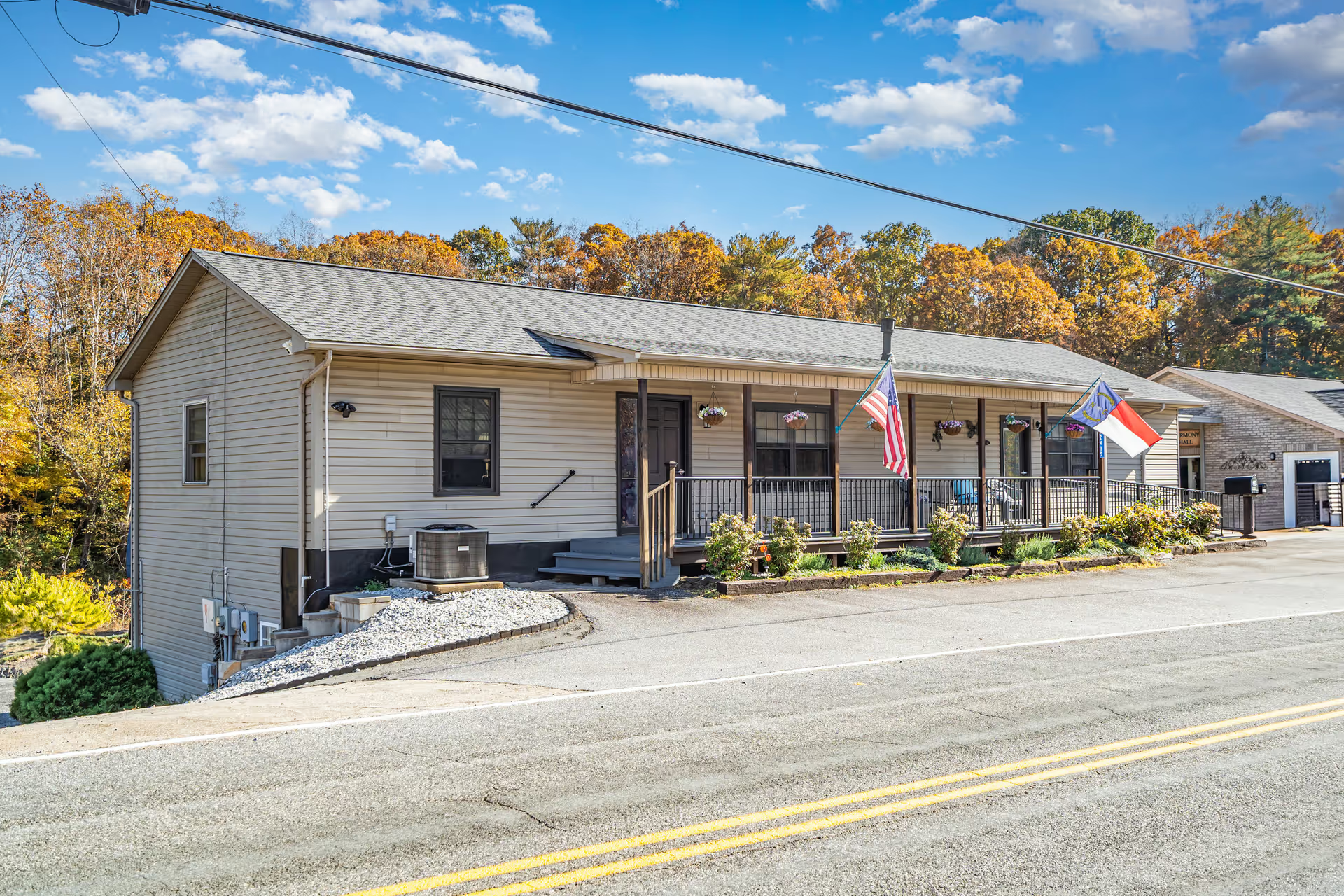
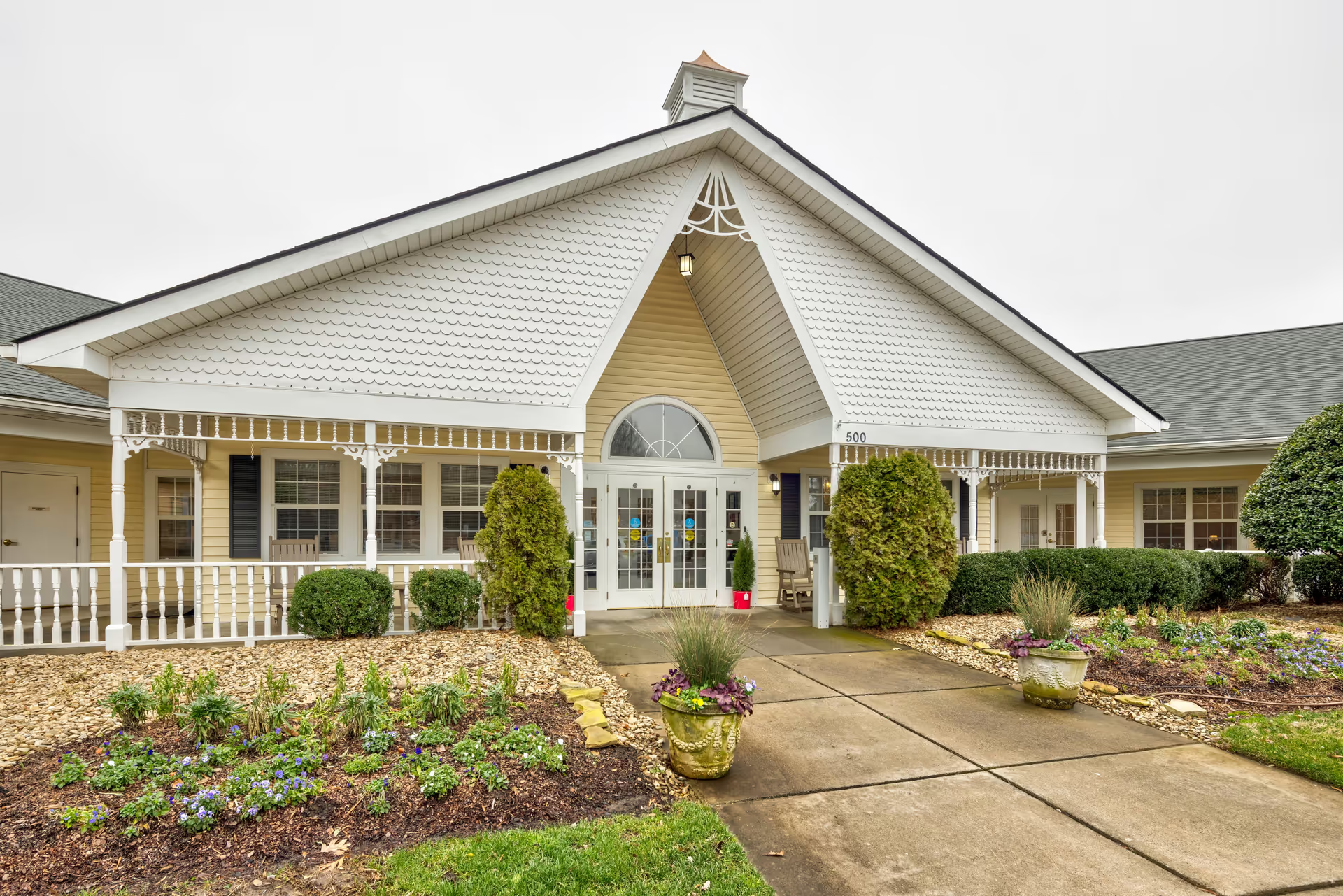
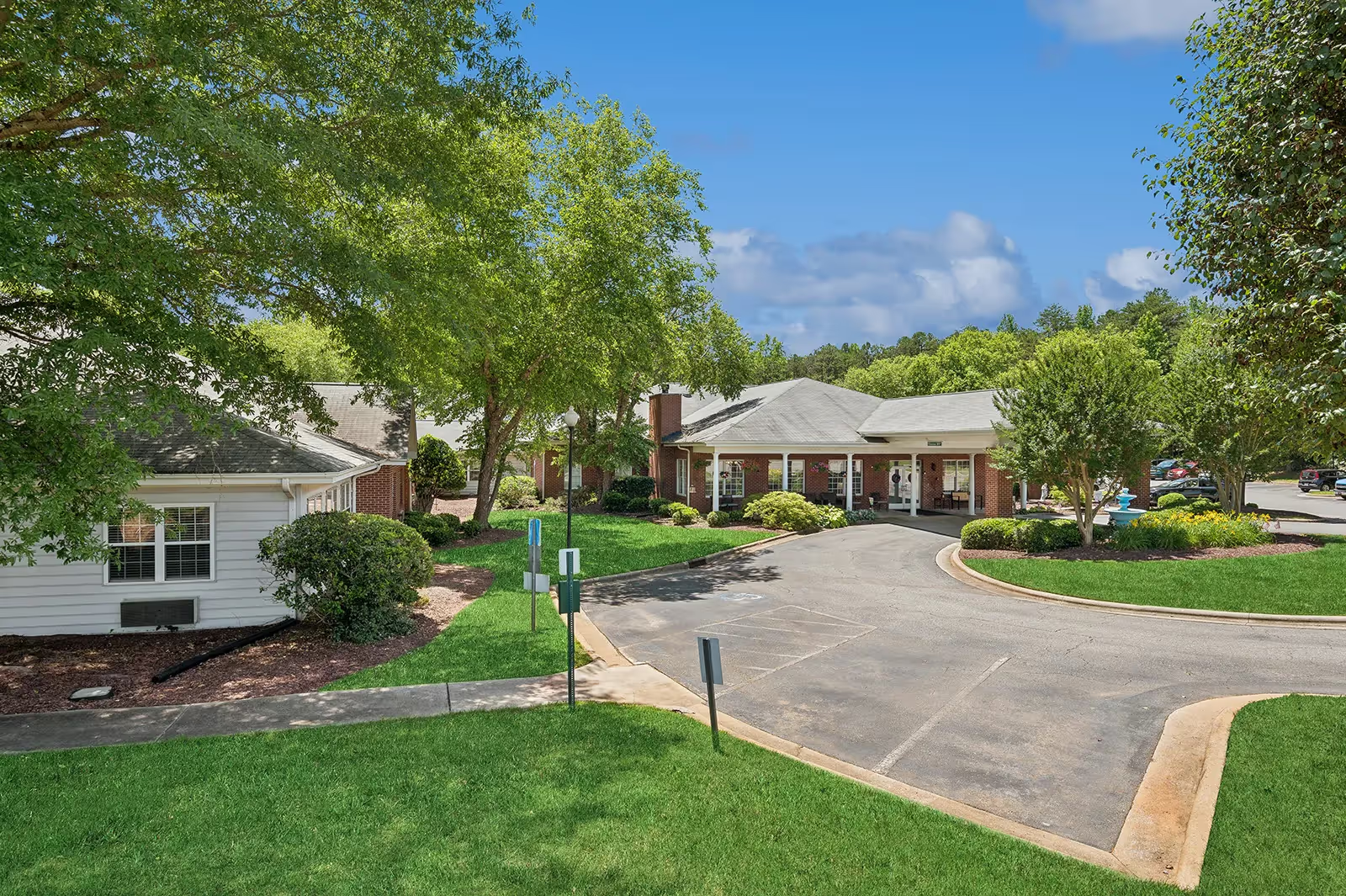
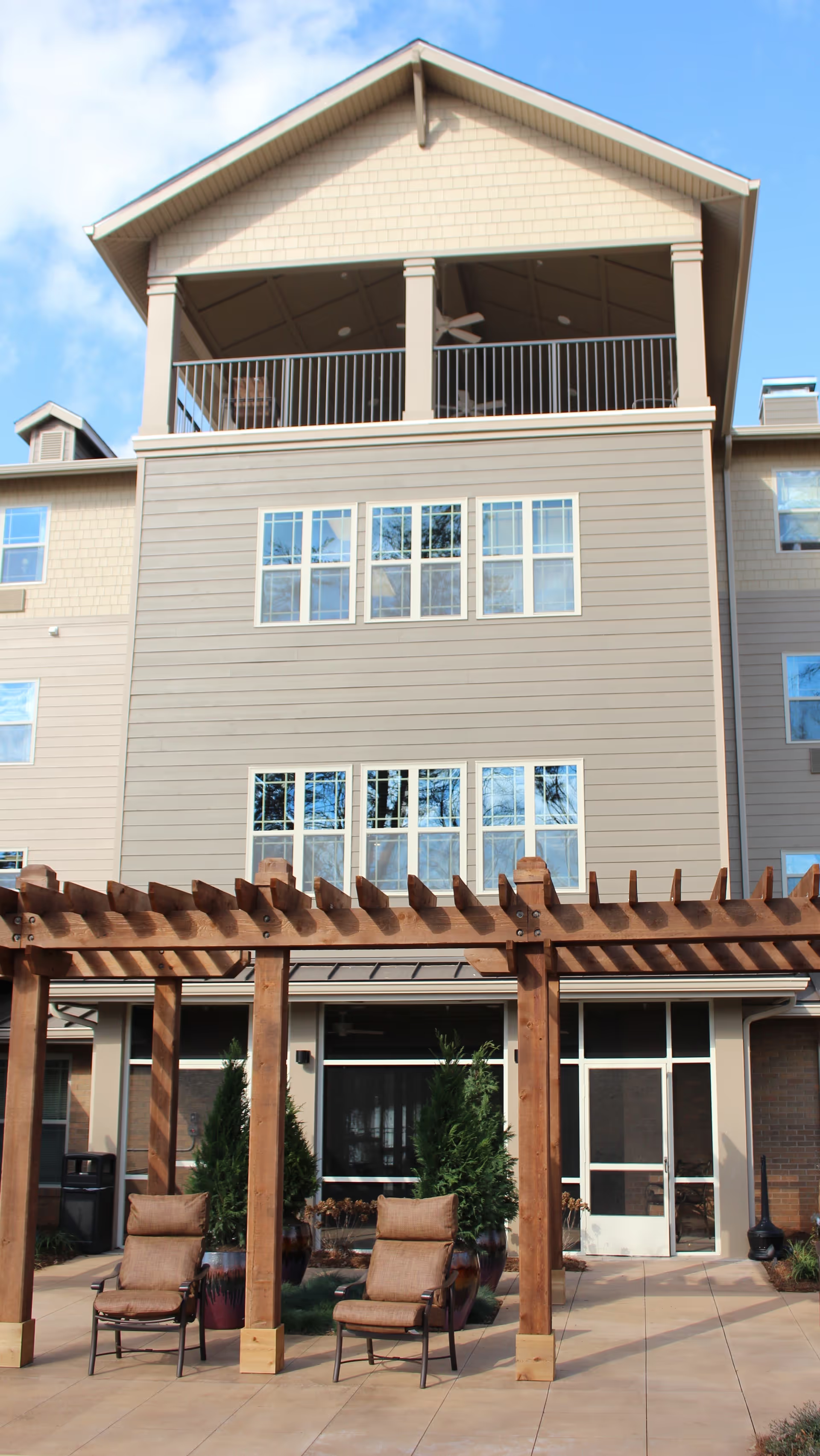
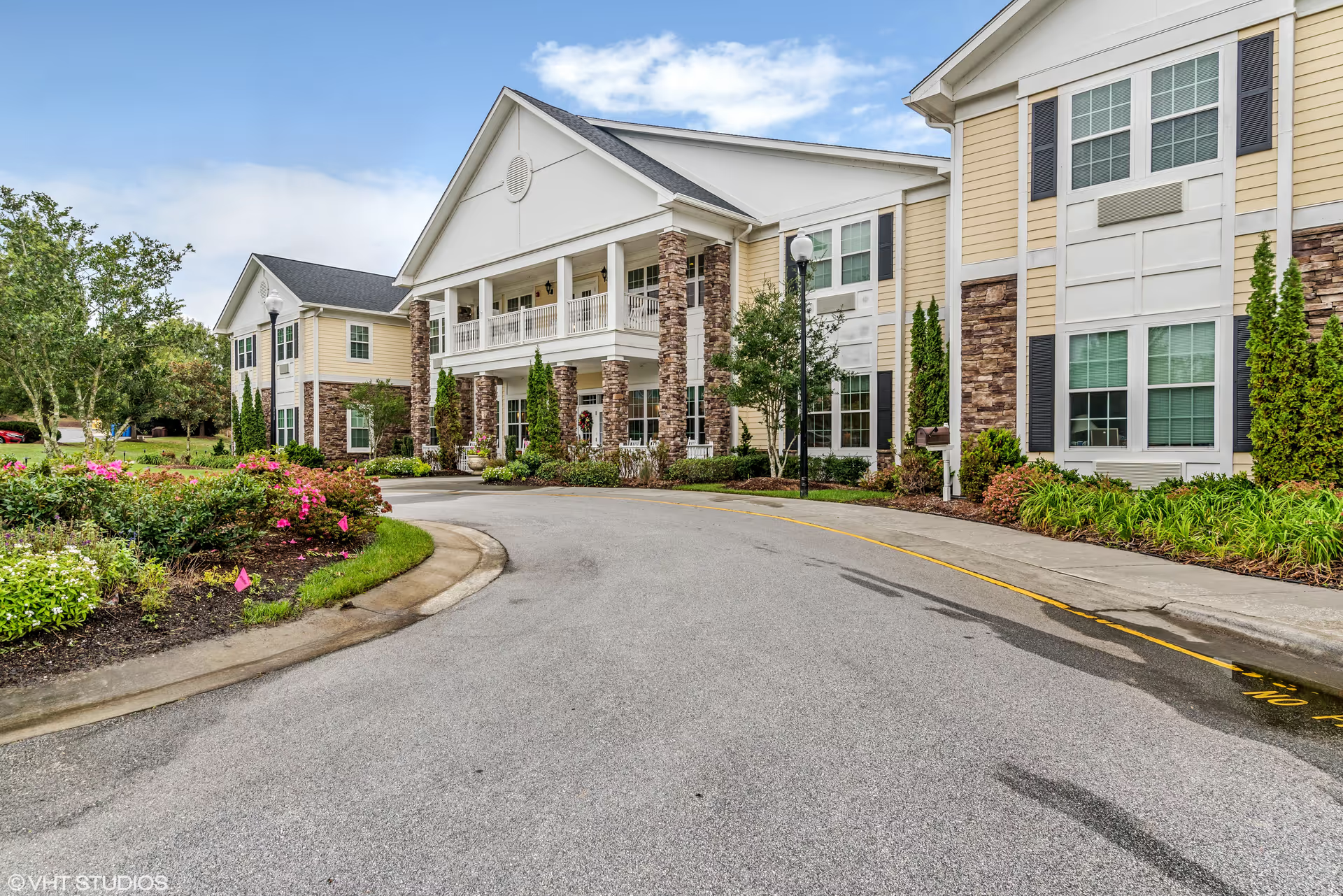
TerraBella Lincolnton elicits strongly mixed impressions. Many families and visitors describe a clean, recently renovated facility with attractive common areas and outdoor spaces. The building layout, private apartments with full bathrooms and walk-in showers, multiple living areas, and a spacious dining room are repeatedly noted as strengths. On-site amenities such as a hair salon and physical therapy, therapy-dog visits, and a generally welcoming admissions experience were also highlighted.
Care quality and staff performance appear variable. Numerous accounts praise compassionate, attentive caregivers and specific staff members who provide strong, empathetic support during moves and daily care. At the same time, there are recurring operational concerns: reviewers describe high staff turnover, inconsistent staffing levels, and limited on-site nursing coverage. These patterns are associated with lapses in clinical oversight, delays in medical escalation or emergency response, and uneven medication and health-monitoring practices. Several families expressed particular caution regarding advanced memory-care needs because of these inconsistencies.
Dining and activities are likewise mixed. The facility offers restaurant-style meals, a variety of menu options, and active programming (bingo, music events, crafts, occasional special events), and some reviewers compliment a new chef and improved meal experience. Conversely, others reported inconsistent food quality and occasional interruptions to meal service; there are also specific concerns about meal supplements and portioning. Activity programming is generally robust in assisted living areas but appears uneven in memory care, where some reviewers describe limited engagement and residents spending long periods without structured activities.
Facility maintenance and housekeeping receive largely positive comments for cleanliness and recent remodeling, yet there are intermittent sanitation and room-upkeep issues noted by families, including localized odor concerns and inconsistent housekeeping standards. Security and personal-property controls were raised as a serious concern by some families, including allegations of missing belongings; this suggests a need to clarify inventory and safeguarding procedures during tours.
Management and administration present a mixed record. Several families praised responsive admissions staff and clear communication during move-in, while others reported frequent leadership turnover, inconsistent policies (including infection-control/visitation rules), and gaps in follow-up when clinical incidents occur. Administrative items such as billing, supplemental-fee practices, refund or pro-rating policies, and staff payroll/contract issues surfaced as operational pain points for some families.
Notable patterns to consider: the facility shows a clear commitment to a welcoming physical environment and several staff members provide high-quality interpersonal care, but systemic operational weaknesses—particularly staffing stability, clinical oversight, emergency response, memory-care programming, and administrative consistency—have affected outcomes for some residents. Prospective residents and families should verify current staffing models and clinical coverage (including RN availability and CNA/PCA ratios), ask for written protocols for emergency response and infection-control, review activity schedules for memory care, clarify bathing and hygiene routines, confirm meal-supplement policies, and request information on property safeguards and billing/refund practices. These targeted questions will help determine whether the facility’s strengths align with an individual resident’s clinical and psychosocial needs.