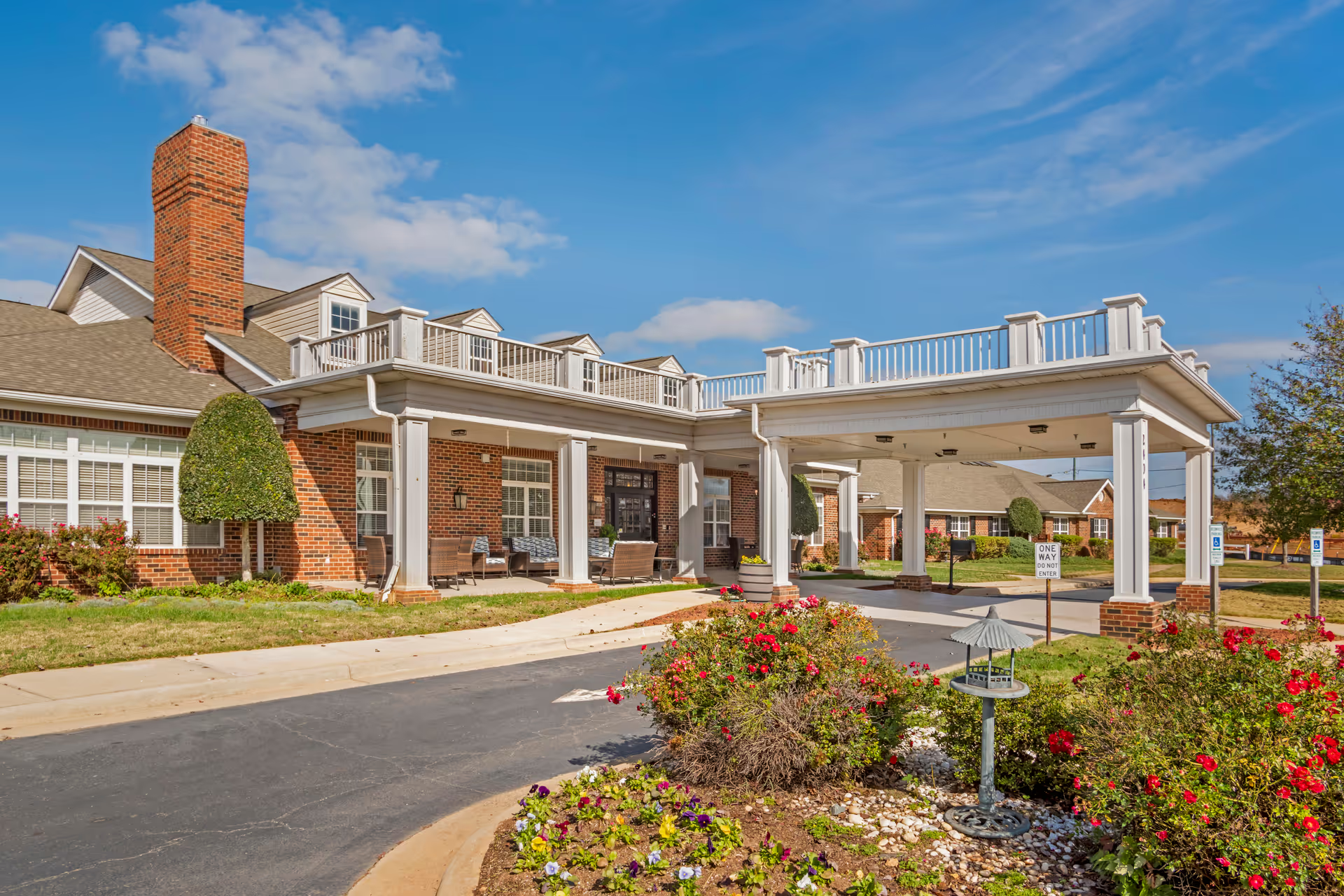
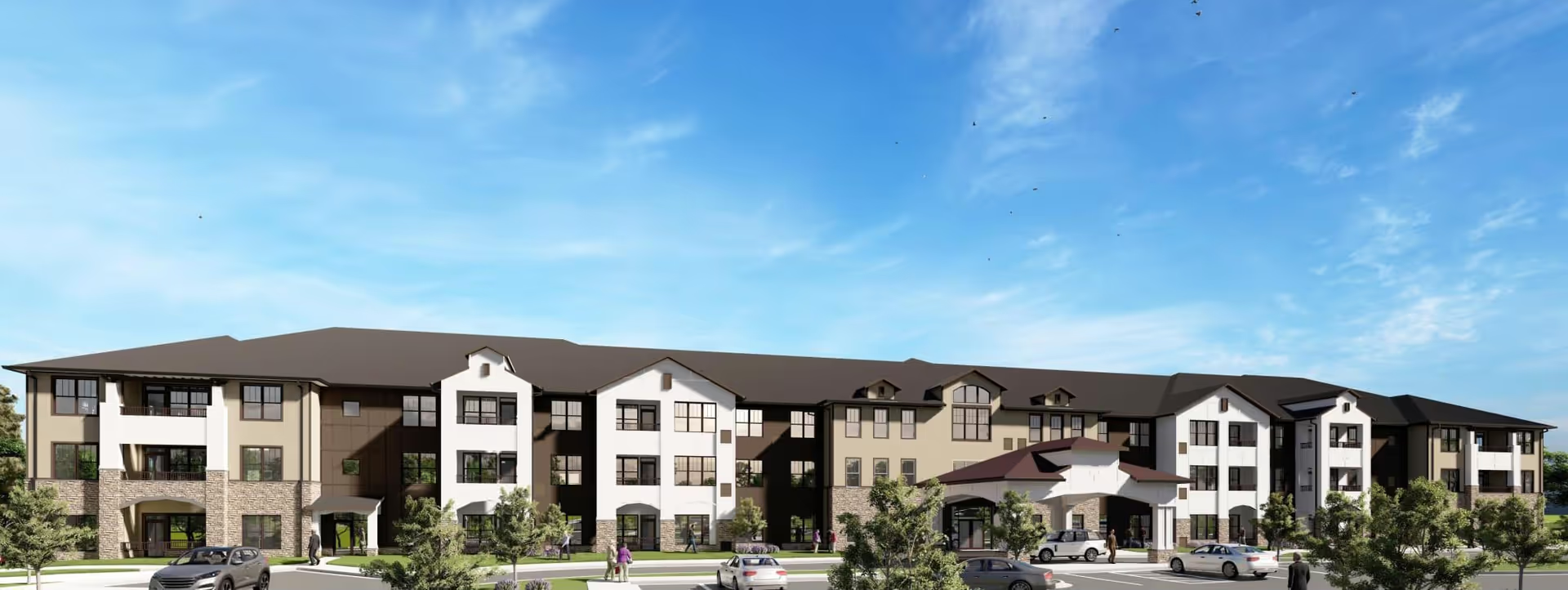
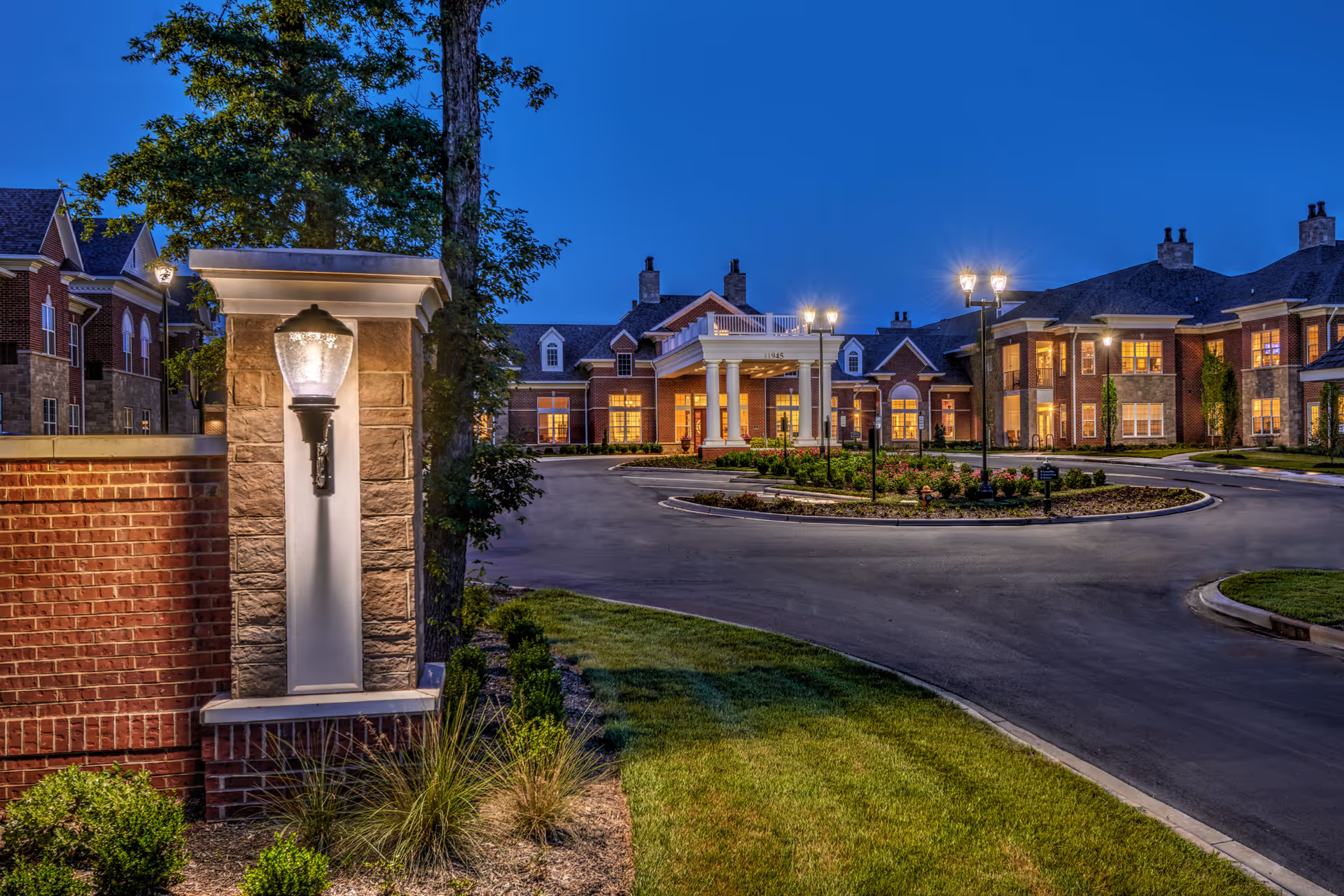
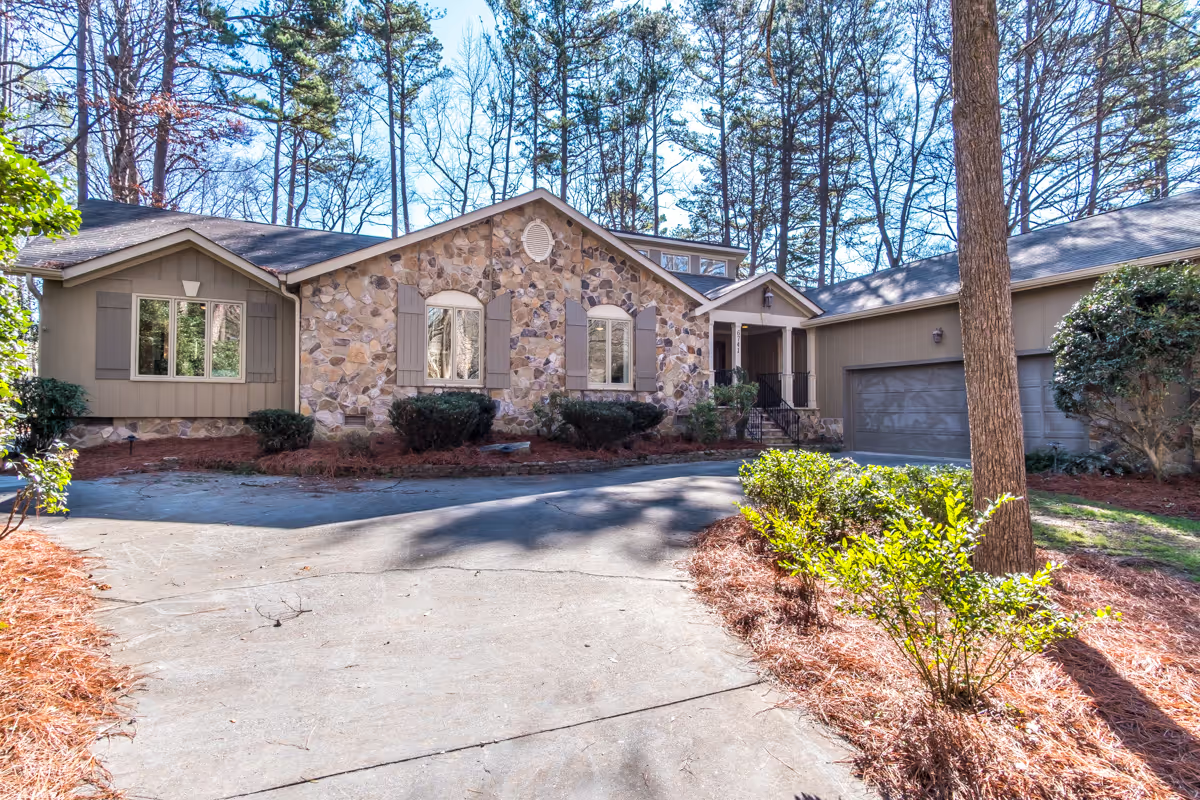
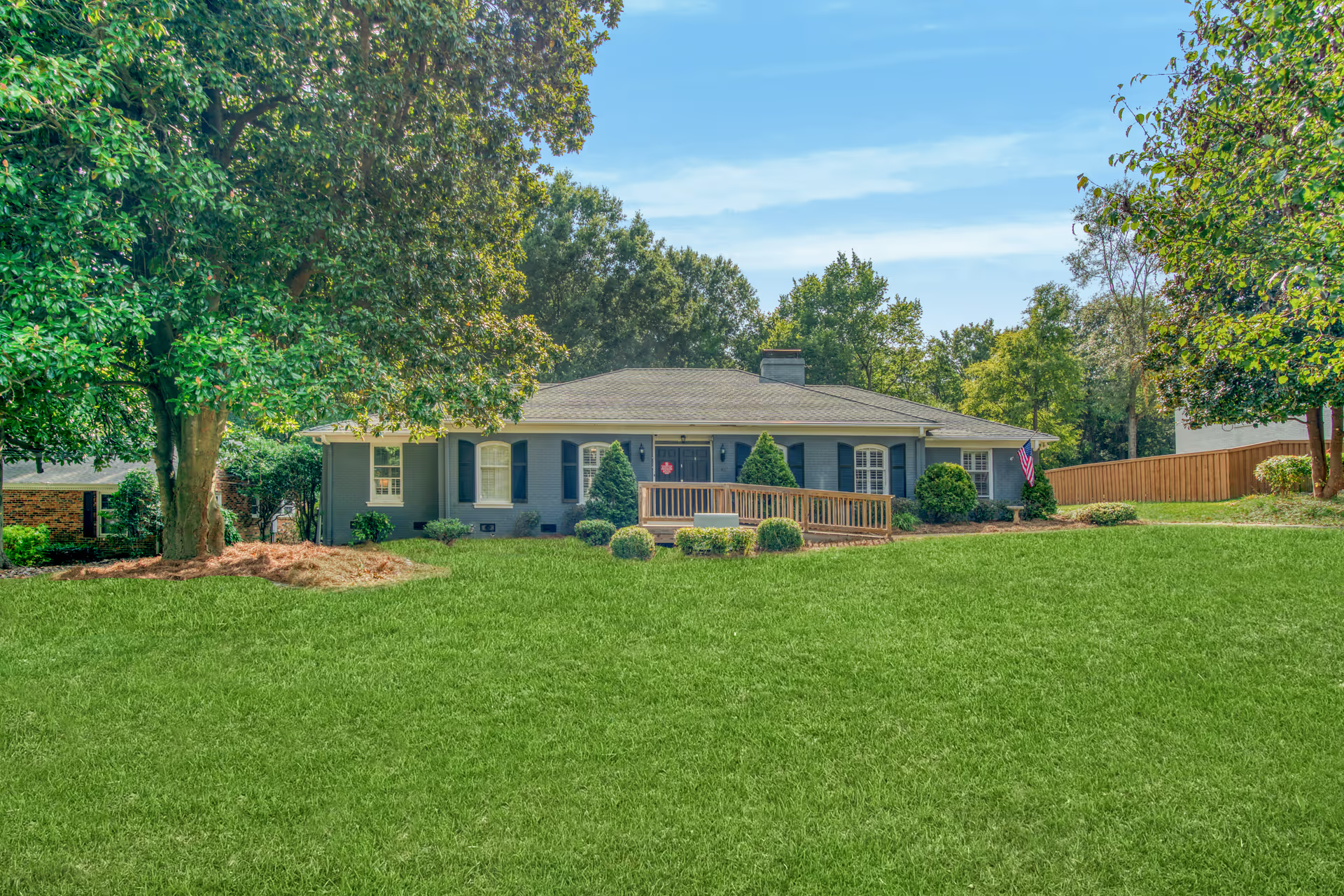
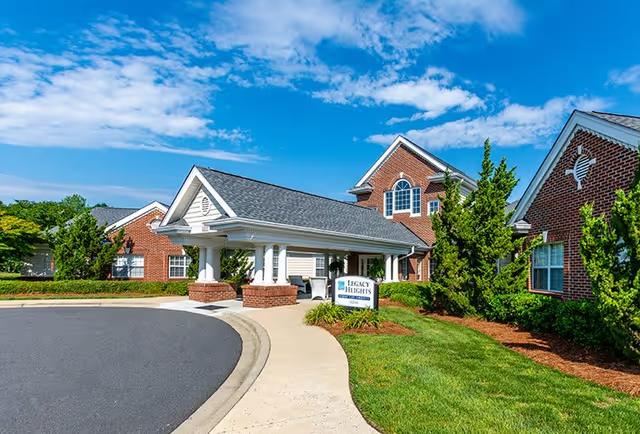
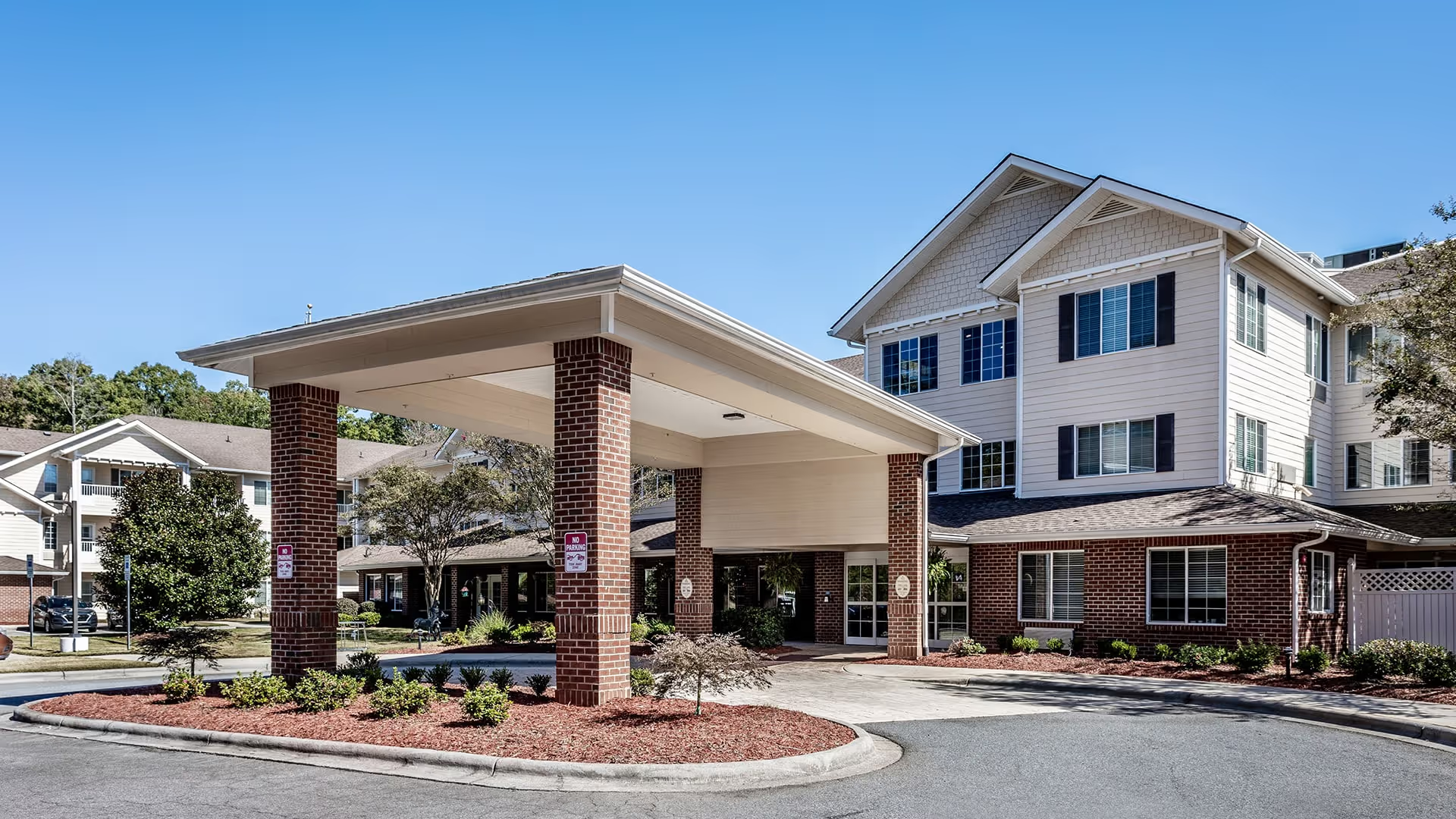
Windsor Run presents as a modern, campus-style continuing care community with a wide range of physical amenities and an active social program. Multiple, well-maintained buildings are connected with outdoor gathering areas; apartments are described as spacious and bright, many with screened-in porches. On-site amenities commonly praised include a heated indoor pool, fitness center, theater, woodworking shop, art studio, library, and multiple dining venues. The community emphasizes social engagement through scheduled day trips, clubs, games (mahjong, bridge), gardening, movie nights, and a low-vision support group, contributing to an active resident culture.
Care and staffing perceptions are mixed. Many accounts describe friendly, helpful, and knowledgeable front-line staff and sales personnel who create a welcoming atmosphere; several reviewers highlighted exceptional individual staff members and an overall sense that residents can form friendships and stay engaged. However, there are recurrent operational concerns: elevated staff turnover, variability in staff training and conduct, and limited clinical staffing for higher-acuity needs. These patterns suggest the facility may be well suited for independent and lower-dependency residents but has inconsistent capacity for more medically complex care at this time.
Dining and service delivery are generally seen as strengths in terms of variety and amenities — multiple restaurants and flexible dining options, with attractive presentation and favorable meal experiences for many residents. At the same time, reviewers also noted inconsistencies in dining service quality, occasional understaffing in dining areas, and menu repetition over time. Transportation services and other operational supports have changed for some residents; a discontinuation or reduction of scheduled trips and appointment transport was specifically noted, which affects access to off-site care and errands for some households.
Management and governance show uneven signals. The physical plant and amenity investment are widely praised, but several reviewers described a perceived cultural shift toward sales or profit priorities and inconsistent local oversight. This has been associated with variability in resident experience after personnel changes and with service contractions such as altered transportation. Other operational issues raised include frequent internal relocations for residents and concerns about traffic-safety management for resident drivers. Prospective residents and families should weigh the robust, resort-like amenities and active programming against the community’s variability in staffing, clinical depth, and recent operational changes. A focused visit that asks about current clinical-staffing ratios, staff turnover rates, specific transportation offerings, and procedures for resident relocations will help assess fit for individual care needs and expectations.