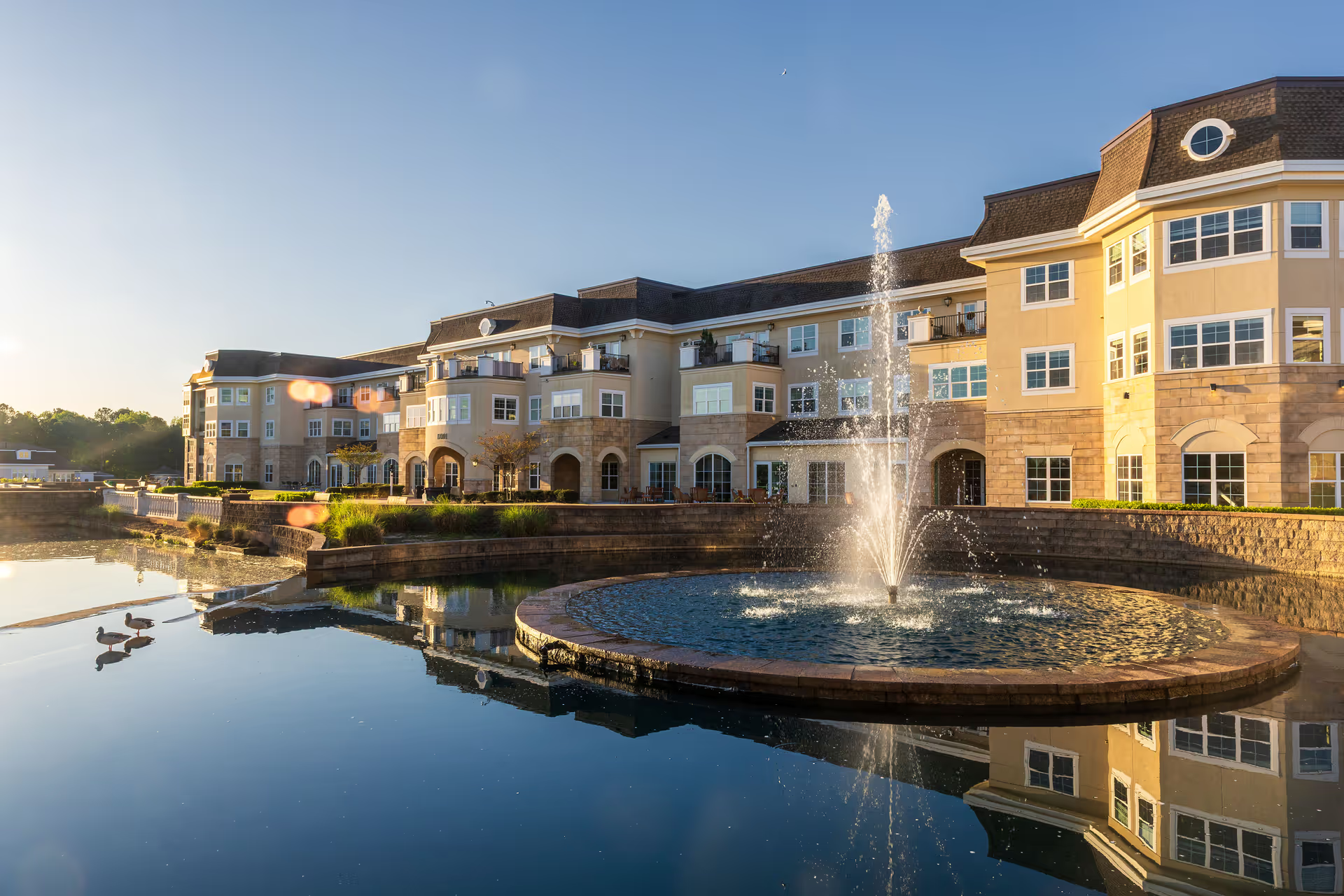
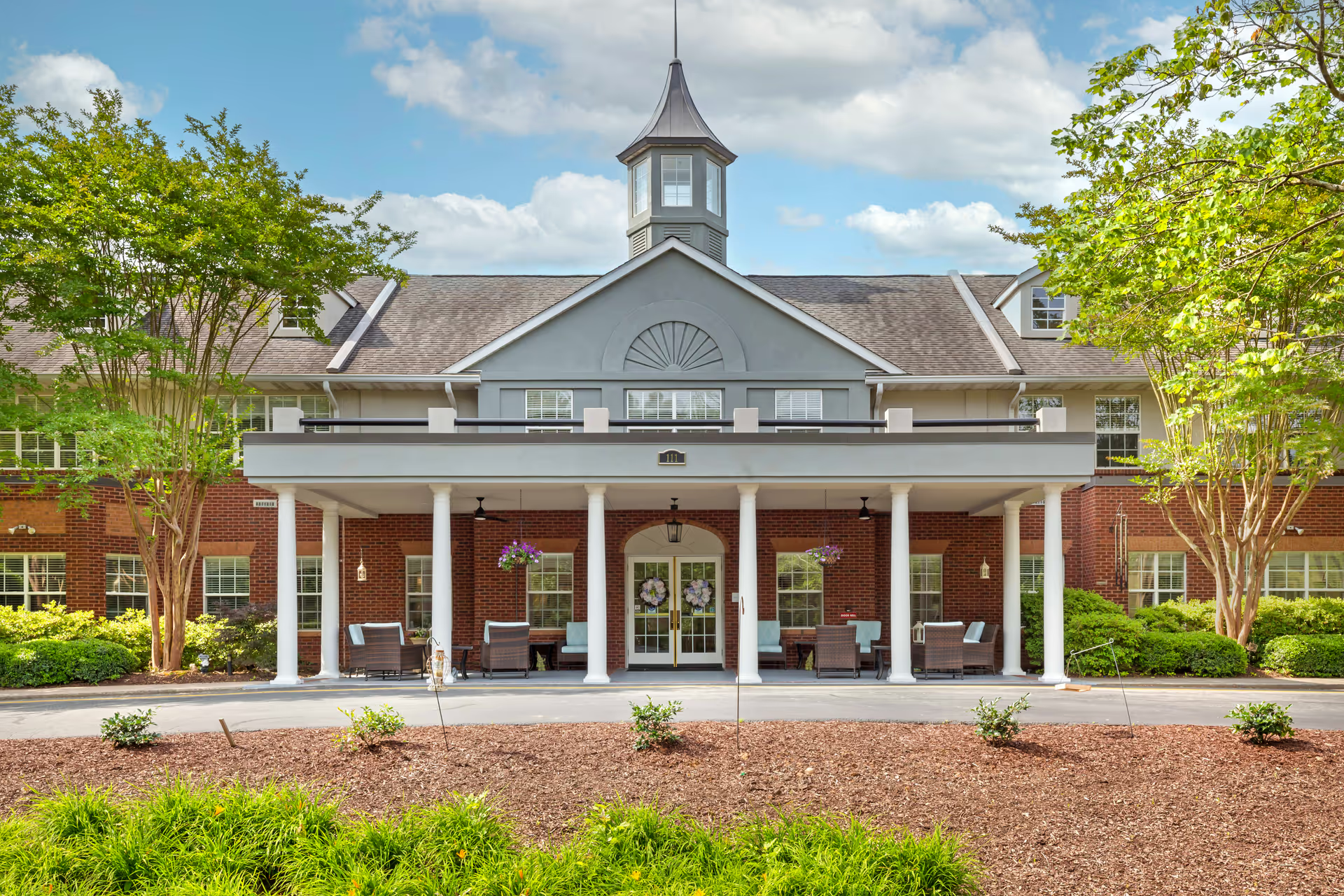
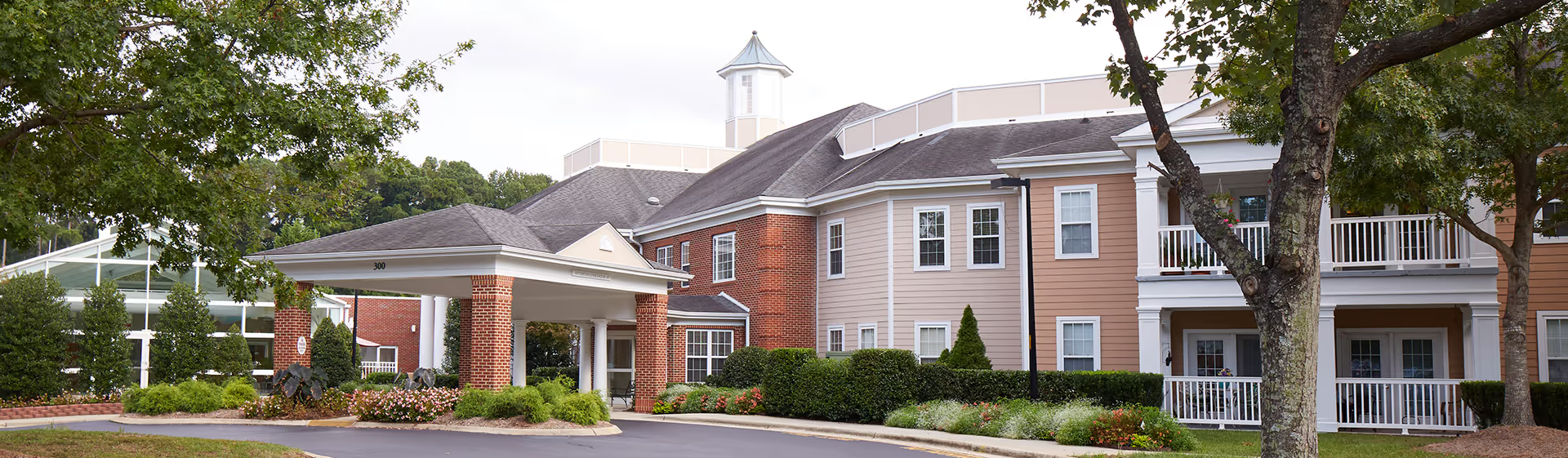
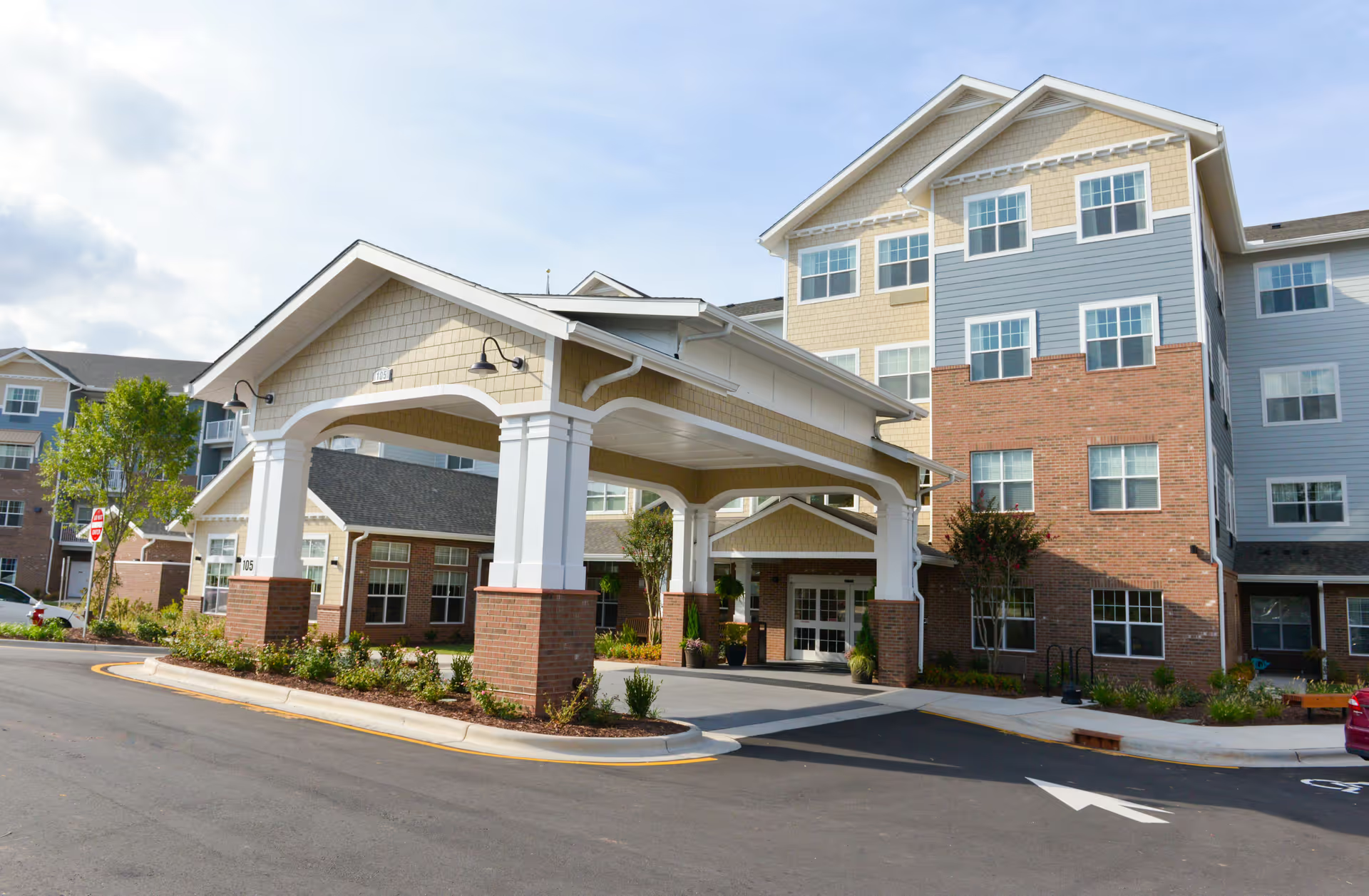
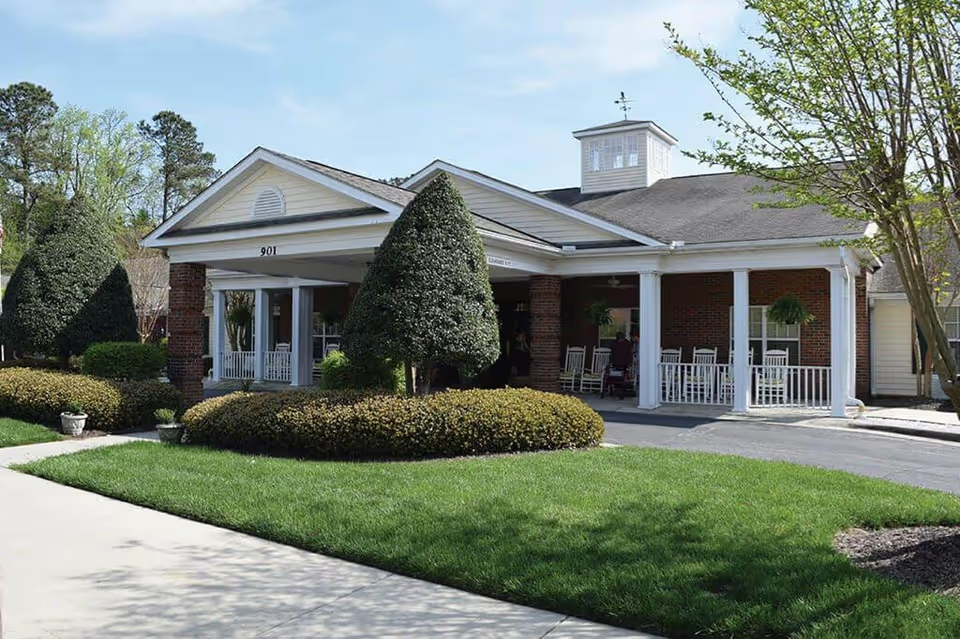
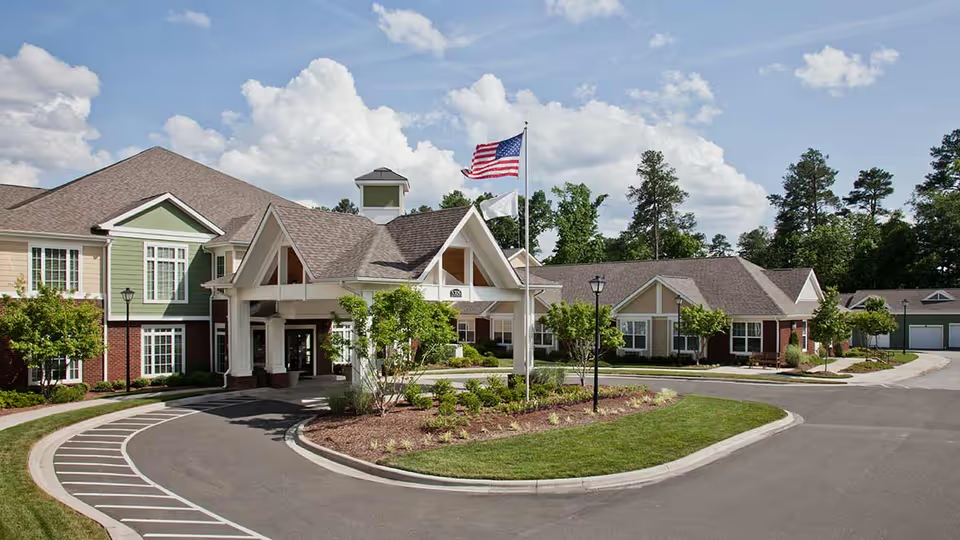
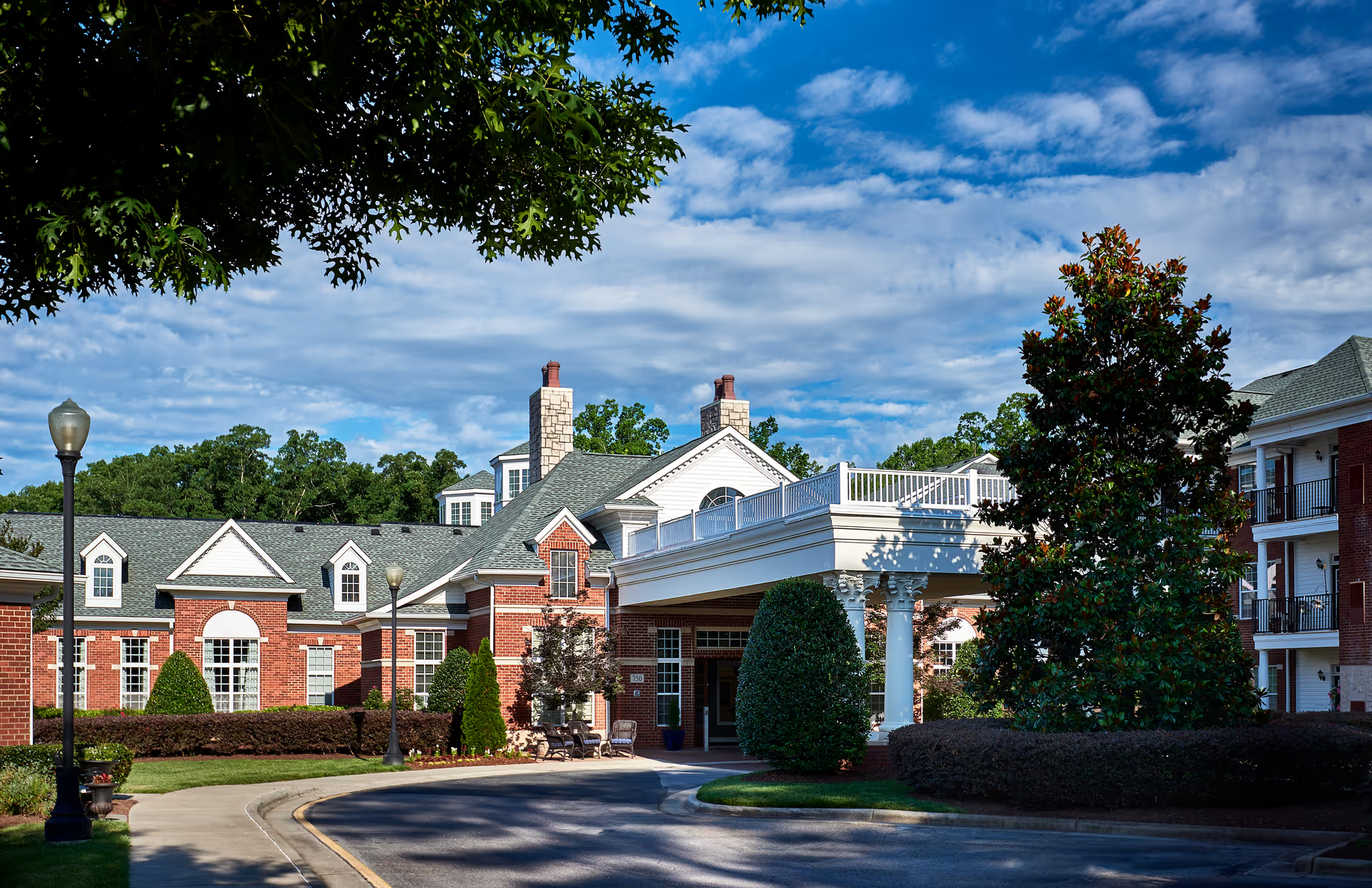
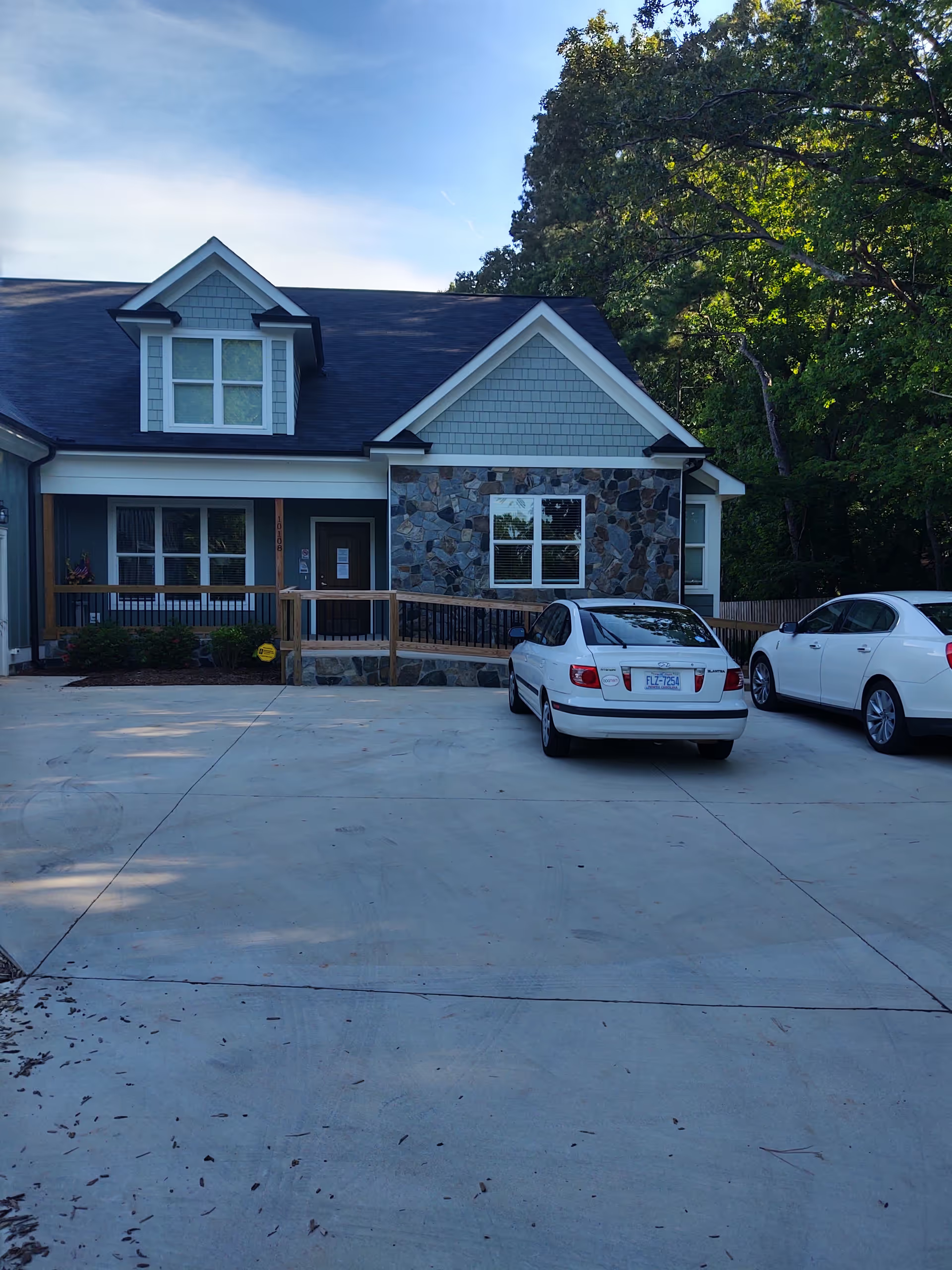
Brier Pointe presents as a well-appointed, newly built retirement community with a broad set of amenities and an emphasis on an all-inclusive lifestyle. Reviewers consistently highlight the facility’s physical assets: spacious, well-designed apartments; attractive dining and common areas including a large movie theater; a fitness center and therapy spaces; a craft room, library, and game room; and well-kept grounds. The community’s location near medical services and shopping is repeatedly noted as a practical advantage.
Dining and food service receive strong praise for quality and variety. Many residents and families describe a chef-driven program, buffet-style options, healthy choices and desserts, and round-the-clock dining availability. Weekly housekeeping, in-unit laundry capabilities, and included utilities contribute to the convenience theme. On-site occupational and physical therapy services are mentioned favorably, with several accounts crediting therapy staff with measurable improvements in mobility and health outcomes.
Staffing and resident experience are two of the community’s clearer strengths. Across accounts, front-line caregivers, concierge personnel, and activity staff are characterized as welcoming, attentive, and familiar with residents’ names; move-in assistance and ongoing communication around daily needs are often described as smooth and compassionate. The social environment is frequently described as friendly and home-like, with many residents forming new friendships and engaging in dancing, art, movie nights, walking clubs, and seminars.
Notwithstanding these strengths, a pattern of operational concerns emerges around food-service continuity and line-management. Several reviewers describe gaps in kitchen staffing, turnover, and menu-planning responsibilities that have affected consistency of service. Relatedly, critiques about management communication and leadership stability appear in the feedback, and some comments reference interpersonal conduct issues among certain staff members. These are operation-level themes rather than single incidents and suggest areas for management attention in staffing, training, and internal communication protocols.
Programming and logistics show overall robustness but with some variability. Activity offerings are broad and well-resourced, yet a limited frequency of transportation runs and occasional unevenness in program delivery are noted as inconveniences for some residents. A few families also indicated that residents who are less socially active may still experience loneliness, pointing to an opportunity for targeted outreach and engagement strategies.
Overall, Brier Pointe is presented as an attractive, amenity-rich community with strong clinical therapy services and many satisfied residents who value the food, social life, and facility design. Prospective residents and families should weigh these strengths against the operational areas that reviewers identified—especially kitchen staffing and managerial communication—and discuss those specific topics with community leadership during tours and contract negotiations to understand current corrective actions and staffing plans.