Home Place of New Bern is described by families and visitors as a small, home-like senior living community with strengths in personalized caregiving and activity programming. Many accounts emphasize a warm, family-style culture among caregivers, frequent one-on-one attention in Memory Care, and staff who are described as attentive, compassionate, and knowledgeable. The facility's memory-care offerings are noted as a particular asset: dedicated programming such as Bridge to Rediscovery, Montessori-styled activities, music therapy, and pet therapy are cited as helpful for engagement and quality of life for residents with cognitive impairment.
The activity program and community engagement are recurring positives. Reviewers highlight frequent on- and off-site events — concerts, plays, field trips, cooking classes, and neighborhood outings — that encourage participation. Activity staff are commonly described as upbeat and proactive in bringing residents into social and recreational opportunities. Transportation services and a convenient location support these off-site opportunities and community connections.
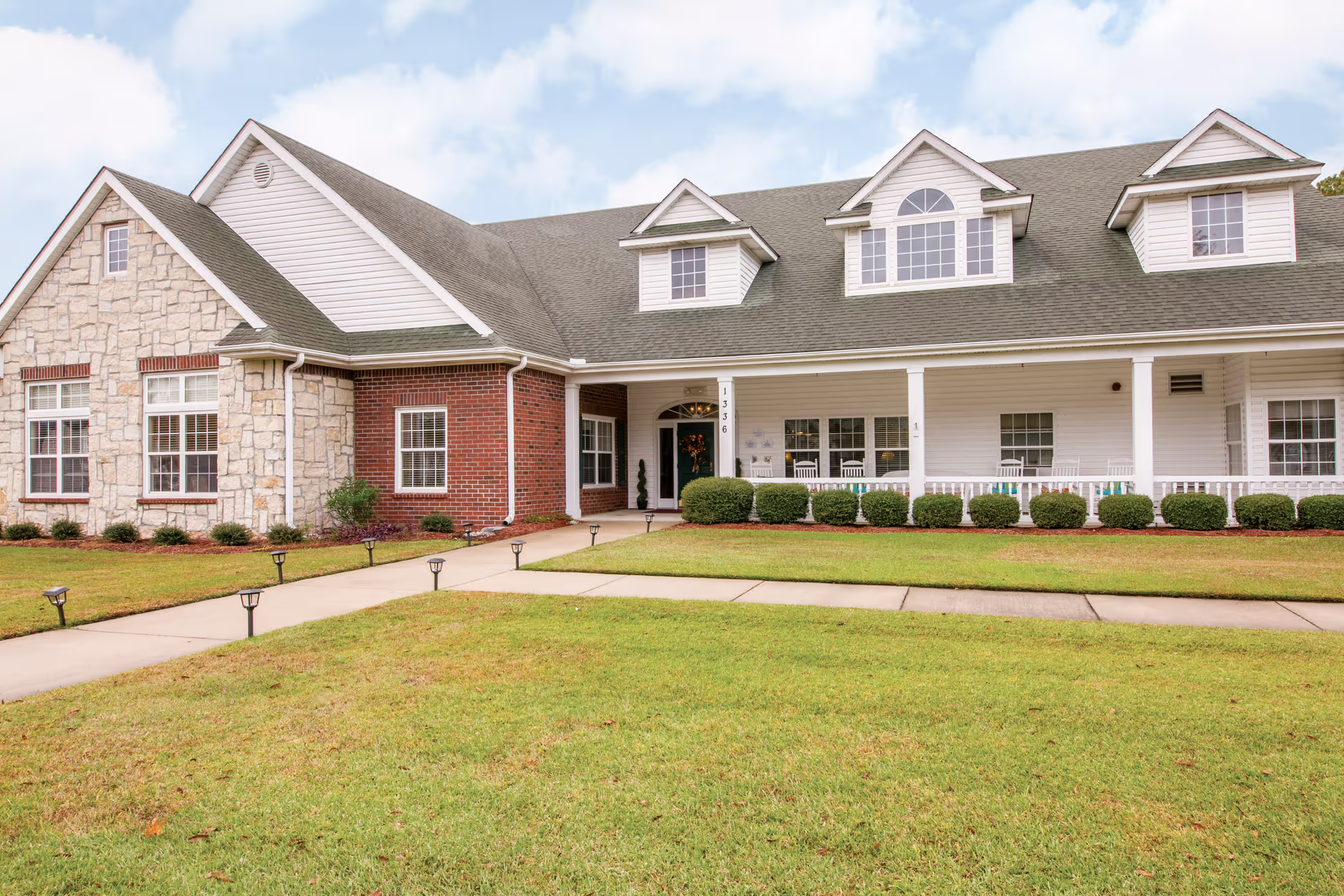
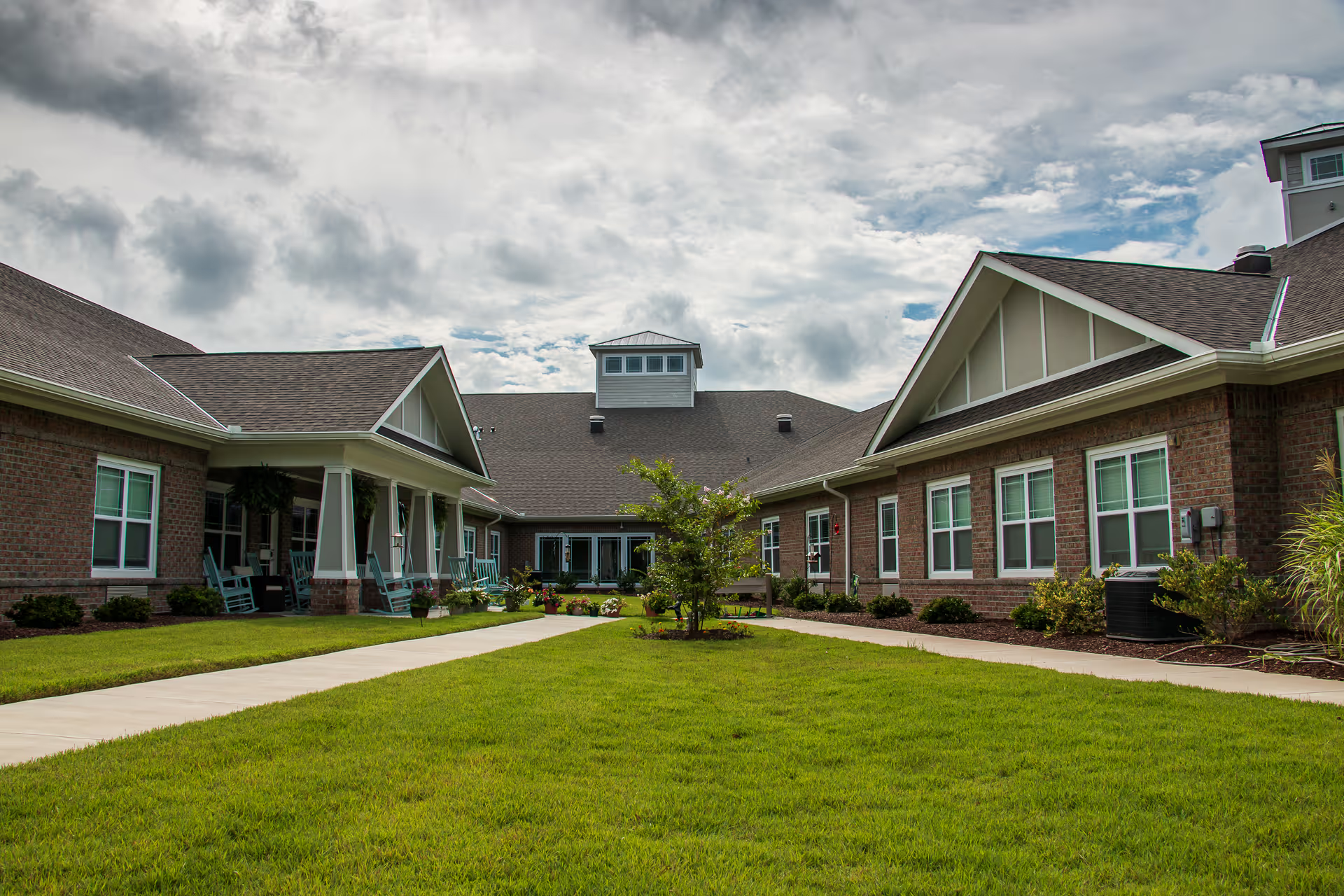
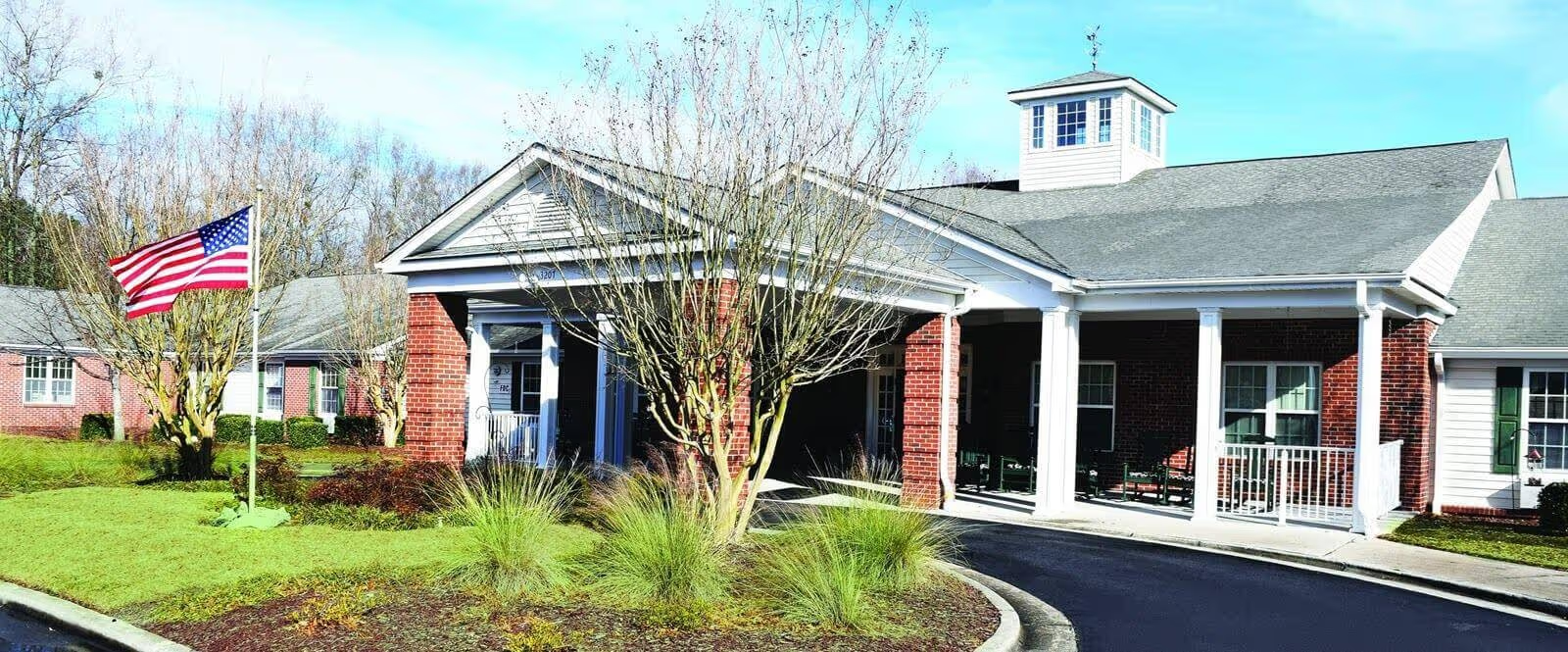
Facilities and housekeeping receive mixed but generally positive comments. Many reviewers describe the property as clean, attractive, and well maintained with comfortable room sizes and a layout that feels homey rather than institutional. At the same time, there are references to inconsistent cleanliness and occasional maintenance delays; reviewers advise confirming the current condition of common areas and individual apartments during a tour.
Concerns cluster around operations and clinical oversight. Several comments point to staffing shortages, vacant positions, and periods of understaffing that can affect responsiveness. Related to clinical care, there are serious individual allegations of medication errors and emergency care events; these raise questions about medication-management controls and clinical oversight and merit verification with the facility and public inspection records. Reviewers also mention variability in dining quality and meal service, and some describe slow problem resolution or maintenance follow-up. Admissions experiences are mixed: some families praise coordinated, helpful admissions staff, while others note inconsistent communication from admissions personnel.
Management and leadership receive mixed assessments as well. Positive notes cite professional admissions coordination and visible leaders who support a mission-driven culture; critical comments focus on transparency, timeliness of communication, and professionalism in some interactions. Value-for-cost perceptions vary — while some families feel the level of care and activities justify pricing, others question whether the operational inconsistencies align with the expected value.
For prospective residents and families: the facility offers notable strengths in memory-care programming, social engagement, and a compassionate caregiving culture, but there are operational areas worth confirming directly. Recommended topics for a visit or follow-up include current staffing ratios and vacancy status, medication-management policies and error-tracking procedures, recent state inspection results, maintenance response times, and examples of how dining quality is managed and improved. These specifics will help clarify whether the facility’s strengths align with an individual resident’s clinical and lifestyle needs.