Reviewer feedback for PruittHealth - Trent is markedly polarized. Many families and residents praise individual caregivers, therapists, and unit-level staff for compassion, attentiveness, and effective short-term rehabilitation. Physical and occupational therapy are frequently described as strong contributors to improved mobility and socialization, and several accounts highlight effective admissions and financial-assistance support that eased placement and Medicaid processes. Multiple reviewers characterized the community as family-like, with engaging activities and dedicated staff who provide heartfelt support.
Counterbalancing those positive accounts are recurring operational and clinical concerns. A consistent theme is staffing variability: reviewers cite delayed responses to call bells and basic needs, insufficient RN coverage for residents with higher acuity, and periods when coverage gaps coincide with slower emergency response. Related clinical concerns include inconsistent vital-sign monitoring, wound-care management issues, and instances of infection or hospitalization; these items suggest gaps in clinical oversight and escalation pathways that prospective families should review carefully. There are also reports raising concerns following a resident's death and accounts of delayed or unclear communication about serious clinical events.
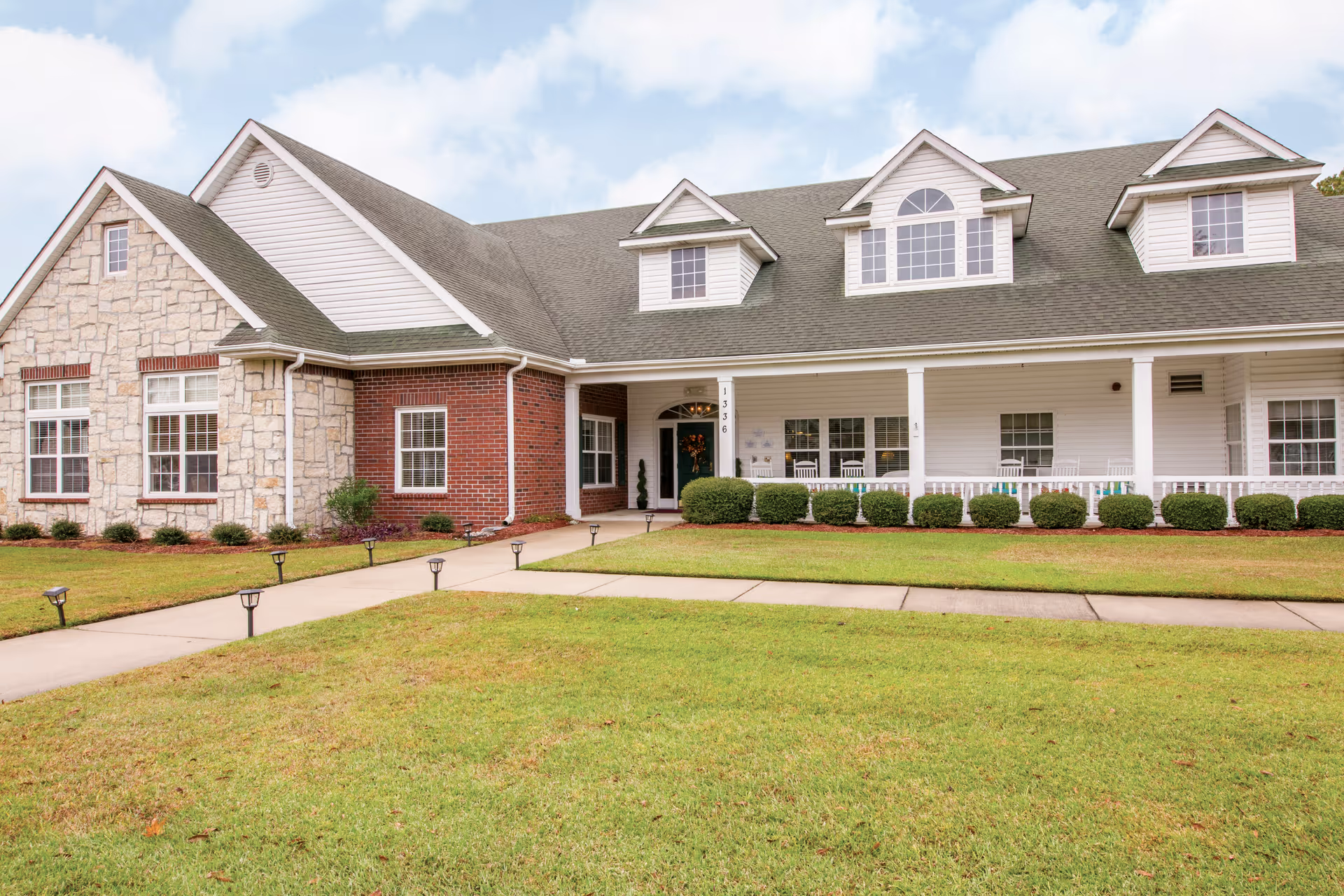
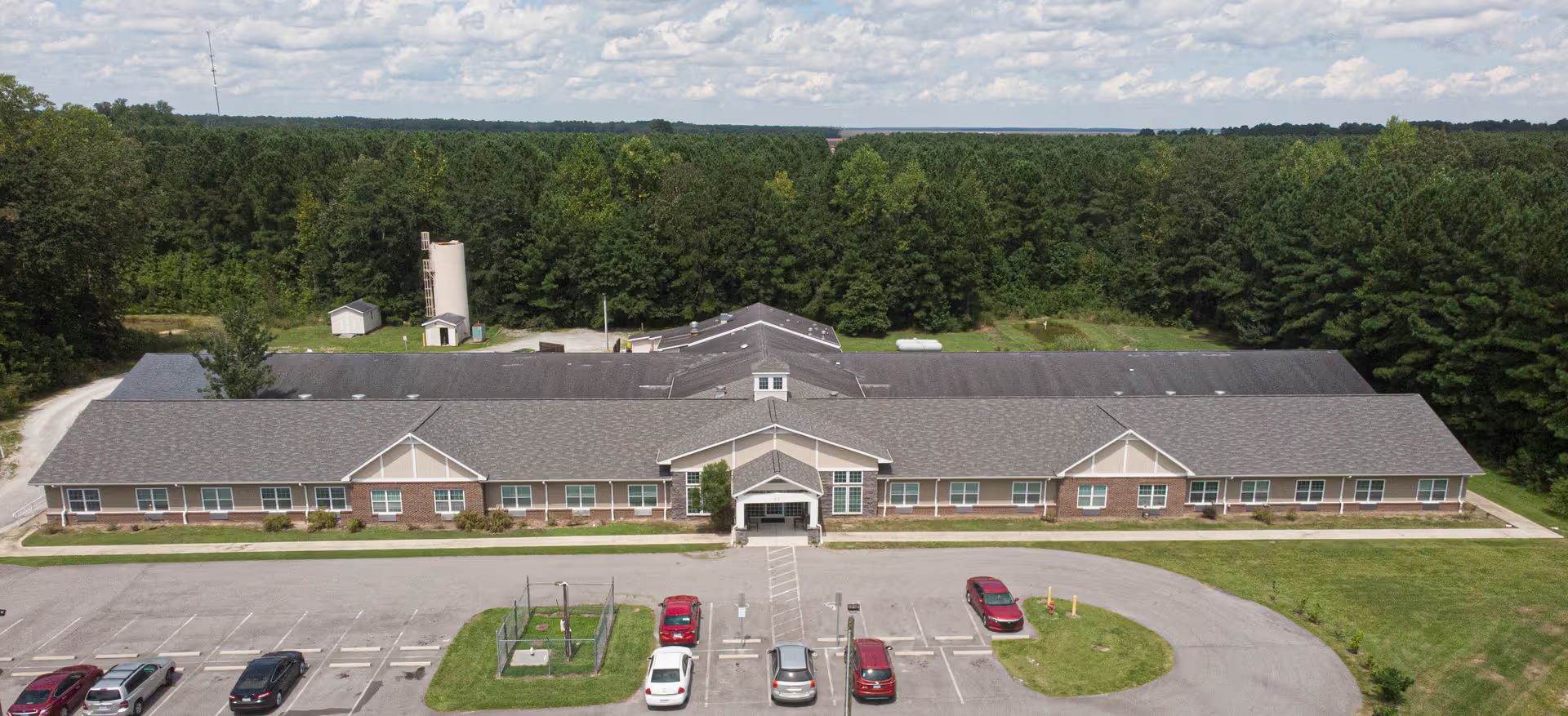
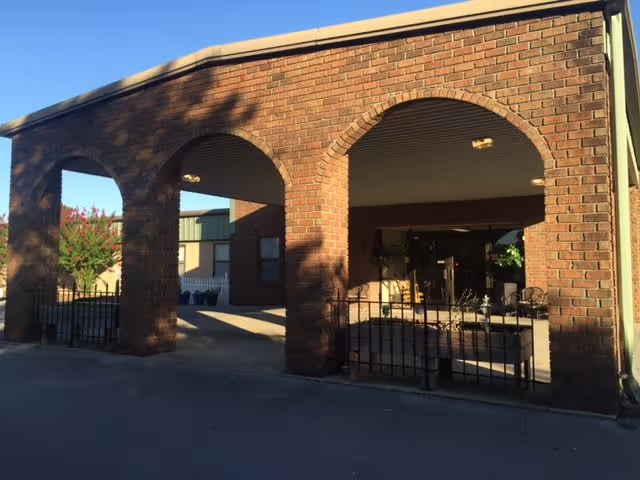
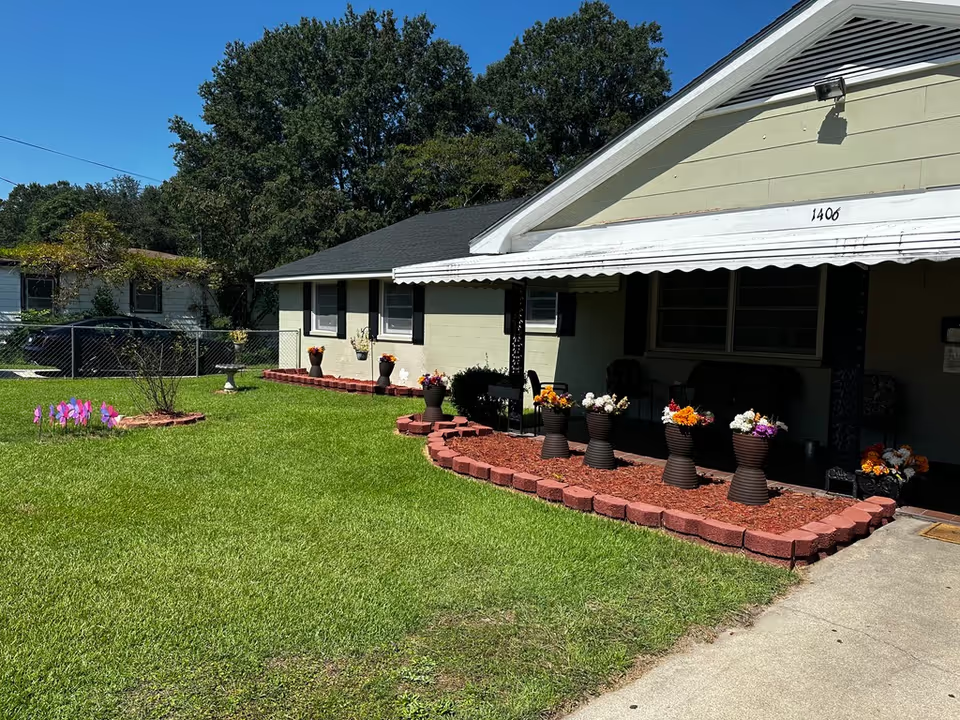
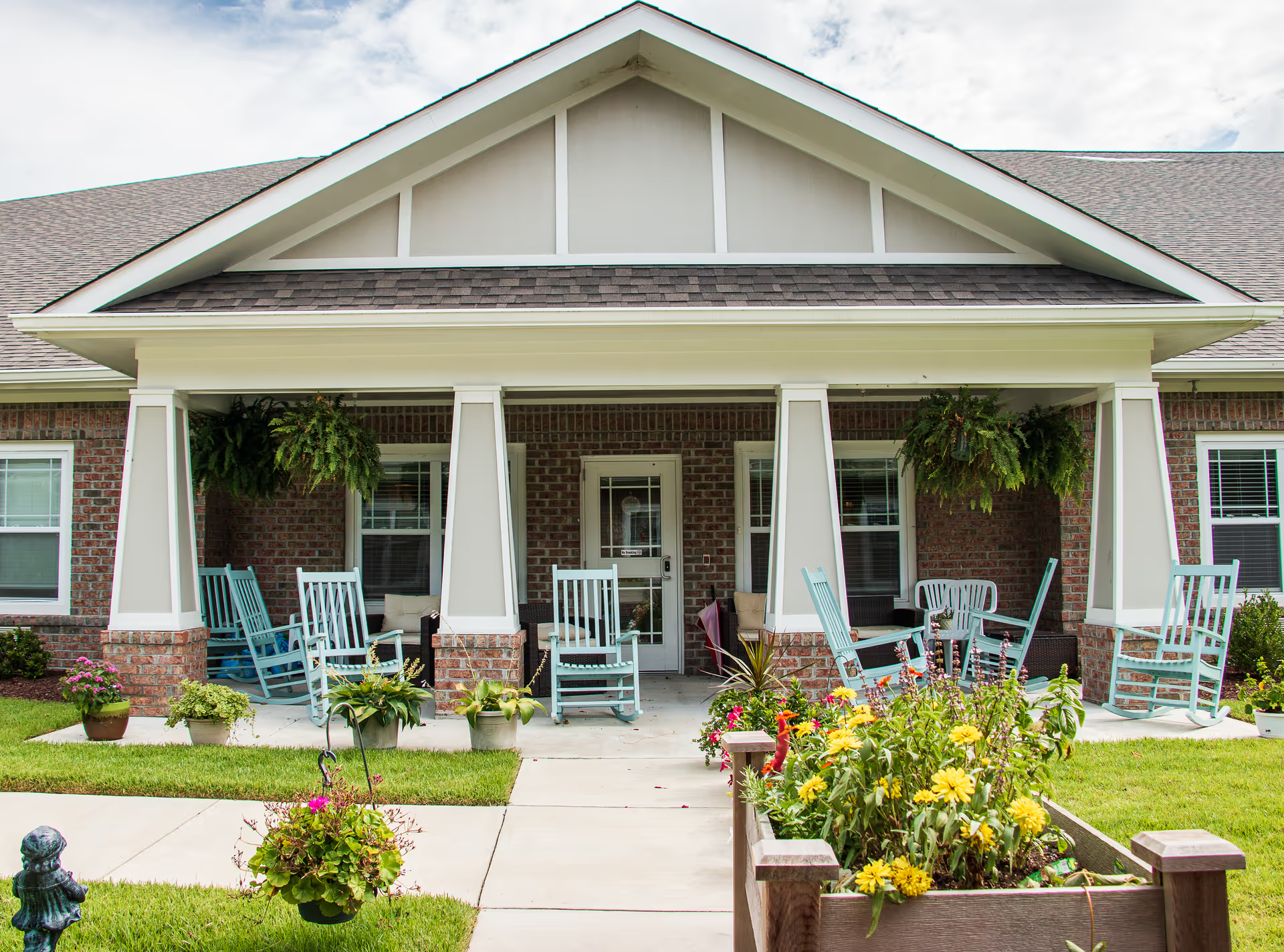
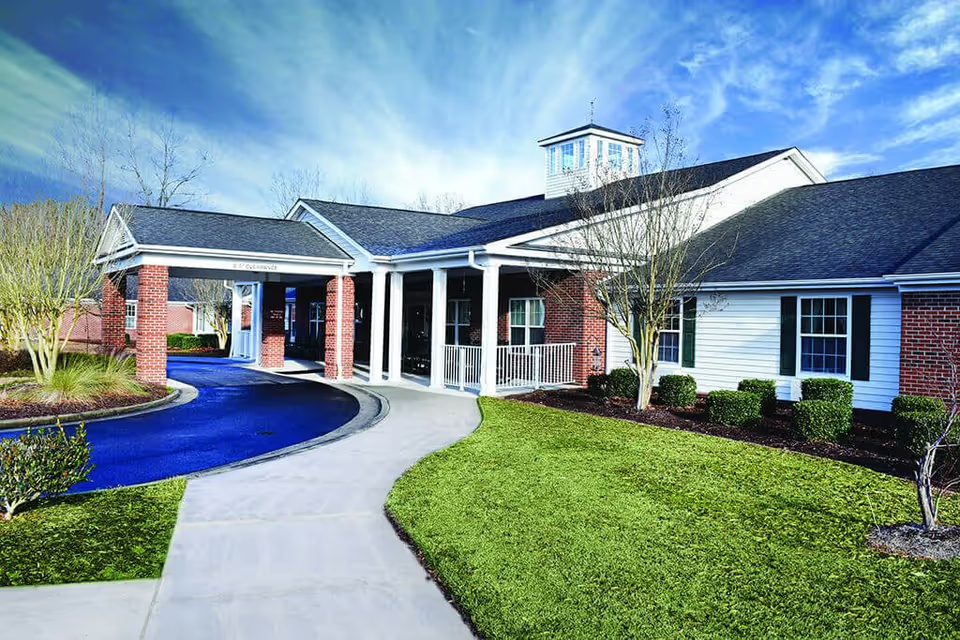
Facility condition and environmental management are another persistent area of mixed feedback. Some reviewers find first-floor rooms and public spaces acceptable, while others describe dated finishes, damaged fixtures, and sanitation concerns in parts of the building. Several comments reference pest-control issues, broken room equipment (call bells, TVs, bedside furniture), elevator reliability, and general maintenance needs. These environmental observations are often tied to perceptions of overall quality of care and should be evaluated during a tour.
Communication and administrative performance are similarly mixed. Multiple reviewers praise specific managers and administrators for responsiveness, problem solving, and hands-on assistance. At the same time, others report difficulty reaching staff by phone, slow front-desk response, inconsistent family notification about hospital transfers, and a perception that some administrative responses are dismissive. Visitation policies that tightened during infection-control periods were a source of family distress in several accounts.
Dining and daily-living services receive varied comments: some families appreciated meal delivery and staff willingness to accommodate preferences, while others noted inconsistent meal quality and limited dining-room socialization because meals were delivered to rooms. Activities programming and social opportunities were commonly cited as strengths where present.
Recommendations for prospective families: schedule an in-person tour that includes multiple units and mealtimes; ask for current staffing ratios, RN coverage patterns, clinical escalation protocols, and examples of infection-prevention procedures; request recent maintenance logs and pest-control records; and clarify visitation policies and communication procedures for out-of-state families. The facility demonstrates clear strengths in therapy and many individual caregivers, but reviewers repeatedly point to operational inconsistencies that merit direct inquiry prior to placement.