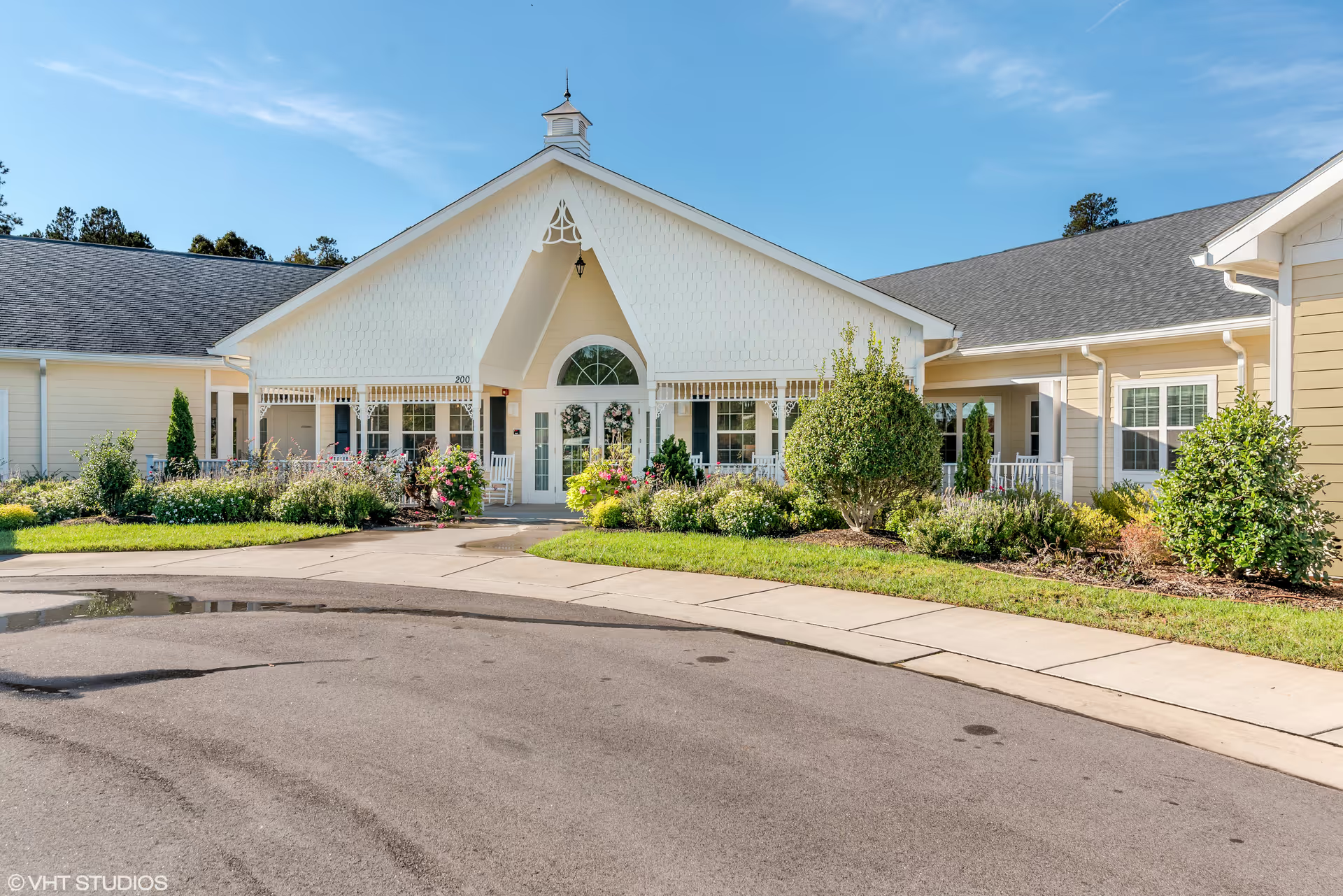
Reviews present a mixed and highly variable picture of Litchford Falls Health & Rehabilitation Center. The facility receives frequent praise for its therapy services and activity programming, while operational and clinical consistency appear to be the main areas of concern. Families describe both very positive short-term rehabilitation outcomes and instances of poor follow-through on basic care processes; prospective residents should expect that experiences may differ across units and shifts.
Care and staff: The occupational and physical therapy teams are consistently highlighted as a major strength — reviewers note tailored sessions, strong progress toward mobility goals, and therapy staff who integrate music and conversation into sessions. Many families also describe individual nurses and CNAs as compassionate, patient, and attentive. At the same time, reviewers describe inconsistent staffing levels (especially on weekends and evenings), variability in aide training and responsiveness, and concerns about medication administration and documentation. There are repeated references to delayed assistance, missed or irregular medication timing, and situations where clinical care plans were not consistently followed. Several accounts link staffing and communication lapses to adverse outcomes such as rehospitalization or pressure-related injuries.
Dining and nutrition: Dining quality is a recurring operational weakness. Common themes include cold meals, small portions, limited protein choices, very restricted menus (often only two choices), and few cardiac/diabetic menu options. Beverage availability and limited kitchen hours (kitchen reportedly closing in the evening) were also noted. While some families appreciated mealtime cleanliness and dining-area size, the inconsistency of meal service and limited menu flexibility are clear concerns for families with dietary needs.
Activities and social life: The activities program receives strong, consistent praise. Reviewers describe extensive programming — dances, themed events, family dinners, and a proactive activity director — which contributes to a lively community atmosphere and resident engagement. That said, some residents with high-care needs or who are bedbound are unable to participate fully, so activity benefit varies by clinical status.
Facilities and environment: Observations about the physical plant are mixed. Several reviewers describe clean, well-lit, and organized rooms and common areas, along with an adequate rehab room and helpful maintenance staff. Conversely, other reports point to aging infrastructure and equipment — manual or non-working beds, stained mattresses, plumbing issues, and small/shared rooms. Sanitation and pest-control concerns are mentioned in some areas, and the absence of in-room phones or limited in-room communication resources was noted as impacting family communication and resident safety.
Management and patterns: Feedback on leadership is polarized. Some reviewers credit new administration and an engaged Director of Nursing with visible improvements — faster issue response, newer equipment, and better morale. Others describe unresponsive office management, inconsistent communication about admissions and clinical events, and trust/reputation concerns including references to regulatory complaints. Infection-control practices and staff vaccination compliance were raised as worries by a subset of families, and supply shortages or inconsistent availability of basic items were cited as operational weaknesses.
Overall impression and guidance: The facility shows clear strengths in therapy services, activities, and in many cases compassionate direct-care staff. However, persistent themes around inconsistent staffing, clinical-process adherence (especially medication timing and fall response), dining limitations, and variability in cleanliness and maintenance suggest operational inconsistency. Outcomes appear to improve when families are actively involved and when recent leadership changes are in effect. Prospective residents and families should tour in person, ask specific questions about staffing levels and medication protocols, review recent state inspection and complaint history, verify dietary accommodations, and confirm infection-control practices before making placement decisions.