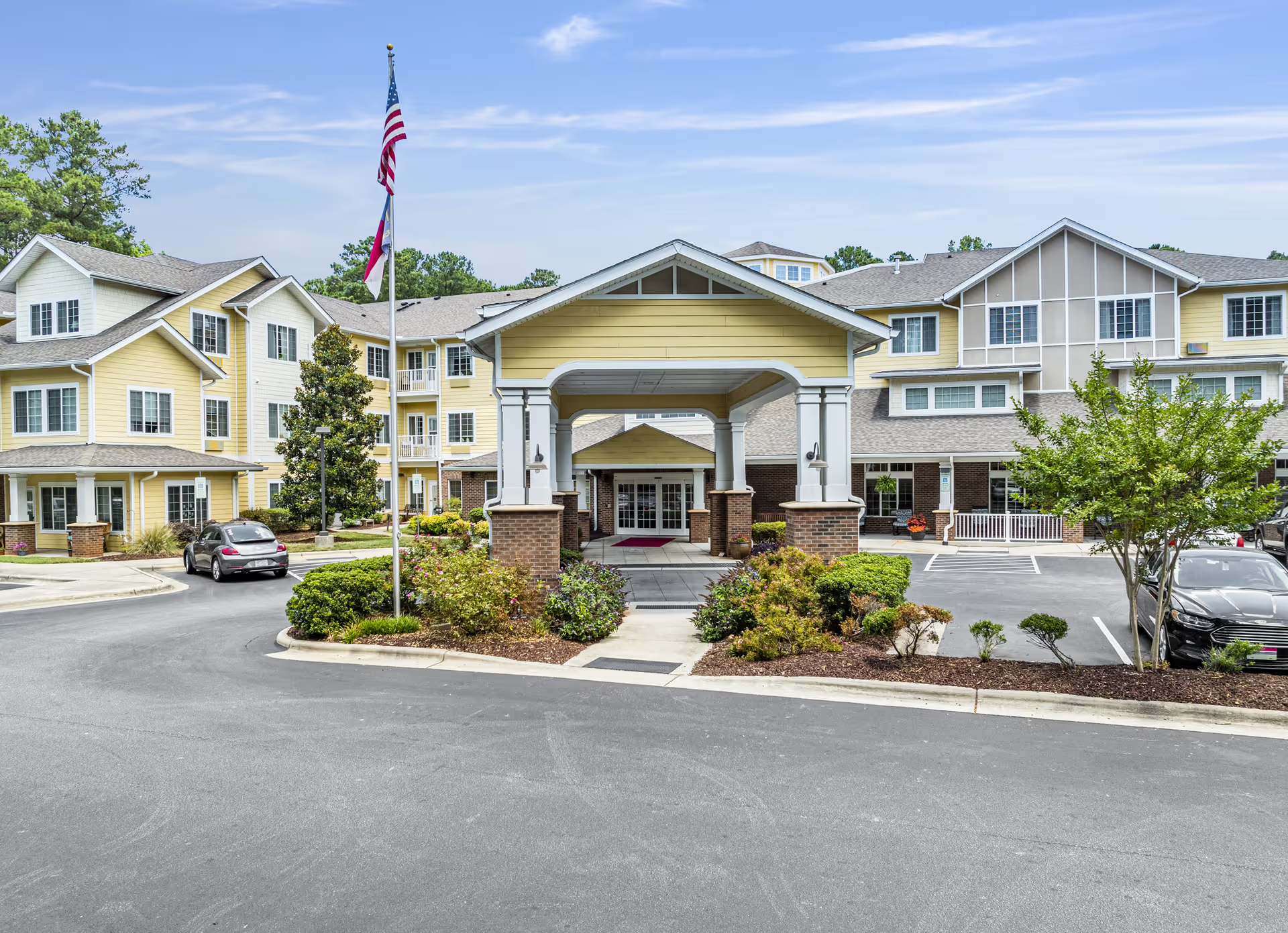
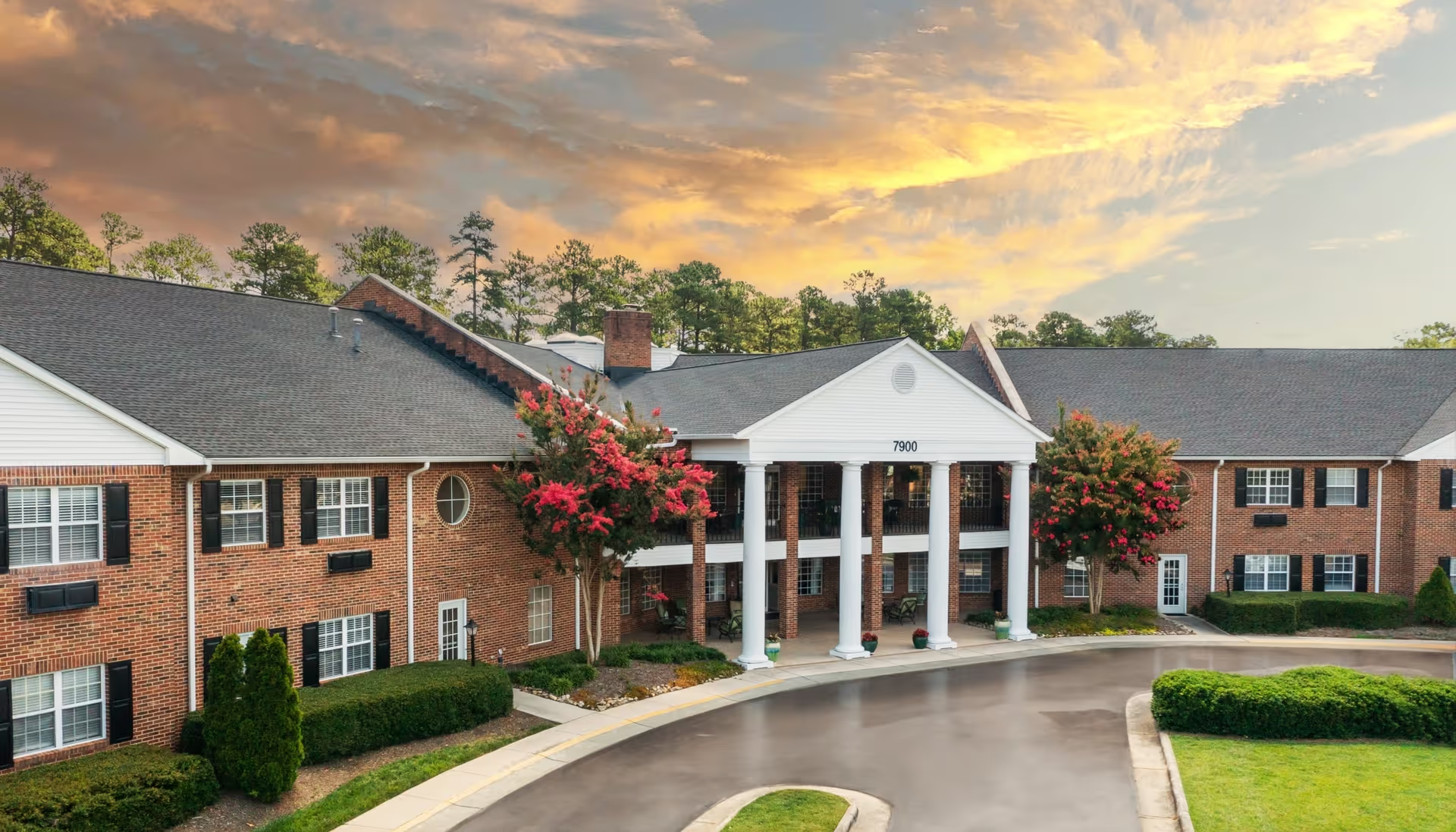
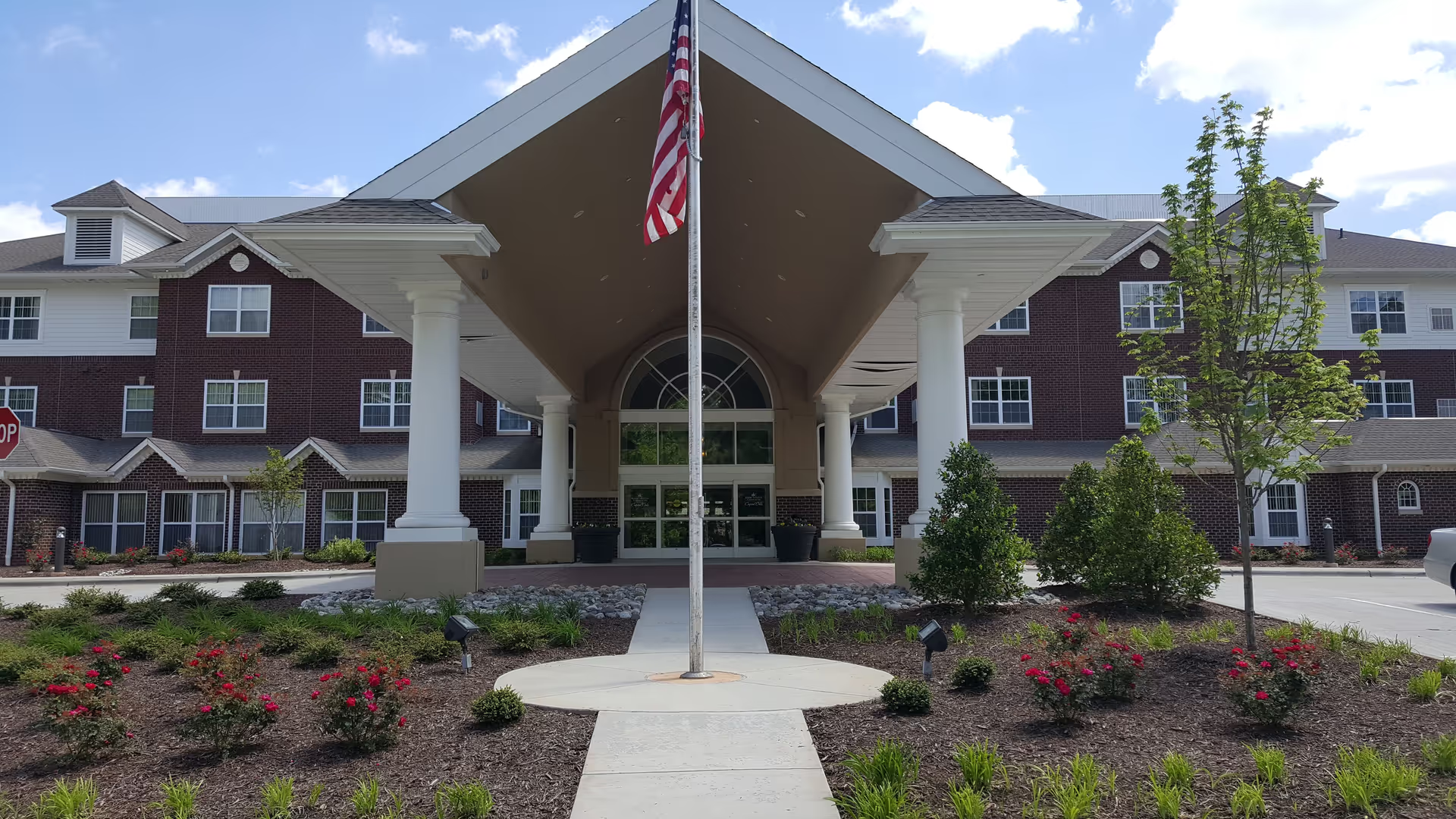
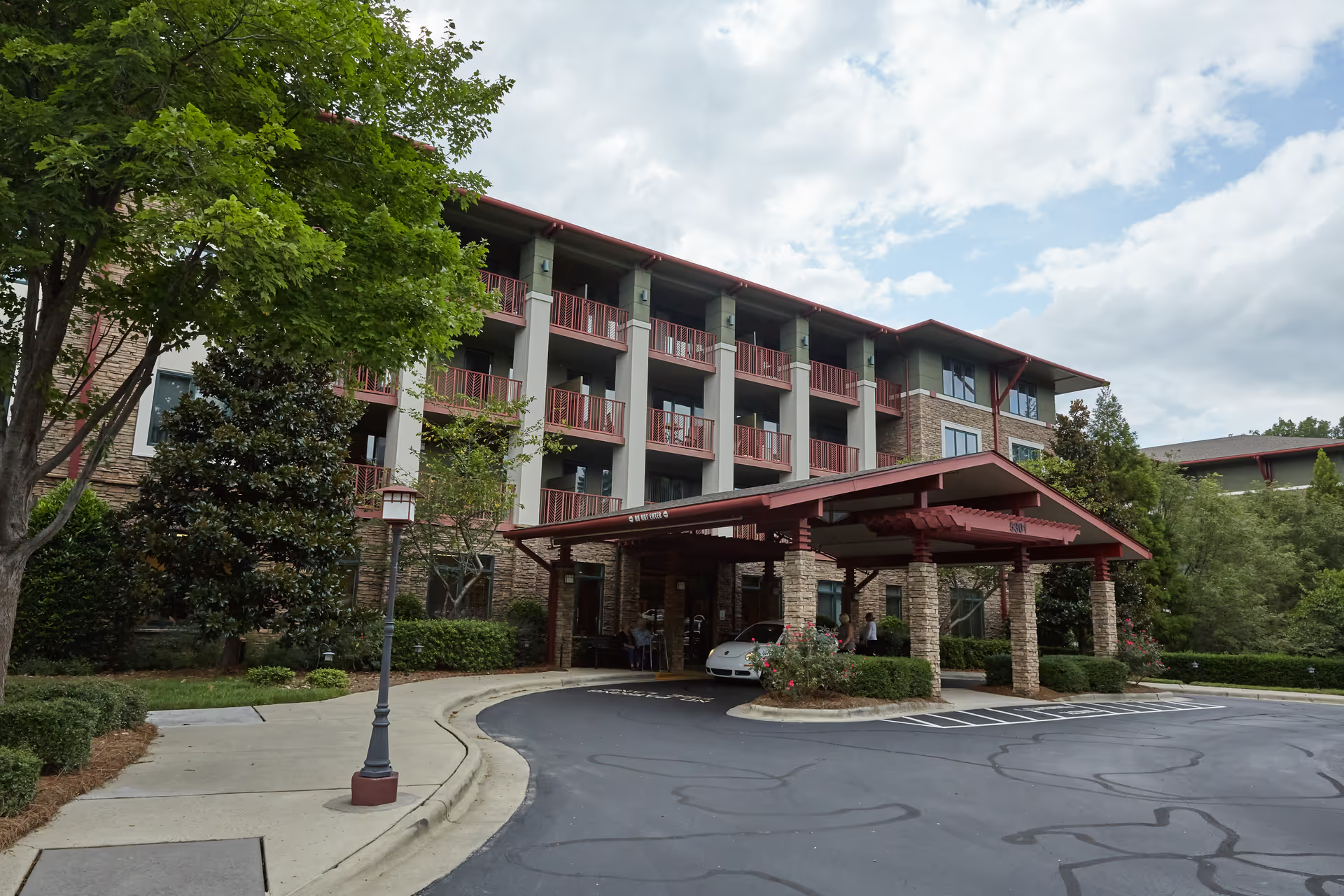
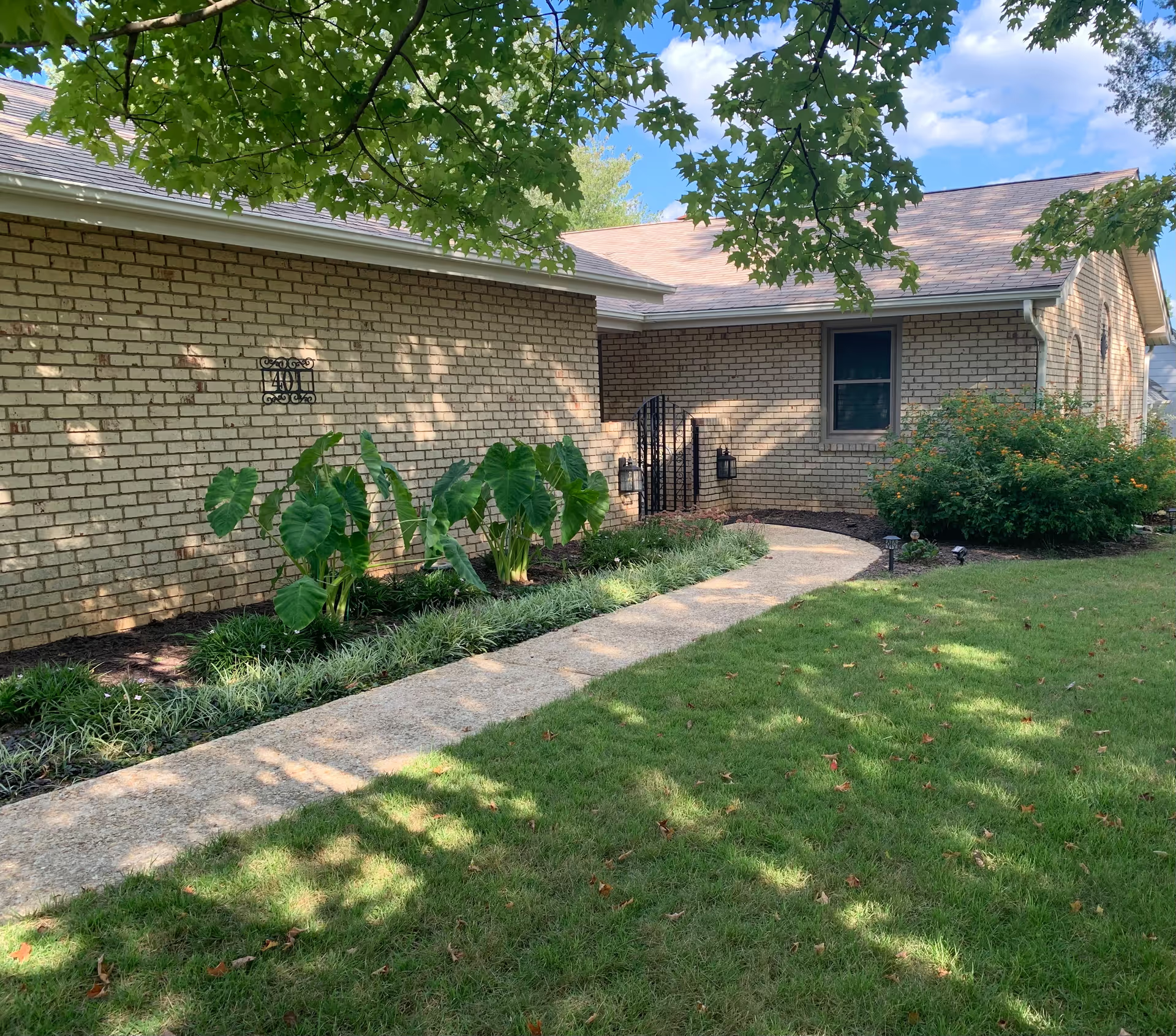
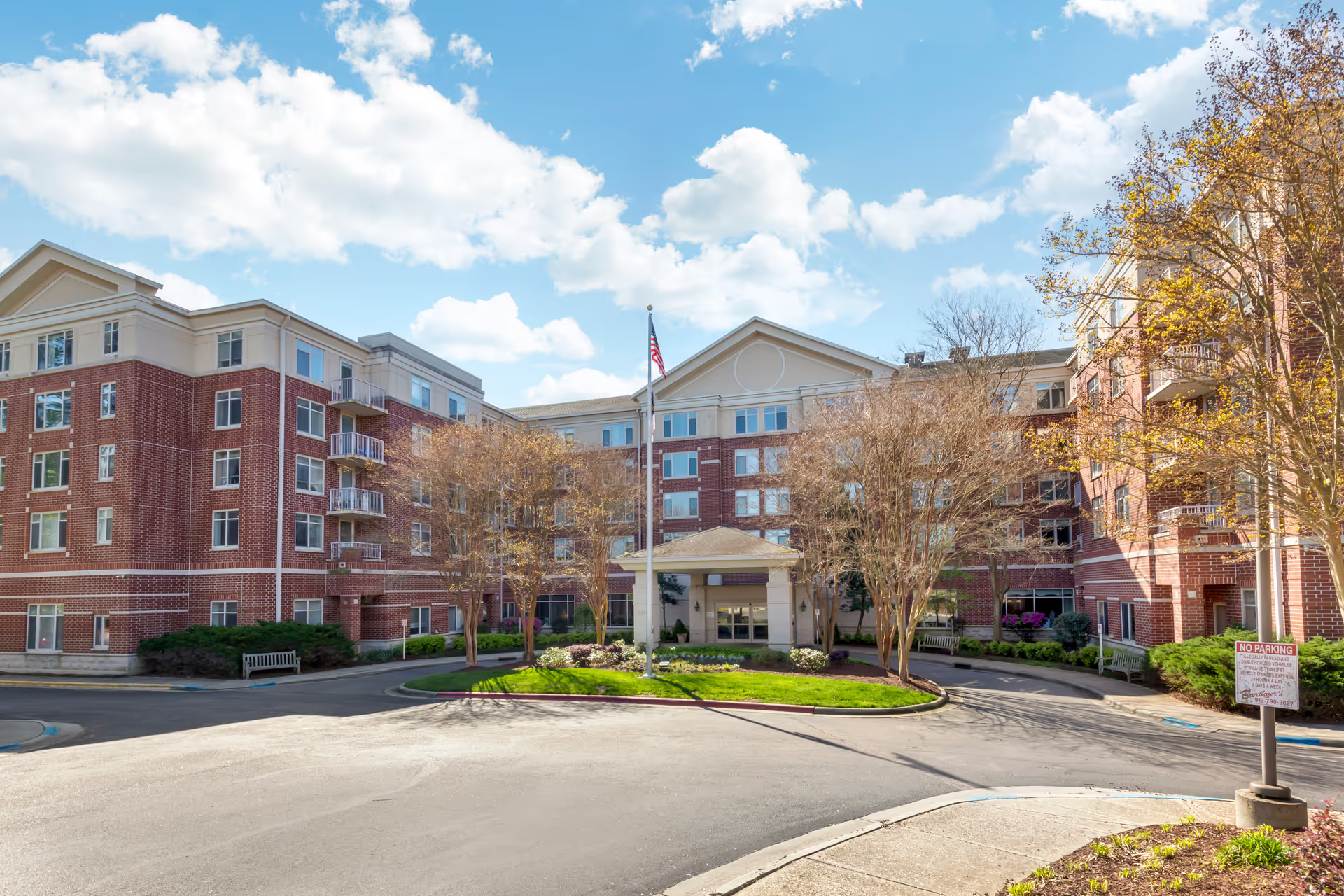
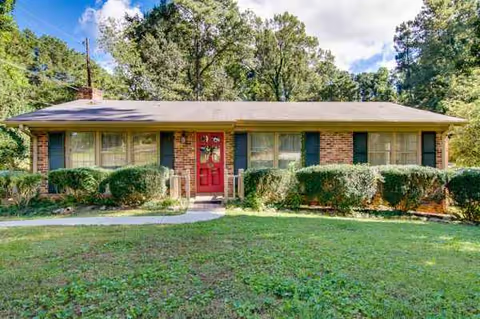
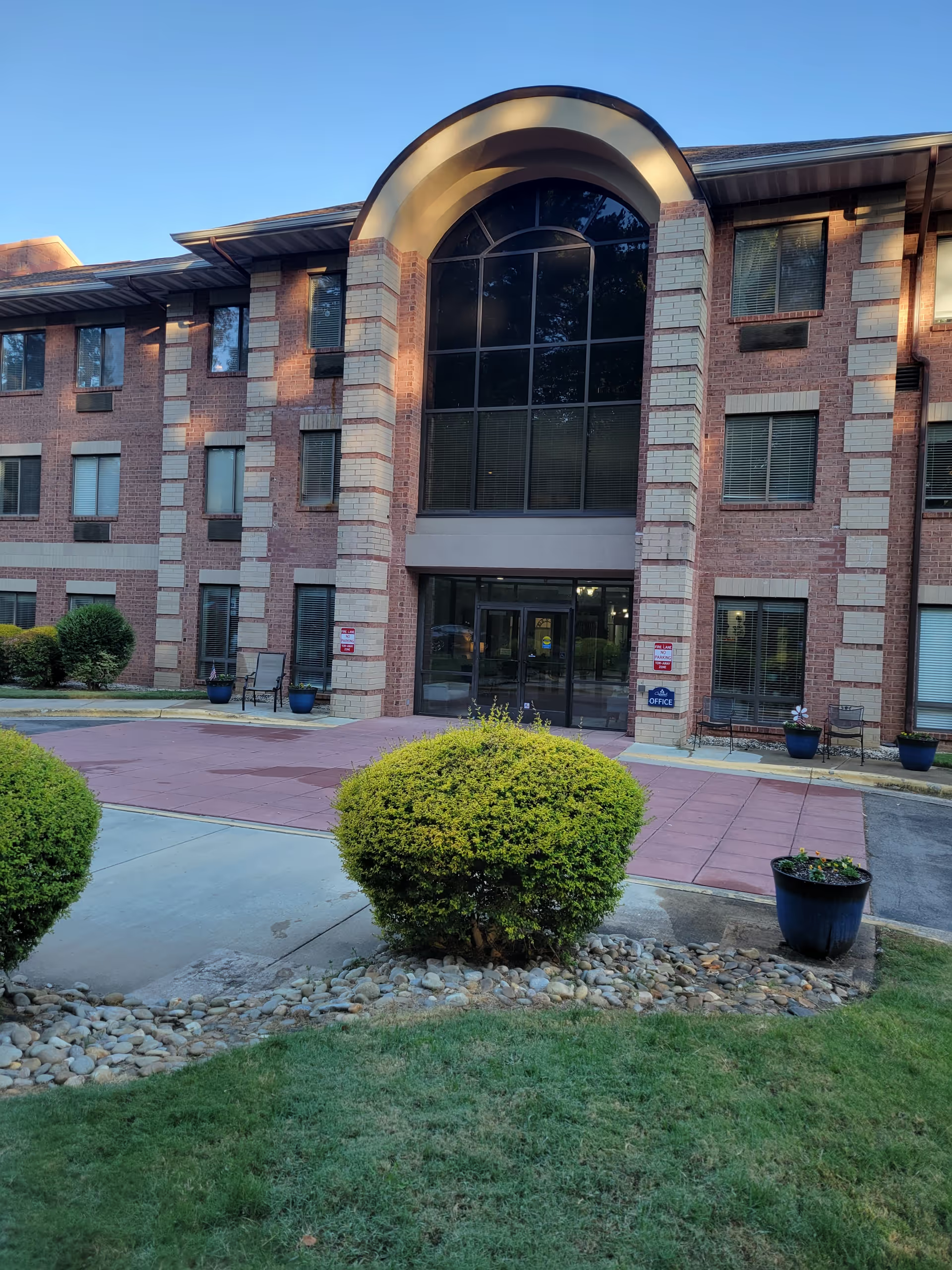
Springmoor presents as a high-end, campus-style continuing-care community with extensive grounds and amenities. The property is frequently described as attractive and well maintained: large landscaped areas, mature trees, walking paths, pools, a fitness center, library, chapel and multiple dining venues contribute to a resort-like environment. The community’s life-care model and range of service levels (independent, assisted, skilled nursing, memory care) are central selling points for families seeking continuity of care.
Direct-care staff and maintenance teams receive consistently positive comments. Reviewers highlight long-tenured, compassionate caregivers, social-work support, quick maintenance response and an overall welcoming resident atmosphere. Many families praised the independent-living move-in experience, the availability of activities and a reliable transportation program for outings and appointments. These operational strengths support an engaged community environment and a sense of security for residents.
However, several patterns of concern appear concentrated in the health-care side of the campus. Families described uneven clinical oversight and coordination in the skilled/health center, including short-notice transfers, inconsistent adherence to individualized care plans, and variability in documentation. These patterns suggest gaps in clinical-process controls and supervision that can affect transitions of care and end-of-life planning. The health-center experience appears less consistent than the independent-living side of the campus.
Operationally, reviewers noted staffing pressures that sometimes result in slower responsiveness and variable execution of routine personal-care tasks. Communication with families during clinical incidents or care transitions is another recurring concern: advance notice, clarity of explanations, and follow-up have been described as inconsistent. Management-level accountability and leadership consistency were flagged as an area for improvement, particularly with regard to the health center’s administration and cross-department coordination.
Dining and facilities are generally strengths but show variability. The campus offers multiple dining options and many reviewers found the food satisfactory, though not gourmet. Others reported inconsistent meal quality, occasional over-seasoning and some food-safety worries. Facility maintenance and equipment reliability also showed mixed signals: while maintenance responsiveness is commended, there are isolated infrastructure reliability issues (for example, elevator interruptions and other building repairs) and some parts of the campus reflect older construction with smaller apartment footprints. The campus layout — with buildings separated by a busy roadway — raises practical safety and access questions for families concerned about ease of movement between buildings.
Cost is a clear consideration: monthly fees are substantial and there are meaningful entry or waitlist fees. Prospective residents should weigh the community’s amenities and life-care guarantees against the financial commitment. For families considering Springmoor, recommended due diligence includes asking for recent staffing ratios and turnover data, specifics on clinical oversight in the skilled-care unit, copies of care-plan audit practices, food-safety and pest-control logs, maintenance and elevator service records, visitation and emergency-transfer protocols, and a clear explanation of all entrance and waiting-list fees. Touring both independent-living and health-center areas, speaking with social-work staff, and requesting references from current families in the same level of care will help clarify whether the community’s strengths align with a prospective resident’s needs.