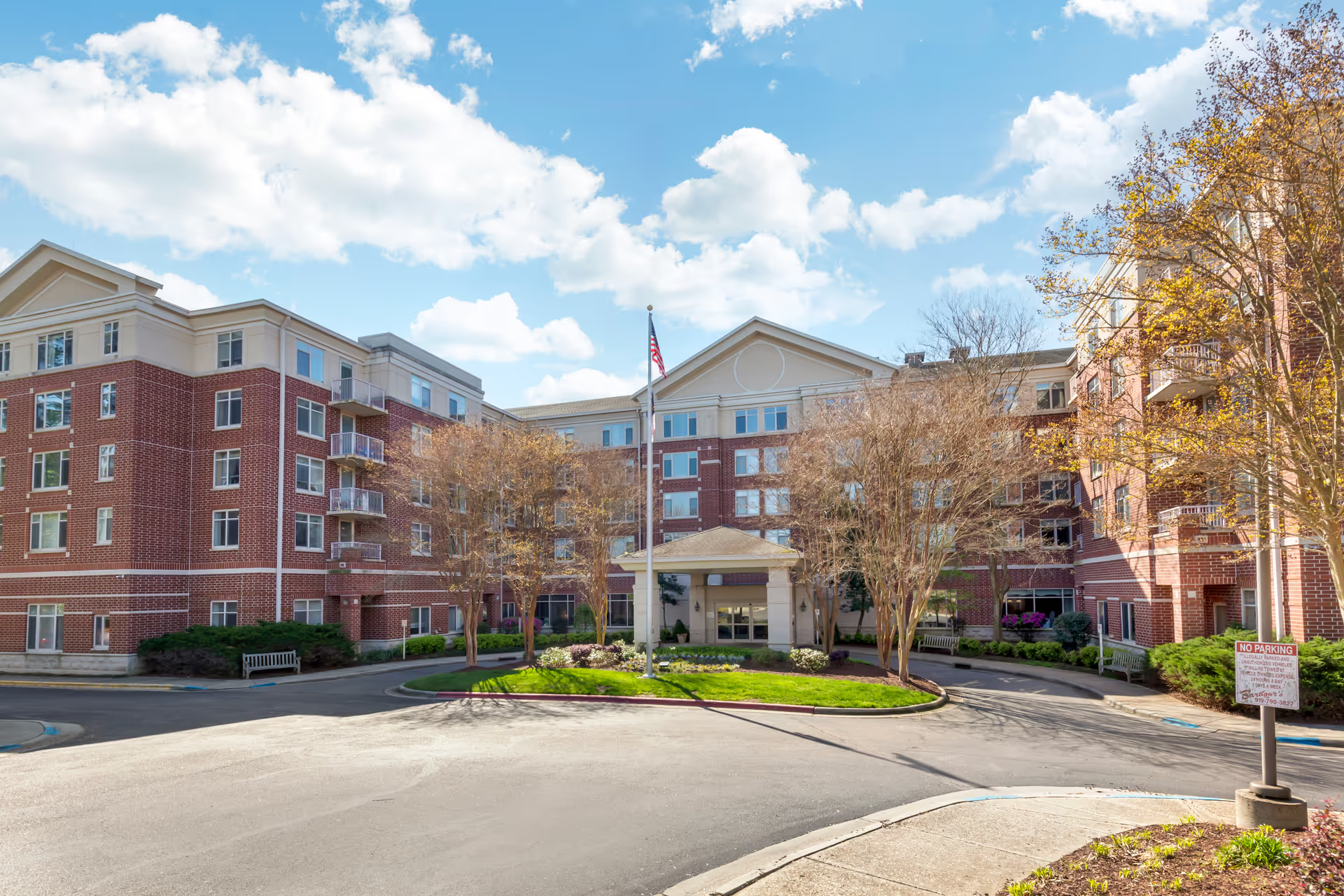
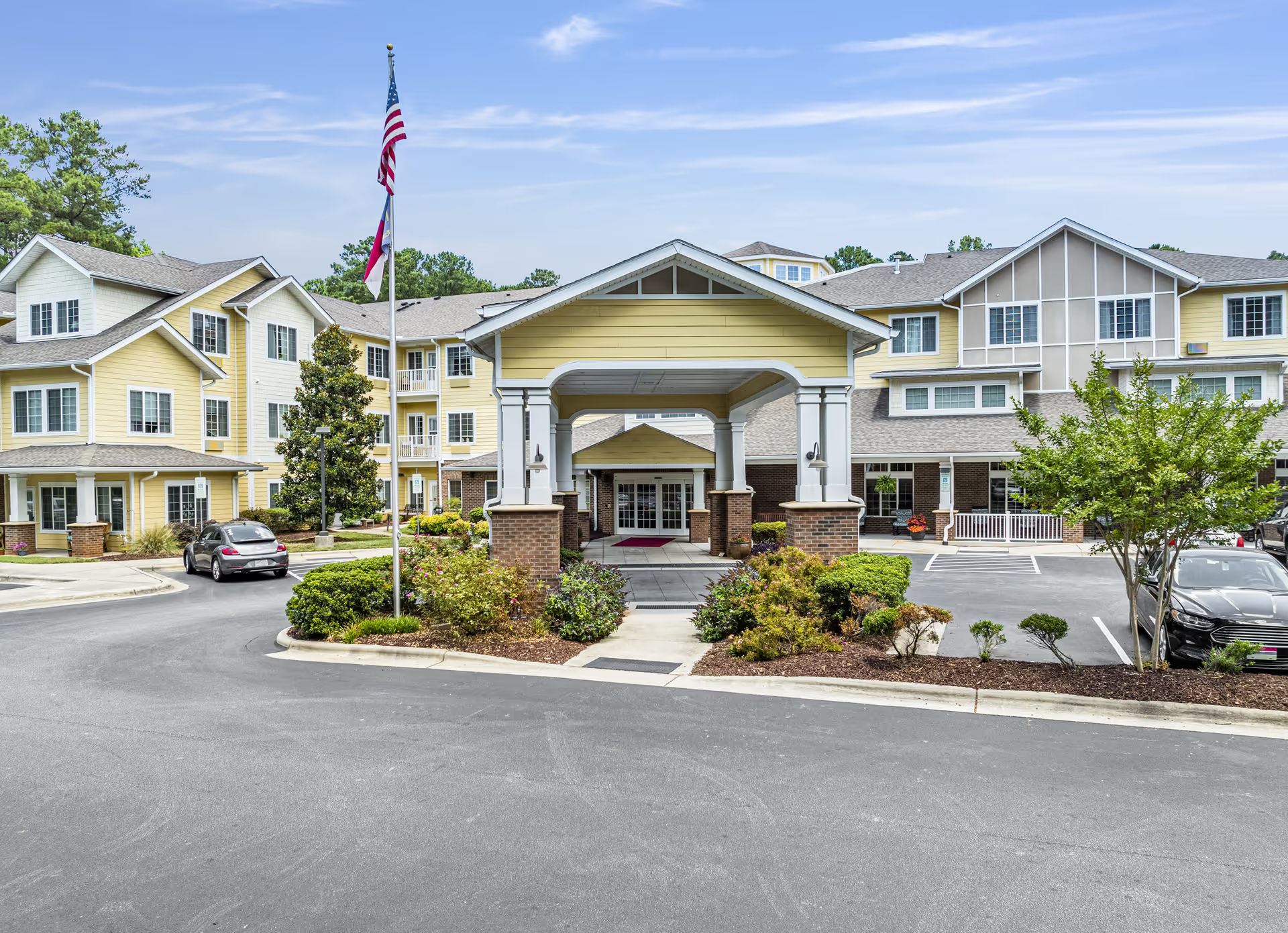
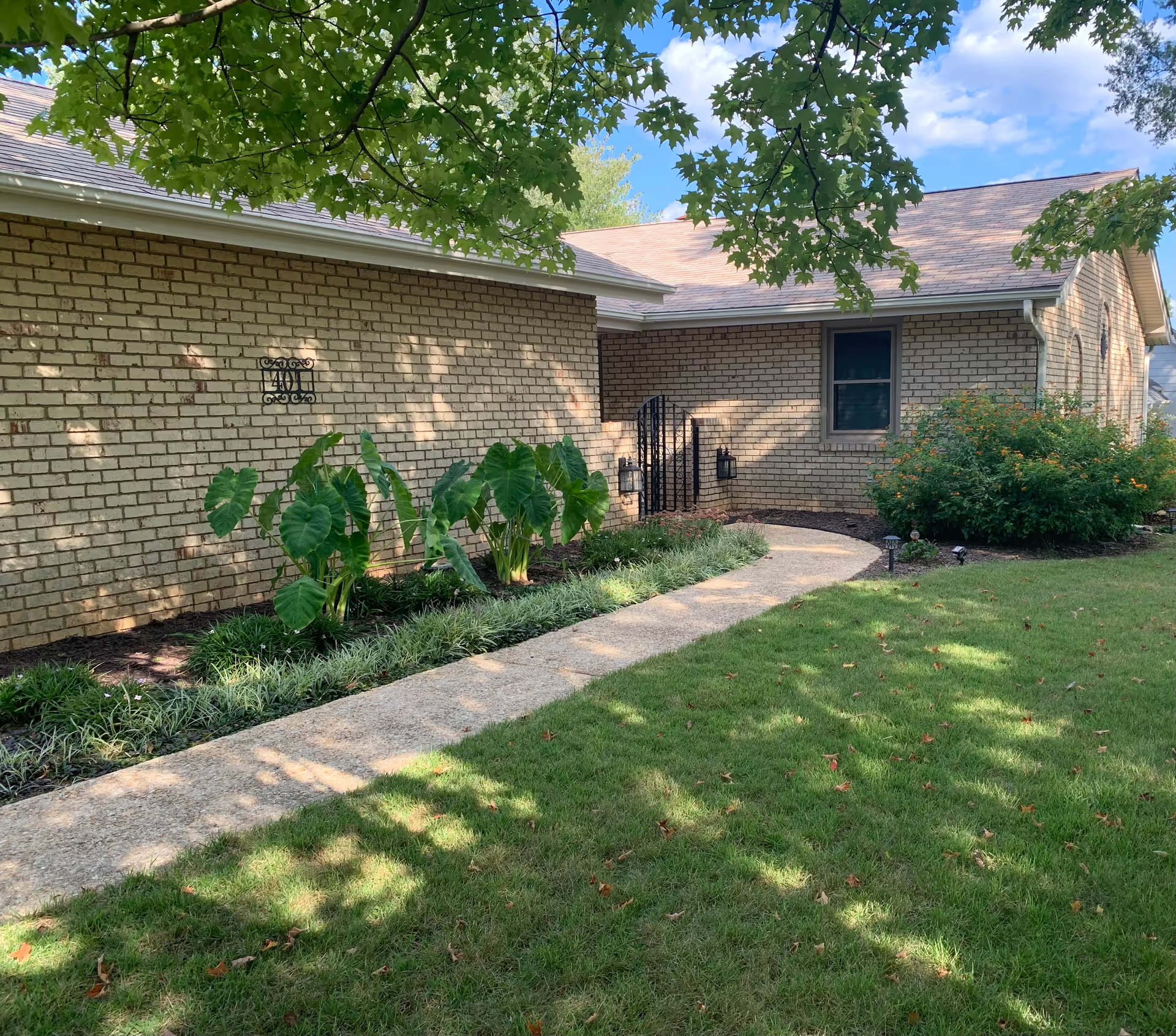
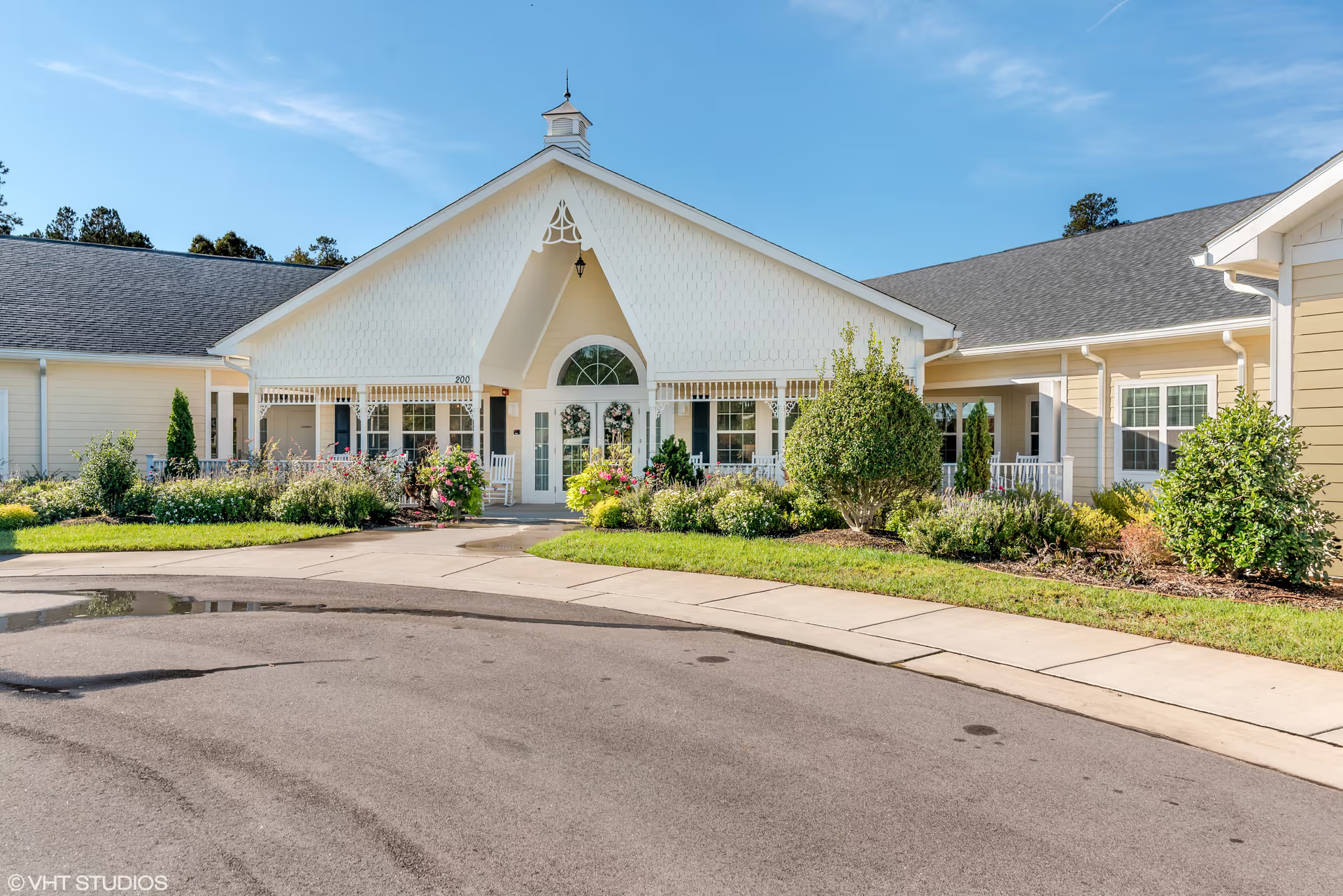
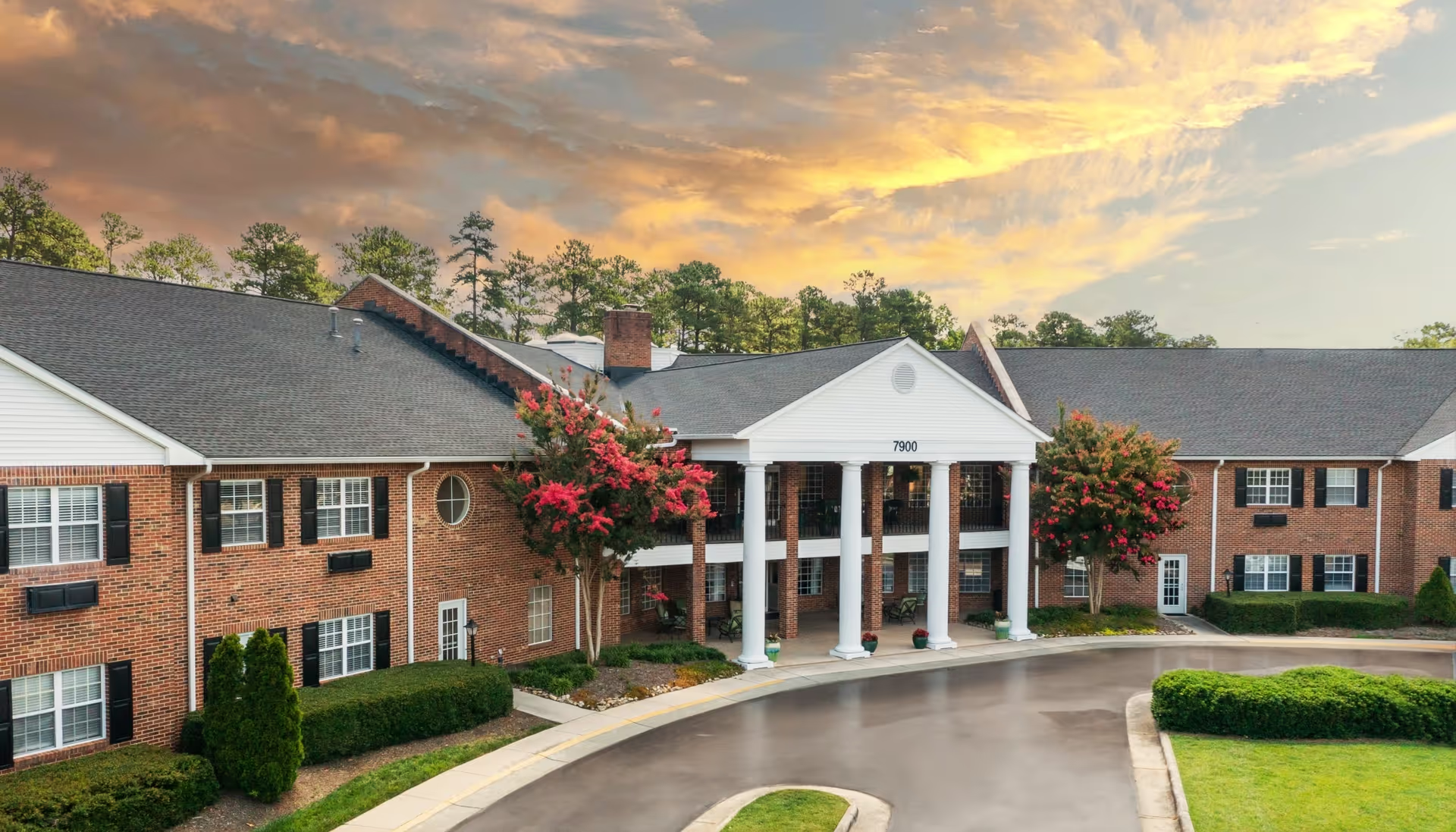
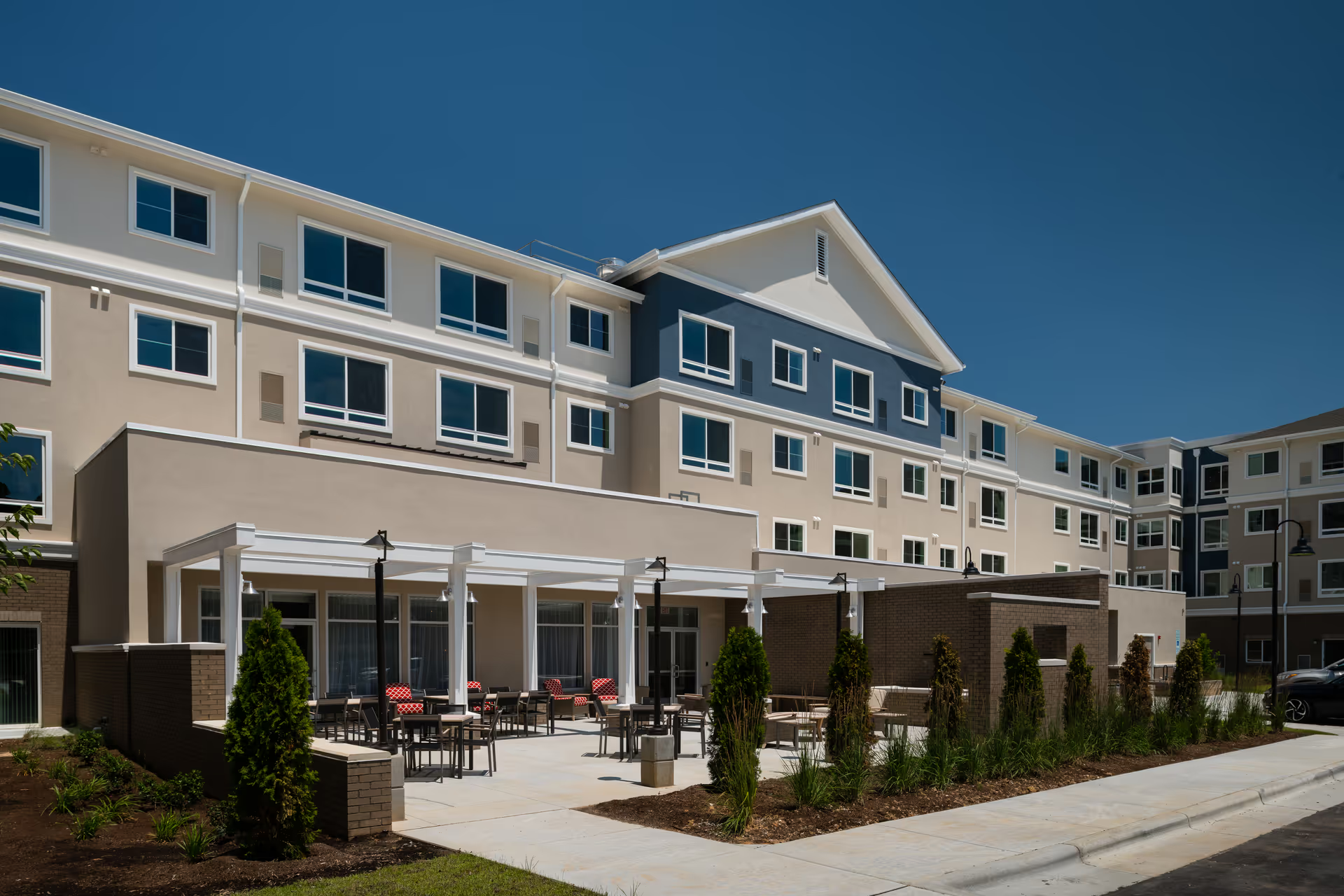
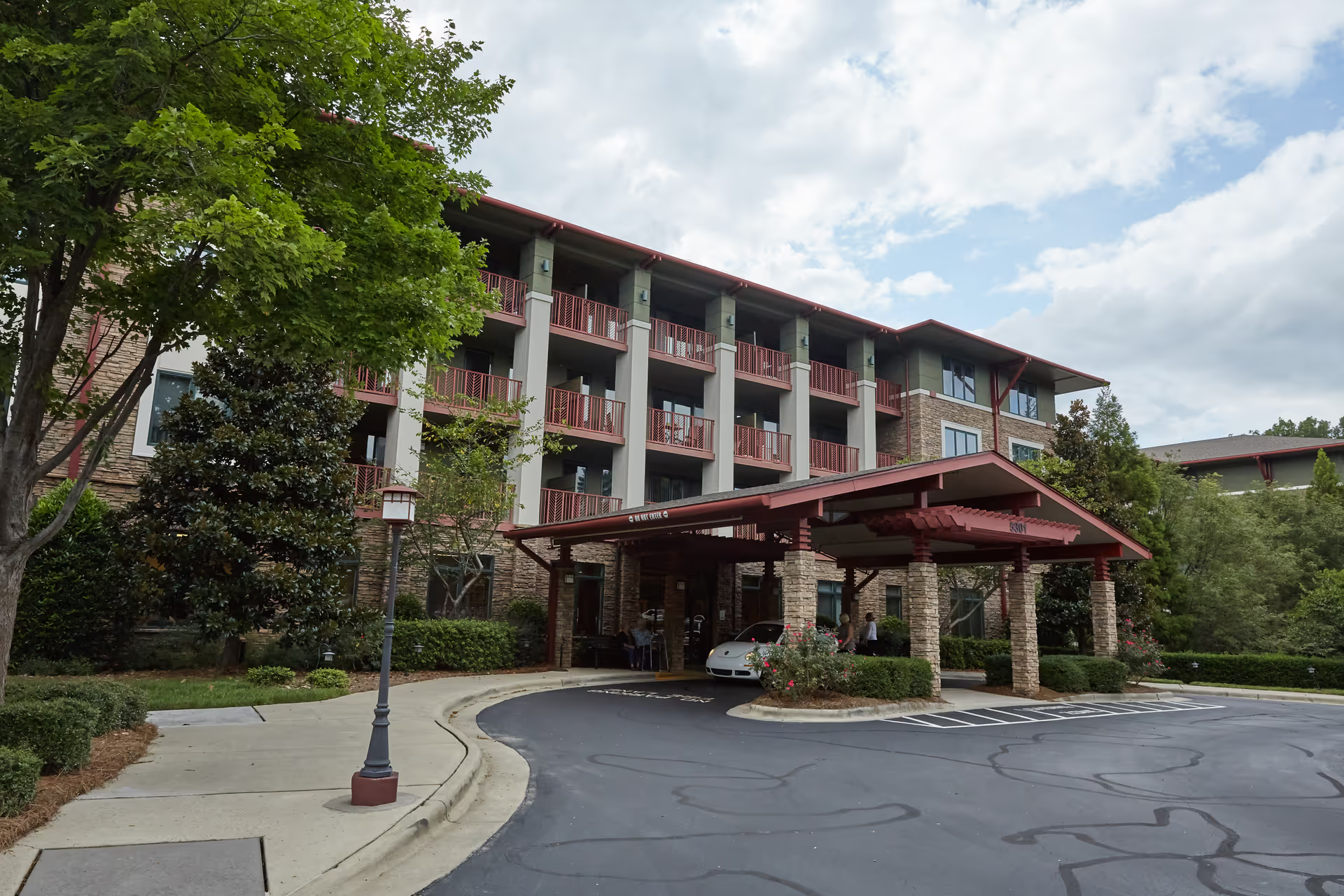
TerraBella Northridge elicits strongly mixed feedback: many families and residents praise the frontline staff, activities, and recent capital improvements, while a significant set of operational concerns recurs across reviews. The facility is commonly described as having caring, personable caregivers and committed activity leadership; several reviewers cited specific staff members and the admissions team as helpful and reassuring. Renovations, bright common spaces, a walking loop and courtyard, an organized dining room, and on-site therapy and medical services are repeatedly listed among the community's strengths.
Care quality is uneven in practice. Positive notes include attentive CNAs, proactive med-techs, and systems such as medication notifications and pendant call-bell improvements. At the same time, multiple accounts indicate delays and lapses in basic personal care (timely bathing, oral care, incontinence-related assistance), occasional medication-management issues, and variability in clinical oversight. There are also repeated concerns about fall-response protocols and delays in emergency assistance. While some families experienced reliable, high-quality clinical follow-up, others described serious care-communication gaps and concerns following a resident's death.
Dining and activities are a comparative strength for many residents. The community offers restaurant-style dining with an identified culinary leadership and a broad calendar of activities (church services, art, music, outings, and themed events). The activities program and its leadership receive frequent praise for engagement and creativity. However, reviewers also describe variability in meal quality over time and occasional staffing disruptions that affect both dining and programming, with memory-care residents in particular reporting less consistent engagement.
Facility condition and infection control show a split picture. Renovation projects and brightened interiors have improved many common areas, and numerous reviews describe the environment as clean and pleasant. Conversely, reviewers also cite ongoing maintenance disruptions, occasional odor concerns in some units, pest-control issues, and inconsistencies in housekeeping and laundry services. Several reviewers raised specific worries about infection-control practices during outbreaks and about supply availability on certain units.
Management and administration receive mixed marks. Many families compliment the admissions staff and individual leaders who provide clear, compassionate guidance; others describe slow or form-letter responses, inconsistent follow-through on promised reassessments, difficulty reaching administrators by phone, and disputes over billing or refundable holding fees. Communication breakdowns—both routine updates and incident reporting—emerge as a frequent operational weakness. A pattern emerges in which strong, dedicated frontline employees produce good day-to-day experiences for many residents, while organizational-level issues (staffing, housekeeping, infection control, and administrative transparency) create variability in outcomes.
For prospective families: an on-site visit and targeted questions are important. Ask about current staffing ratios and turnover, average response time to call bells, fall and emergency protocols, infection-control and pest-management procedures, laundry and housekeeping schedules, medication-administration policies, billing/refund terms, and how memory-care programming is structured and staffed. Meet nursing leadership and the activities director, observe the memory-care unit during a typical day, and request recent inspection or infection-control reports if available. These steps will help clarify whether the facility's many noted strengths are consistent with your loved one’s needs and whether the operational gaps identified in reviews have been addressed.