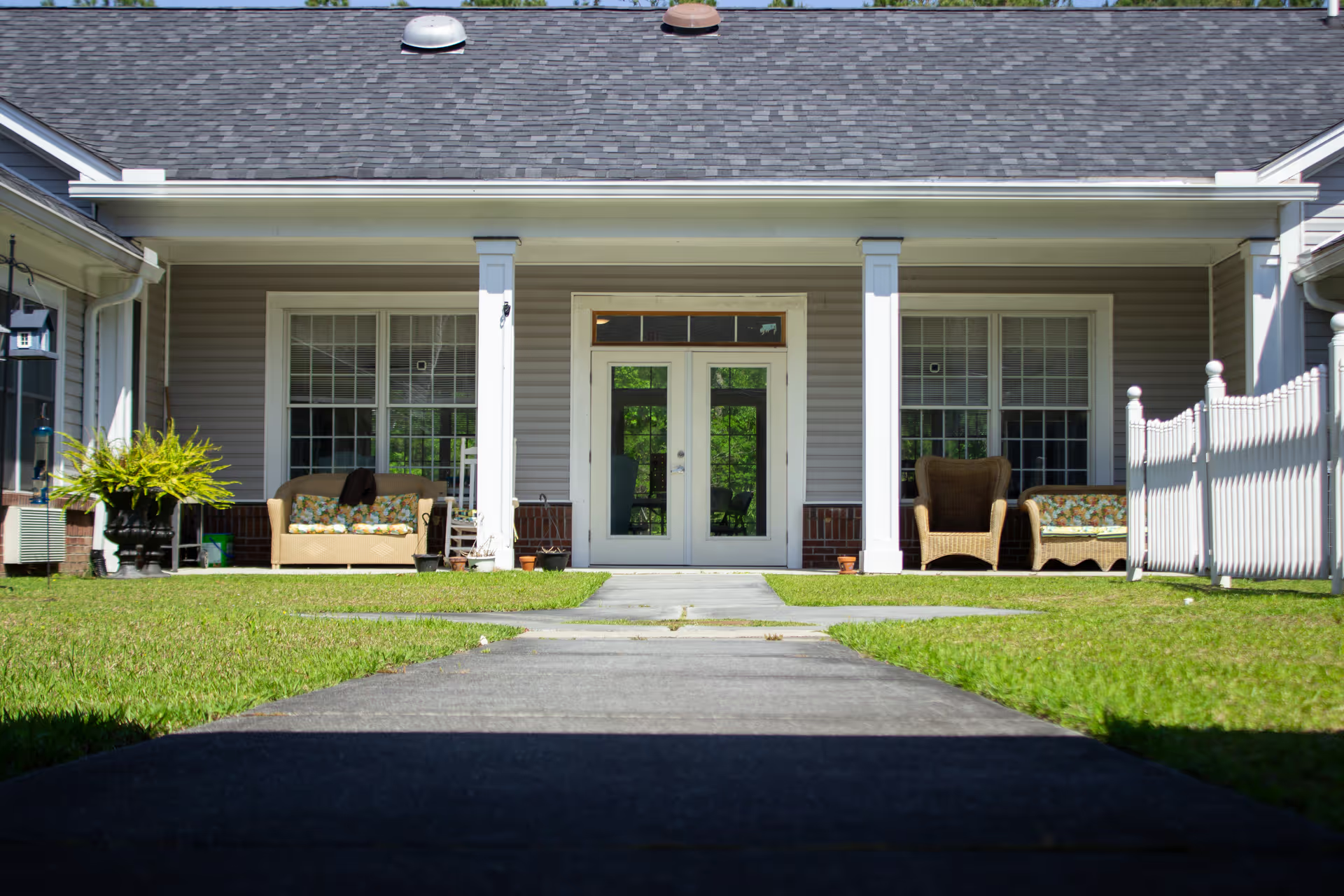
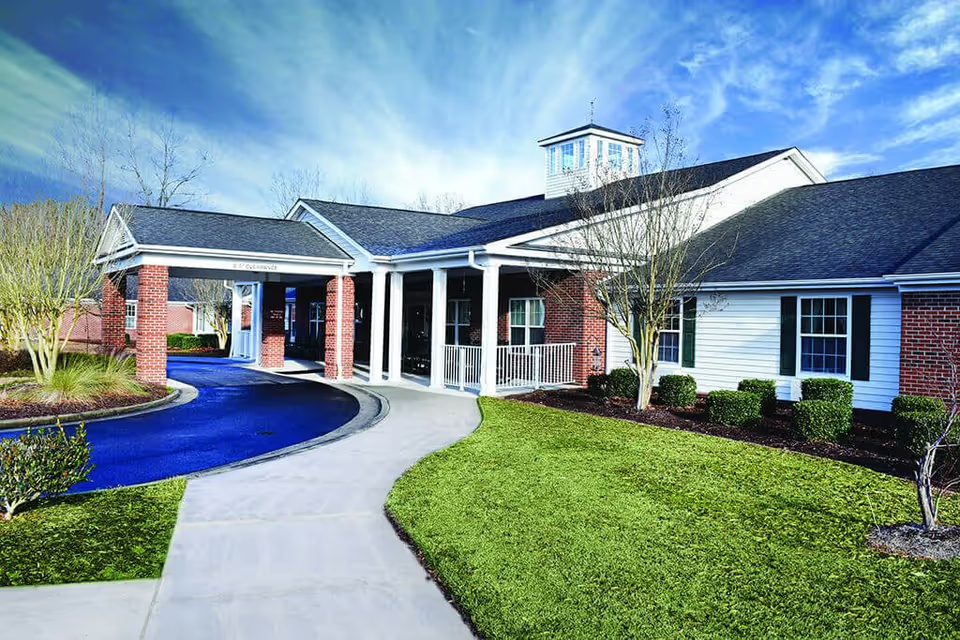
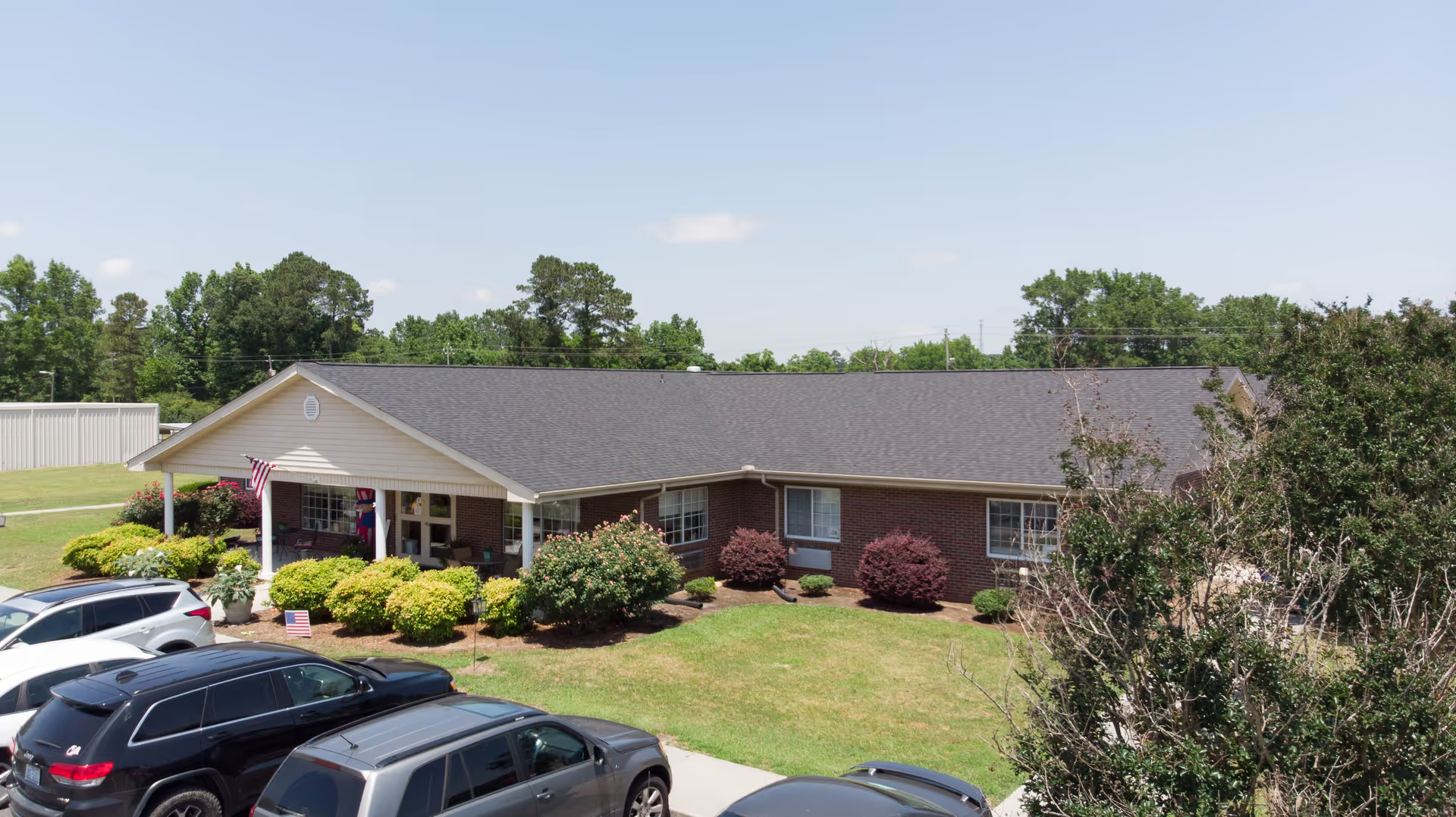
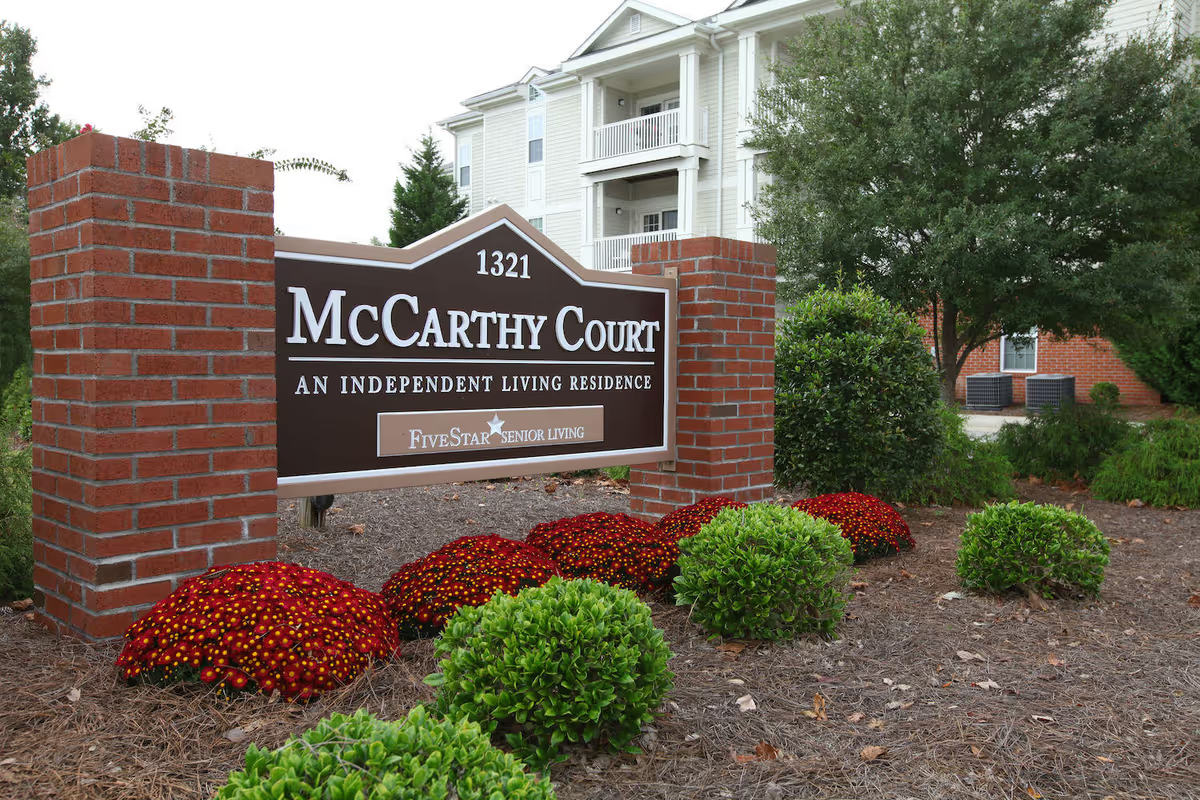
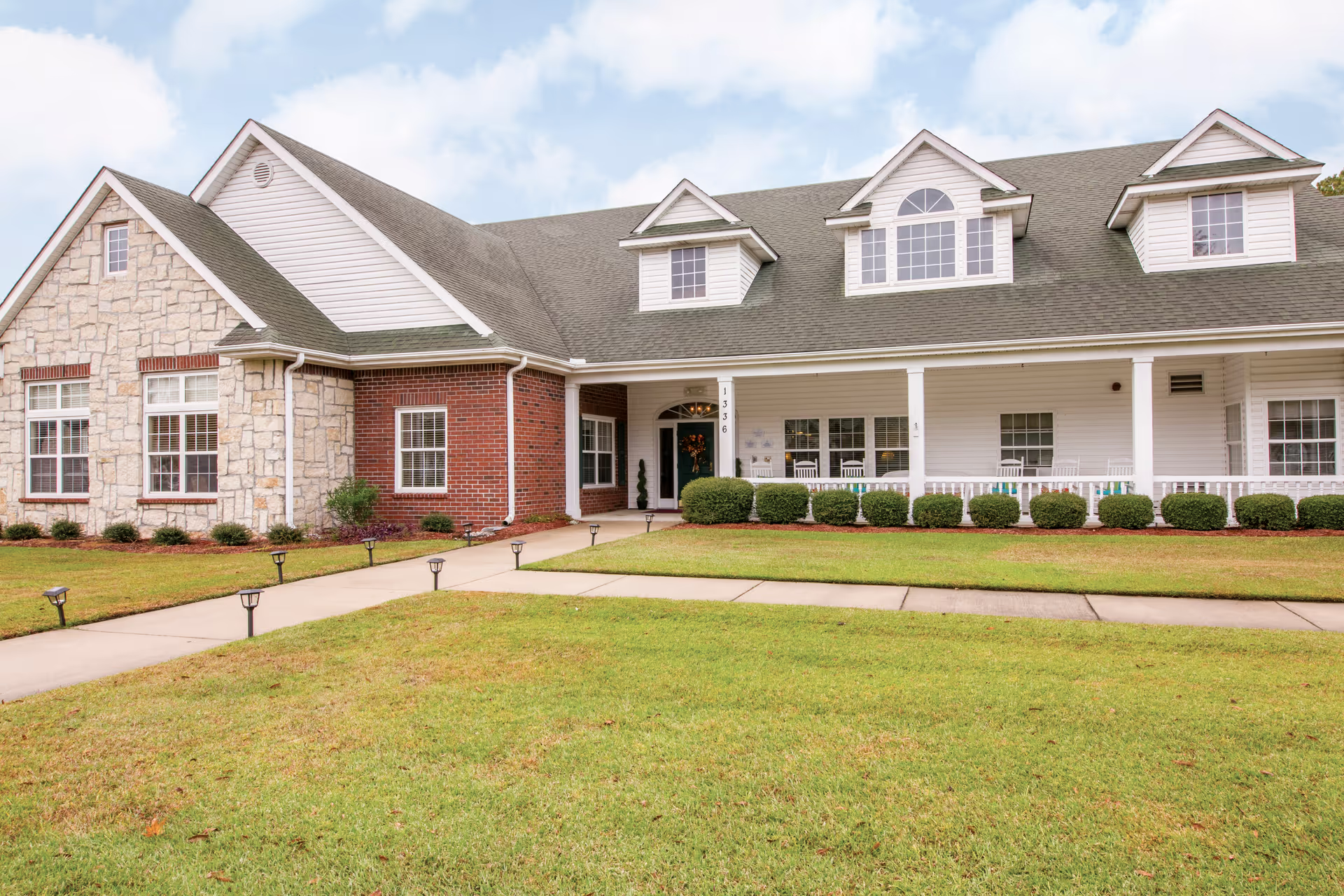
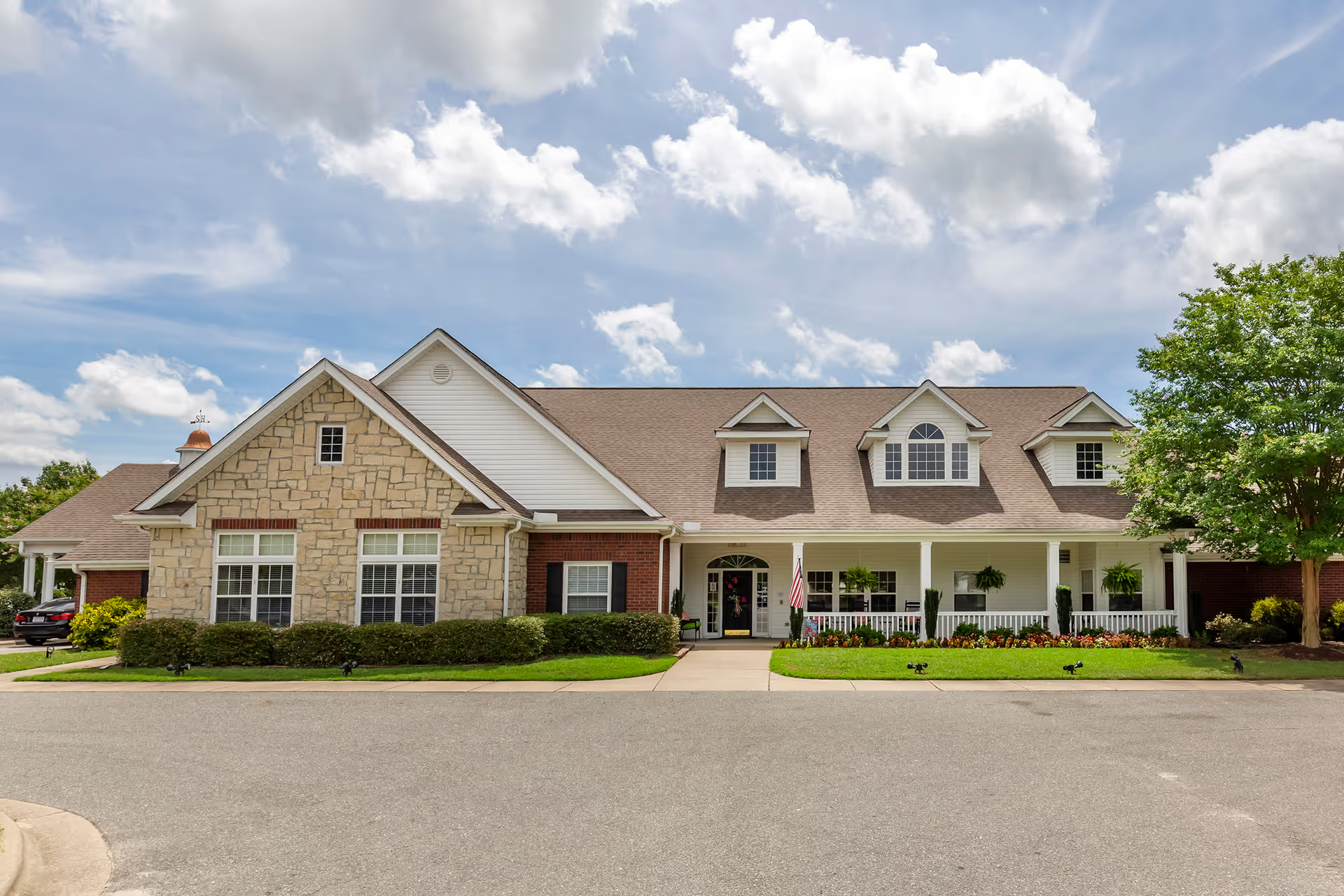
Heritage of Richlands presents as a small, community-style senior living facility with roughly 40 residents. Strengths described include a consistently clean interior, multiple common sitting areas, and a family-like atmosphere that supports socialization. Families noted that some staff provide attentive, personalized updates and that particular team members stood out for clear communication. The facility offers both private and semi-private rooms and identifies as capable of providing memory-care services; several accounts described improved resident appetite and weight gain following admission.
Care quality appears generally attentive, with caring staff and direct interaction between caregivers and residents emphasized. However, a recurring pattern involves inconsistent accessibility by phone and gaps in family communication at certain times or across shifts. Some families experienced a rocky initial transition that later stabilized; this suggests variability in early admission processes and in transition planning. For residents with complex behavioral profiles—particularly frontal-lobe dementia presentations with delusional symptoms—families expressed concerns about the facility’s capacity to meet those specialized needs and about safety in a few cases.
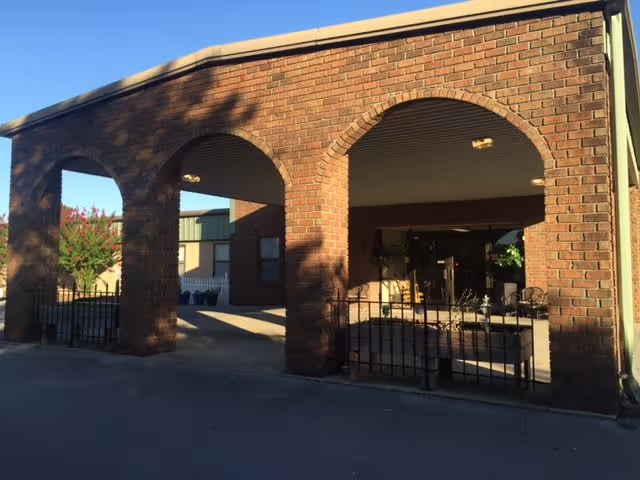
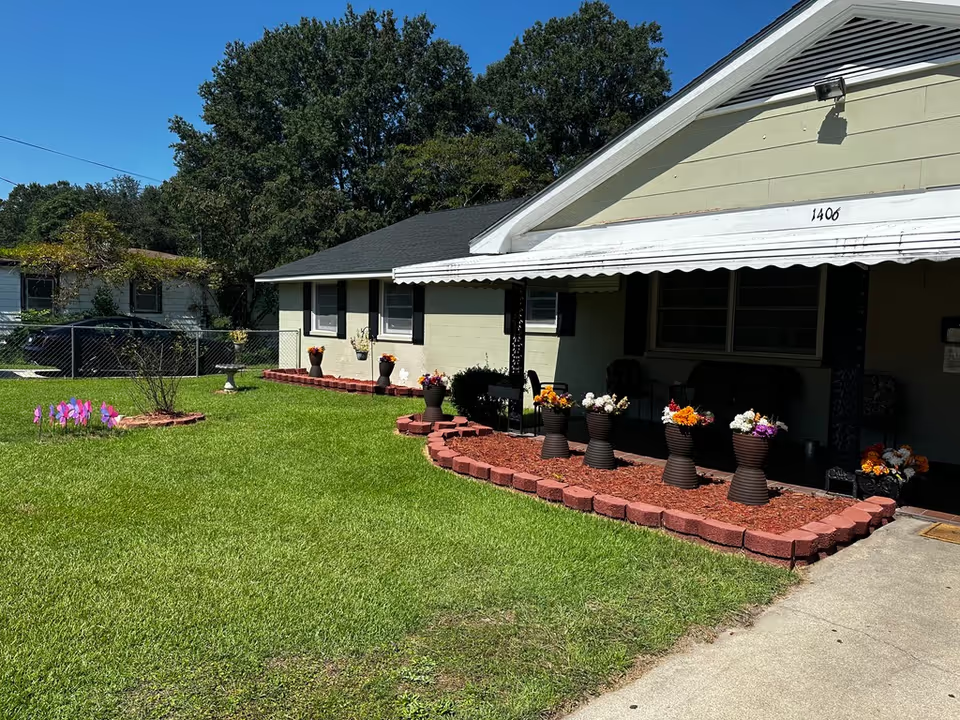
Dining and activities are viewed positively: meals are described as nutritious and appealing, and daily programming supports social engagement and friendships among residents. The small size of the community was cited as a benefit for relationship-building and individualized attention. Facilities are generally clean and orderly, but the physical plant is older, which contributes to limited parking and some space constraints. Location is convenient for many local families but may be less centrally located for those seeking close access to downtown.
Management and operations show mixed indicators. When communication channels function, families receive timely, personalized updates; when they do not, phone access and scheduling coordination become notable frustrations. Prospective families should ask about the facility’s procedures for initial admission and care stabilization, behavioral-support capabilities for complex dementia symptoms, staff coverage and shift-to-shift communication, and preferred methods for family contact. Visiting in person and discussing a transition plan with leadership can help determine whether Heritage of Richlands’ small-community environment and memory-care programming match a prospective resident’s clinical and behavioral needs.