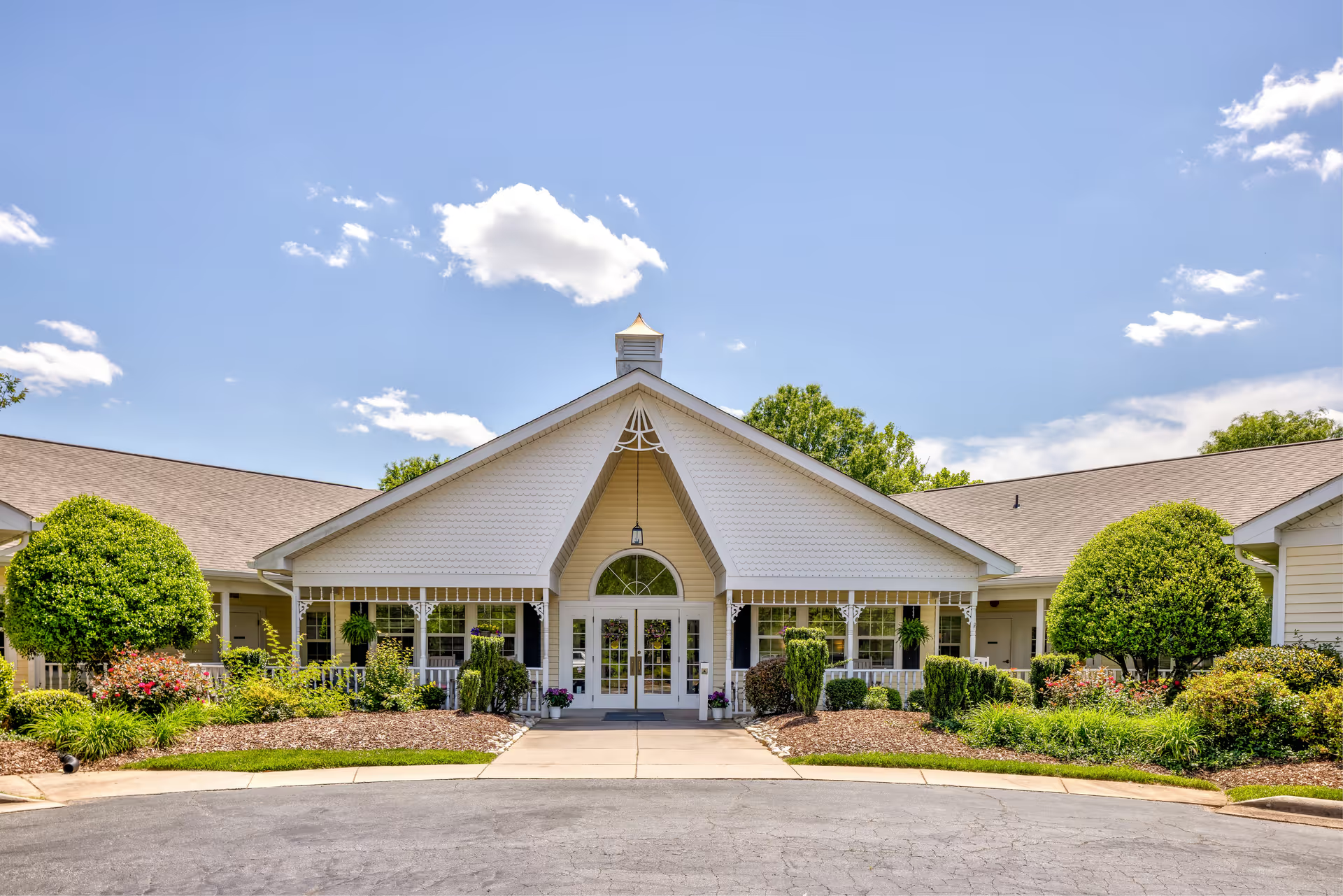
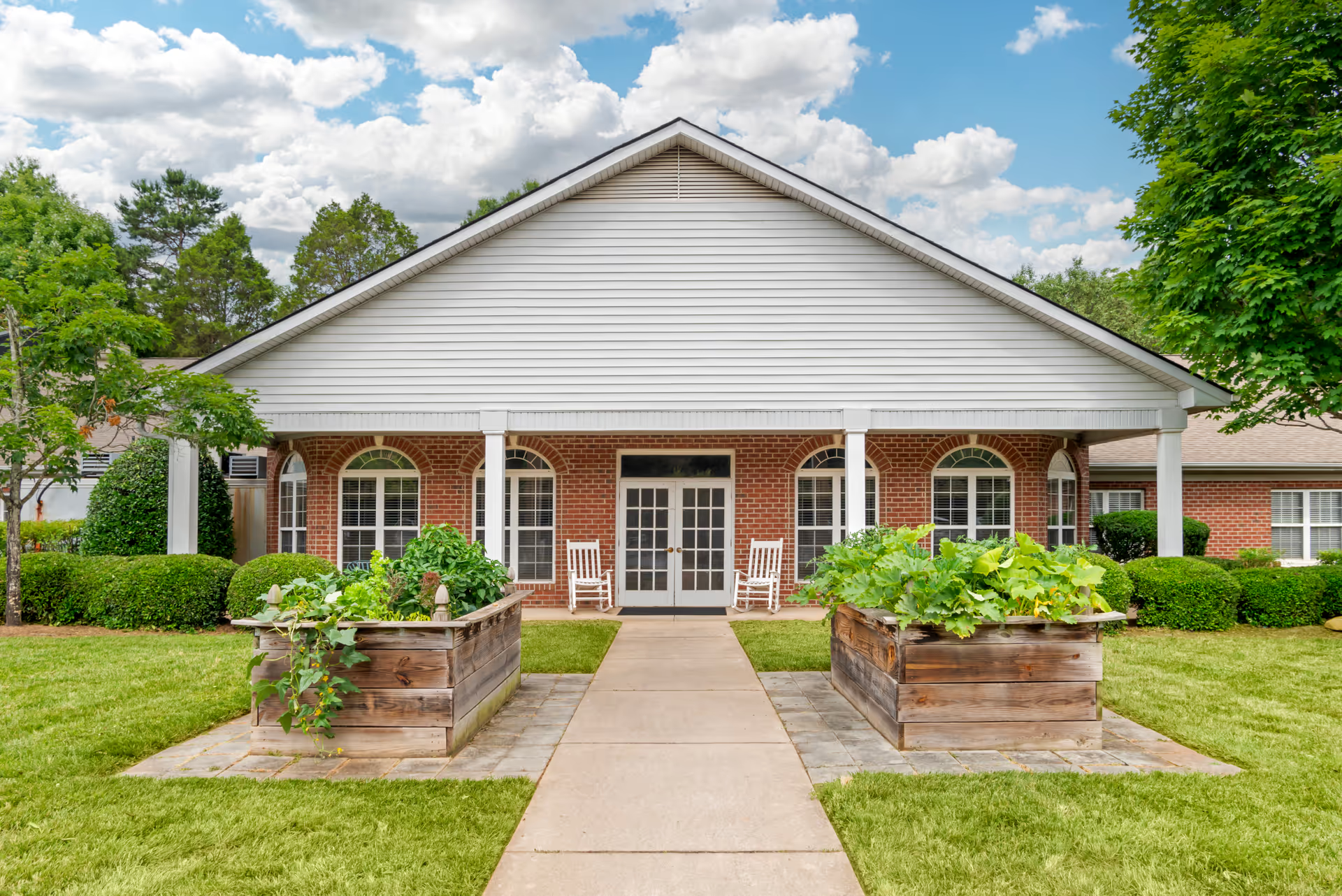
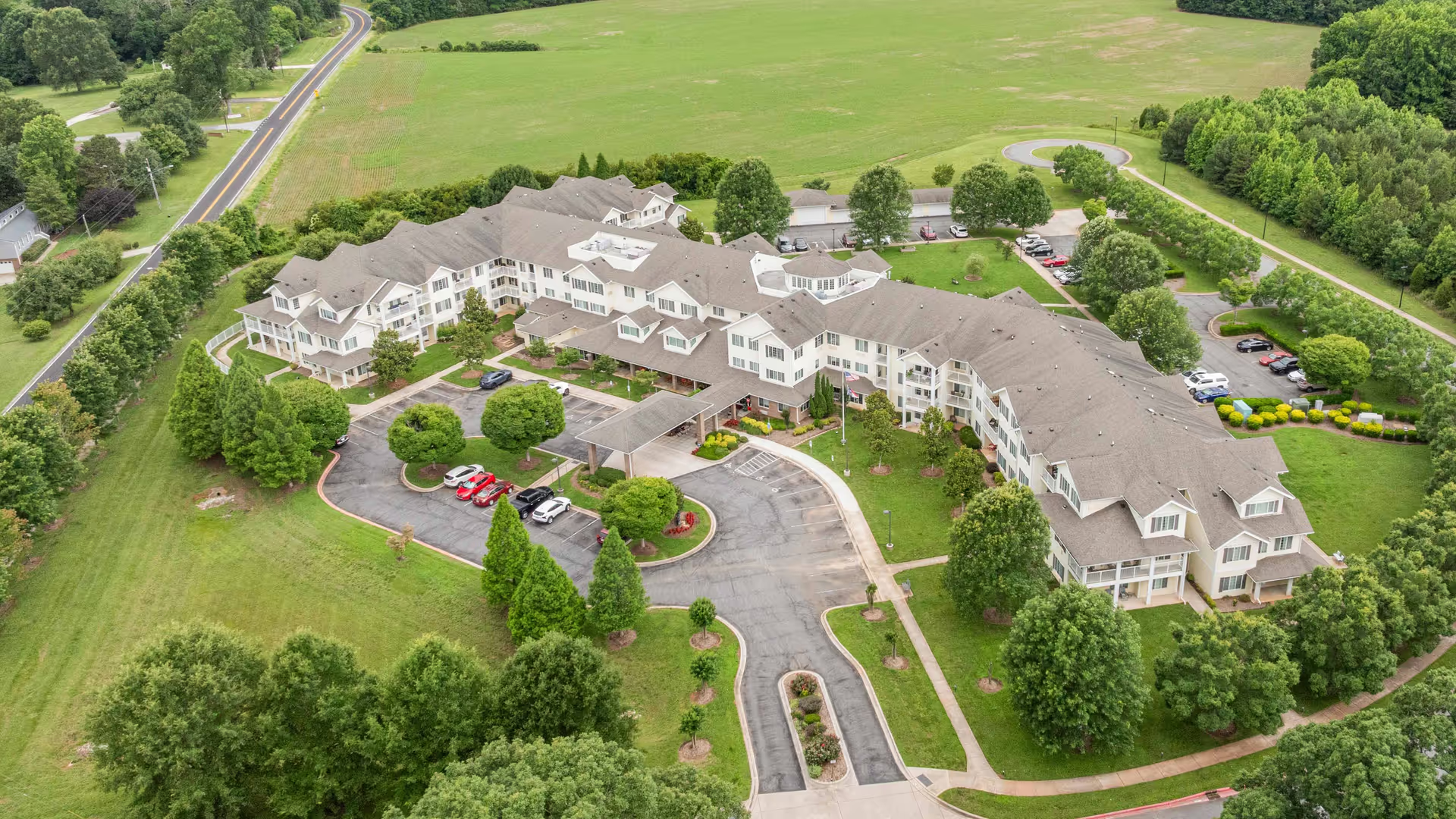
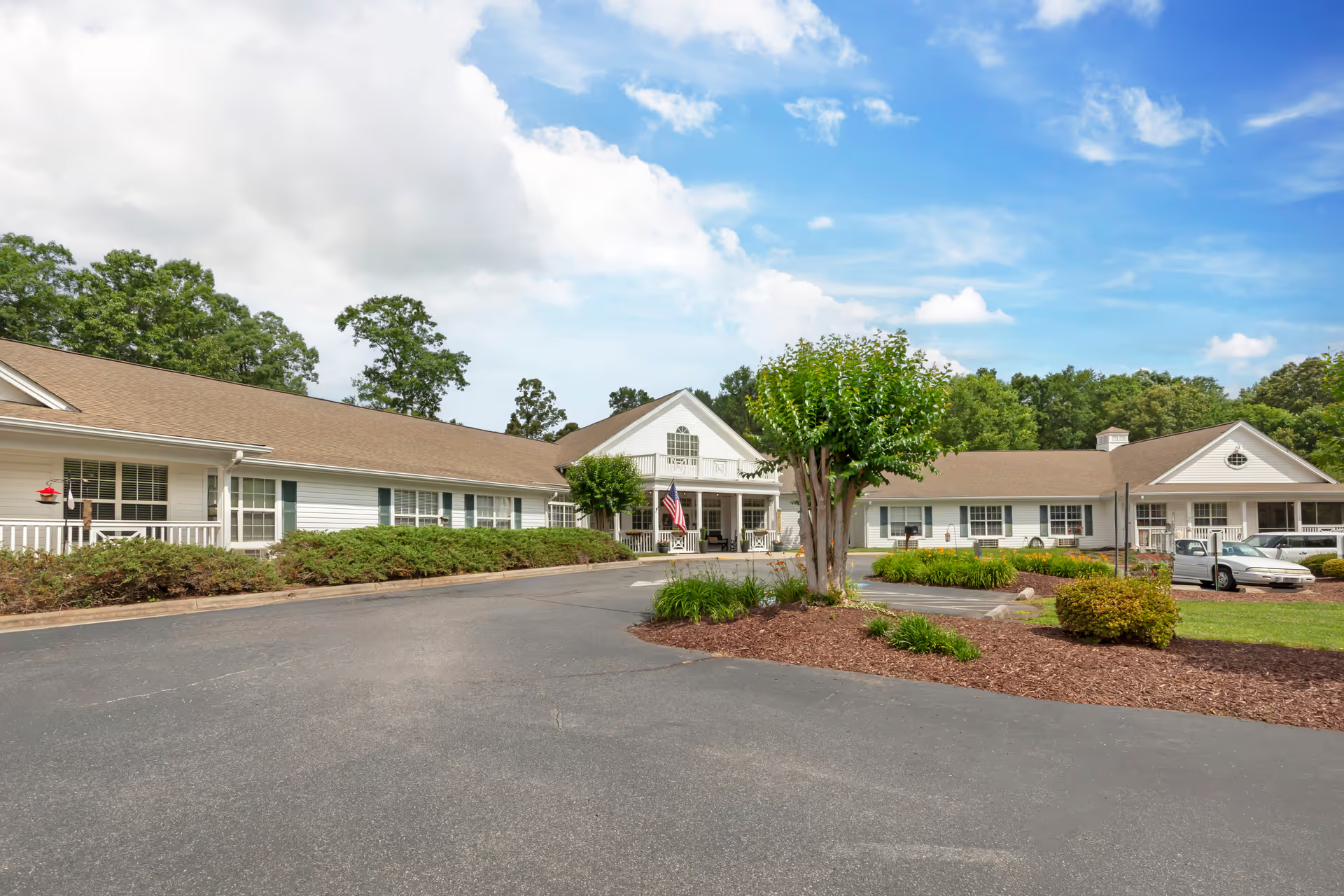
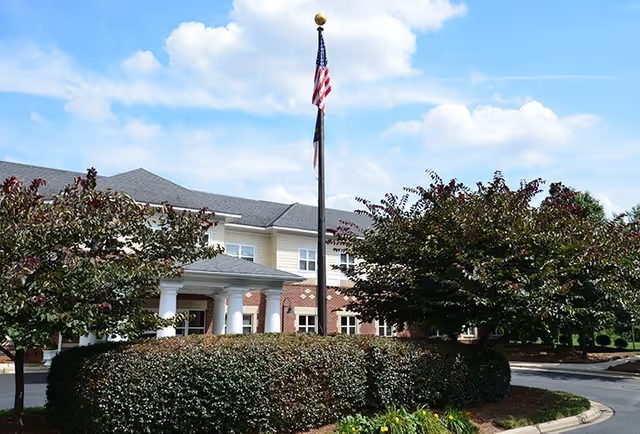
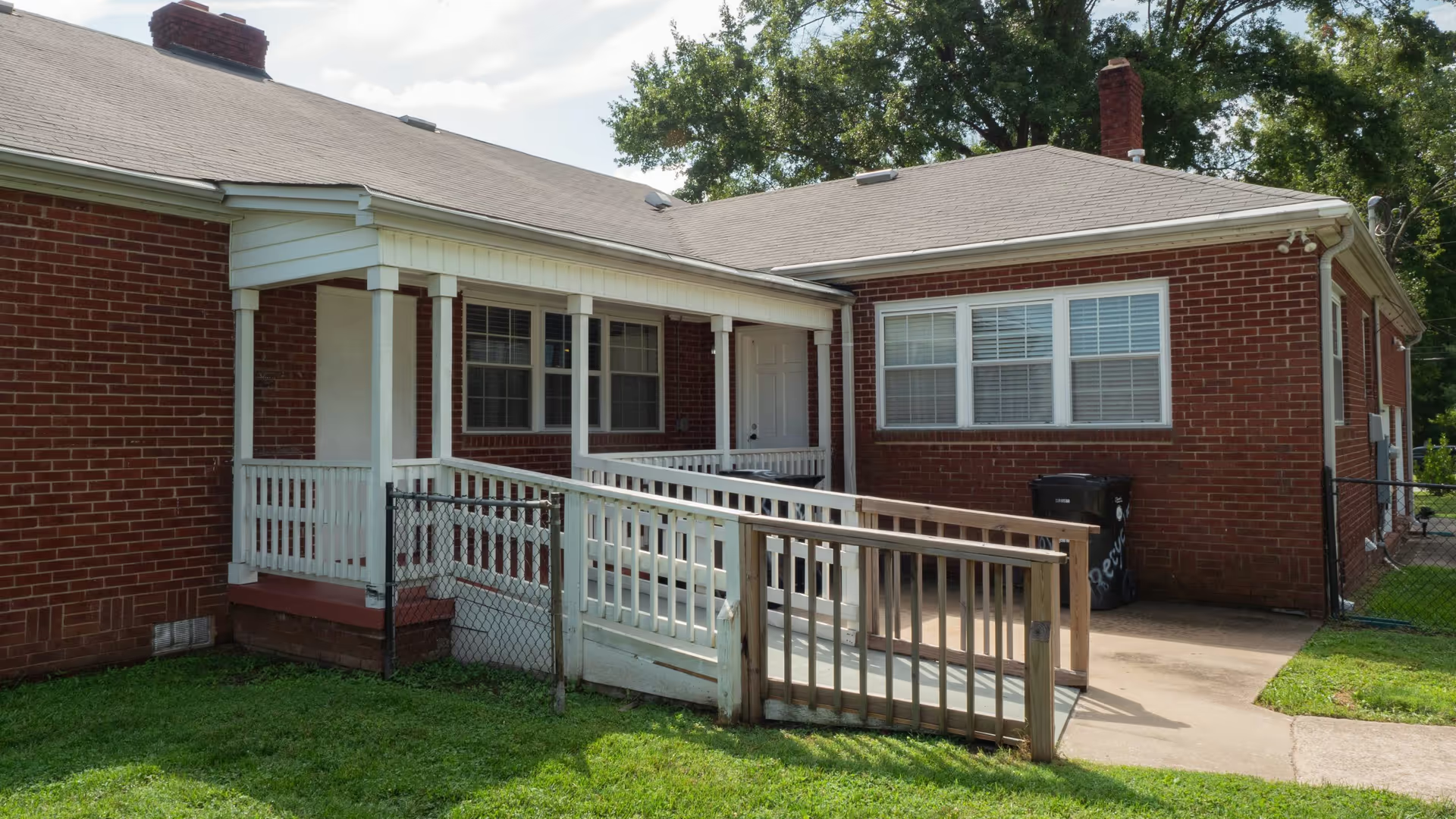
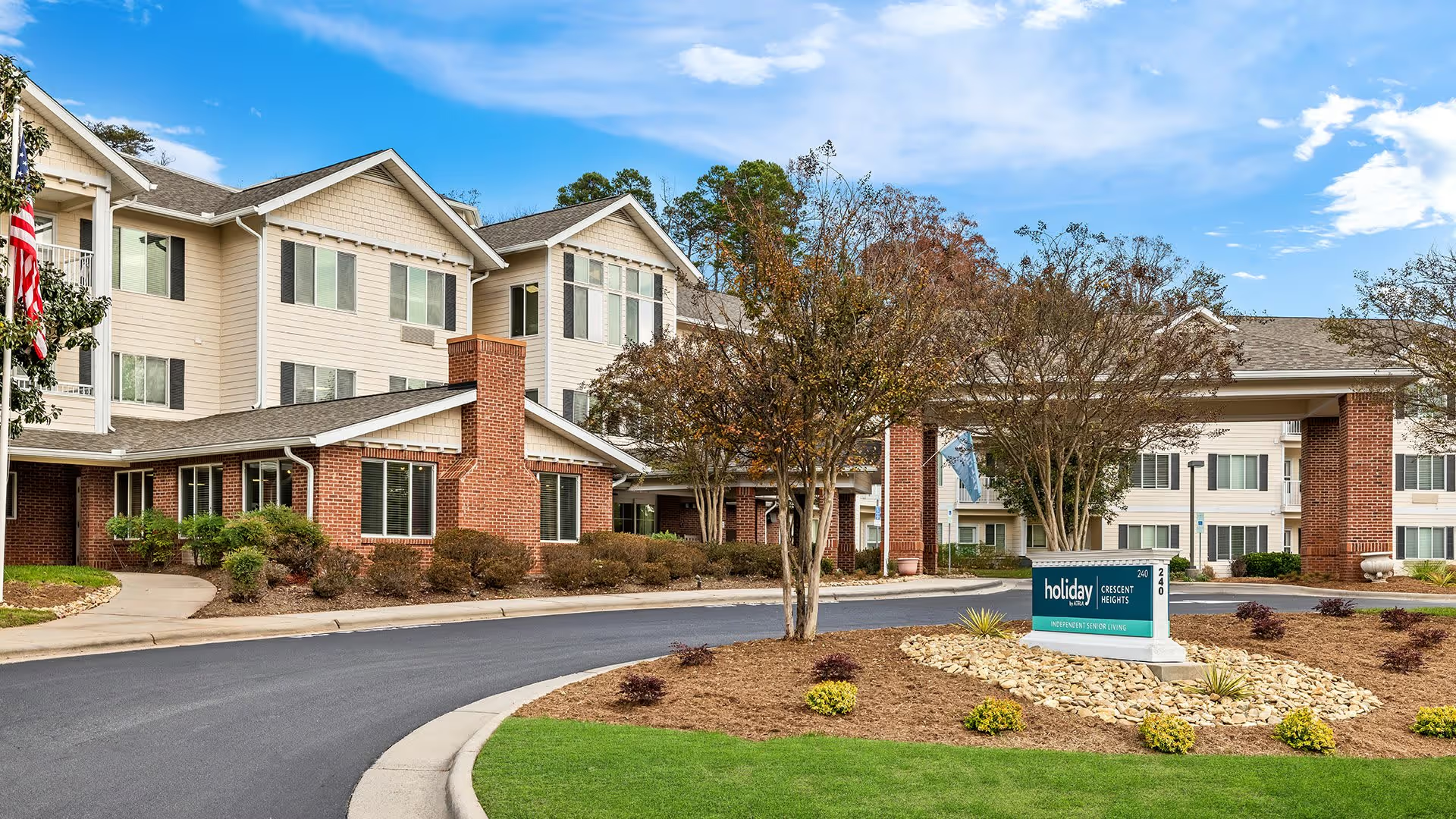
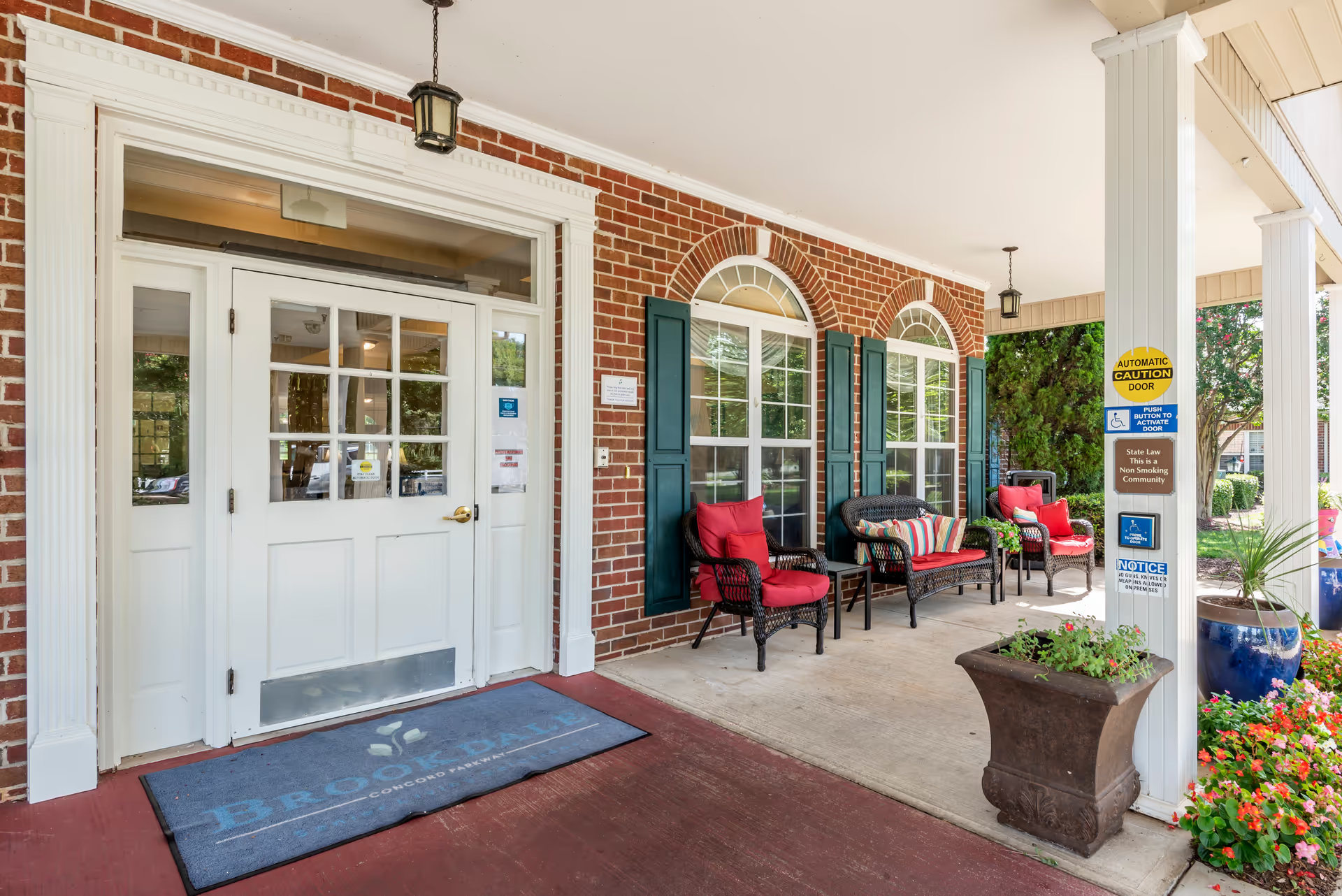
Overall impression: Reviewers describe a facility with many committed front-line caregivers and therapy staff who deliver attentive, personalized care and effective short-term rehabilitation. Families and residents commonly praise CNAs, physical-therapy staff, and certain nurses and physicians for being compassionate, professional, and responsive. The building and rooms are frequently described as clean, comfortable, and well maintained, with accessible outdoor spaces and engaging activities that contribute to a home-like environment.
Care quality and clinical operations: Clinical strengths center on rehabilitation and physical therapy, where staff and equipment (including a rehab gym) support mobility and recovery goals. However, operational weaknesses affect clinical reliability: medication-administration inconsistencies, missed or late doses, and communication gaps during shift changes are recurring concerns. These issues have clinical implications for residents who require precise medication timing or transition to post-acute therapies; prospective families should inquire about medication-safety protocols and handoff procedures.
Staffing, leadership, and culture: Staffing is a mixed picture. Many reviews highlight compassionate, dedicated staff and individual leaders (including an admissions director) who are responsive and helpful. At the same time, reviewers describe staffing instability and turnover that contribute to service variability and occasional lapses in routine care. Comments indicate variable management responsiveness—examples range from strong, visible leadership to calls for firmer oversight—suggesting inconsistency in administrative follow-through across shifts and units.
Dining, activities, and daily life: Activity programming and outings are generally seen as positive, with creative and engaging offerings that support resident well-being. Dining feedback is mixed: some reviewers find meals acceptable and nutrition-focused, while others describe inconsistent meal quality, cold or unappealing plates, and limited accommodation of dietary preferences. Families may wish to review current dining menus, meal schedules, and accommodations for specific dietary needs during a visit.
Safety, possessions, and discharge practices: Several reviews raise operational concerns beyond direct care: gaps in property-accountability and inventory control, including missing personal items, and allegations of dishonest conduct by employees. There are also mentions of sanitation- and incontinence-care process concerns and of dementia-unit supervision variability (for example, doors or exits and resident agitation), which suggest the need for clearer unit-level safety protocols. Discharge planning and post-discharge follow-up have been associated with adverse outcomes in isolated cases; reviewers advise confirming discharge instructions, aftercare coordination, and monitoring plans before transition home.
Notable patterns and recommendations: The facility appears to deliver strong hands-on caregiving and effective rehabilitation for many residents, supported by a generally clean environment and positive activity programming. Counterbalancing those strengths are operational gaps—most prominently in medication administration, staffing consistency, dining consistency, property controls, and some aspects of dementia care and discharge coordination. Prospective residents and families would be well served by an in-person visit, asking specific questions about medication-safety protocols, staff-to-resident ratios and turnover, dementia-unit supervision policies, property-inventory procedures, and discharge planning processes. These targeted inquiries can help determine whether the facility’s strong caregiving culture aligns with the level of operational reliability needed for a given resident’s care needs.