Reviews present a polarized picture of Liberty Commons Nursing & Rehabilitation Center of Rowan County: many families and some residents describe attentive, skilled clinical staff and successful rehabilitation outcomes, while others describe systemic shortcomings that affect safety and day-to-day care. The pattern suggests meaningful variability by unit, shift, or time period — with clear examples of operational strengths alongside recurring process gaps.
Care quality and safety: Positive accounts highlight compassionate nurses, capable CNAs, and strong therapy teams that support recovery and independence. Conversely, recurring concerns focus on staffing instability, inconsistent CNA competency, slow response to call requests, and shortcomings in fall-prevention and supervision. Medication management and clinical monitoring were frequently flagged as problematic by families — examples include delayed medication administration, irregular glucose checks, and broader concerns about dosing and monitoring practices. These items suggest the facility needs stronger clinical protocols and oversight to ensure reliable medication and chronic-condition management.
Staff and communication: Many reviewers praised individual staff members — nurses, therapists, and some administrators — for professionalism and helpfulness. At the same time, accounts also describe variable staff conduct and tone, delayed or ineffective family communication, and inconsistent continuity of care. Some families reported constructive engagement with leadership that produced improvements, while others described an adversarial complaint experience and concerns about how grievances were handled. Prospective families should ask about staff training, escalation pathways, and the facility’s grievance process during intake.
Dining and nutrition: Comments on dining are mixed. Several reviewers noted improved portions and satisfactory meals, and therapy-related dietary coordination for rehabilitation patients. However, a significant number of accounts cite inconsistent meal quality, cold or small portions, and failures to provide prescribed diabetic diets or timely glucose monitoring. These points indicate gaps in coordination between nursing, dietary services, and clinical care plans.
Activities, therapy, and transitions: Therapy and rehabilitation services are frequently cited as strengths; reviewers noted effective therapists, positive rehabilitation outcomes, and helpful admissions staff that eased transitions. Activities programming and social engagement were also praised in many reports, contributing to residents’ quality of life when present.
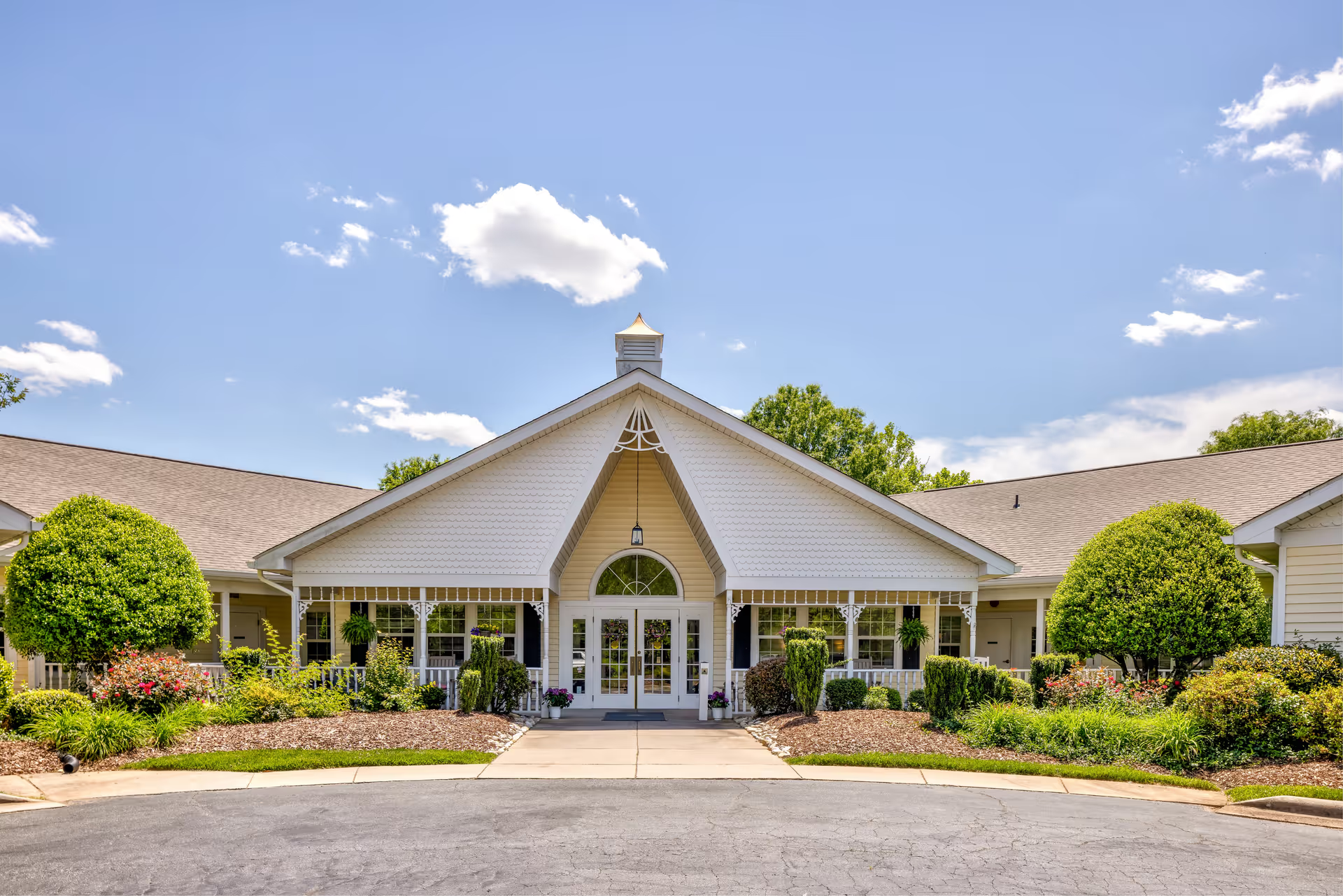
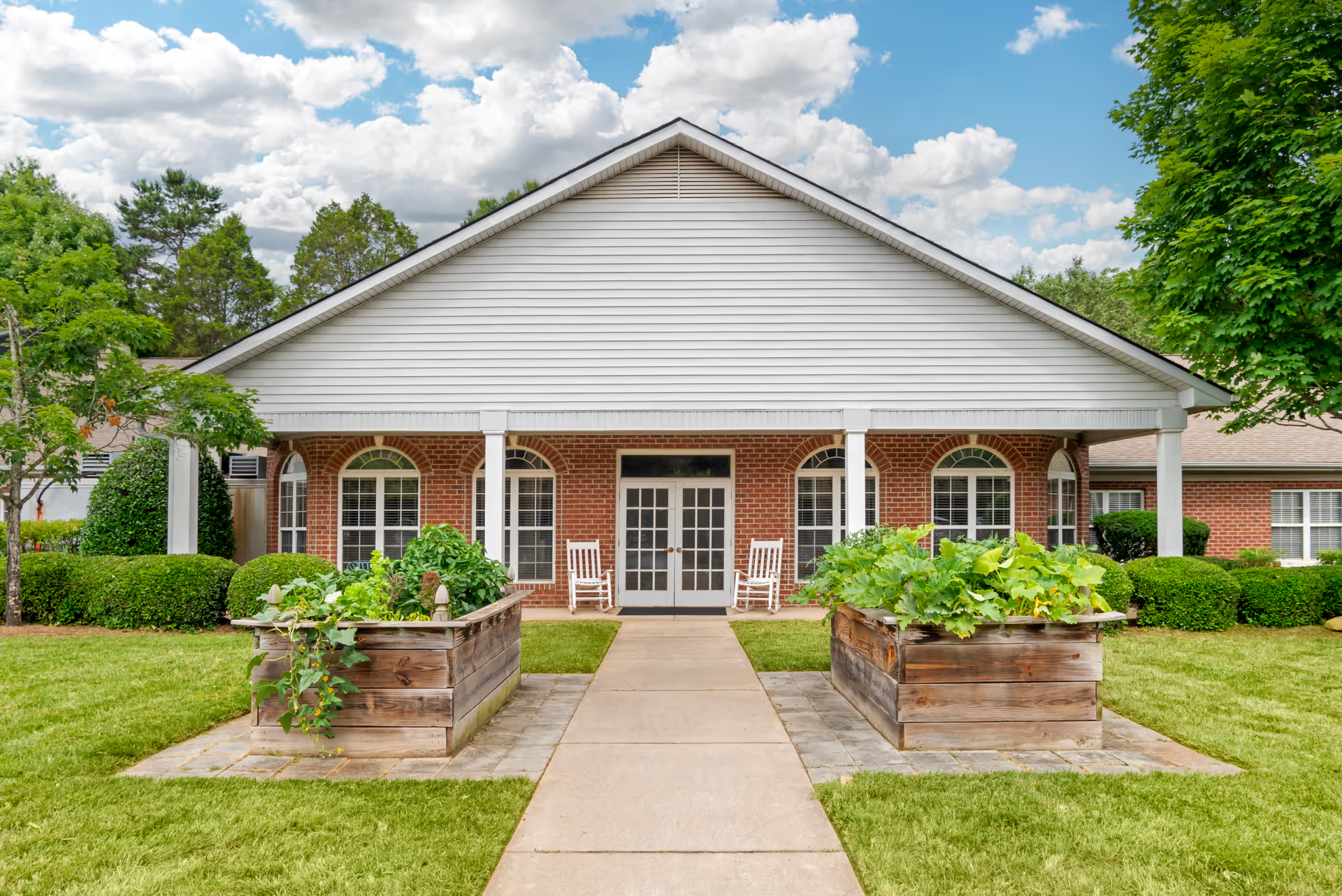
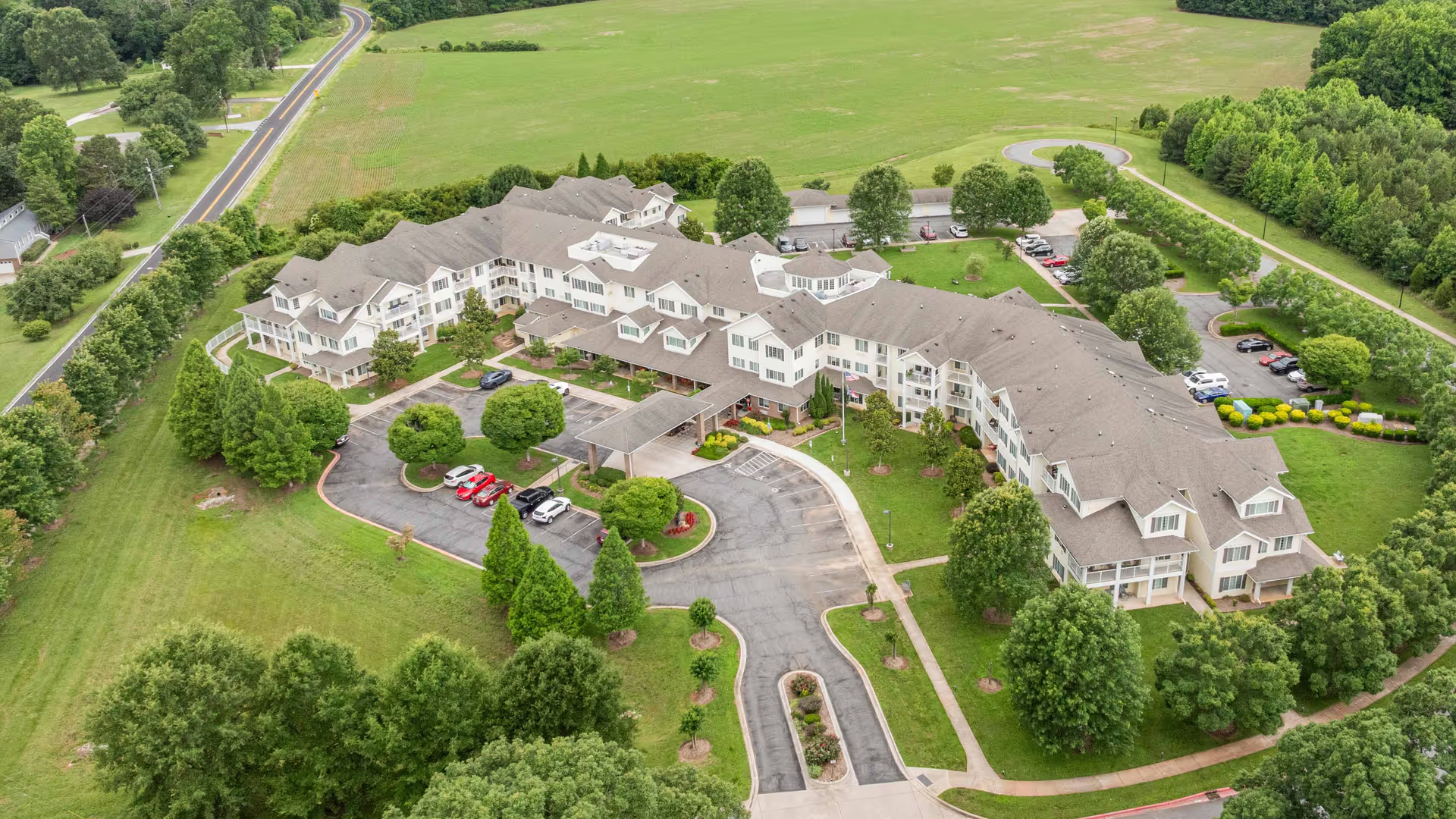
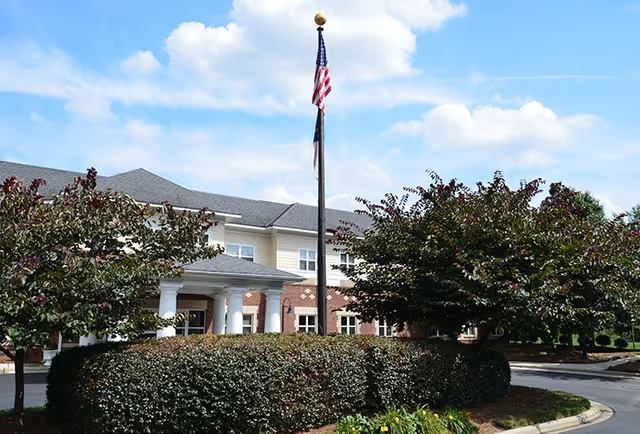
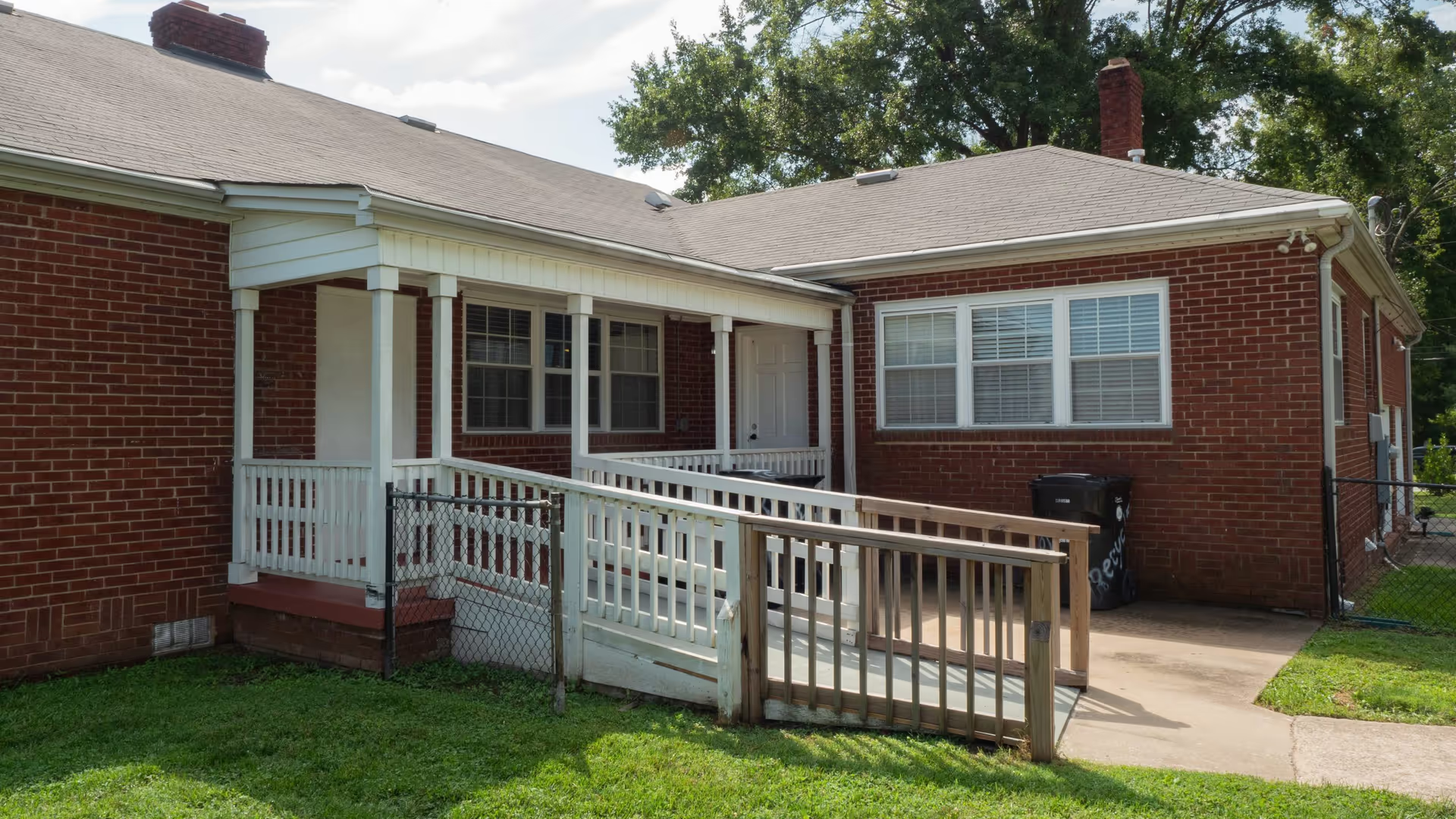
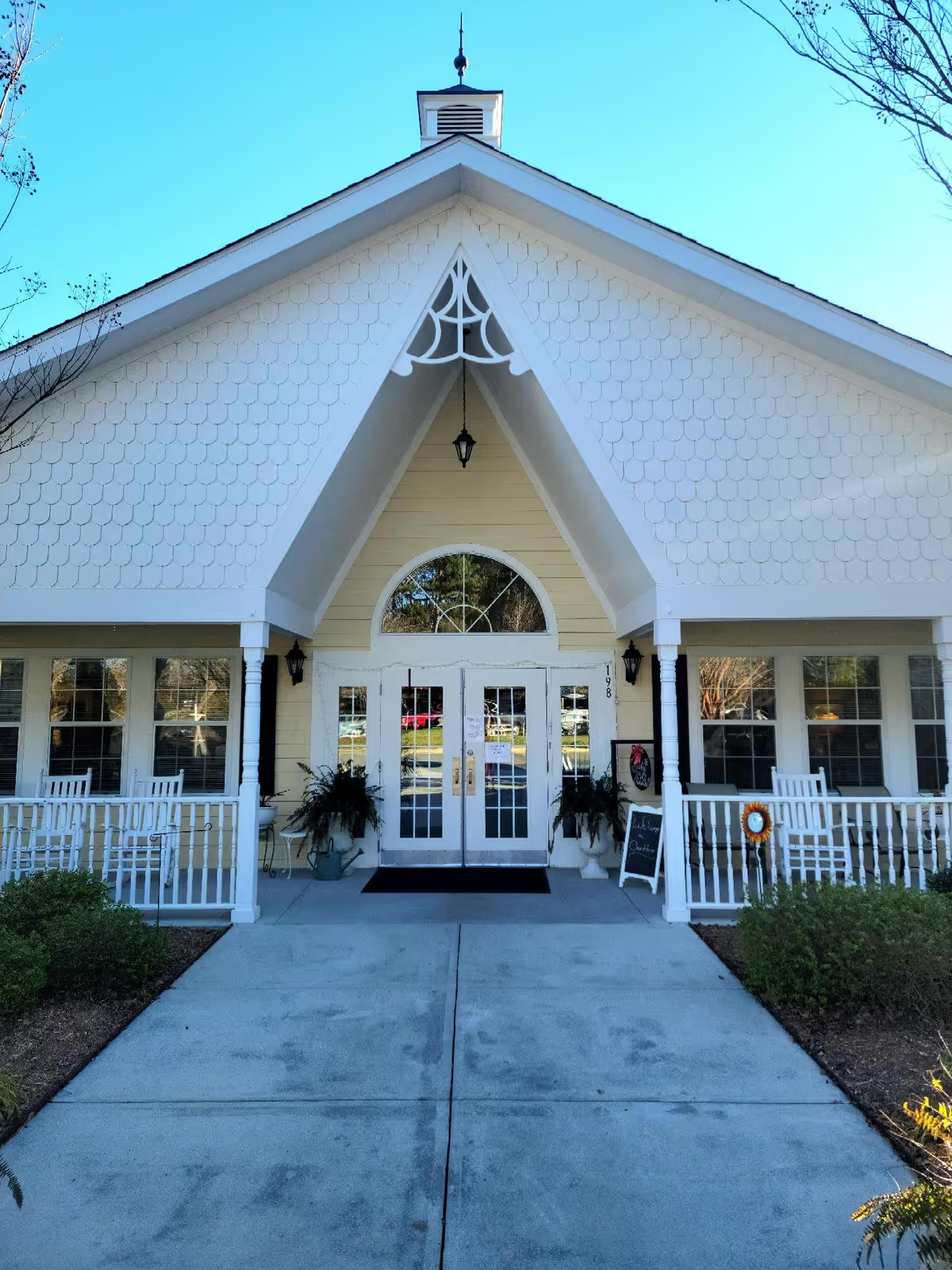
Facilities and sanitation: Observations about the physical environment vary. Some areas and rooms are described as clean and well-maintained, while other comments identify maintenance issues (damaged furniture, peeling paint, restroom deficiencies), sanitation concerns related to incontinence care, and pest-control issues. These mixed accounts suggest uneven facility maintenance and infection-prevention practices across the campus.
Management and notable patterns: Multiple reviewers described an operational turnaround tied to leadership changes — improved responsiveness, cleaner appearance, and better clinical coordination under new administrators. At the same time, persistent problems in staffing, medication processes, dietary consistency, and grievance resolution recur across different reviews. There are also serious individual allegations, including concerns following a resident’s death and instances of aggressive administrative responses to complaints; families should treat such claims as weighty and seek documentation, regulatory records, and direct conversations with management.
Practical guidance: Prospective residents and family members should ask specific questions about current staffing ratios, CNA training and supervision, medication-administration protocols, diabetic/dietary processes, fall-prevention measures (alarms, sitter availability), sanitation and pest-control routines, and the facility’s grievance and escalation policies. Because experiences appear variable, an on-site visit at different times of day and direct conversations with clinicians and recent families can help assess current conditions and the consistency of care.