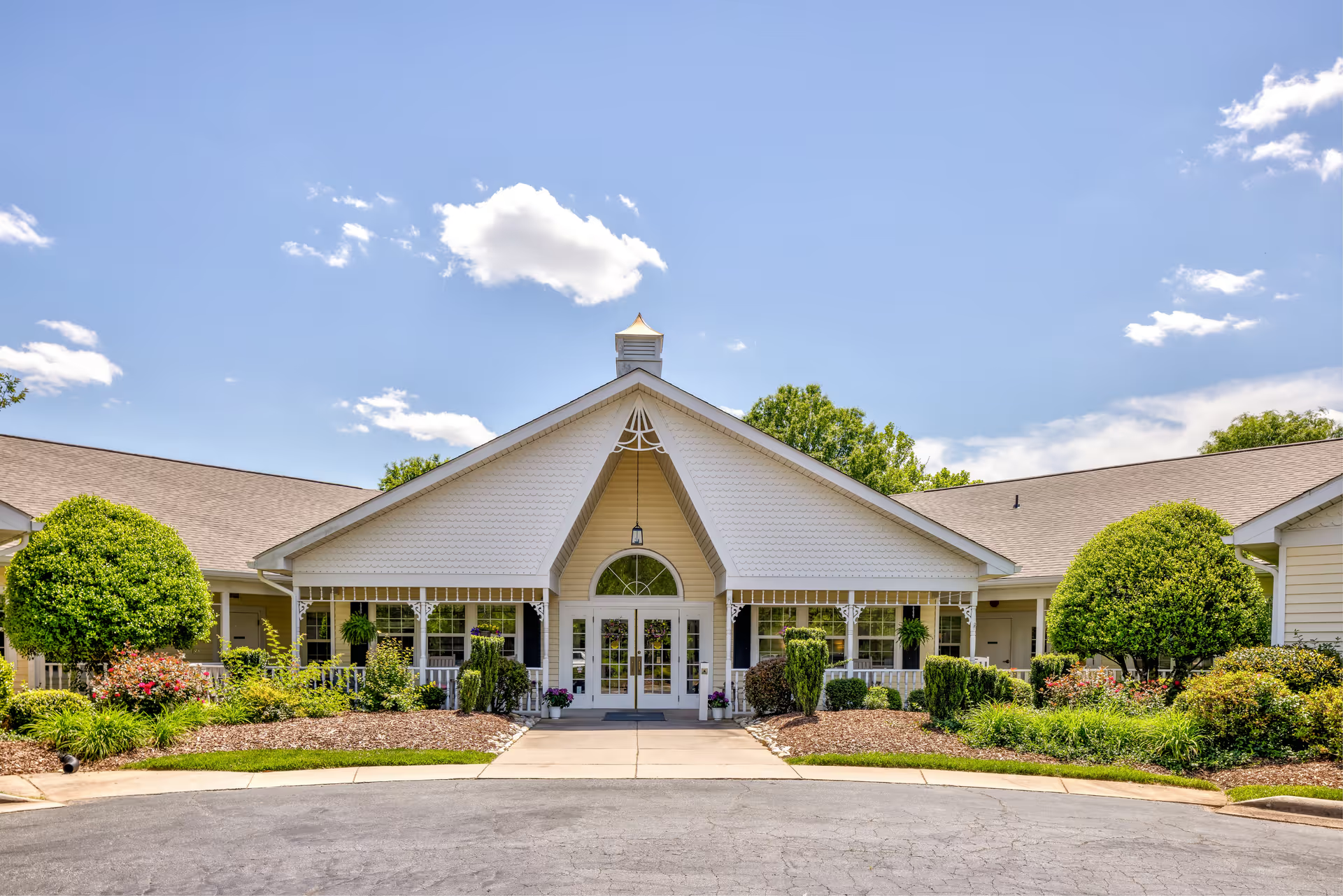
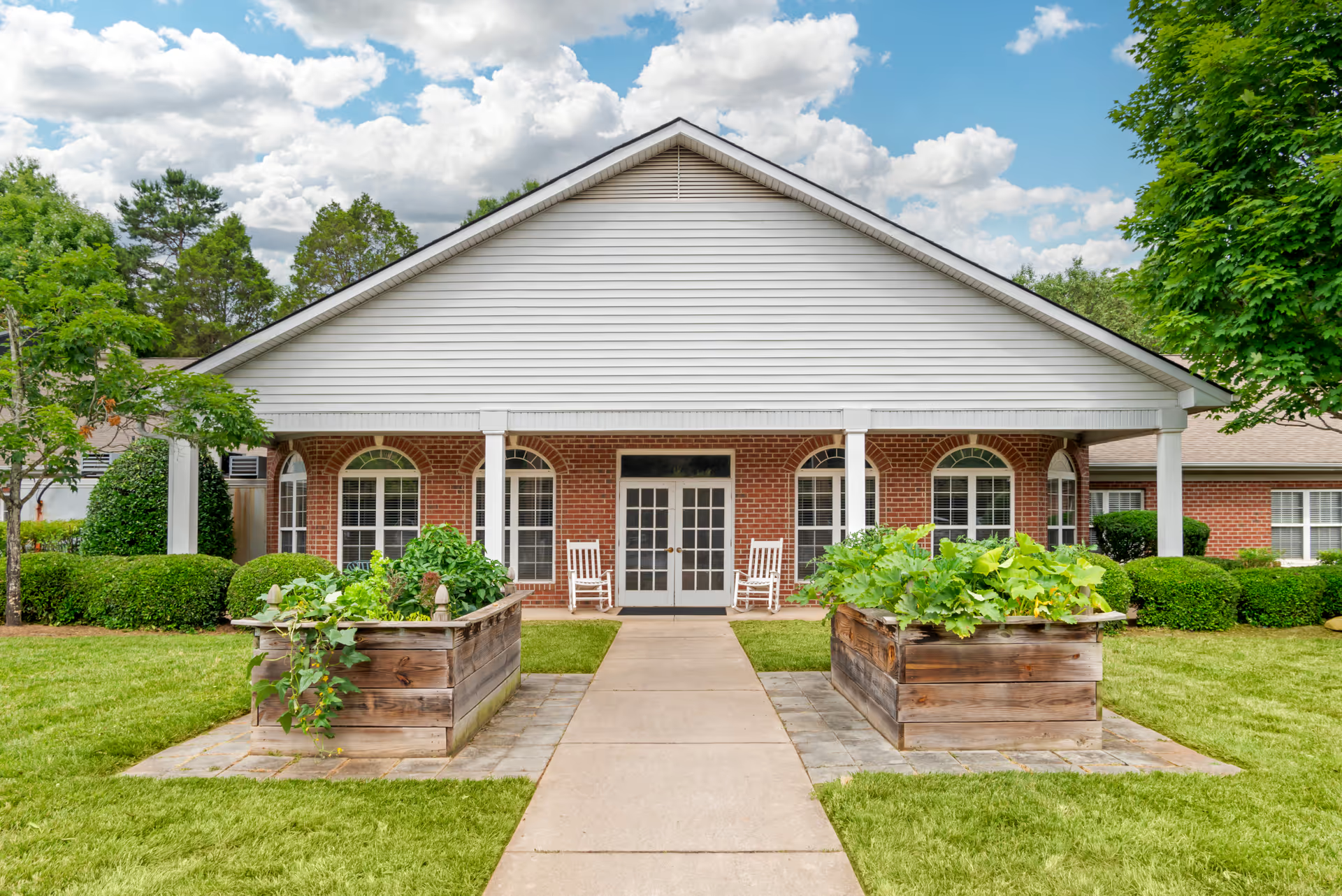
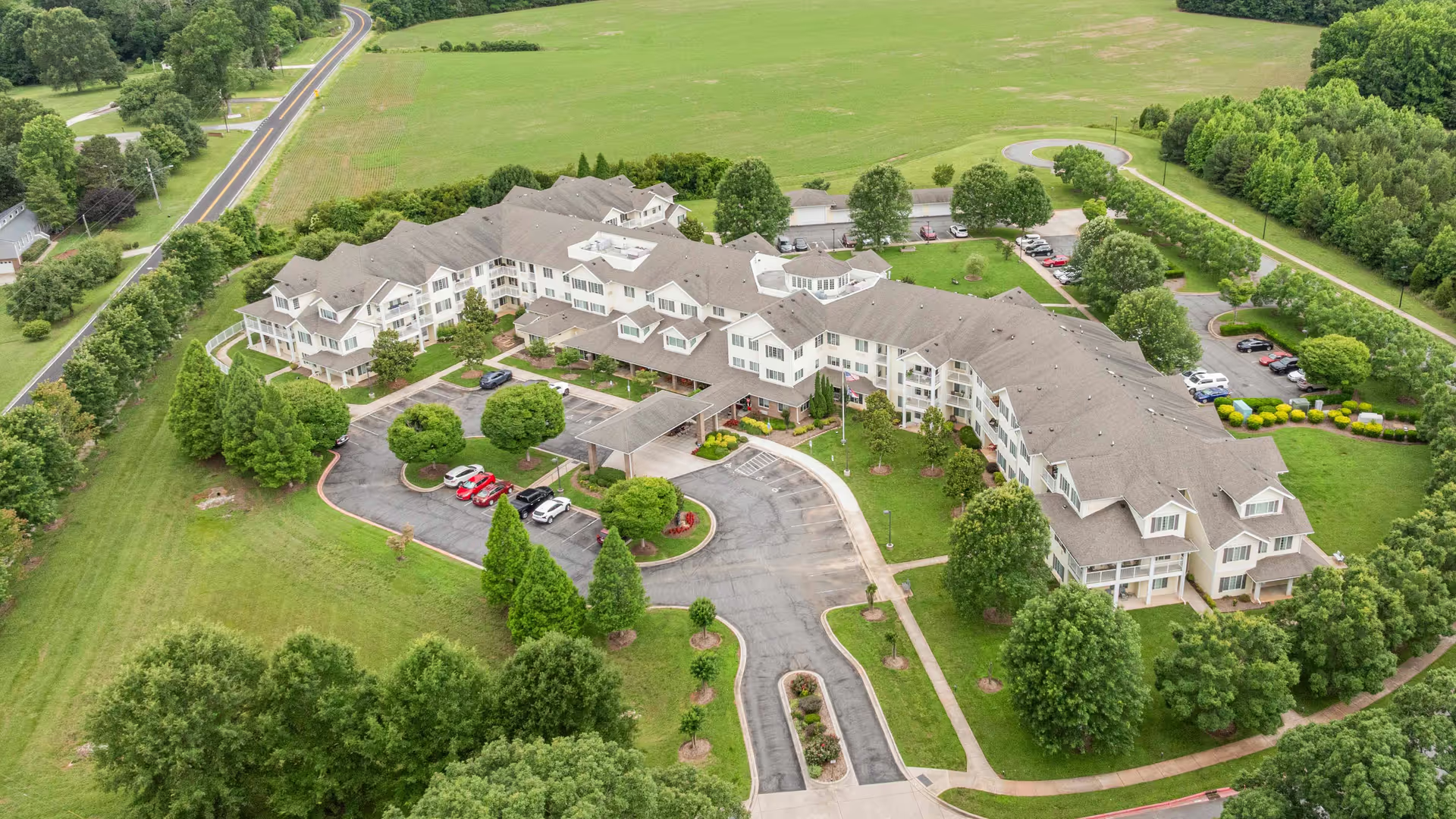
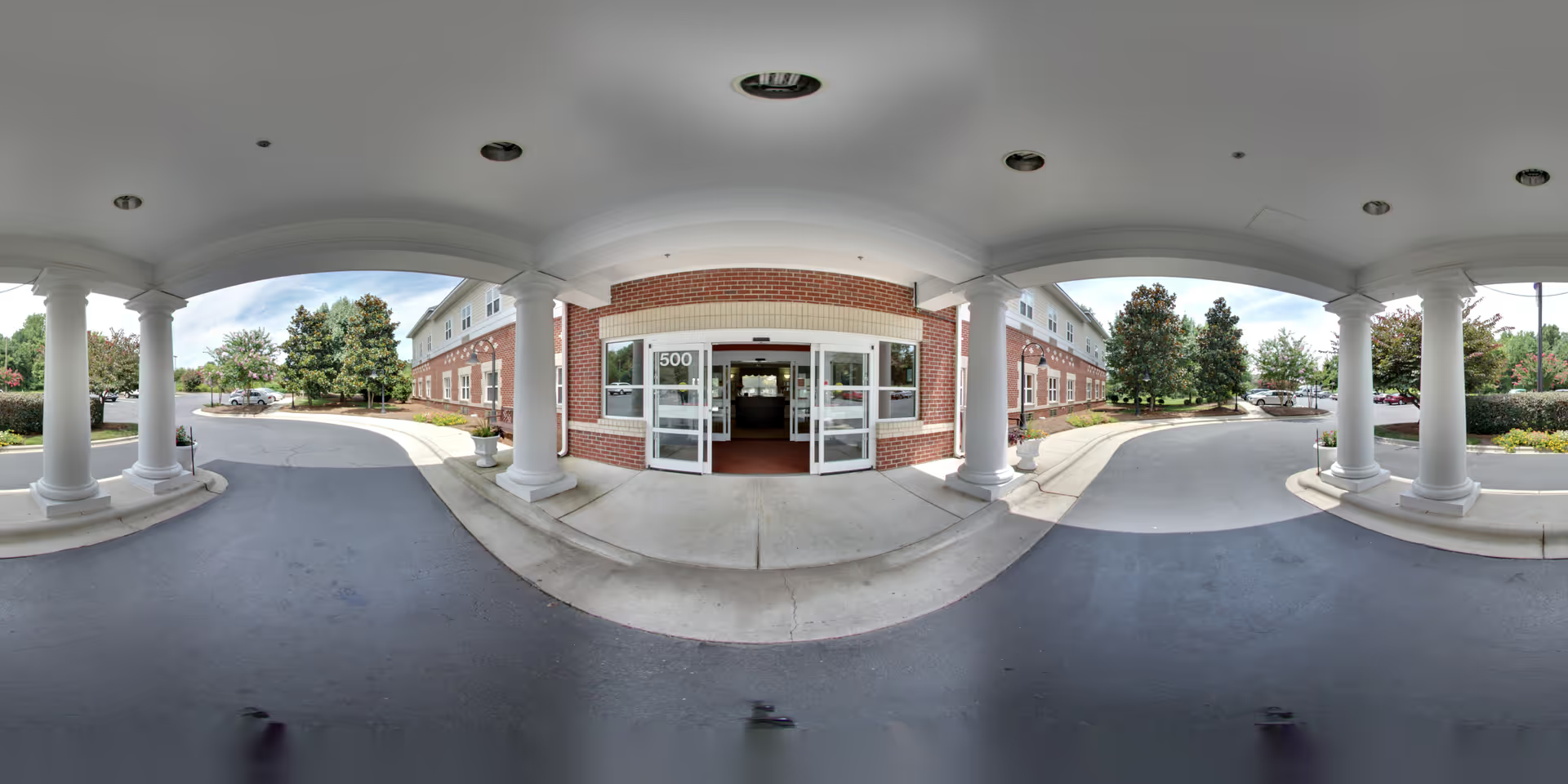
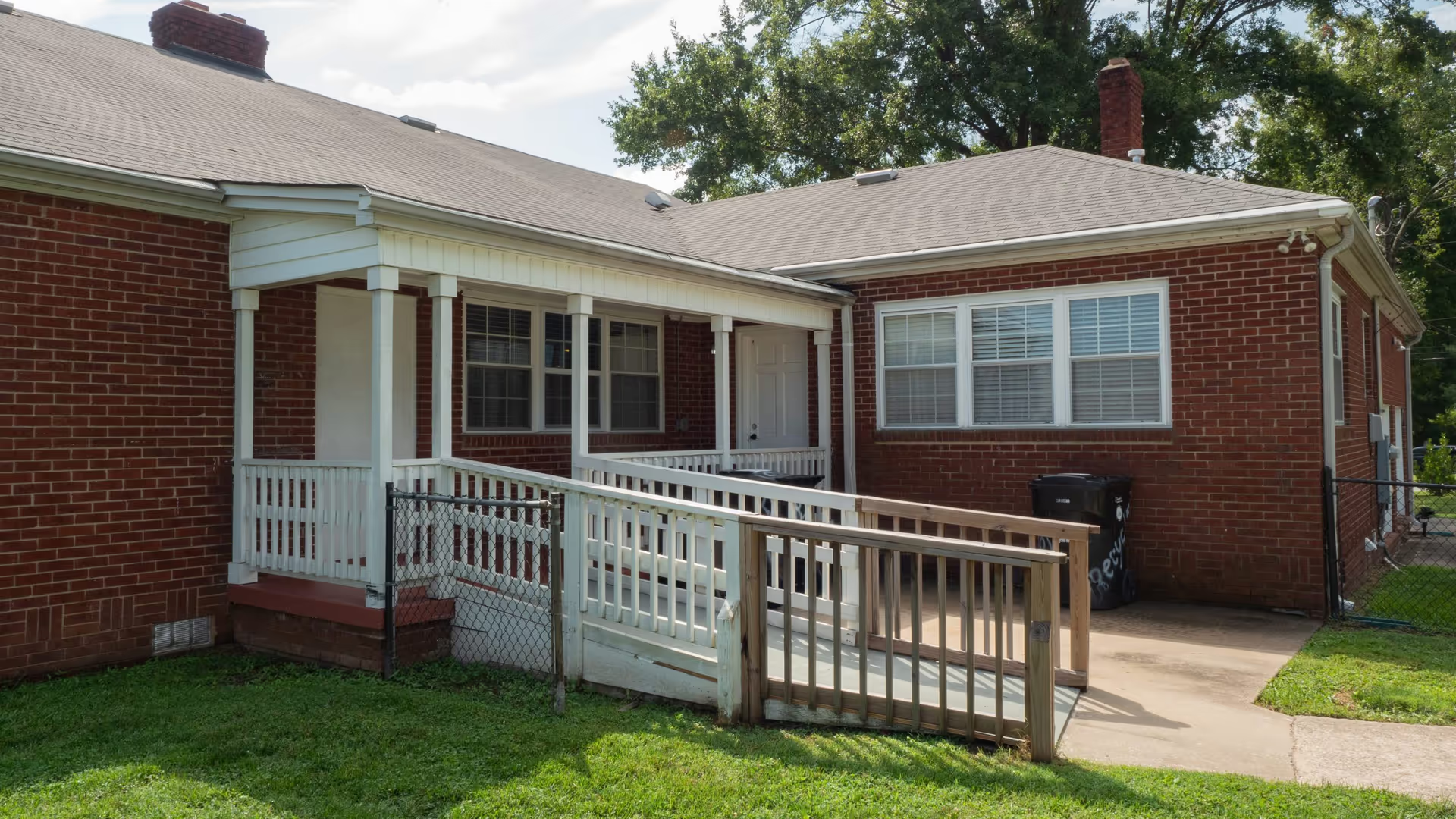
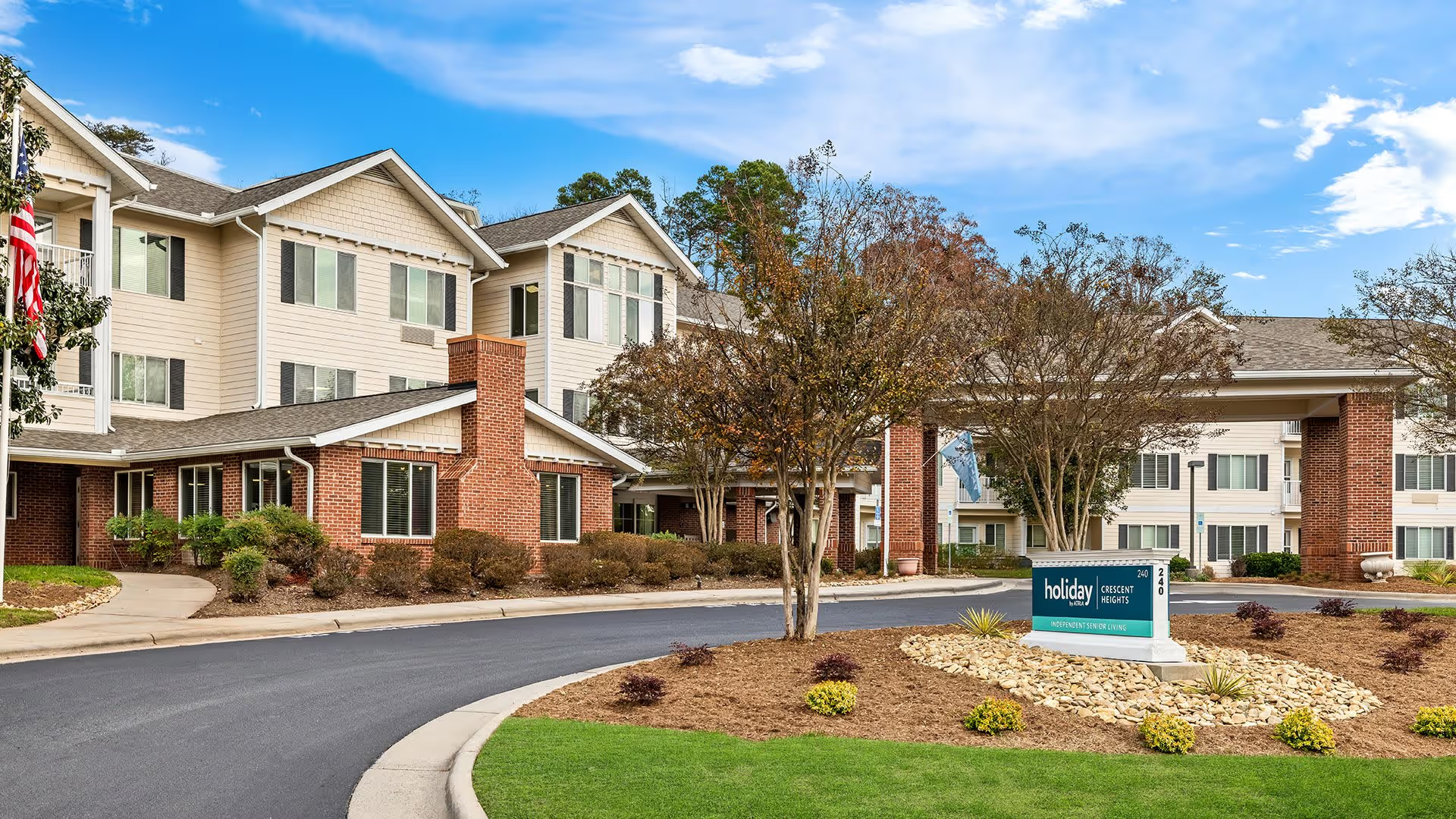
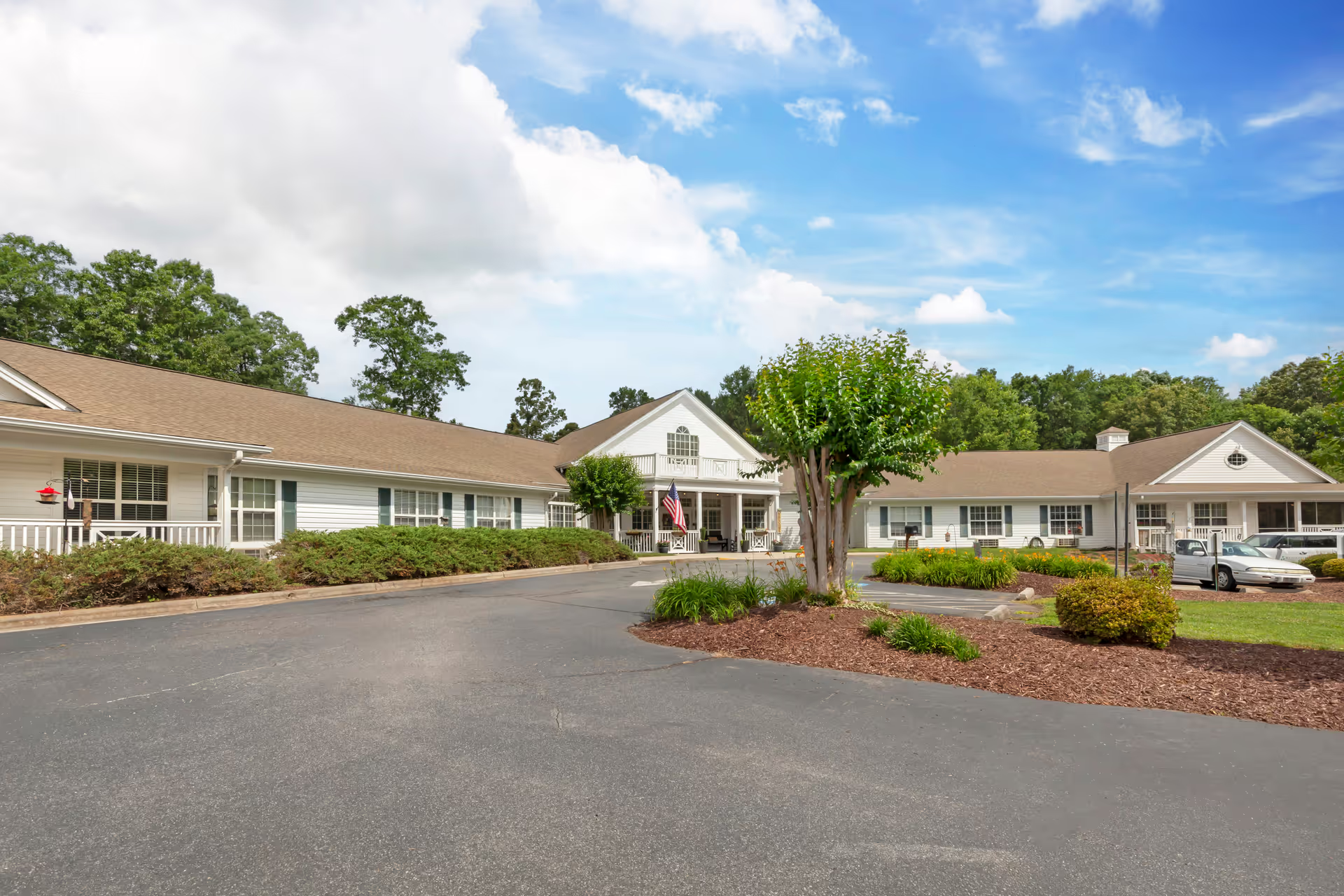
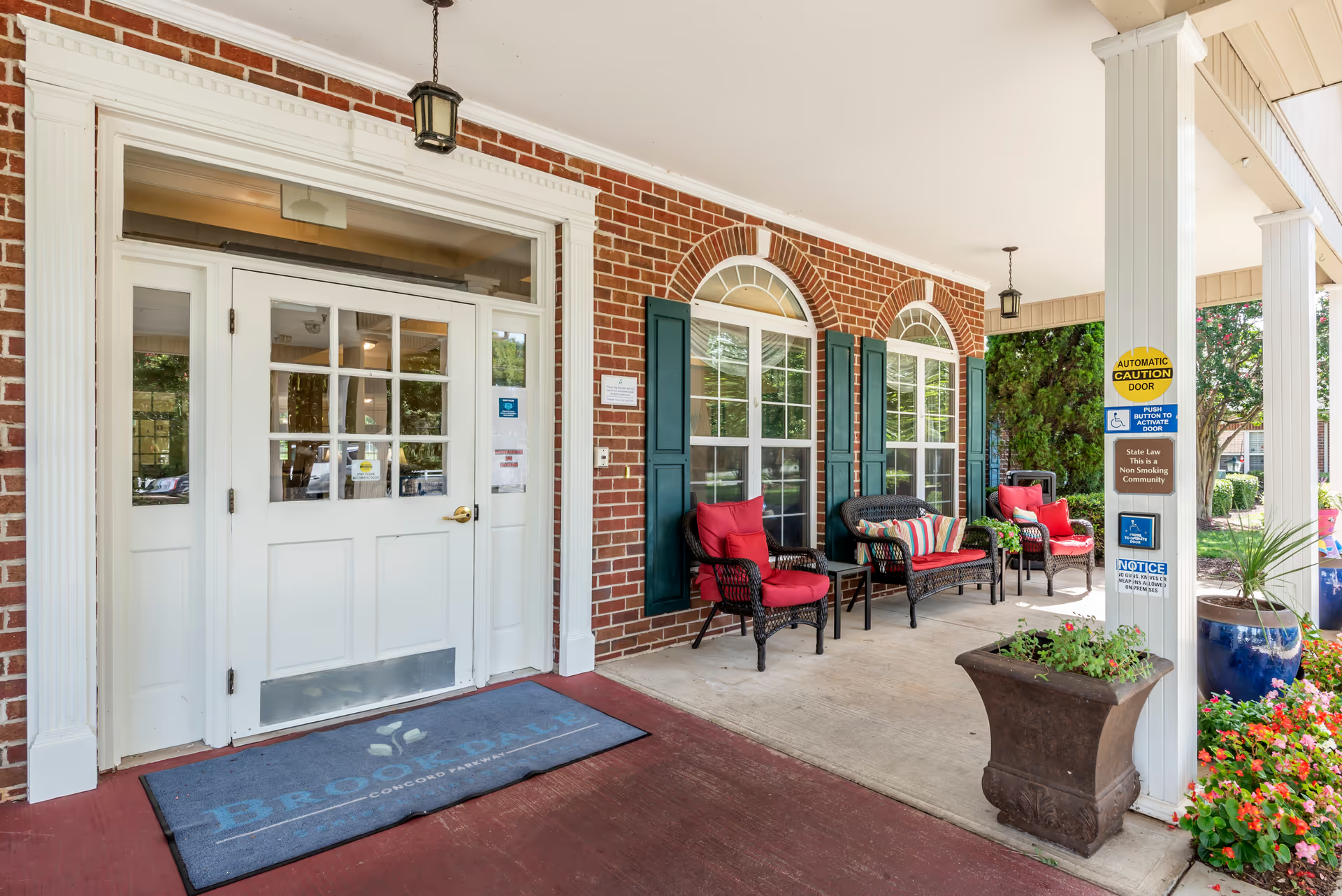
Overall impression: Trinity Oaks is consistently described as a well-kept continuing care retirement community with a strong emphasis on social engagement, dining, and resident comfort. Reviewers frequently highlight a family-like atmosphere, visible staff–resident relationships, and a broad menu of amenities that support active aging. The campus is commonly characterized as attractive and clean, with cottages, apartments, outdoor spaces, and recreational facilities such as a pool and fitness area.
Care and staff: The staff receive frequent praise for compassionate, resident-focused care and for going beyond basic expectations. Families and residents report positive experiences with short-term rehabilitation and supportive clinical communication, including end-of-life coordination. That said, reviewers also point to variability in responsiveness; while many describe warm, attentive personnel, others describe instances of non-attentive service. There are also concerns about how interpersonal conflicts are managed—comments indicate gaps in conflict resolution and safety oversight that prospective families should evaluate when touring.
Dining and activities: Dining is a consistently noted strength — descriptions include high-quality, sometimes restaurant-style offerings, an Italian-trained chef, and both plated and buffet service options. The community supports a lively activities program: scheduled classes, speaker series, group trips, intergenerational learning (college partnerships), and social events that facilitate friendship and continued engagement. Activity schedules appear extensive, but availability can vary by time of day; some visitors did not observe programming during a single tour visit.
Facilities and services: The physical campus and common areas are described as well-maintained and attractive, with housekeeping and maintenance services functioning reliably. Housing options include both apartments and cottages; however, some units are noted as having limited square footage or feeling cramped. The campus scale is also described as large, which can pose navigation challenges for some residents and visitors. Transportation for trips is available and used frequently.
Management and notable patterns: Management is often praised for transparency (for example during COVID) and for timely problem resolution, but there are isolated perceptions of administrative attitude or communication issues. Cost and location are recurrent practical considerations: the community is frequently described as expensive, and distance from relatives may be a barrier for some families. Prospective residents should weigh the strong programmatic and social offerings and high dining and amenity quality against affordability, apartment size, and questions about consistency in staff responsiveness and conflict handling.
Recommendation for prospective families: Visit at multiple times of day to observe activities and dining service, ask specific questions about staffing levels and conflict-resolution policies, confirm unit dimensions and layout options, and review cost/contract details to assess long-term affordability. These steps will help determine whether Trinity Oaks' strong social programming, dining, and campus amenities align with an individual’s care needs and budget constraints.