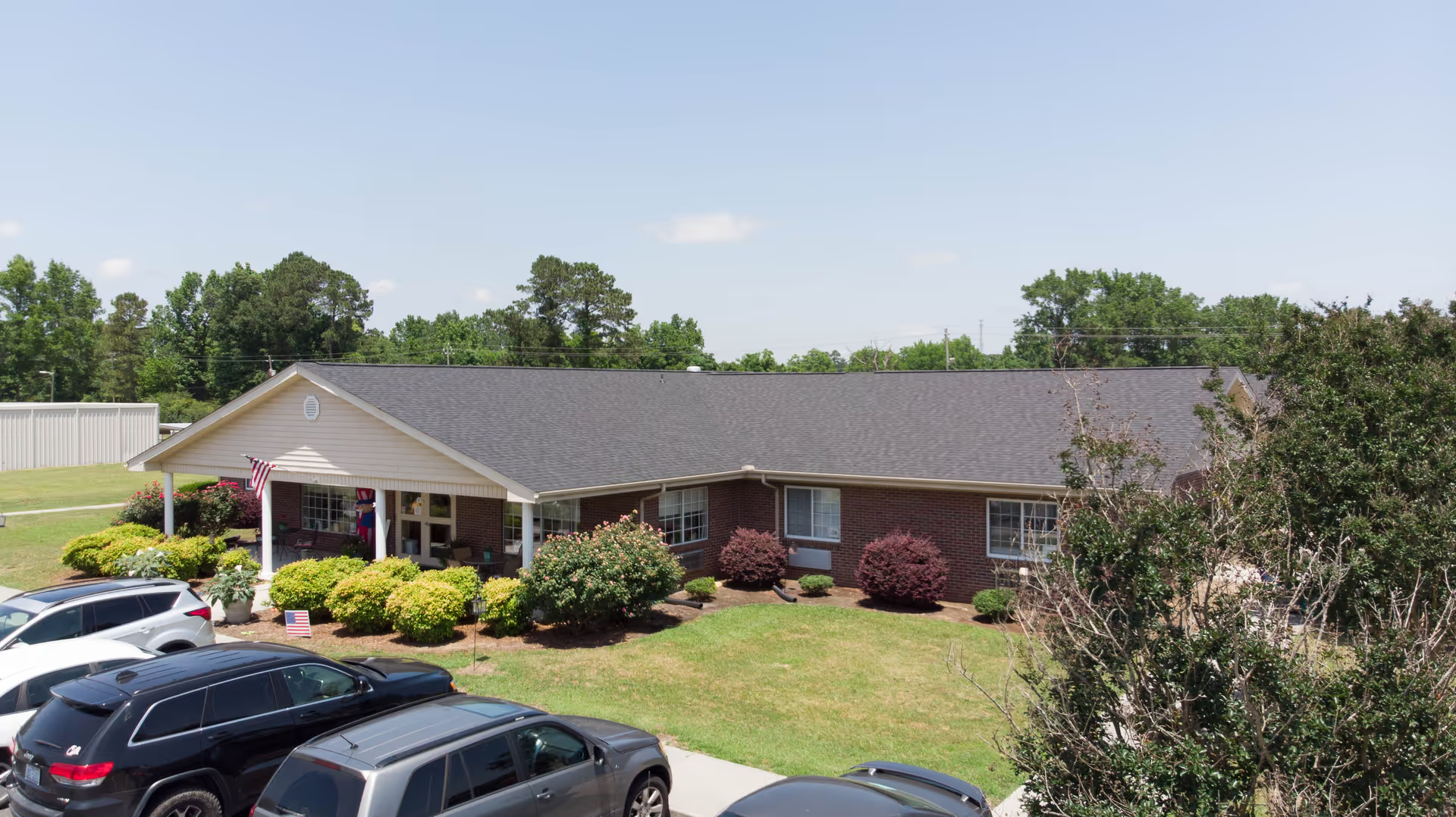
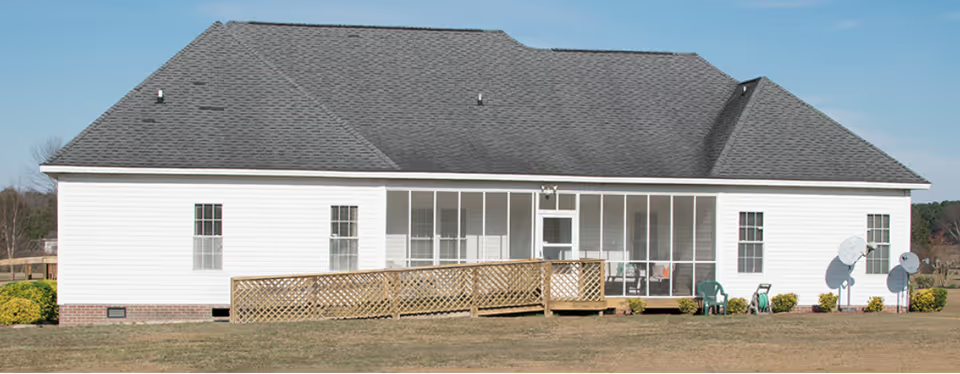
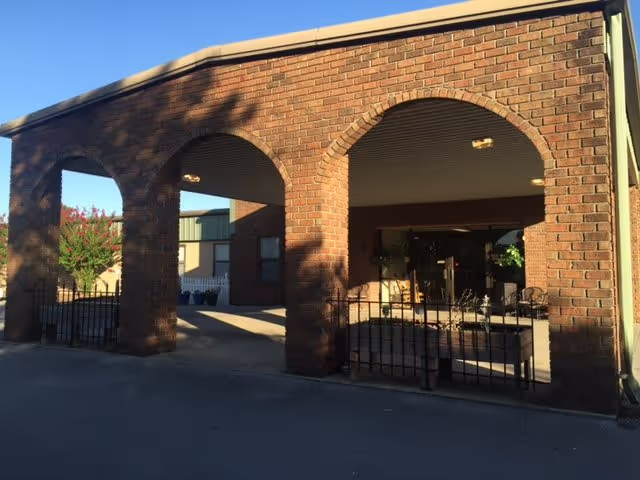
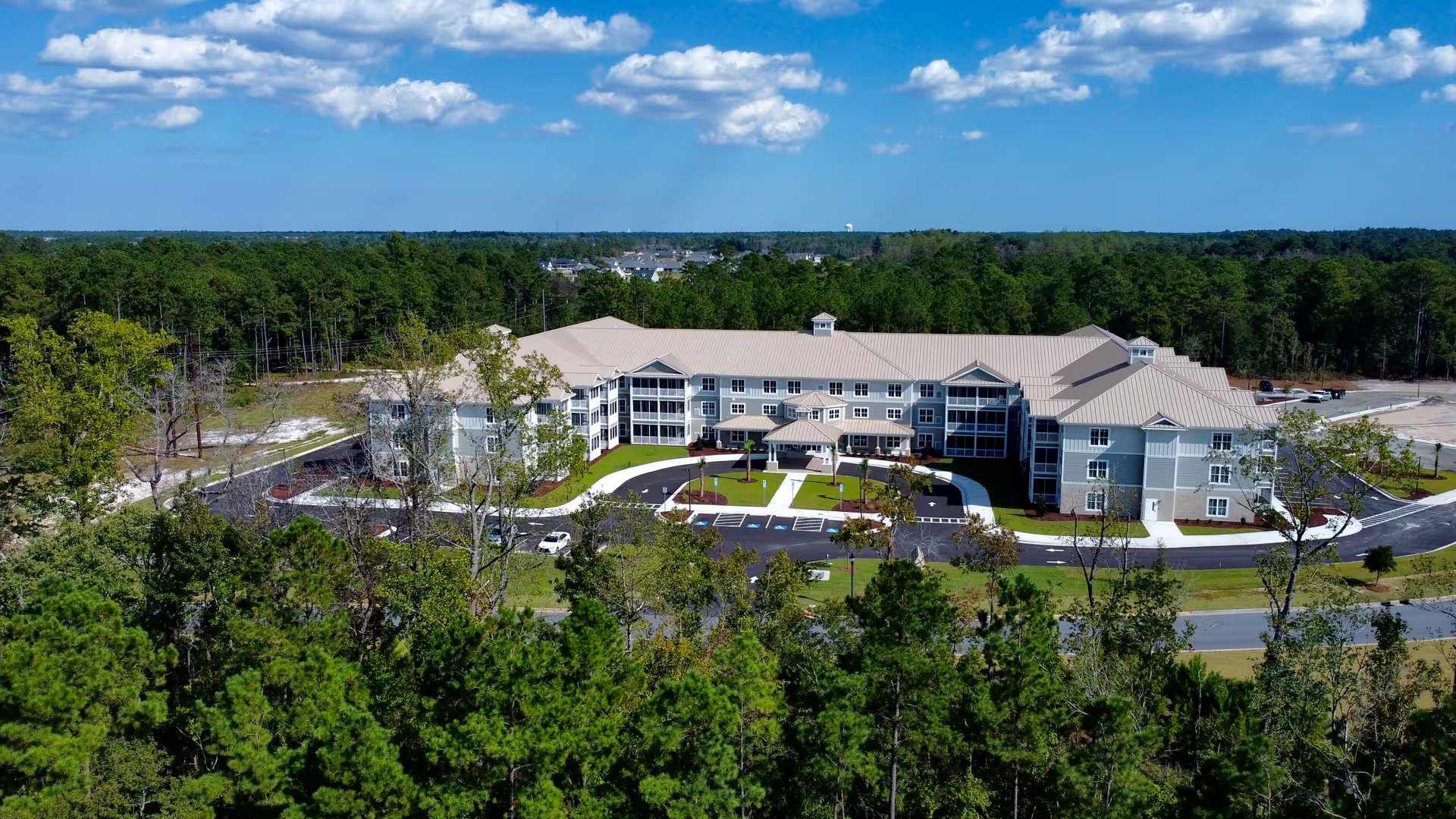
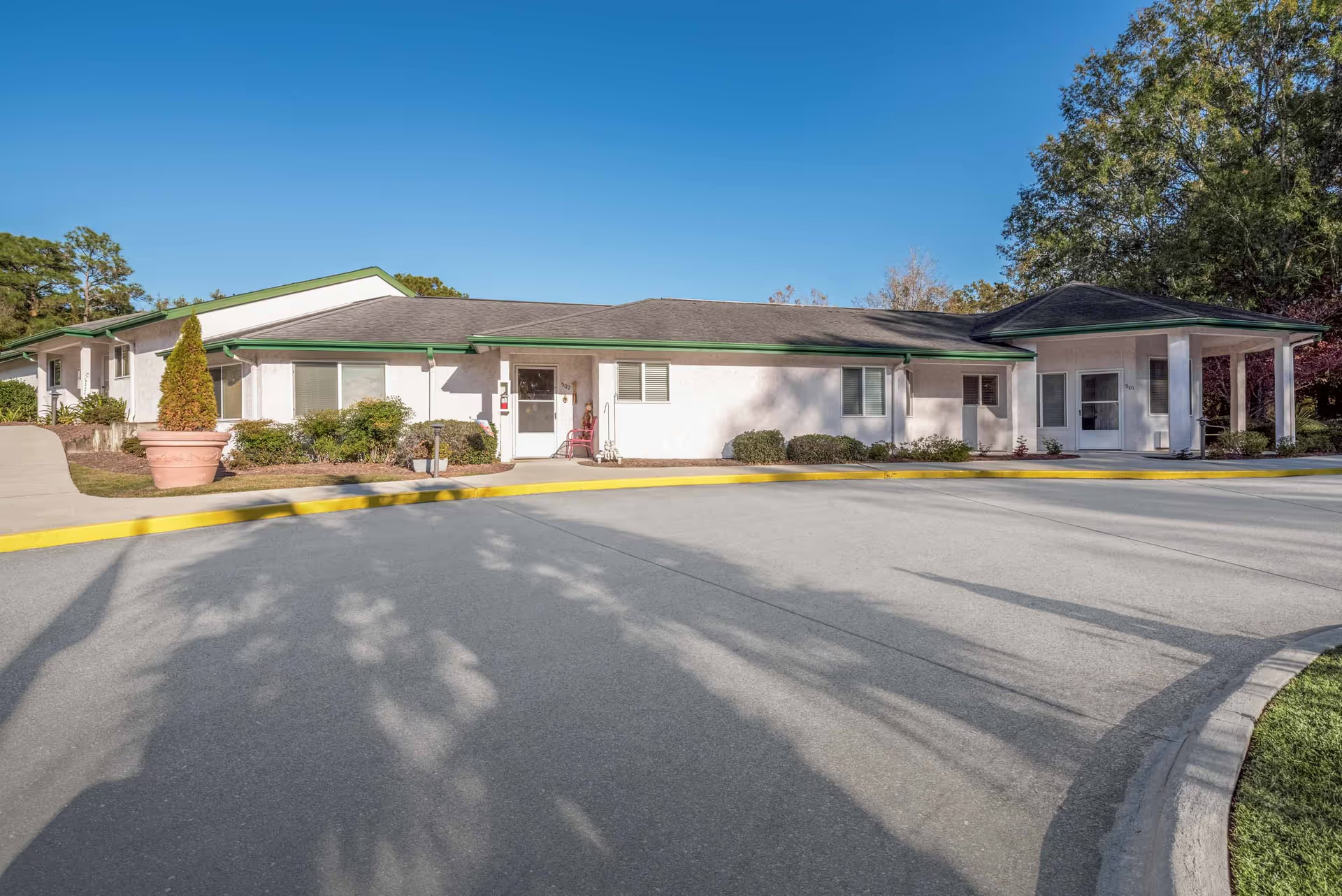
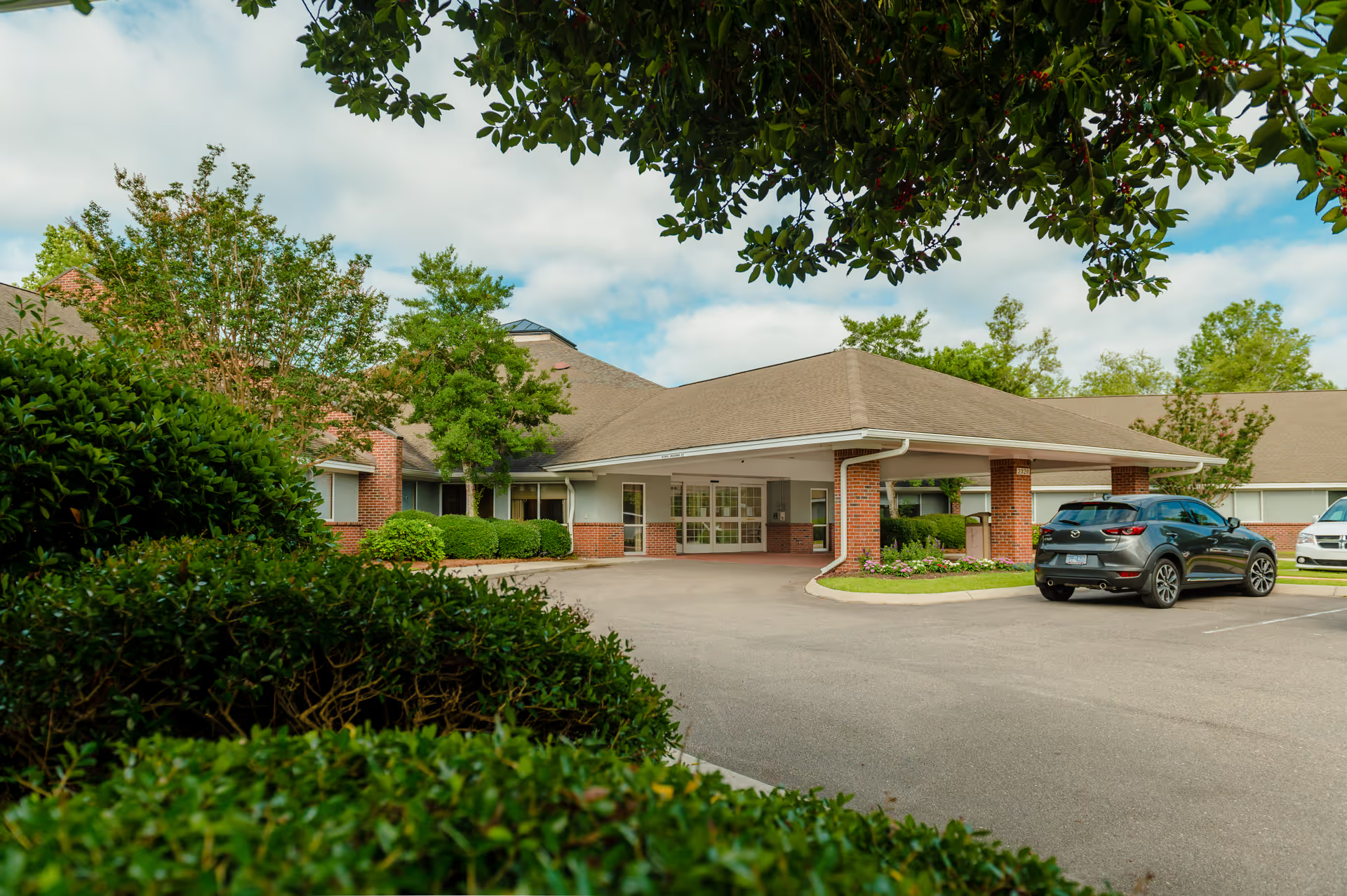
Reviews of Dayspring of Wallace present a mixed but coherent picture. Many families and visitors praise the facility's observable strengths: a clean, well-maintained interior and grounds; a home-like, tastefully decorated atmosphere; private rooms with ensuite bathrooms; and inviting outdoor seating and landscaping. The dining program is described as providing three meals daily with generally positive food quality. The activities program includes regular exercise, walking, bingo, and weekly outings, as well as on-site services such as a beauty parlor and religious services, which reviewers identified as promoting social engagement.
Direct-care staff and on-shift nursing/office personnel receive frequent commendation for compassion and attentiveness. Several accounts highlight individualized attention, staff who take time with residents, and a dedicated director who is on-site during extended hours. These elements appear to contribute to high satisfaction for many residents and families and to a sense of safety and social connection for those satisfied with the placement.
However, there are substantive concerns that prospective families should weigh carefully. A pattern of clinical and operational issues is described, particularly related to the memory-care unit: concerns about medication management and clinical oversight, inconsistent clinical competency among some staff, and placement or assessment practices that may not adequately match resident needs. These descriptions point to gaps in training, supervision, and protocols that can affect residents with complex cognitive or clinical needs.
Administrative and supervisory issues are also noted. Specific operational weaknesses include inconsistent responsiveness to phone calls and mailbox communication, uneven supervisory oversight across shifts, and instances of staff conduct and cultural-sensitivity concerns. While some reviewers praised management and the director's involvement, others described delays or unprofessional behaviors from supervisory personnel. Facility design details that matter for dementia care were also raised (for example, storage and fixture heights that are not dementia-friendly), suggesting the physical environment may require adaptation for some residents.
In summary, Dayspring of Wallace offers many of the features families seek in a senior community — a clean, attractive environment, active programming, and staff members who are caring in many cases. At the same time, there are recurring operational and clinical concerns, particularly around medication oversight, memory-care practices, staff training, and administrative responsiveness. Prospective residents and families should conduct targeted inquiries during a visit: review medication-management protocols, ask about memory-care staff training and supervision, observe staffing levels and interactions on the unit of interest, and test the facility's communication channels with administration. These steps can help determine whether the facility's strengths align with an individual resident's clinical and psychosocial needs.