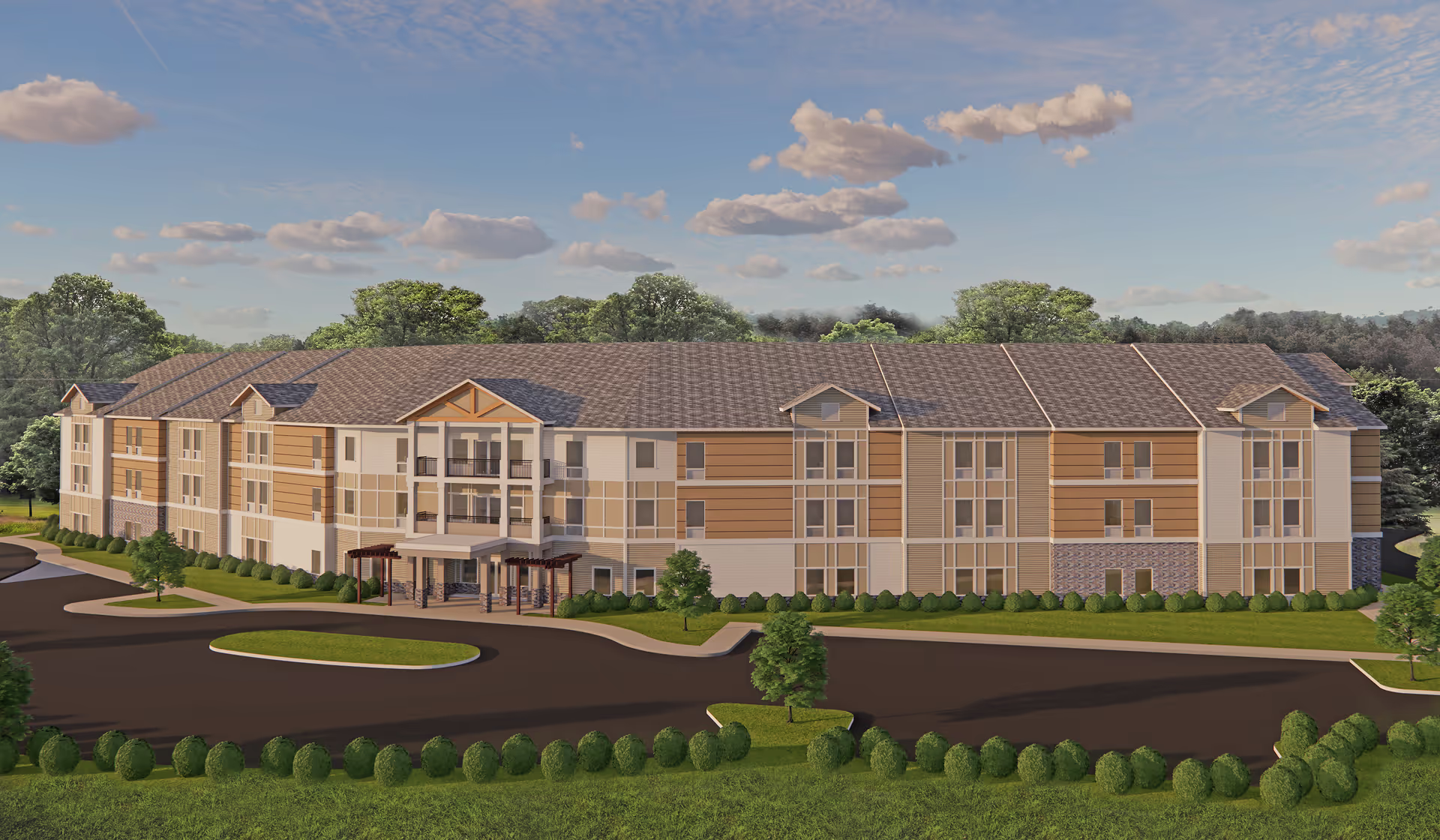
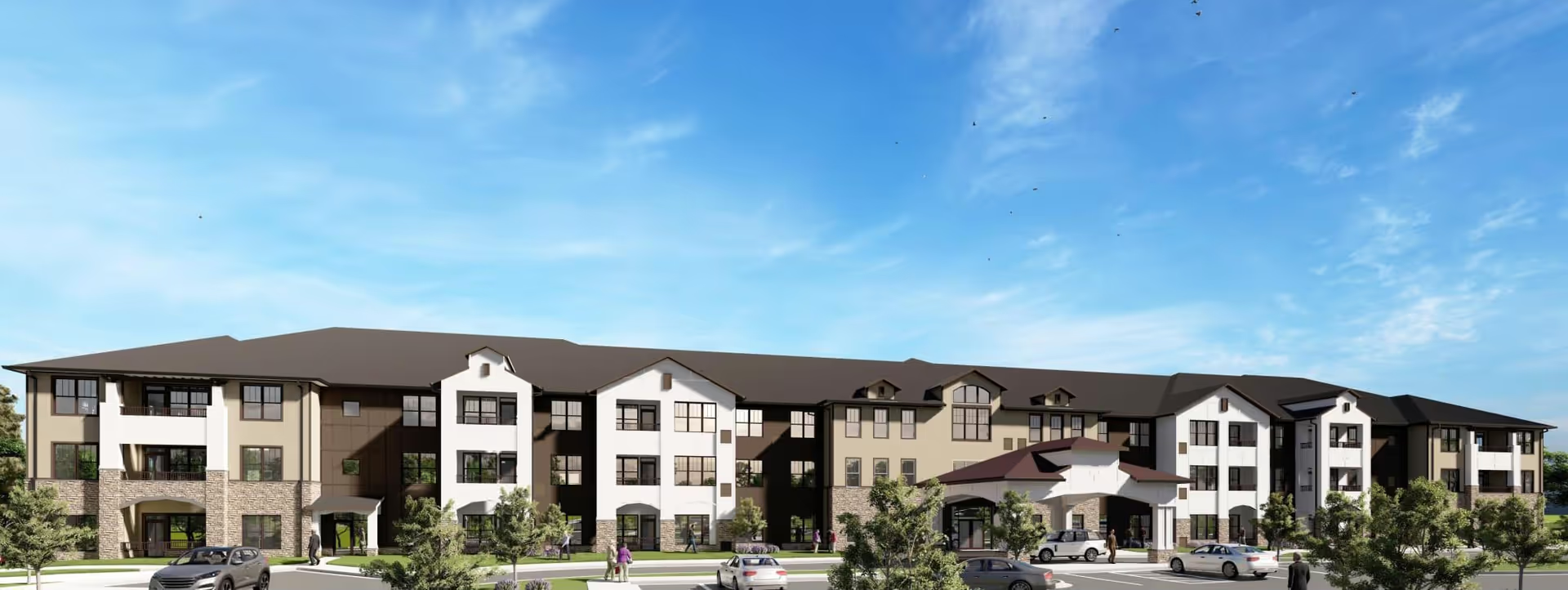
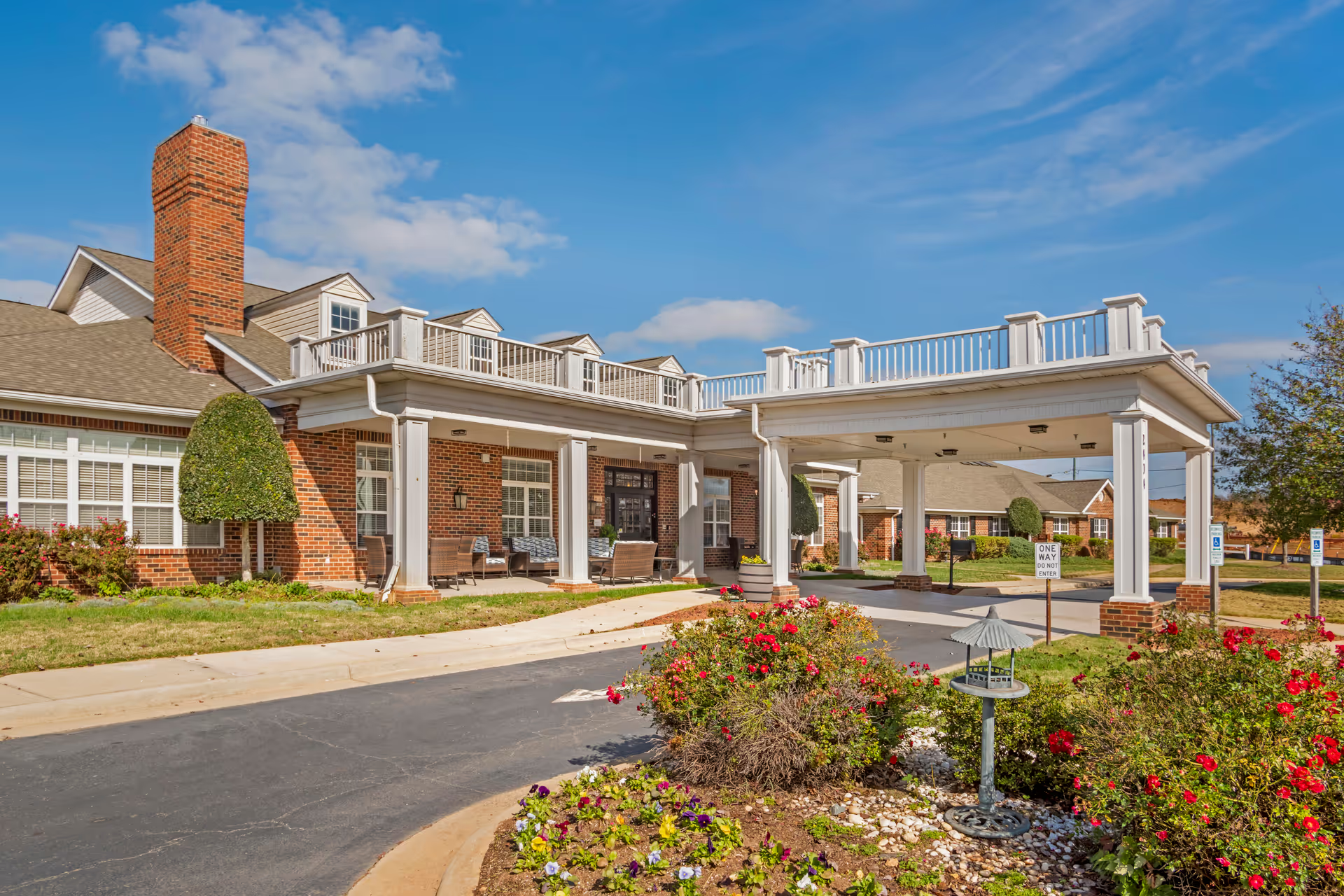
White Oak of Waxhaw elicits strongly mixed impressions. Many families and residents praise the facility's rehabilitation services, therapy staff, and overall environment: the physical therapy program and rehab gym receive repeated positive comments for mobility gains and return-to-home progress. Reviewers also consistently highlight a bright, clean, well-maintained building with spacious private rooms, pleasant dining areas, and attractive outdoor and garden spaces. Social and recreational programming (Bingo, live music, outings and other activities) is active and often cited as a meaningful quality-of-life feature.
Staffing perceptions are polarized. A large number of accounts describe compassionate, attentive nurses, aides, therapists, and support staff who provide strong communication with families, daily updates, and end-of-life support. Those experiences emphasize interpersonal warmth and family-like care. At the same time, a substantial set of concerns points to inconsistent responsiveness—particularly during shift changes and on weekends—and variability in clinical attentiveness. These operational inconsistencies translate into long waits for assistance, uneven personal-care attention, and differences in staff conduct and tone.
Clinical and operational patterns are mixed. The facility's rehab and therapy capabilities are a clear strength, but reviewers raise repeated issues about medication administration accuracy, documentation and care coordination, and wound/infection-control practices. Several reviews describe delays in recognizing and escalating acute clinical changes, and a few serious individual claims include concerns following resident harm and end-of-life care; these items warrant further inquiry by prospective families and should be verified with the facility and regulatory records. Discharge coordination and post-discharge guidance are noted as areas needing improvement, with some families describing confusion about medication and therapy instructions at discharge.
Dining and nutrition receive generally moderate marks: the facility offers multiple dining rooms, an a la carte breakfast option, and helpful kitchen staff, but food quality can be bland or inconsistent and therapeutic meal customization (for example, strict diabetic menus) is described as limited. Administrative interactions are another recurring theme: positive experiences with front-desk and admissions staff exist, but there are also reports of cumbersome check-in/check-out, billing disputes, and communication tone concerns, including perceived bias in isolated interactions.
In summary, White Oak of Waxhaw appears to offer a strong rehabilitation program, clean facilities, and many staff who provide compassionate care and active programming. However, operational variability—notably in responsiveness, medication and wound-care practices, discharge coordination, and administrative communication—represents potential risk factors. Prospective residents and families should weigh the facility's rehab strengths and environment against these variability patterns, visit during different shifts, ask about staffing levels and clinical protocols, and review recent quality reports and incident histories before making a decision.