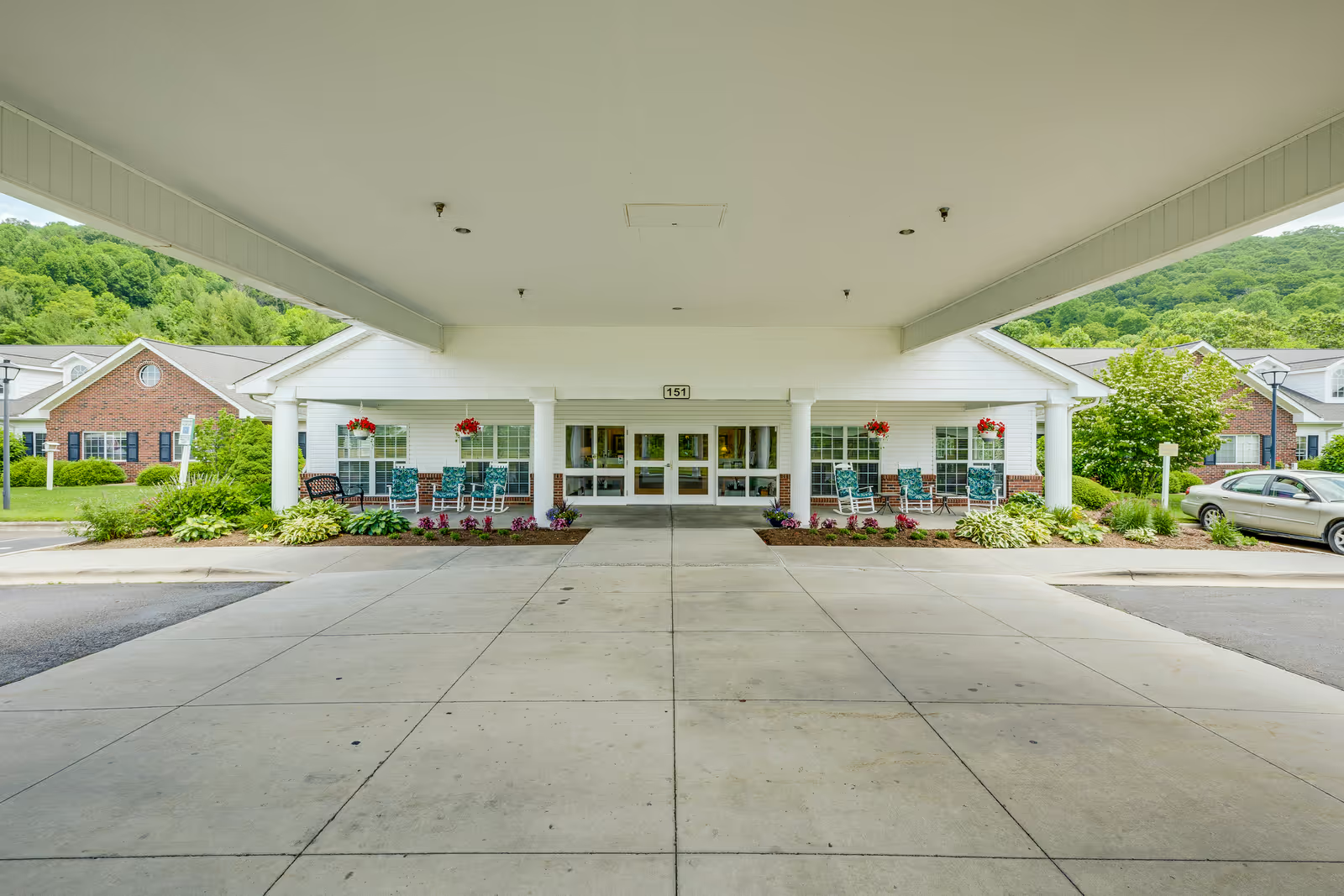
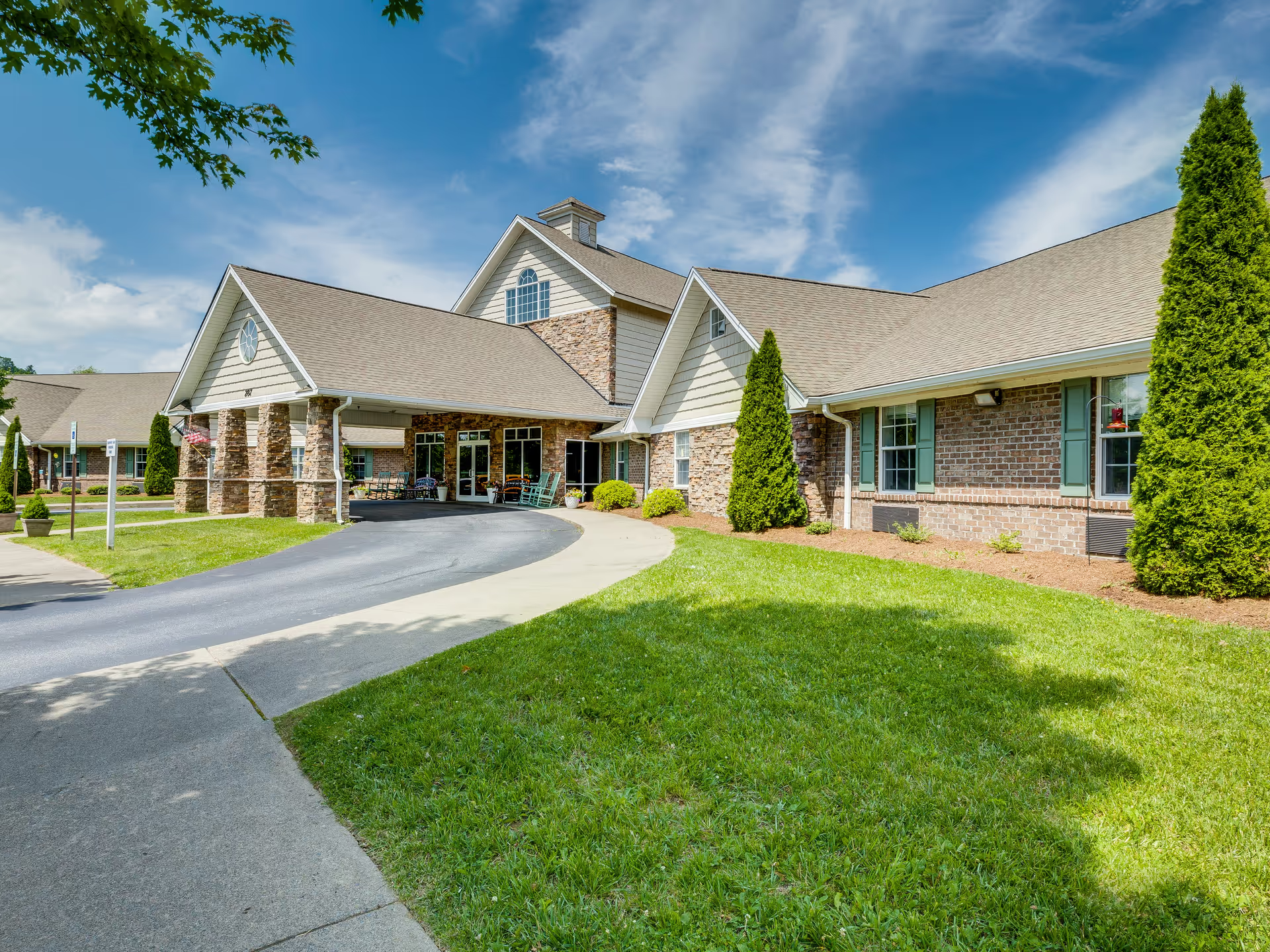
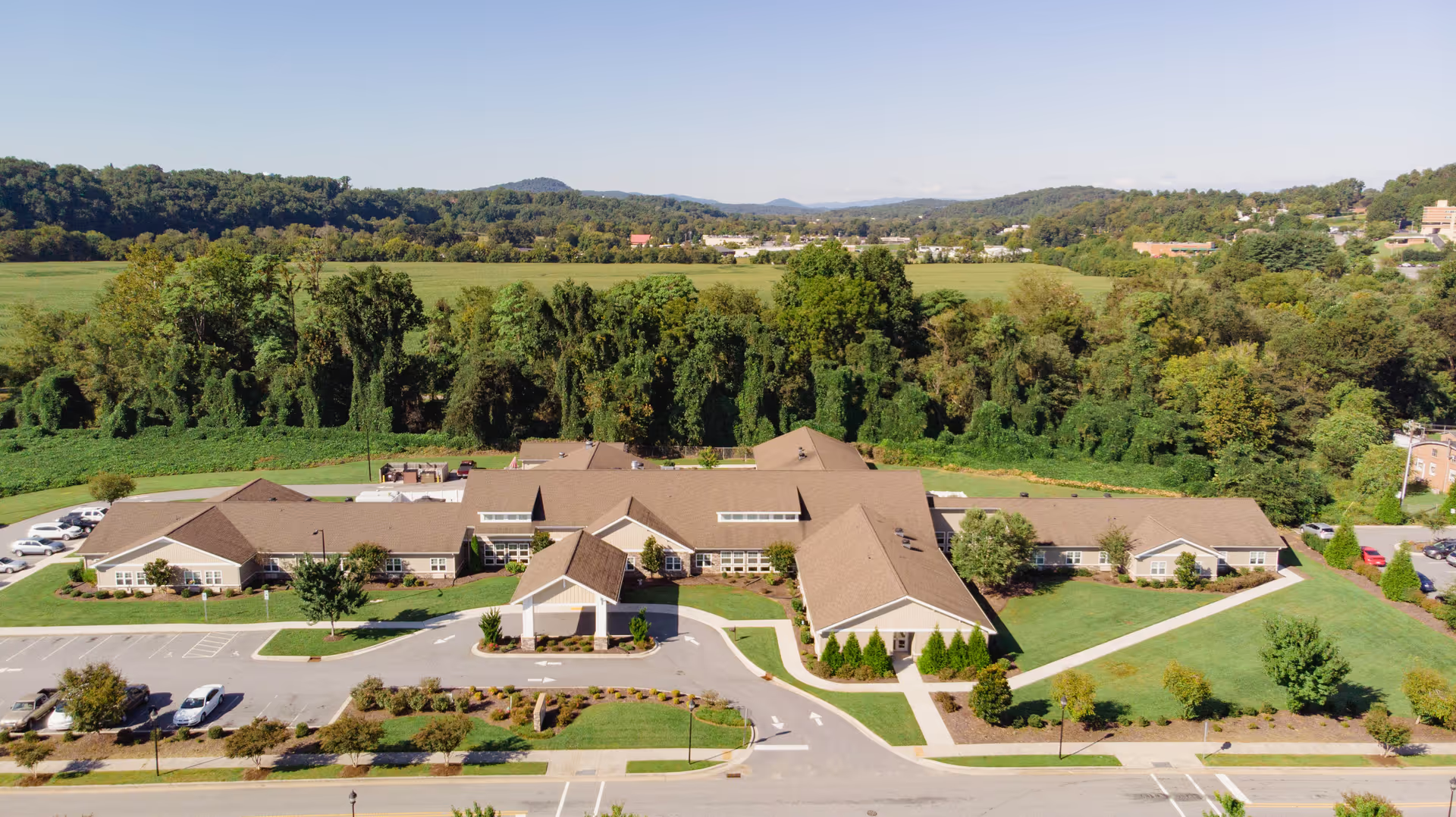
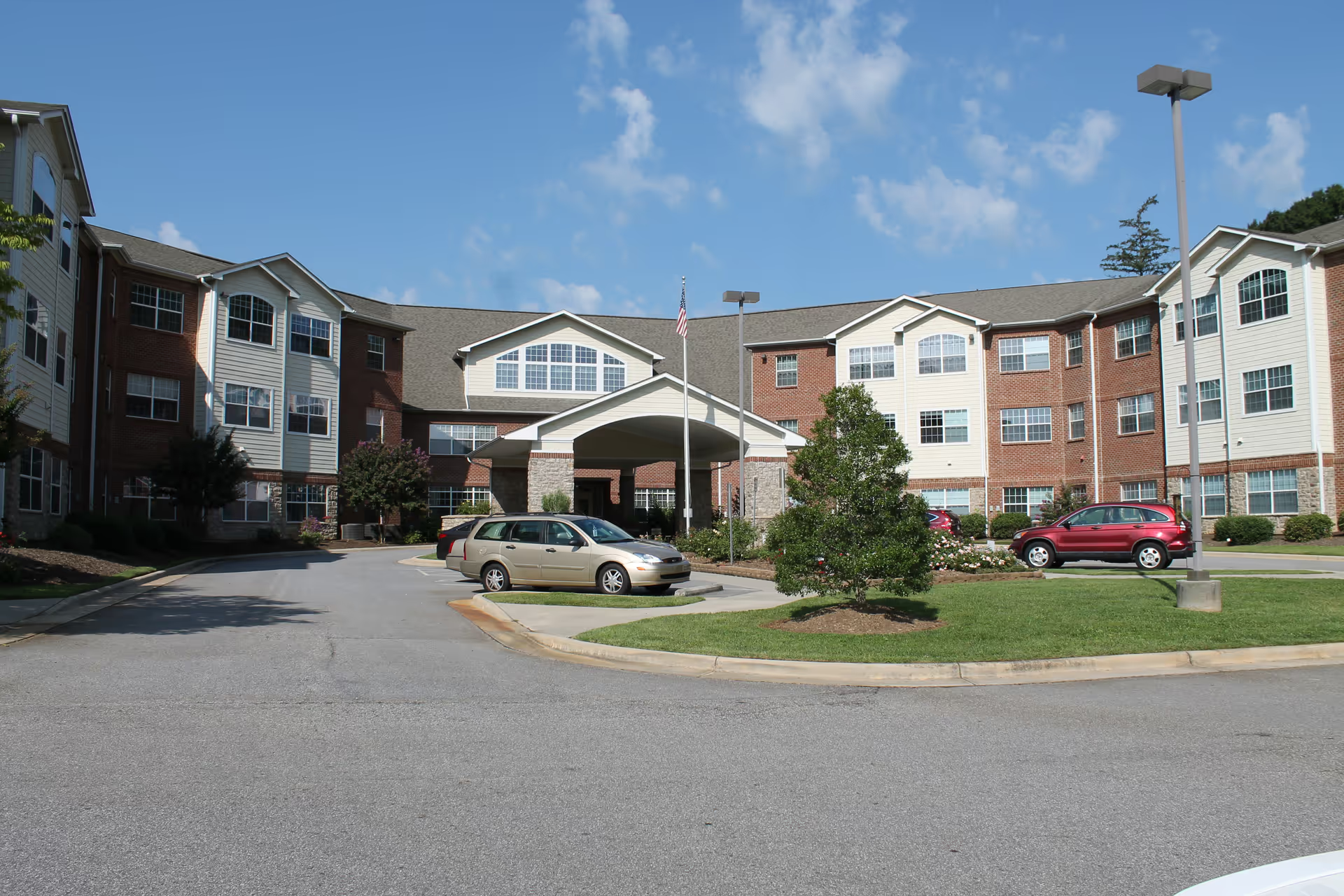
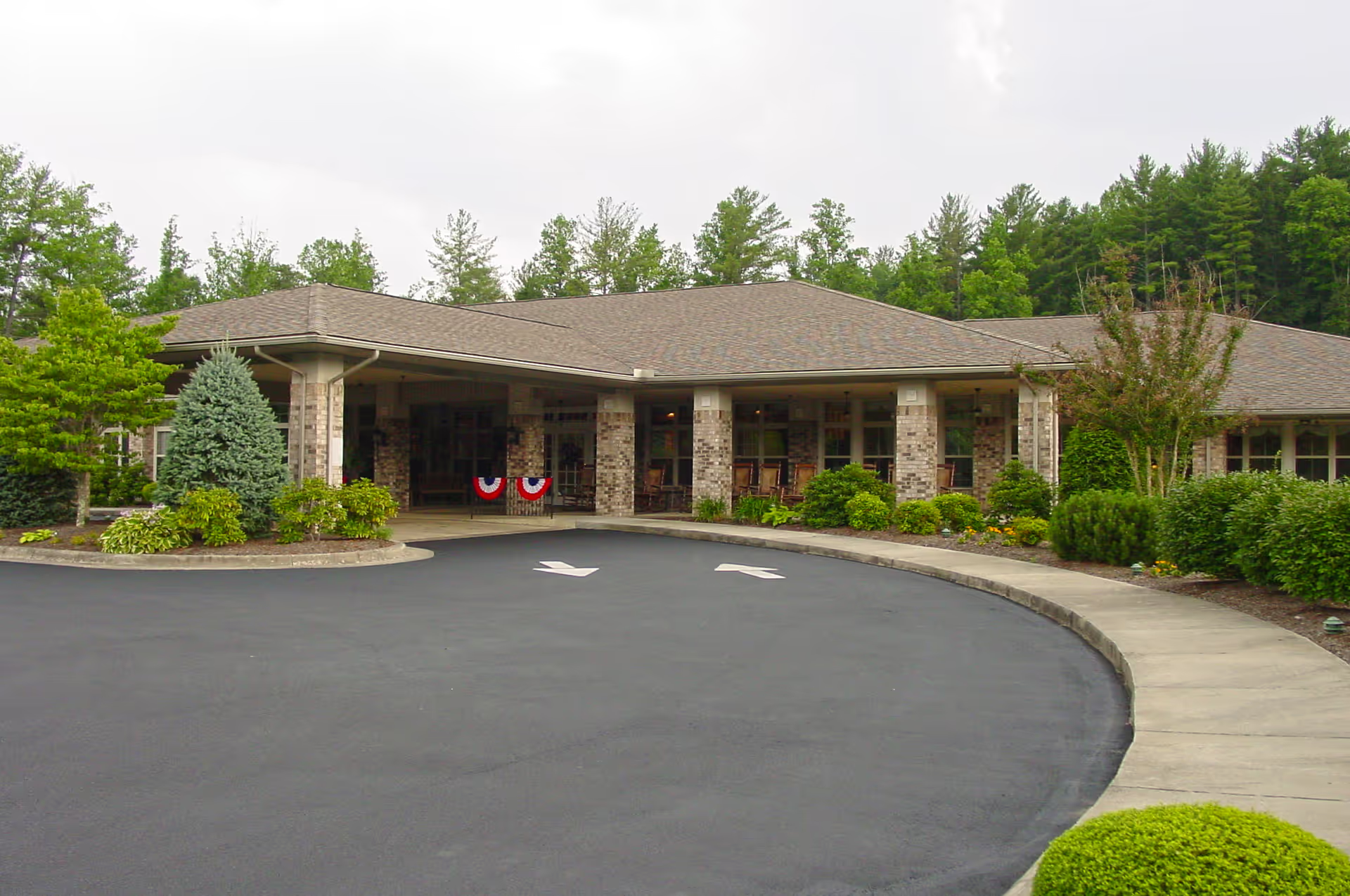
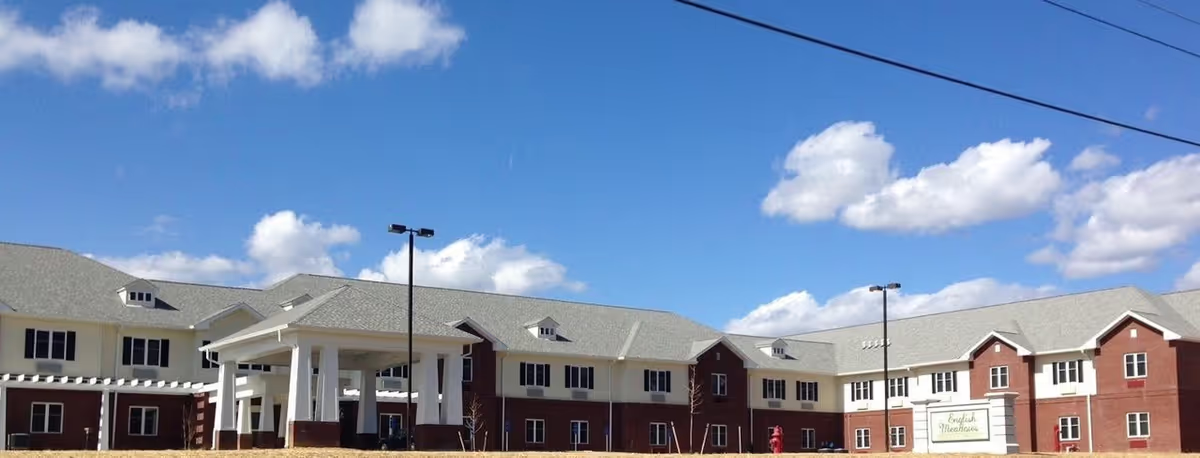
The review set for Generations Ashe Assisted Living presents a mixed portrait. Many comments emphasize a clean, well-kept physical environment and a strong program of activities that encourages residents to remain social and engaged. Families cited pleasant common areas and efficient, tidy rooms, and several notes praise tasteful meals and clear communication between staff and family members. Those positive impressions include descriptions of caregivers who are compassionate and respectful, and of programming — games, movies, gatherings — that residents enjoy and that contribute to a sense of safety and comfort.
At the same time, a number of operational concerns recur across the narratives. The most prominent pattern is inconsistent responsiveness: delays in answering call bells or attending to resident needs, and delays in personal-care assistance including incontinence-care support. These issues suggest variability in staff availability or prioritization of tasks during certain shifts. Relatedly, reviewers described staff distraction (notably use of personal devices while on duty) and variability in staff communication tone, which families experienced as dismissive or brusque in some interactions.
Several comments point specifically to challenges in the memory-care setting and to uneven attentiveness for residents with higher care needs. Those remarks indicate potential gaps in dementia-focused engagement or in timely assistance for residents who require closer supervision. There are also observations about perceived favoritism among staff and inconsistent management oversight; these indicate concerns about workplace culture and how staff conduct and complaints are handled. One review contains a serious allegation of an inappropriate staff remark made during an acute resident event; that comment stands apart from routine care concerns and would warrant direct inquiry and investigation by prospective families and regulators as appropriate.
For families considering this community, the facility’s strengths — cleanliness, active programming, and many individually positive staff interactions — are notable and may align well with residents seeking an engaged assisted-living environment. At the same time, prospective residents and their families should directly assess operational reliability during their tour: ask about staffing ratios by shift, call-bell response times and monitoring, personal-device policies for caregivers, dementia-care staffing and training, and the facility’s processes for incident reporting and resolution. Requesting recent staffing schedules, examples of staff training in dementia care, and references from current families can help clarify whether the observed operational issues are isolated or systemic.
Overall, the community displays clear strengths in facilities and programming alongside actionable concerns in day-to-day care responsiveness and staff conduct that merit focused questions and verification during the decision process.