The reviews present a polarized picture of Hickory Ridge Nursing & Rehab Center. Many families and residents praise specific caregivers, therapy staff, and social programming; others describe operational and clinical inconsistencies that materially affect resident experience. This creates a mixed overall impression in which pockets of strong, resident-centered care coexist with recurring process and staffing problems.
Care and staff: Several reviewers described compassionate, skilled caregivers—particularly on day shifts—and specialists who understand dementia care needs. Therapy and rehabilitation services receive repeated positive mention for improving function and facilitating successful transitions. At the same time, there is a consistent pattern of uneven staffing (notably weaker night coverage), slow responses to call bells, and variability in staff communication tone. These operational shortfalls have led families to intervene in care at times and have produced anxiety for some residents overnight. There are also specific and serious claims about mishandling of personal items; reviewers include allegations of theft and inappropriate handling of belongings.
Dining and activities: Activity programming and opportunities for socialization are frequently cited as strengths; some residents experienced one-on-one attention and robust group activities. Dining experiences are inconsistent: some reviewers report appetizing meals and regular linen changes, while others note late or cold meals, difficulty accessing food, and unmet laundry expectations. Meal-service continuity and food temperature control emerge as operational areas needing improvement.
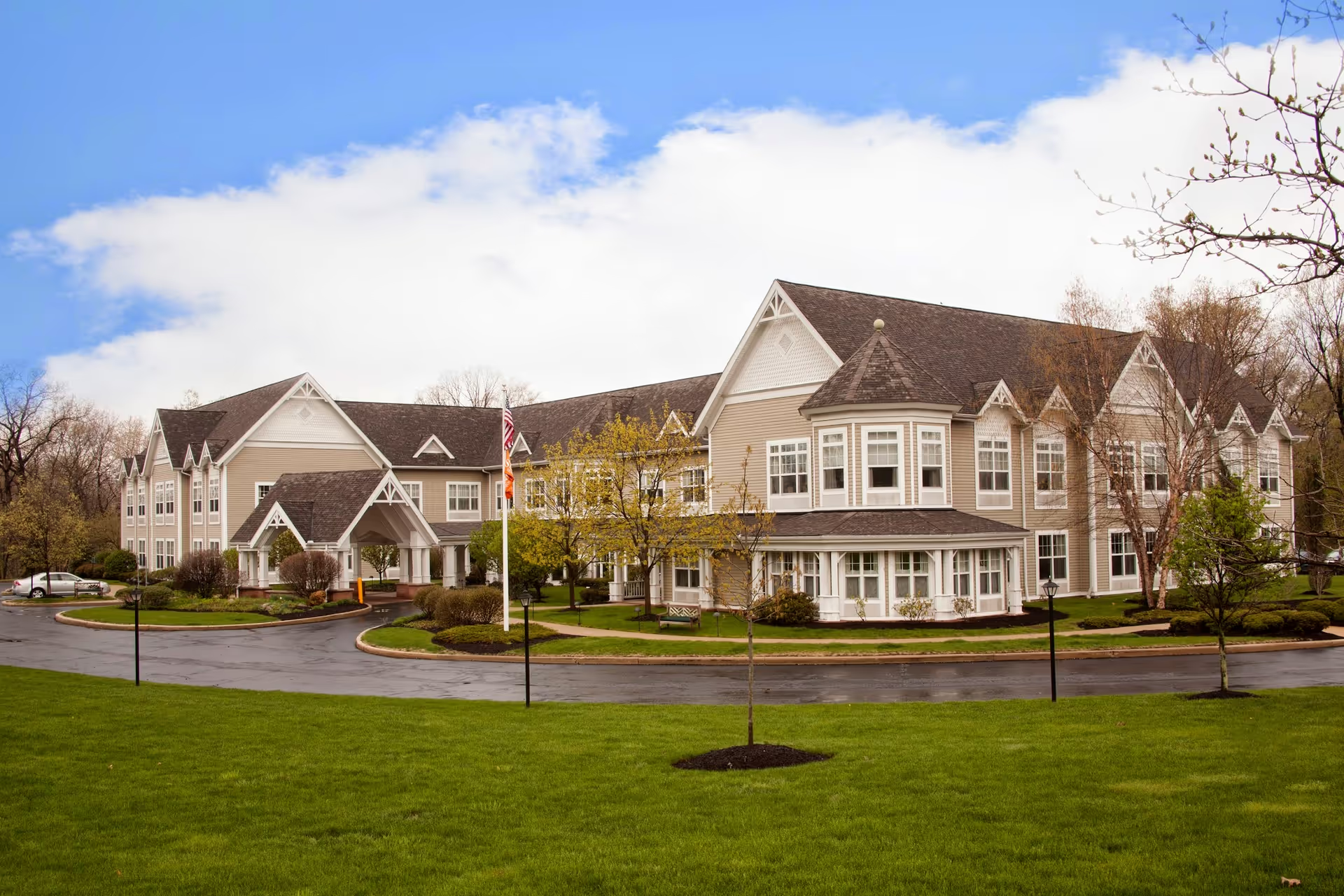
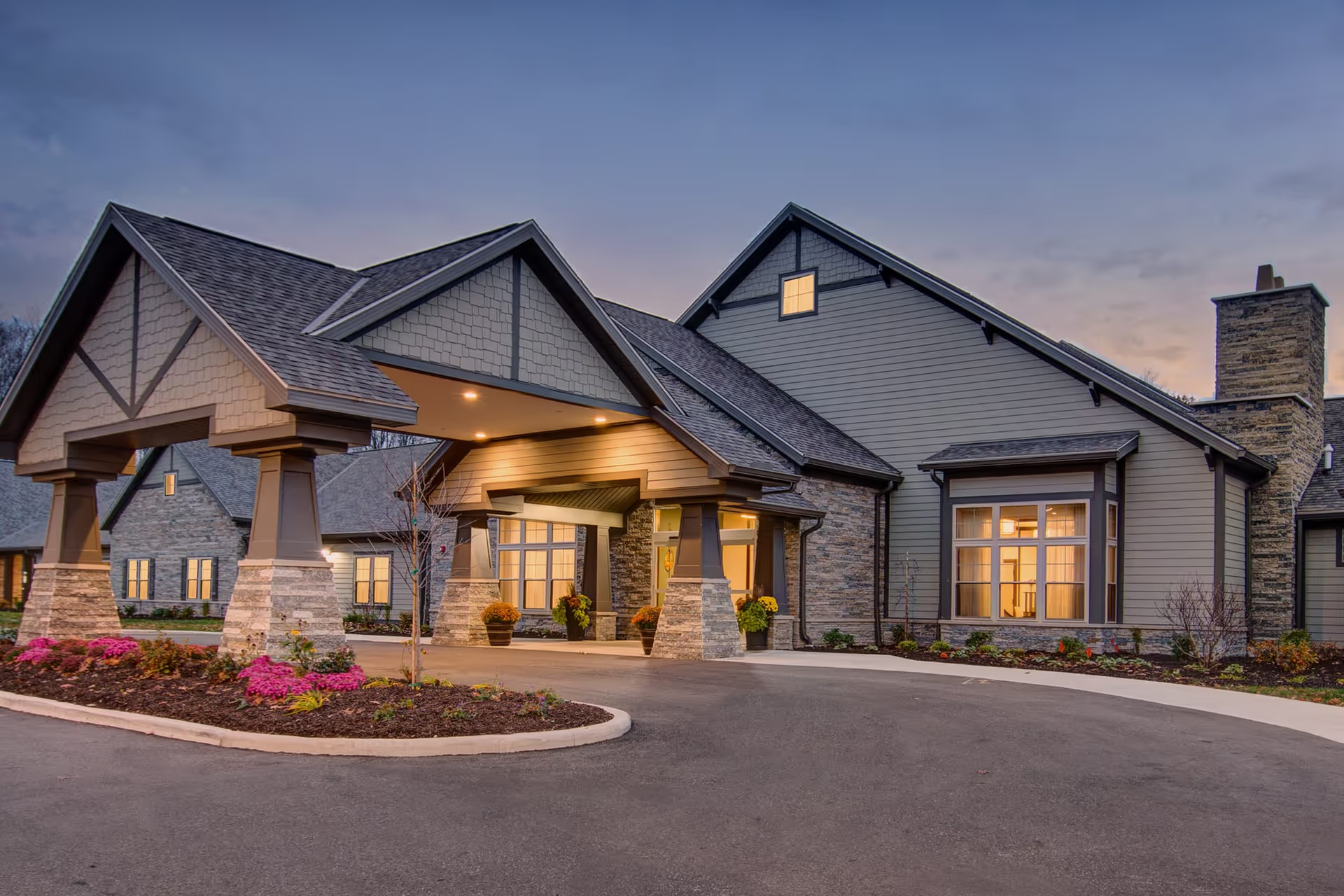
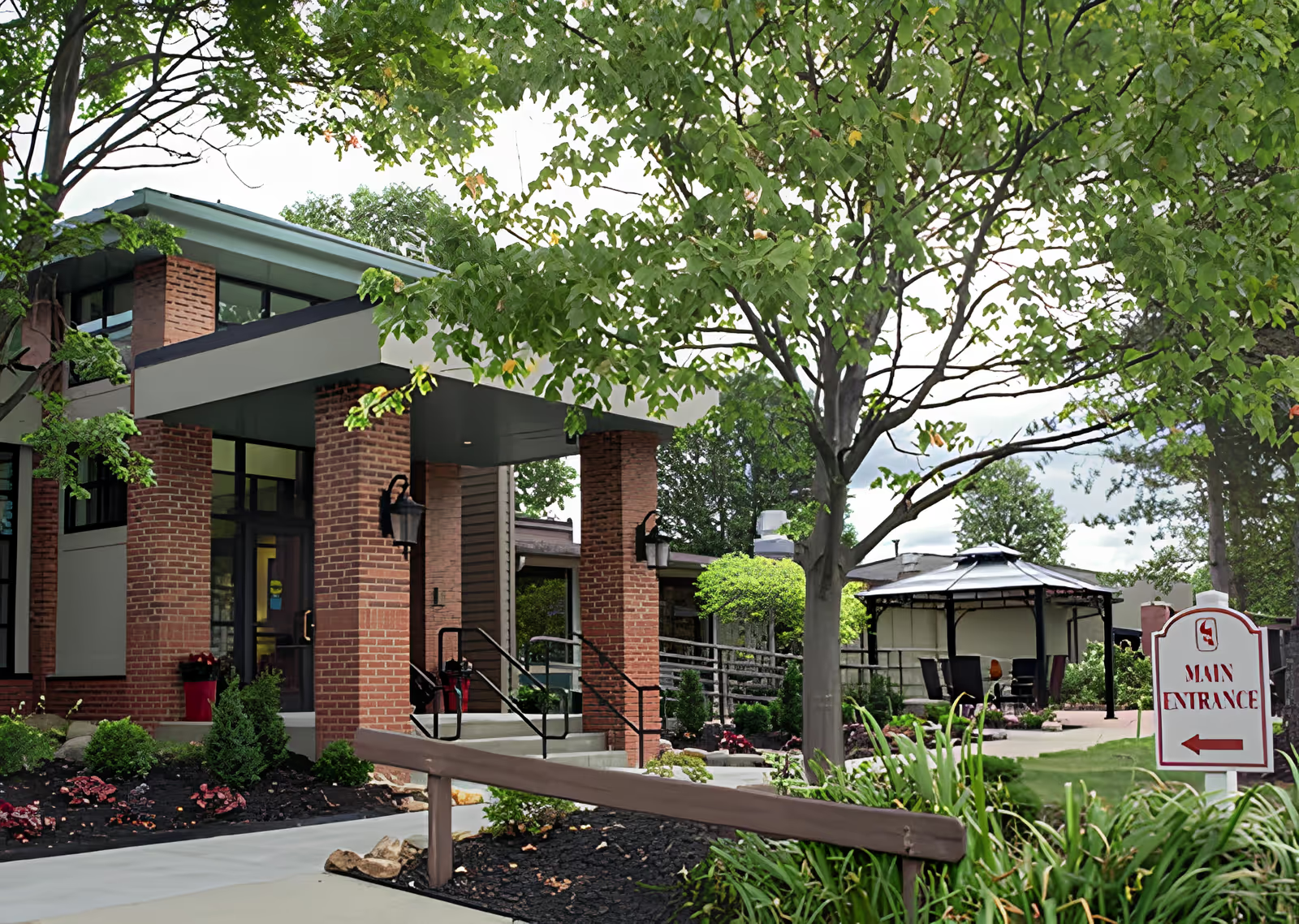
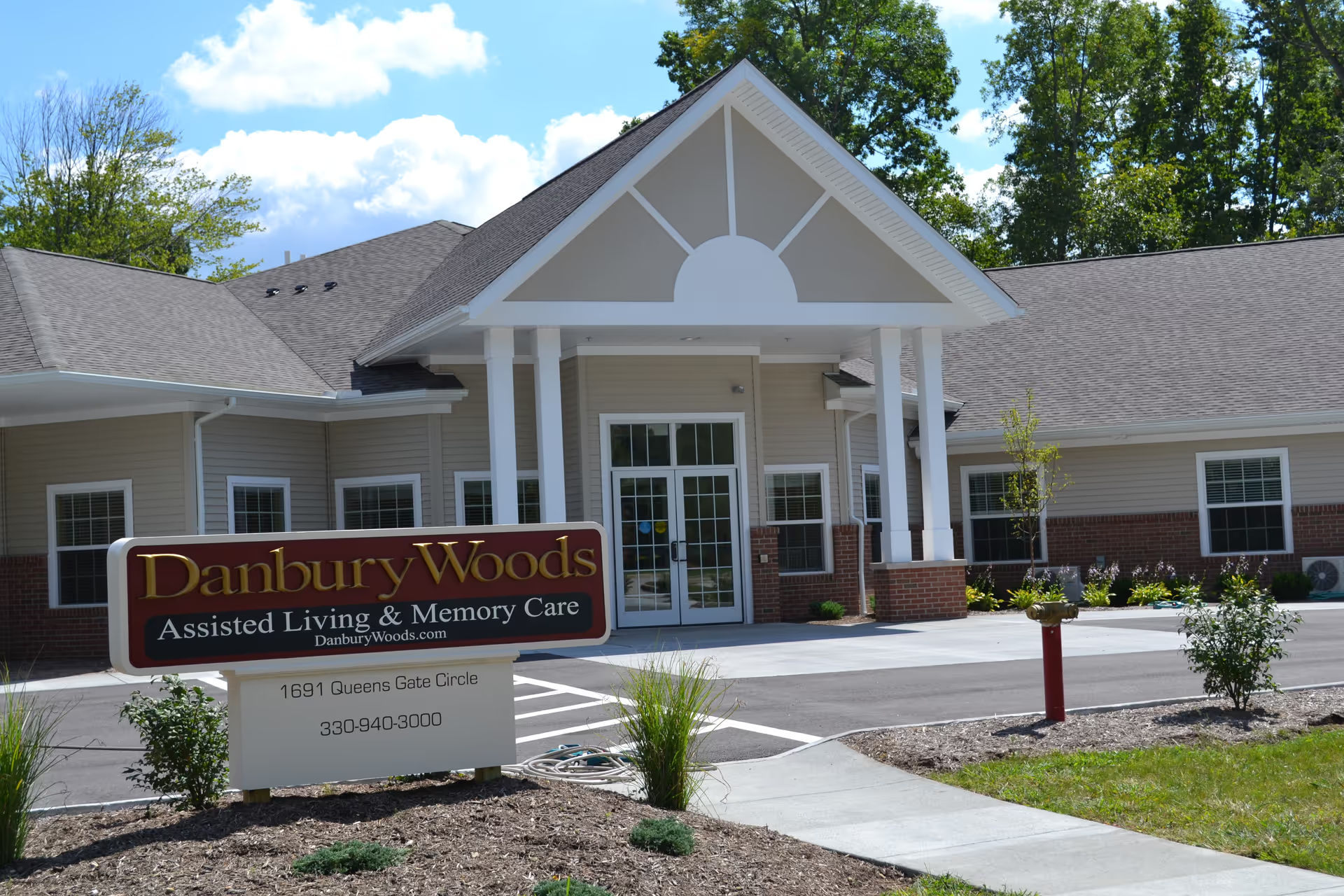
Facilities and cleanliness: Portions of the facility are described as clean and well-maintained, yet multiple accounts identify sanitation concerns and localized odor issues in common areas or wings. Reviewers also flagged inconsistent bathing schedules and incontinence-care delays. Building-level maintenance issues—such as climate-control problems and aging infrastructure—appear intermittently, affecting resident comfort.
Management, safety, and administration: Families reported variability in administrative responsiveness, including delayed disclosure of infectious events, difficulties obtaining records, and post-discharge/billing irregularities. Security and belongings-handling processes are a concern for some reviewers. While certain managers and nursing leaders receive positive mention for being engaged, recurring comments about understaffing, inconsistent communication with families, and uneven enforcement of procedures suggest systemic operational gaps.
Notable patterns and considerations: Prospective residents and families should weigh the facility’s strengths in dementia care, therapy services, and activity programming against documented inconsistencies in staffing, responsiveness, hygiene processes, and administrative practices. Where possible, visit at different times of day (including evenings/nights), ask about night staffing ratios, infection-control and belongings-security policies, meal-access routines, and how the facility communicates incidents to families. These targeted questions can help determine whether the areas of strength align with a prospective resident’s priorities and whether the facility’s operational gaps are being actively addressed.