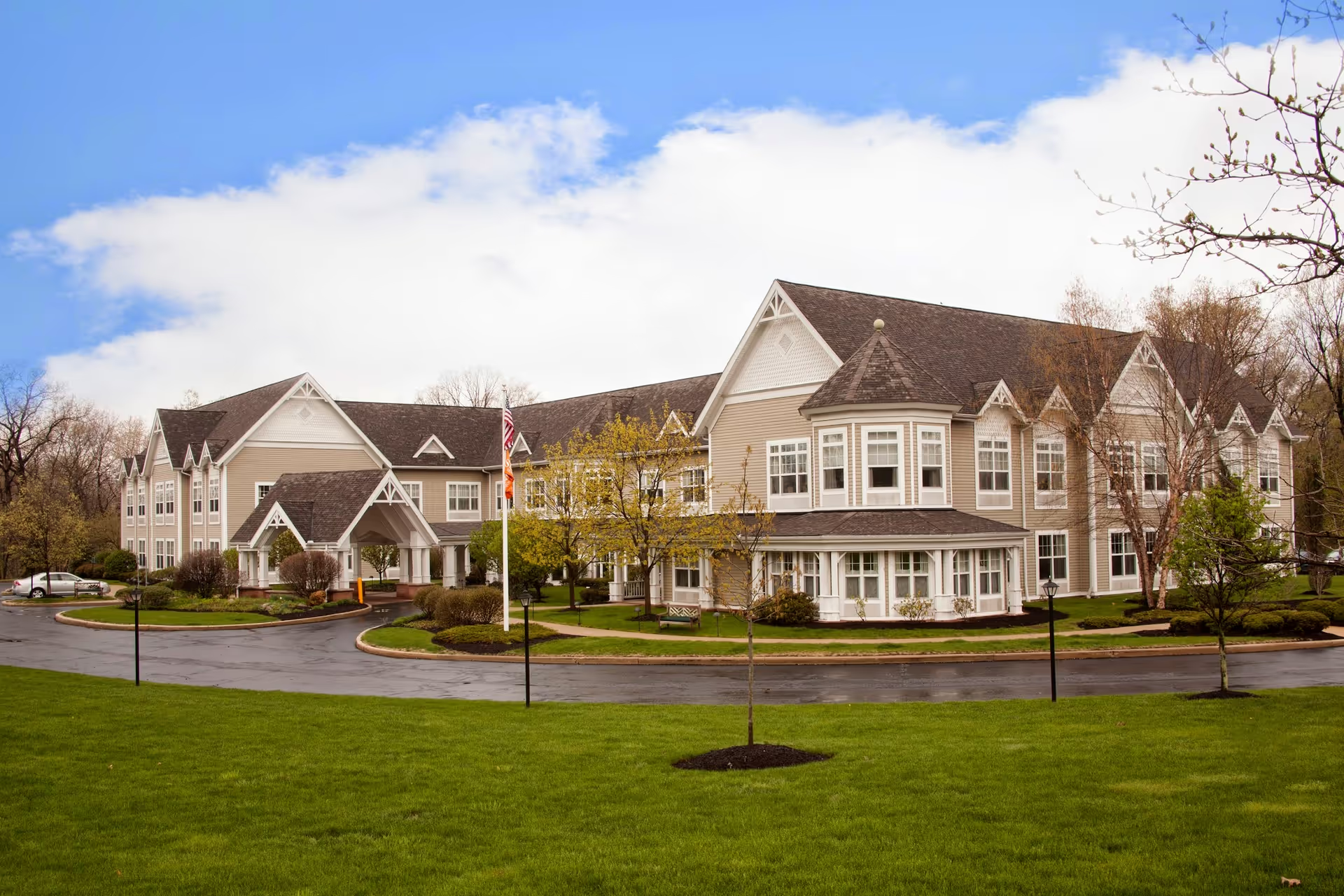
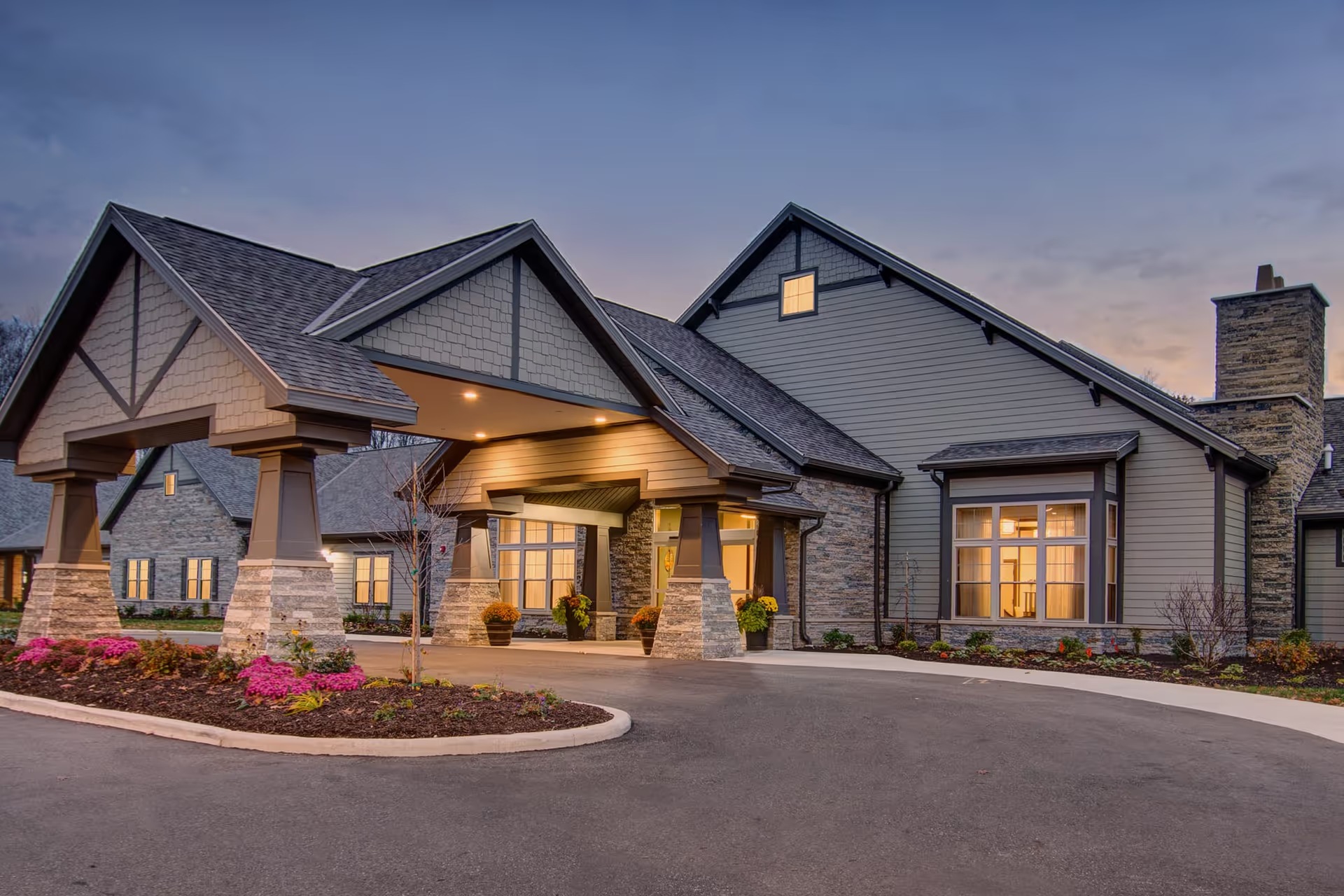
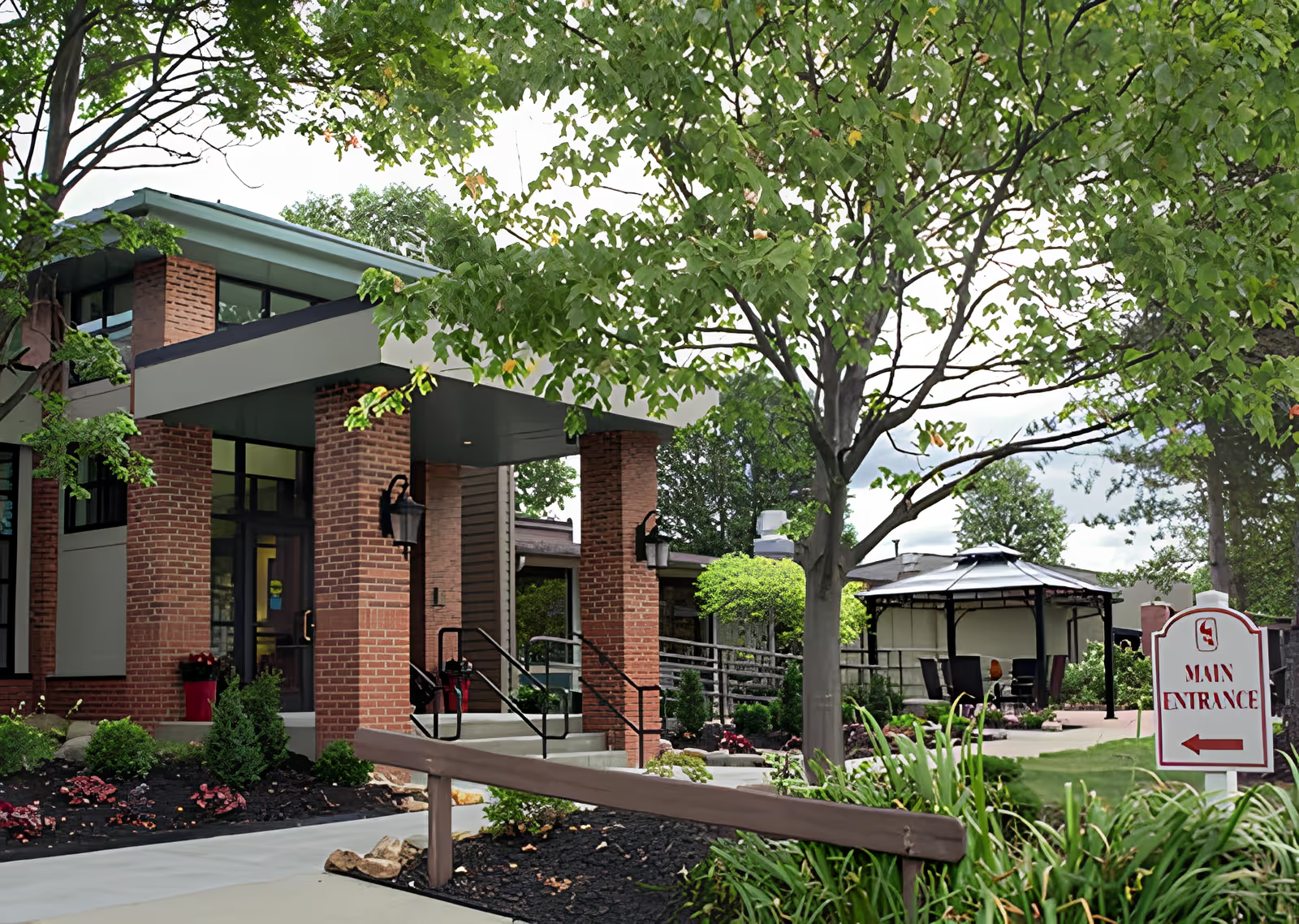
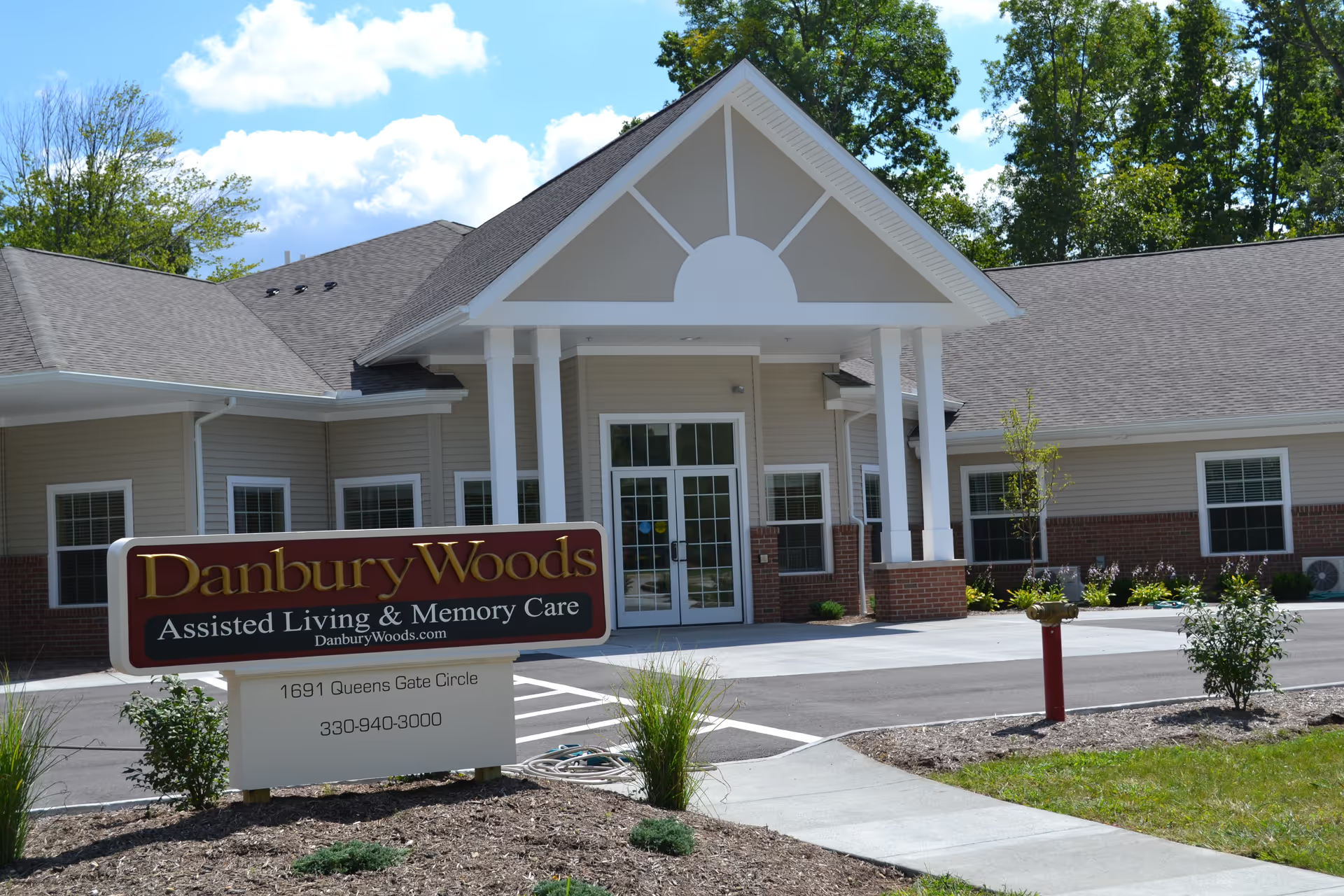
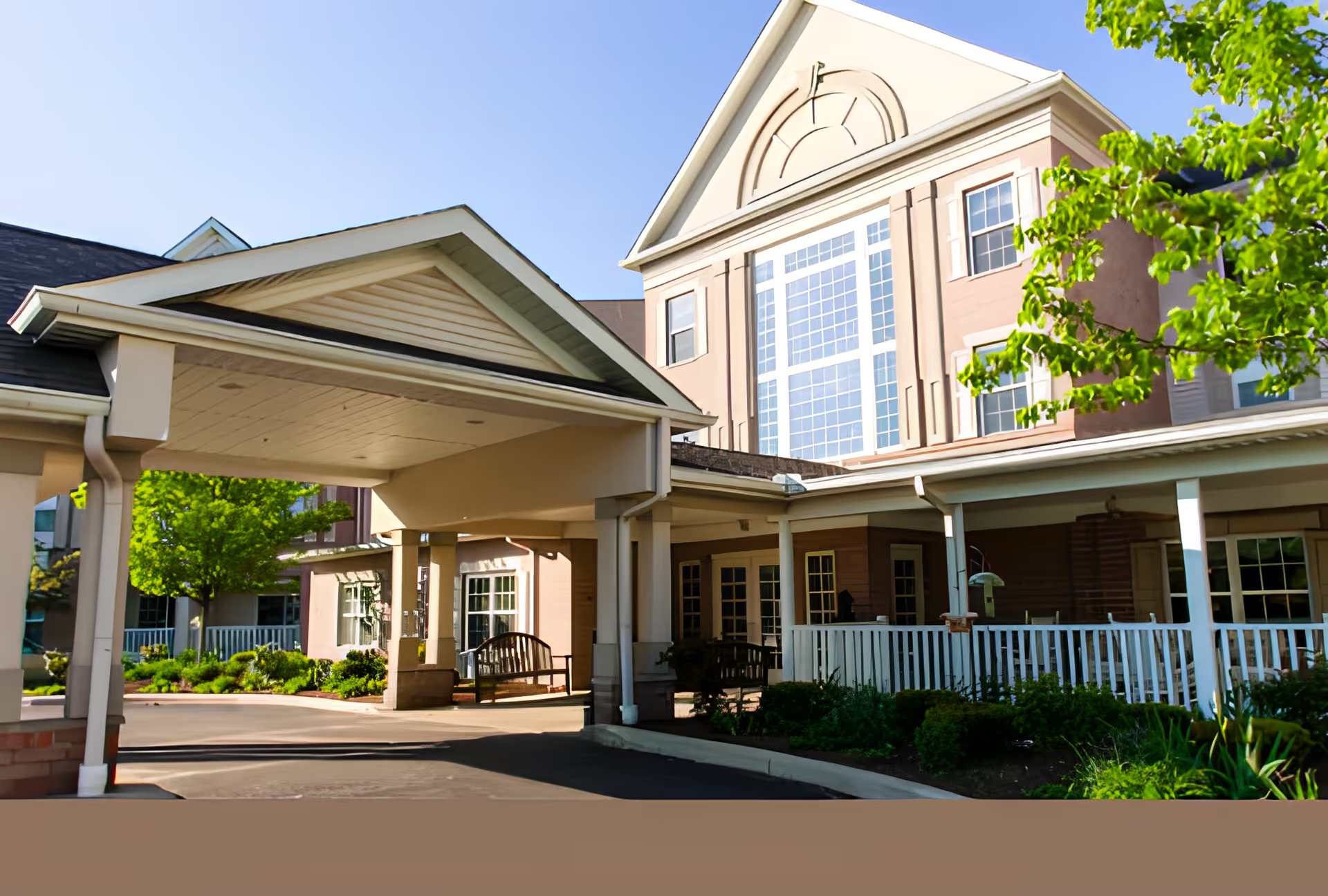
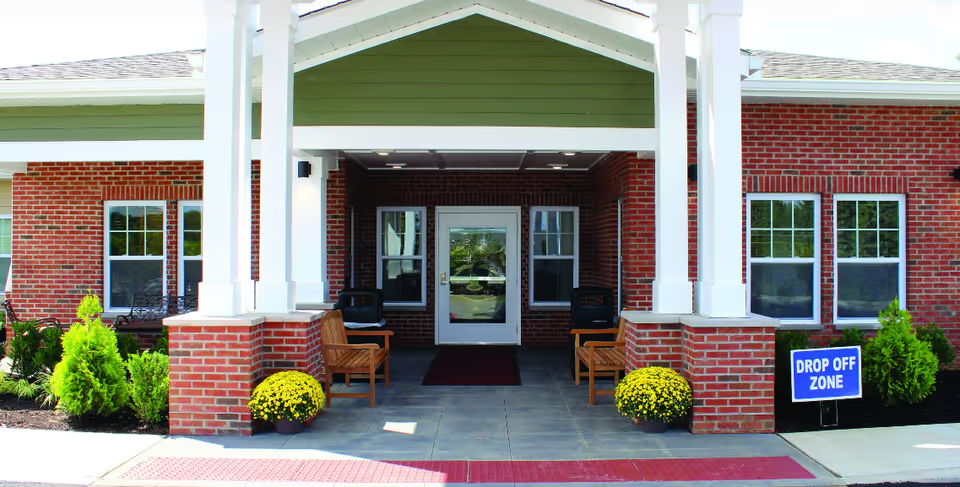
The Merriman is consistently described as a historically attractive campus with spacious, well‑appointed common areas and scenic grounds. Reviewers highlight the facility’s architectural character, large bright rooms, private dining options, library and game spaces, and an active calendar that includes live music, crafts, games and visiting pets. The on‑site therapy team and access to multiple medical and ancillary providers are repeatedly cited as strengths, and many accounts praise a subset of long‑term nursing and therapy staff for providing compassionate, family‑style care. The facility’s pricing model (all‑inclusive flat rate) and acceptance of Medicaid waiver on admission are also noted as conveniences for families.
At the same time, there is a clear pattern of operational concerns that prospective families should evaluate closely. Sanitation and food‑safety controls are repeatedly called into question, and reviewers cite issues ranging from general cleanliness to food‑storage and kitchen practices. Housekeeping and odor control are inconsistent across areas of the building. Deferred maintenance and aging building systems (including heating/cooling inconsistencies, inoperative locks or doors, and basement infrastructure problems) were reported, which may affect resident comfort and safety.
Staffing and clinical operations show mixed signals. Many reviewers commend dedicated permanent nursing staff and a strong therapy department, but multiple accounts describe high staff turnover, frequent reliance on agency personnel, insufficient frontline coverage, and slow response to call buttons. These staffing patterns are associated with reports of delayed assistance, inconsistent bathing schedules, and medication‑timing problems. There are also descriptions of gaps in care coordination and administrative responsiveness — families mention difficulty getting timely answers from management, payroll and HR process breakdowns, and challenges with follow‑up after clinical incidents.
Other recurring concerns relate to privacy, security and organizational controls. Reviews note privacy‑related communication issues and camera policies in common areas and some rooms; some reviewers raised allegations of problematic staff behavior including impersonation and missing property, indicating vulnerabilities in credentialing and resident‑safeguard processes. Dining receives both strong praise and criticism: several people describe large, well‑presented meals with room‑service options, while others note variability in meal quality and service continuity.
In sum, The Merriman offers attractive physical amenities, an engaging activity program, and on‑site therapy resources that can support rehabilitation and social engagement. Conversely, persistent operational weaknesses — notably sanitation controls, staffing stability, medication and care‑coordination processes, and administrative responsiveness — appear to produce markedly different resident experiences. Prospective residents and families should visit in person, observe staffing levels and mealtime service, review the most recent health inspection and staffing records, ask about turnover and agency use, and request details on medication administration, staff credentialing, and maintenance plans before making a placement decision.